Insider Brief
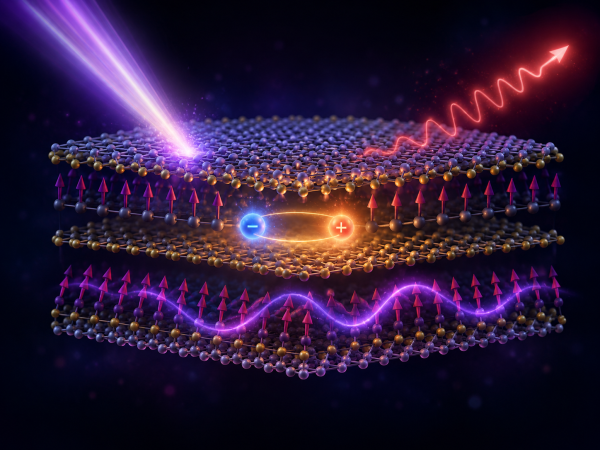
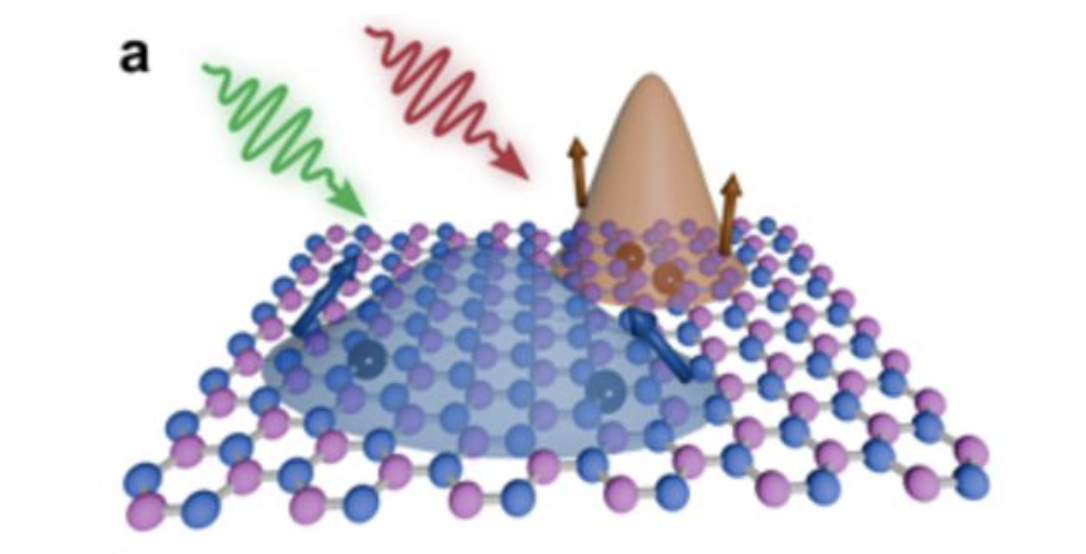
Researchers found that changing the excitation wavelength can significantly improve the performance of spin defects in hexagonal boron nitride for two-dimensional quantum sensing.
Red light excitation produced nearly 100% spin-dependent readout contrast and a threefold calculated improvement in DC magnetic field sensitivity compared with green light.
The study also found a trade-off between stronger signal contrast and emission stability, suggesting that future hBN quantum sensors may require wavelength-level optimization for individual defects.
PRESS RELEASE — Optically addressable spin defects in solid-state materials have rapidly emerged as promising candidates for quantum sensing applications. Defects in diamond have been the most widely studied, demonstrating the ability to sense magnetic and electric fields, temperature, and pressure. However, diamond has a fundamental limitation due to its rigid, three-dimensional structure which restricts the proximity of nitrogen vacancy defects to sensing targets.