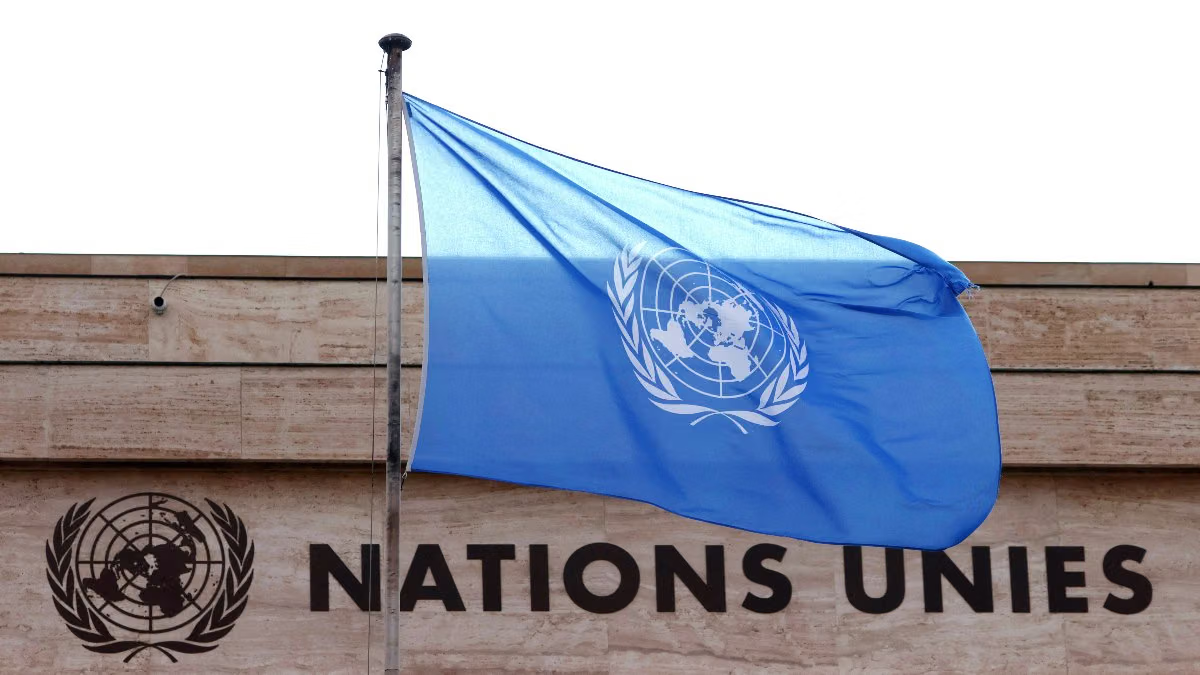
International human rights law after World War II was intended to ensure that the rule of law prevails globally; with the support of multilateral institutions and, where necessary, ensure a rule-based international order.
It is sobering to recall that the human race invented slavery, indentured labour, the Holocaust and fought two consecutive world wars. When Mussolini overran Ethiopia (then Abyssinia), Emperor Haile Selassie appealed to the League of Nations in 1936, but no help came. He left the assembly in Geneva, predicting the intergovernmental organisation’s rapid downfall.The United Nations was built on the ashes of the League and must not perish.
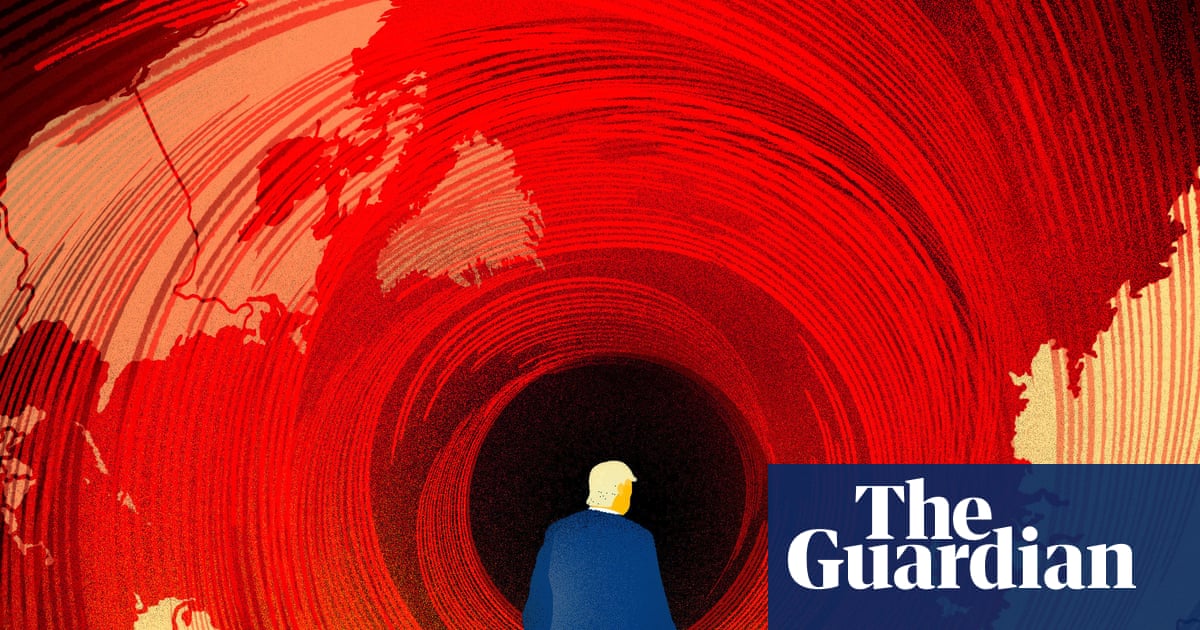
At a time when human rights—humanitarian law and the multilateral institutions they represent—and the funding required for giving succour to human suffering—are mocked and ridiculed by United States President Donald Trump and his MAGA clique, a reappraisal of human rights law and their institutions appears essential to safeguard and nurture the future of humanity.India is an original signatory to the 1948 Universal Declaration of Human Rights (UDHR). While still under colonial rule, India contributed to the drafting of the UDHR, which began in February 1947. India’s representative, Hansa Mehta, played a crucial role in ensuring gender neutral language. Rather than the phrase “All men are born free and equal,” Mehta insisted that it begin with “all human beings,” which was no mean achievement for that time and age.Widely accepted as the basis of international human rights law, the UDHR enshrines the principle that human beings are born equal in dignity and rights, principles underlying every culture and civilisation, religion and philosophy from antiquity till today. These rights are referred to as Universal Rights.A post-January 2026 view of humanity