History shows us that the creation of international rules and institutions is followed by their partial destruction, and a reconstruction that builds on what came before
N
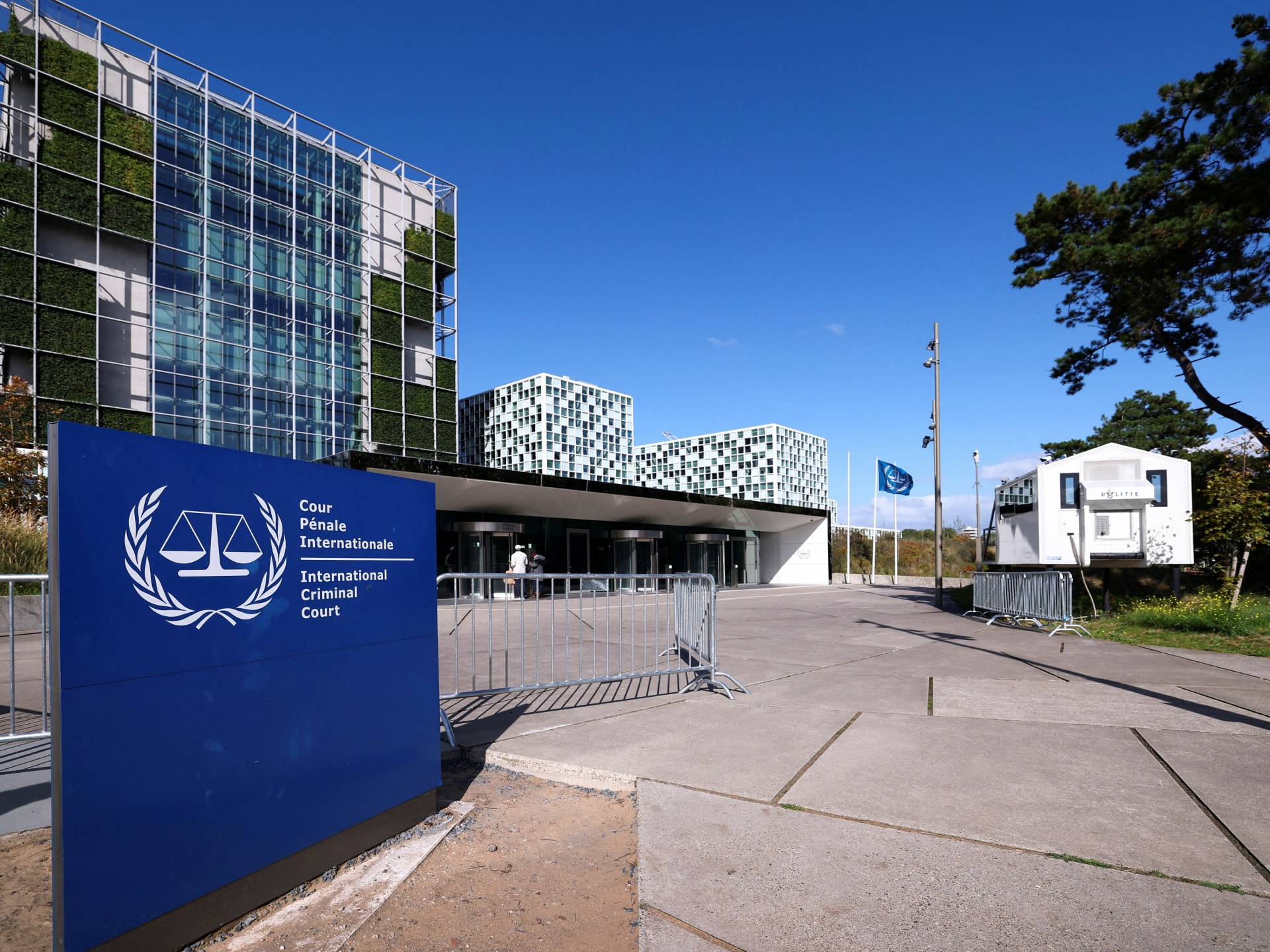
ineteen forty-five was a pivotal moment in international law, marking the founding of the United Nations and the International Military Tribunal to investigate war crimes committed during the second world war. Eighty years on, it is increasingly being said that we are living through a moment of great change, towards a world that is without such law.
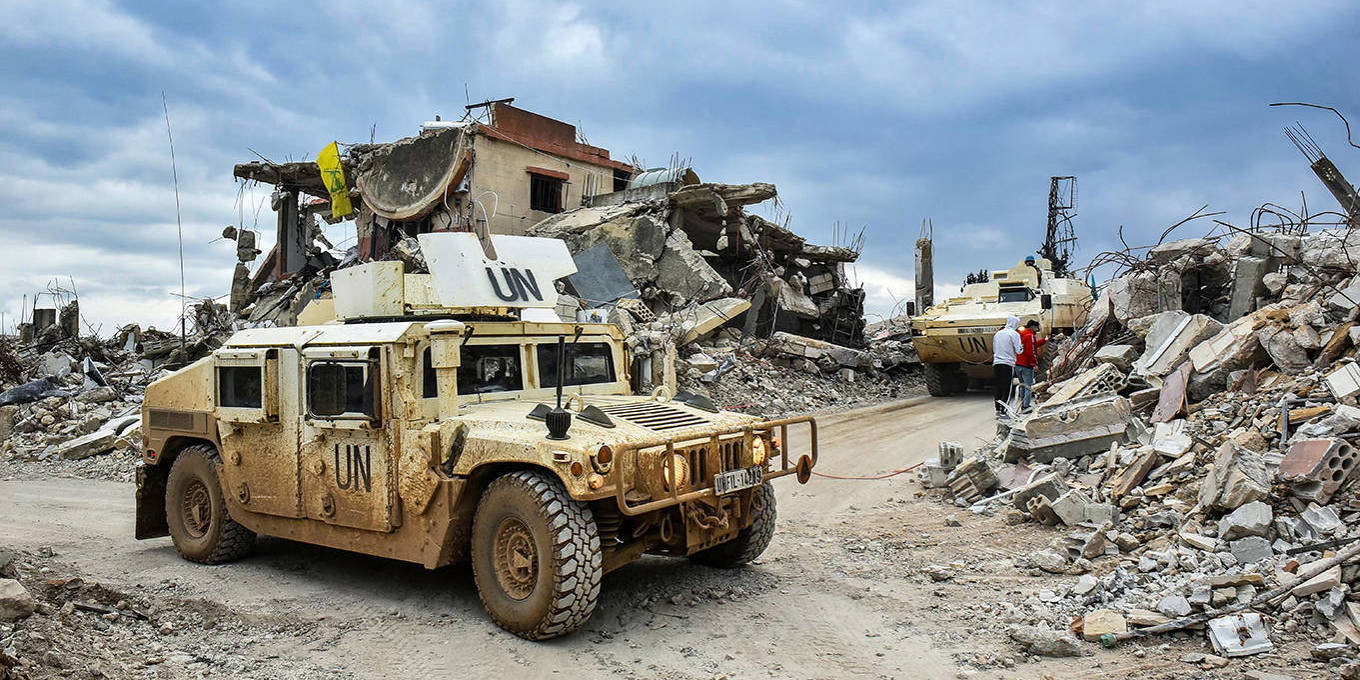
In September, the Financial Times published an editorial headlined “A world without rules”. That view was premised on two incidents: Israel’s launch of a missile strike on a building that hosted Hamas officials in Qatar; and the flight of 19 Russian drones into Polish airspace. This flouting of the previous “rules-based order”, the FT said, was now producing “a kind of anarchy and a proliferation of violence”.
Others have adopted what appears to be a more sanguine – or accepting – view. Last year in the New Statesman, John Bew, history professor at King’s College London and former foreign policy adviser at 10 Downing Street under Boris Johnson, addressed the “rules-based system” and challenged the attitude of those advocating for its continuing role, including me, as having a “sentimental” view. “Much as we may wish it to be the case, we are not in a rule-of-law era today,” he wrote. In his view, “raw power is being asserted everywhere we look”, and those who operate on the global stage are wilfully breaking the rules of the post-1945 legal international order. He references Russia’s February 2022 invasion of Ukraine.