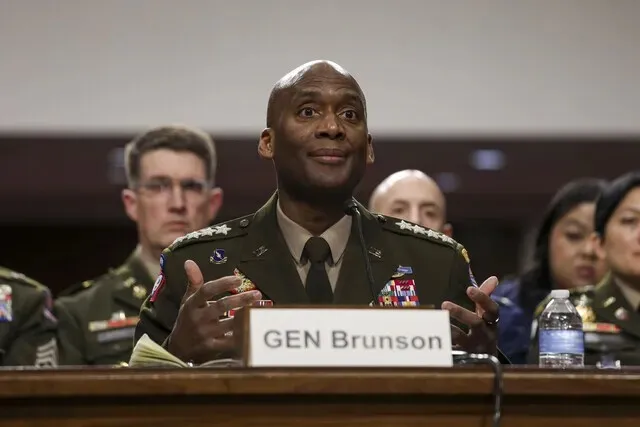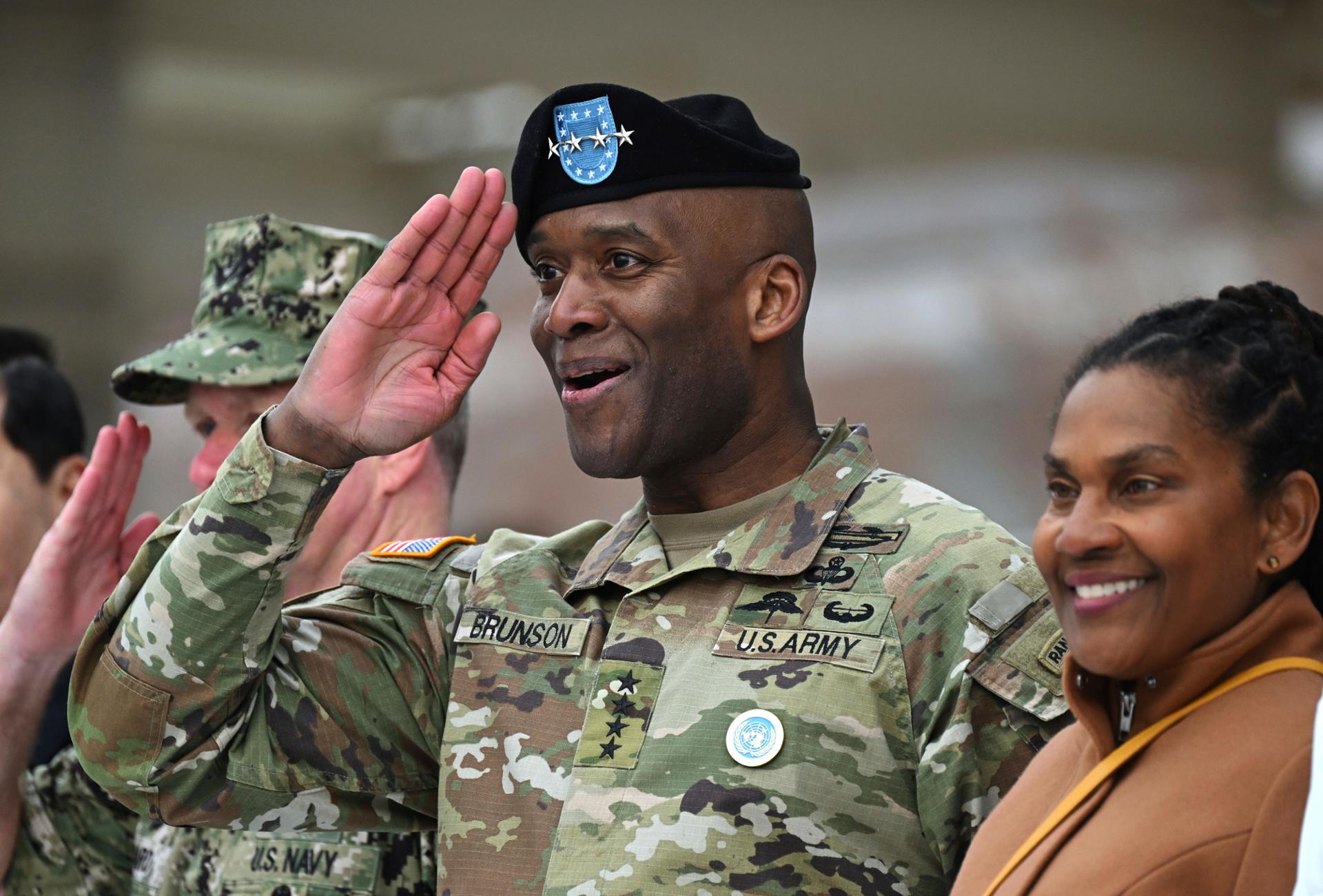
The four-star US Army general’s aversion to the OPCON transfer and emphasis on the USFK’s status may be the result of multiple factors
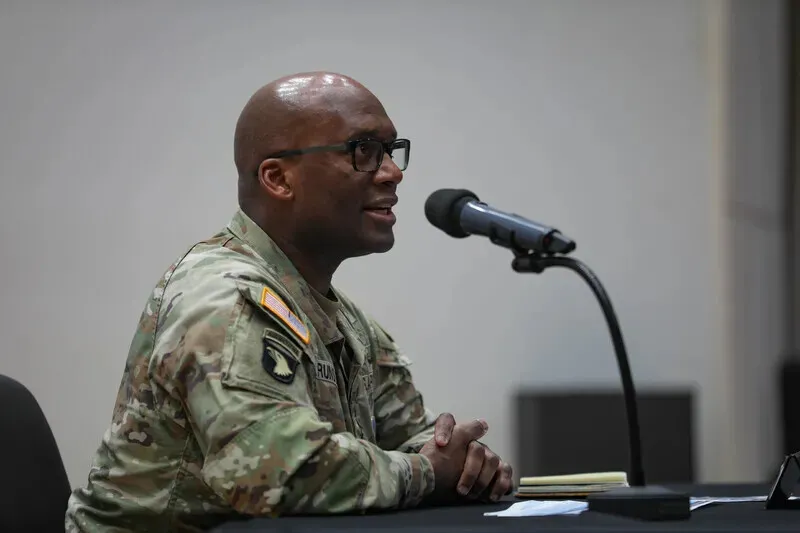
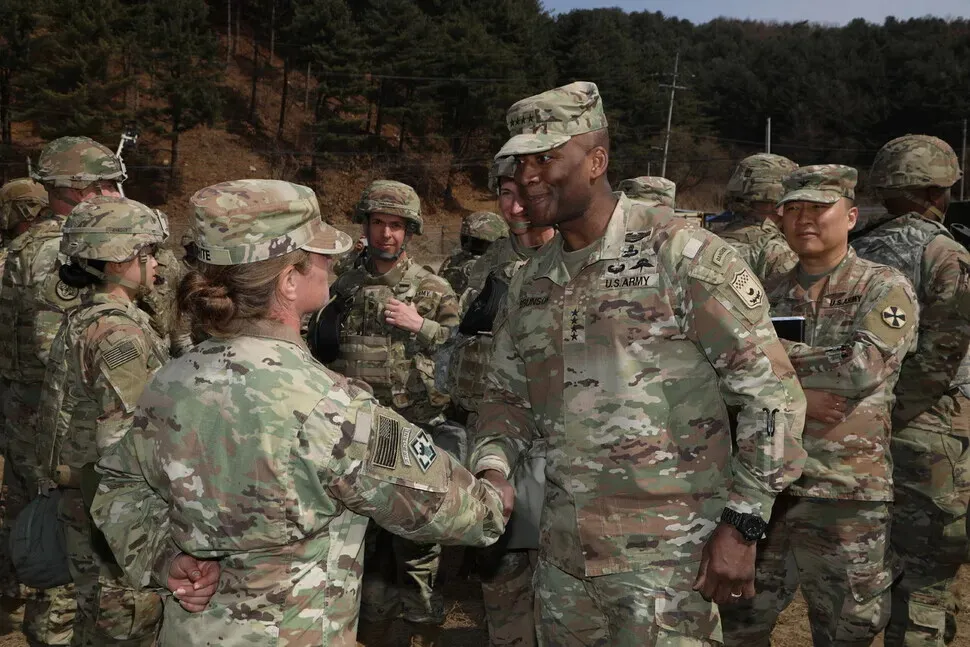
Gen. Xavier Brunson, the commander of US Forces Korea, pays a visit to Rodriguez Live Fire Complex near Pochan, Gyeonggi Province, on March 13, 2025. (via USFK.mil)
Gen. Xavier T. Brunson, the commander of US Forces Korea, has been butting heads with the government of Korea since 2025. Brunson has continuously pumped the brakes on Korea’s push to regain wartime operational control of its armed forces, emphasizing how Korea functions as an outpost keeping China in check or arguing that “political expediency” must not “outpace the conditions” for restoring OPCON to Seoul. During a podcast appearance on May 22, Brunson commented that when China’s leaders look out from their eastern coast, what they see is “Korea, the dagger in the heart of Asia.” Last May, the general said that Korea “looks like an island or like a fixed aircraft carrier floating in the water between Japan and mainland China.” The USFK leader has also repeatedly made clear that he believes that Korea, the US and Japan should join forces to hem in China. As far as commanders of the USFK go, Brunson has generated the most controversy and press coverage in Korea since Gen. John A. Wickham, who served in the role from 1979 to 1983. Wickam led American forces in Korea during a tumultuous time in the country’s history that saw the assassination of its leader Park Chung-hee, the military coup of Dec. 12, 1979, the 1980 uprising and slaughter of pro-democracy protesters in Gwangju, and the Chun Doo-hwan regime. During an interview with an American outlet in August 1980, he commented that Chun, who was a military general at the time, may become president, likening Koreans to “lemmings” who follow any leader they get, claiming that democracy was not a good fit for such people. This comment sparked anti-American sentiment, which coalesced into an active movement in the country. Wickham could make such comments because Korea was completely dependent on US support for its defense. Korea relied on the US’ free military aid in the ’50s and ’60s to cover defense costs, and the US’ military support was crucial even after the 1970s.But it’s been a long time since Korea received any military aid from the US. In fact, it’s the Trump administration in the US that has been asking Korea for money (in the form of more burden-sharing) and military assistance (by sending ships to the Strait of Hormuz).