Vitalik Buterin wants to make on-chain voting actually private. Not “private with an asterisk,” not “private if you trust these five people,” but cryptographically private in a way that removes human trust assumptions almost entirely.
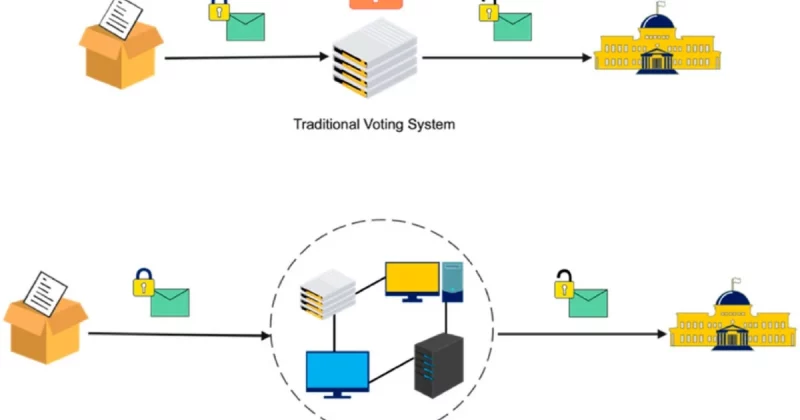
On June 29, Buterin stated that combining program obfuscation with blockchain technology can enable near-trustless private on-chain voting. The core idea: hide the program logic itself while letting the blockchain handle state management and verifiable execution. Votes stay secret, tallies stay auditable, and nobody needs to trust a committee to keep things honest.
What obfuscation actually means here
Think of obfuscation like putting a program inside a black box. You can feed it inputs and get outputs, but you cannot reverse-engineer what’s happening inside. The specific technique Buterin is pointing to is called indistinguishability obfuscation, which is the cryptographic equivalent of scrambling a recipe so thoroughly that two different recipes become indistinguishable from each other, even to someone studying them closely.
In English: a voter could cast a ballot on-chain, and the obfuscated program would process it without revealing the vote to anyone, not even the nodes running the computation. The blockchain still does what blockchains do best, maintaining an immutable, transparent ledger of state changes. But the sensitive parts, who voted for what, remain locked behind cryptographic walls.