Voting in crypto governance has a dirty secret: it’s not actually secret. Most DAO votes are cast from pseudonymous wallets on public blockchains, meaning anyone with a block explorer can see exactly how you voted. That creates a problem that goes beyond mere privacy discomfort. It opens the door to coercion, vote buying, and social pressure that undermines the entire point of democratic decision-making.
CRISP, short for Coercion-Resistant Impartial Selection Protocol, is a new attempt to fix that. Launched in May 2026 by the Interfold project, which evolved from Gnosis Guild’s Enclave, the protocol brings together three heavyweight cryptographic techniques to create what amounts to a digital secret ballot.
How CRISP actually works
The protocol rests on three cryptographic pillars: fully homomorphic encryption (FHE), zero-knowledge proofs (ZKPs), and distributed threshold cryptography (DTC). Each solves a different piece of the private voting puzzle.
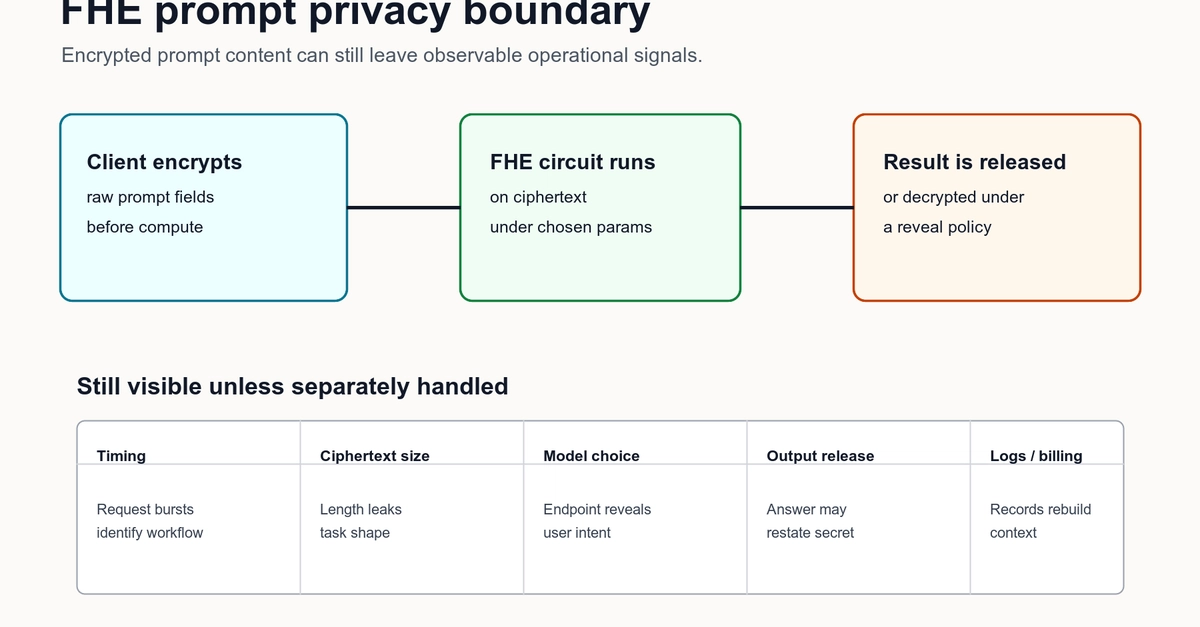
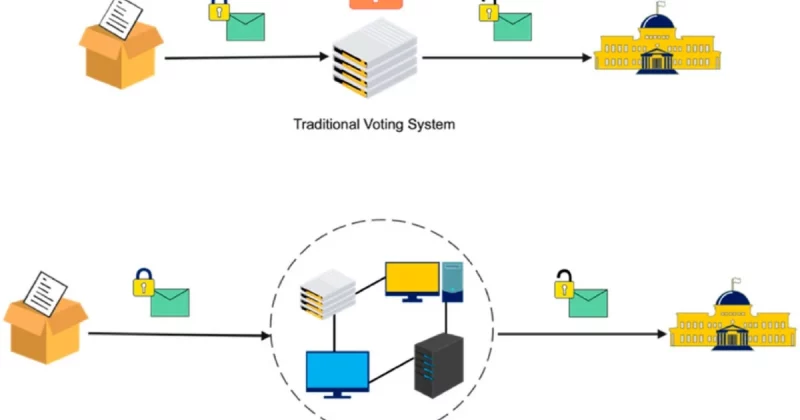
Fully homomorphic encryption is the star of the show. In English: it lets you perform math on encrypted data without ever decrypting it. Think of it like a sealed ballot box that can count its own contents without anyone opening it. Votes go in encrypted, get tallied while still encrypted, and only the final result gets revealed.