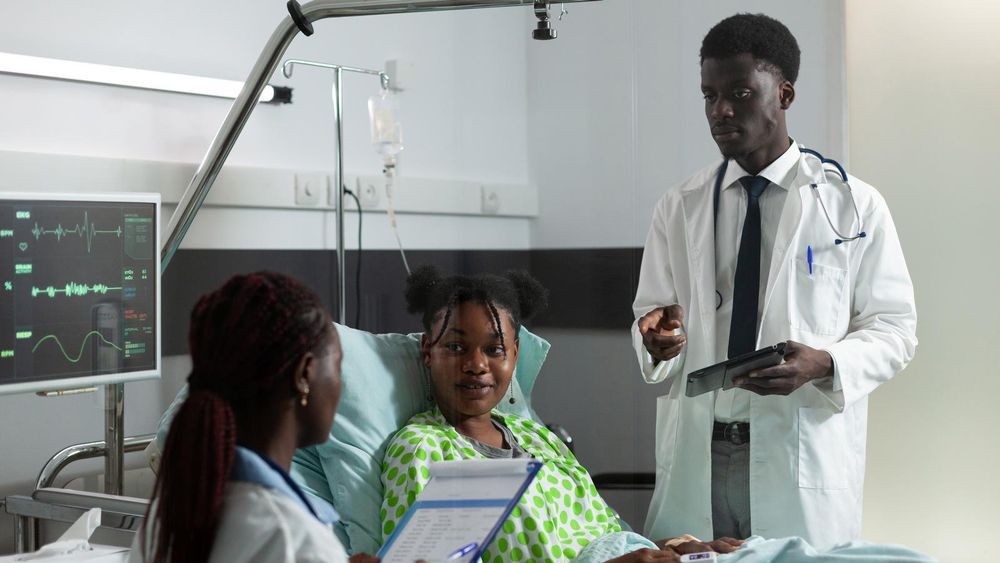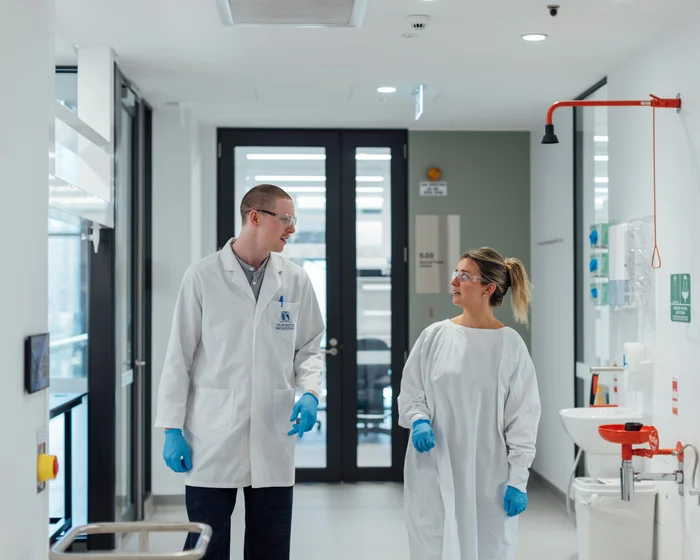
A patient in their 80s rarely presents with a single health condition. They might be managing diabetes and heart failure, while osteoporosis limits their mobility and social isolation affects their mood. A change to their medication can cause a ripple effect through every part of their care.It’s a familiar picture for many health professionals. “The different components within the healthcare system have to synchronise and work closely together,” says Prof Elizabeth Molloy, the pro vice-chancellor (curriculum) at the University of Melbourne.In Australia, the need for more connected care doesn’t only affect older patients. In 2022 an estimated 38% of Australians were living with multimorbidity – two or more of 72 selected long-term health conditions – according to the Australian Institute of Health and Welfare’s report Multimorbidity in Australia. Among people aged 85 and over, that figure was 79%.Practical collaboration for person-centred careTo meet the demands of this increased complexity, the University of Melbourne’s graduate programs in healthcare have been designed around collaboration, leadership and person-centred care, focusing on topics such as relational reflexivity, interprofessional communication, collaborative leadership and systems improvement.The programs leverage the research and education expertise of the Collaborative Practice Centre (CPC), where students from 11 health programs – including dentistry, medicine, social work, nursing, physiotherapy and public health – learn from and with one another.
Patients don’t come in parts: the growing need for holistic healthcare
As Australians live longer, with more complex health conditions, the next generation of health professionals will need more than clinical expertise
941 words~4 min read