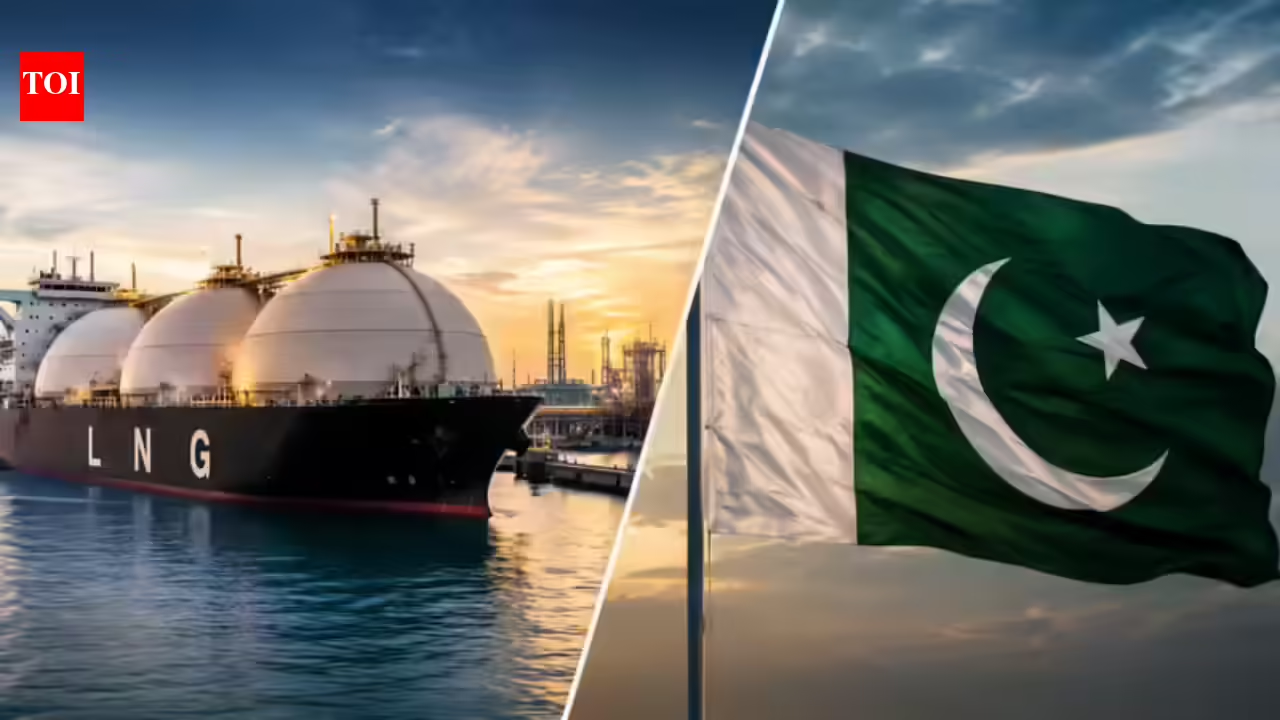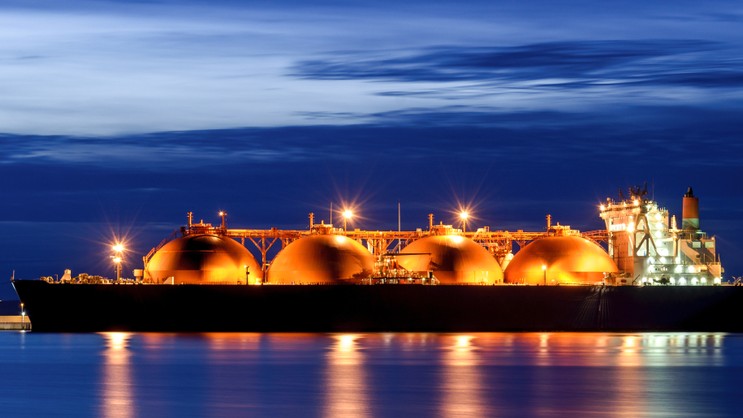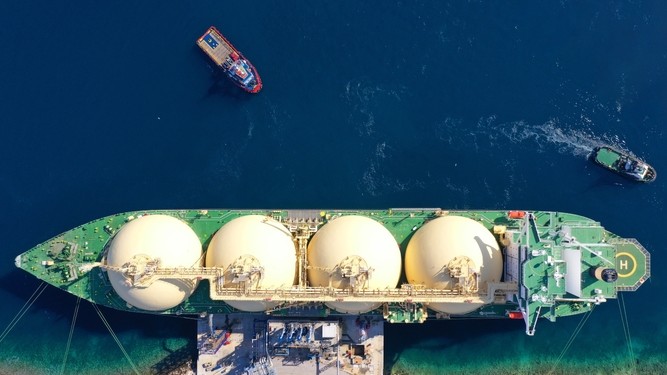
Pakistan is urgently attempting to procure liquefied natural gas (LNG) for immediate delivery as disruption in the Strait of Hormuz continues to impact global energy flows. The strait, a strategic chokepoint for oil and gas transit, has seen a near-total halt in maritime traffic following attacks linked to the U.S.-Israel conflict with Iran. The ongoing military situation has led to significant energy insecurity, with Pakistan facing a substantial shortfall in electricity. This has driven the country to seek alternative LNG supplies amid surging spot prices, which have jumped to $22–$25 per MMBtu, exacerbating the energy crisis.
Key Takeaways
Markets suggest a significant decrease in the likelihood of normal transit through the Strait of Hormuz by the end of June, consistent with the recent disruptions.
Pricing on scenarios related to average daily transits of the strait appears supportive of limited vessel movement, reflecting ongoing geopolitical tensions.
The current situation may indicate a potential increase in energy prices due to restricted supply routes and heightened regional instability.