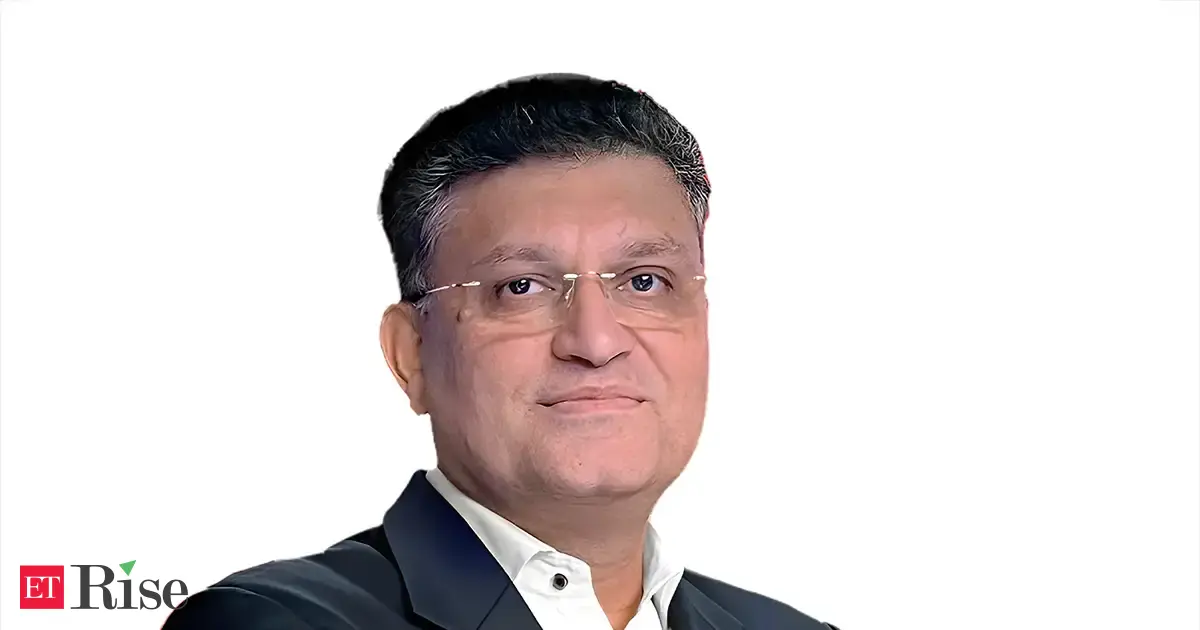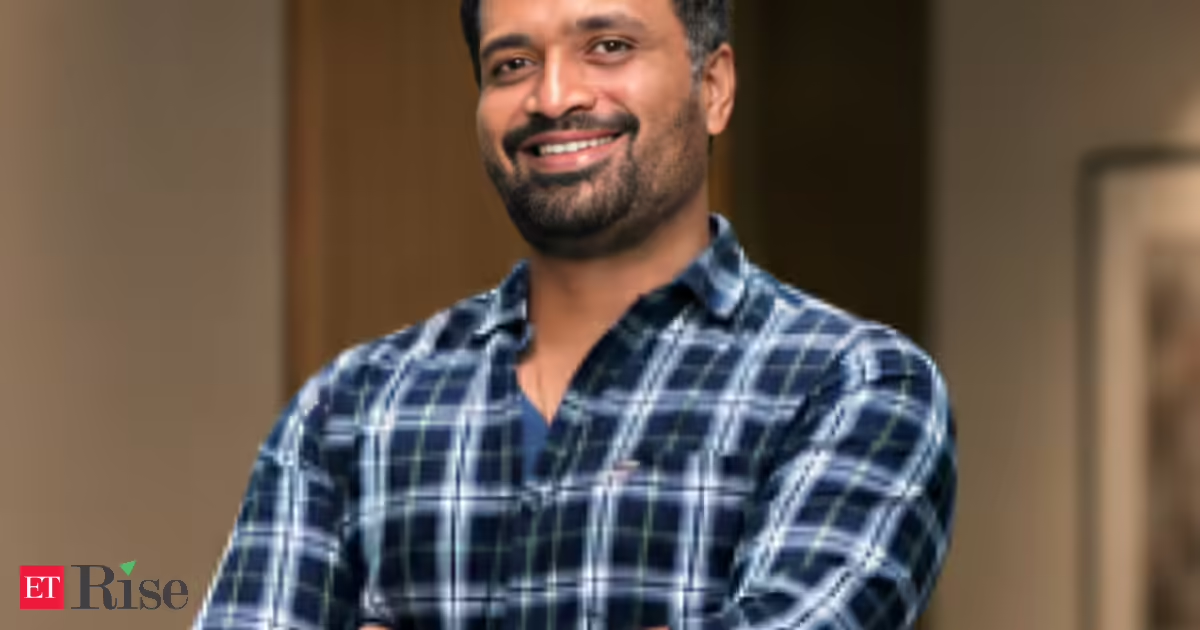
The expansion of India's SME export ecosystem and the growing compliance demands of international shipping mean logistics providers need to provide services beyond basic parcel transport. In a conversation with ET Digital, Vaibhav Salvi, Founder & Managing Director of TransLink Express, explains how the company carved a niche in the competitive international courier sector through personalised service, technology use, and comprehensive logistics solutions. Edited excerpts.Economic Times (ET): The international courier market in India is dominated by global giants with vast networks and resources. How has TransLink Express managed to carve out a niche for itself, and what competitive advantages have helped you sustain growth for over 16 years?Vaibhav Salvi (VS): The international logistics space has always been dominated by large global players, and they have built incredible networks across the world. However, we realised early on that there was a significant gap when it came to personalised international shipping solutions, especially for individual customers, SMEs, students, and first-time exporters.Large logistics companies are primarily structured around high-volume corporate accounts and regular commercial shipments. A walk-in customer sending a personal parcel abroad, a student relocating overseas, or a small manufacturer trying to send their first export sample often requires much more handholding. Many also struggle with documentation, customs requirements, food regulations, and country-specific guidelines.That is where TransLink Express built its niche. We combine global courier capabilities with local accessibility and personalised support. We help customers understand what can be shipped, how it should be packed, what documents are required, and which courier network is best suited depending on the product and destination.Our biggest advantage has been our service-led model. We are not just moving parcels; we are solving international shipping challenges. Whether it is an SME sending samples to a potential buyer, an NRI receiving products from India, or a student relocating abroad, we provide the guidance and accountability customers need.This approach has helped us build trust and sustain growth for over 16 years.ET: India's SME export ecosystem is expanding rapidly, aided by e-commerce and government initiatives. Yet many small manufacturers still struggle to access global markets. What are the biggest logistics bottlenecks holding them back today, and what policy changes would you like to see?VS: India has tremendous manufacturing potential, and today even small manufacturers from different parts of the country have opportunities to reach global buyers. However, one of the biggest challenges they face is not always production capability; it is understanding the logistics and compliance process.For many SMEs, especially first-time exporters, sending samples becomes complicated. They may not know the right documentation process, product classification, destination country regulations, or customs requirements. A delayed or rejected sample shipment can sometimes mean losing an international business opportunity.Another challenge is that every country has different import rules. What works for one market may not work for another. Exporters need logistics partners who understand these differences.As an aggregator, TransLink helps bridge this gap by identifying the right courier partner based on the shipment category, destination, timeline, and cost requirements. Instead of customers navigating multiple courier companies and regulations themselves, we simplify the process.The government has taken several positive steps towards improving ease of doing business, digital documentation, and export promotion. Going forward, stronger awareness programs for MSMEs around export documentation, simpler compliance processes, and better access to logistics knowledge can further accelerate India’s export growth.ET: You often speak about documentation and compliance being as important as transportation itself. In an era of increasing customs scrutiny and changing trade regulations, how are international shipping requirements evolving for Indian exporters?VS: International shipping today is no longer just about transportation. Documentation, compliance, and accuracy have become equally important.With global trade expanding, countries are becoming more specific about import regulations, product declarations, certifications, and customs requirements. A small mistake in documentation can delay an entire shipment, even if the product itself is eligible for export.At the same time, trade agreements and stronger global partnerships are also creating opportunities. For example, evolving trade relations between India and markets such as the UK and other countries are aimed at improving market access and simplifying trade opportunities.For Indian exporters, especially SMEs, the biggest requirement today is awareness. They need to understand destination-specific rules before shipping. A logistics partner’s role has therefore evolved from simply delivering parcels to becoming an advisor who helps exporters navigate international requirements smoothly.ET: The logistics sector is undergoing rapid digitisation, with AI-driven tracking, automated customer service, and predictive supply chain tools becoming commonplace. How does a service-led company like TransLink balance technology adoption with the personalised support that forms its core value proposition?VS: Technology and AI are transforming logistics globally, and their role will only continue to grow. AI can improve efficiency, automate processes, enhance tracking systems, support research, analyse trends, and improve decision-making.At TransLink, we have integrated technology and AI into our internal processes, backend operations, research, and overall business strategy. It allows us to work faster, make informed decisions, and improve operational efficiency.However, logistics is also a business built on trust. When someone is sending important business samples, personal documents, or a package to their family overseas, they are trusting us with something valuable.That is why we strongly believe that the best customer experience comes from combining technology with human involvement. AI can make systems smarter, but personalised support builds confidence.For customer-facing services, we continue to prioritise human interaction because every shipment has a story and sometimes customers need reassurance, guidance, and problem-solving, not just automated updates.ET: Your business serves three distinct customer segments - exporters, NRIs, and students. Which of these segments is growing the fastest today, and how do their expectations differ from what they were five years ago?VS: While all three segments continue to grow, the exporter segment has seen significant momentum in recent years.India’s focus on manufacturing, Make in India initiatives, increasing global demand for Indian products, and the rise of small businesses accessing international markets have encouraged more SMEs to explore exports.Compared to five years ago, customer expectations have changed significantly. Speed, transparency, and convenience have become much more important. Customers expect faster deliveries, real-time information, simplified documentation, and proactive support.Infrastructure development has also helped the sector. Improved connectivity between manufacturing hubs, cities, and international airports has supported faster movement of goods. Additionally, the shift towards digital processes and government portals has made information more accessible for businesses.The opportunity ahead is huge because India has thousands of manufacturers with globally competitive products. The right logistics ecosystem can help them reach customers worldwide.ET: Many logistics companies focus solely on moving parcels, while TransLink has expanded into services such as goods sourcing, consolidation, and relocation support. Do you see the future of courier businesses moving towards becoming end-to-end service providers rather than pure transportation companies?VS: Absolutely. Across industries, businesses evolve based on customer needs, convenience, and technology.Today, customers do not only want a service provider; they want a solution provider. We have seen this transformation across sectors. For example, quick commerce grew because companies identified a customer need and built convenience around it.International courier is moving in a similar direction. Customers increasingly want support beyond transportation. An NRI customer may want products sourced from multiple Indian sellers, consolidated, packed professionally, and shipped together. A student moving abroad may need storage support before confirming accommodation. An exporter may need guidance before sending samples internationally.These requirements show that logistics companies of the future will not just be carriers. They will become complete global mobility and fulfilment partners.At TransLink, our focus has always been to identify these customer pain points and build services around them.ET: Looking ahead, what is your vision for TransLink Express over the next five years? Are you focused on geographic expansion, new service lines, technology investments, or deeper penetration within your existing customer base?VS: Over the next five years, our vision is to strengthen TransLink Express as a trusted Indian international logistics brand.Our growth strategy will focus on multiple areas: expanding our geographic presence, building strategic partnerships, investing in technology, and introducing new customer-focused services.We are exploring expansion into key Indian cities including Hyderabad, Chennai, and Kolkata, along with future opportunities across the Middle East and Southeast Asia.We also see a major opportunity in enabling global customers to access Indian products more conveniently. Many international buyers want to purchase from Indian marketplaces but face challenges around sourcing, consolidation, and shipping. We aim to create a technology-enabled ecosystem where customers can buy from multiple Indian sellers, consolidate their purchases at TransLink facilities, and receive a seamless international delivery experience.Additionally, we will continue strengthening our partnerships within the logistics ecosystem to provide customers with better reach, competitive pricing, and improved service quality.The larger goal is to go beyond courier services and build a global bridge that connects Indian businesses, products, and people with the world.
SMEs need logistics partners, not just carriers: TransLink’s Vaibhav Salvi
With global trade becoming increasingly complex, international logistics providers are evolving from parcel movers to end-to-end solution partners.
1,453 words~7 min read