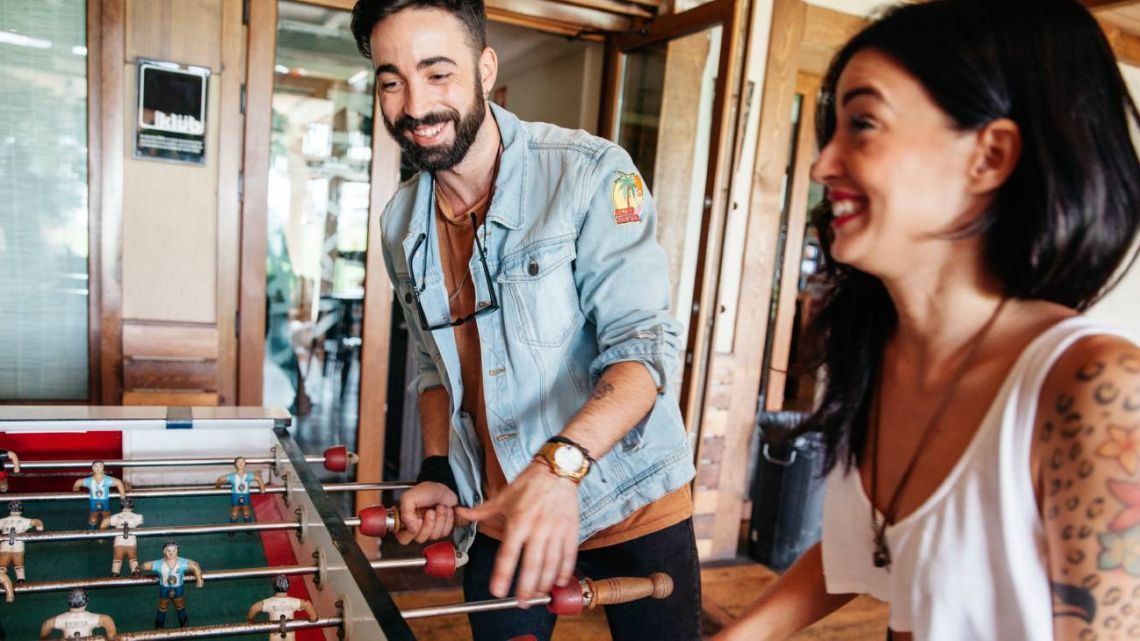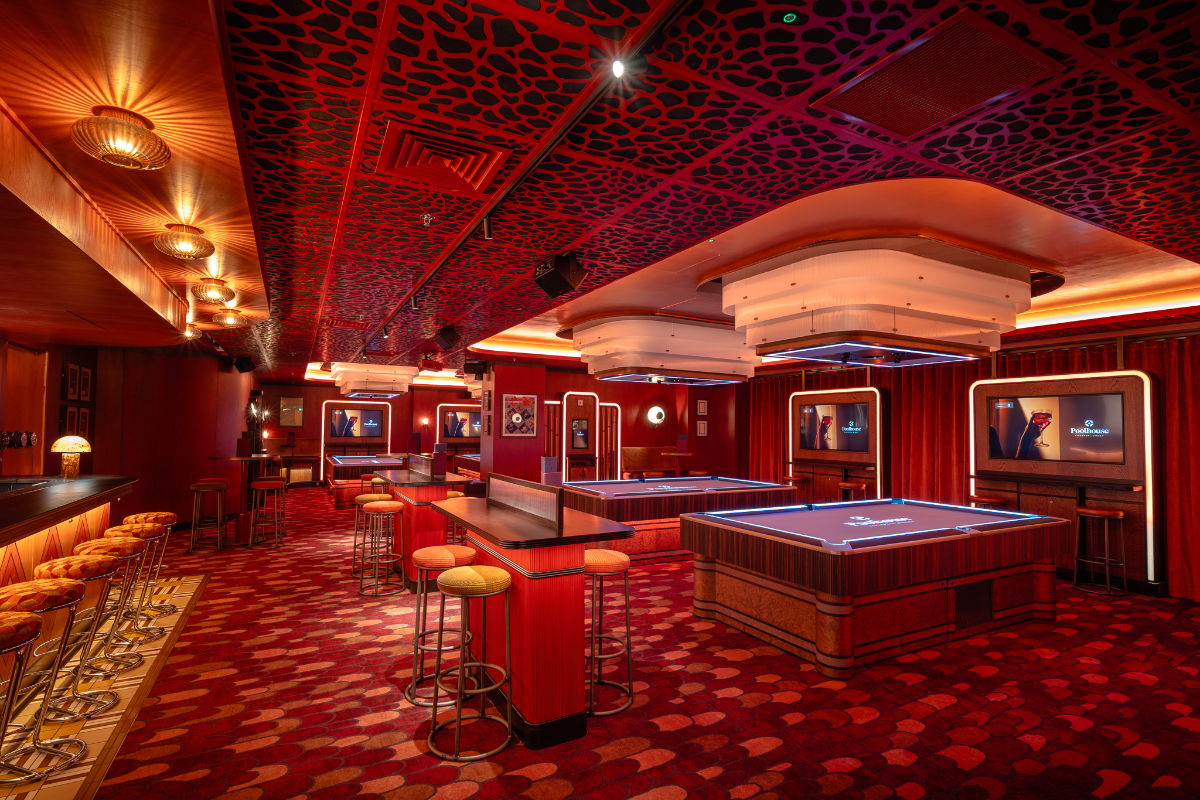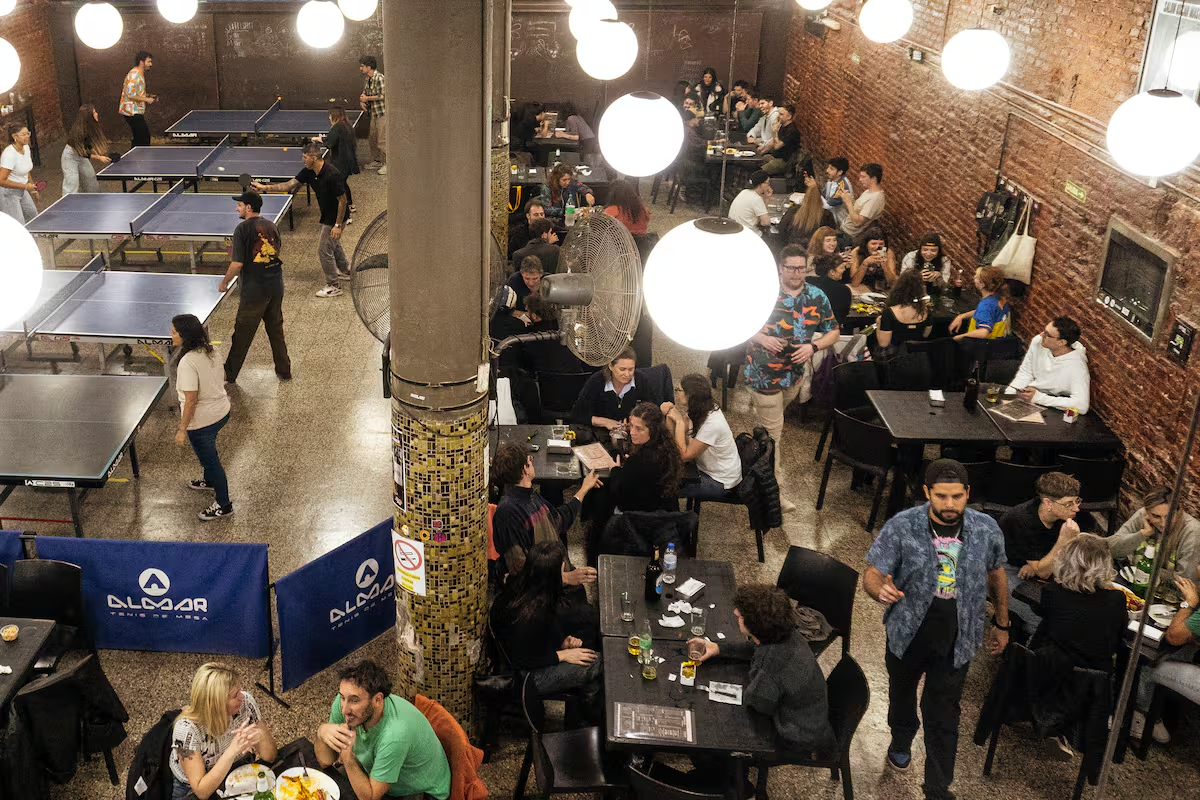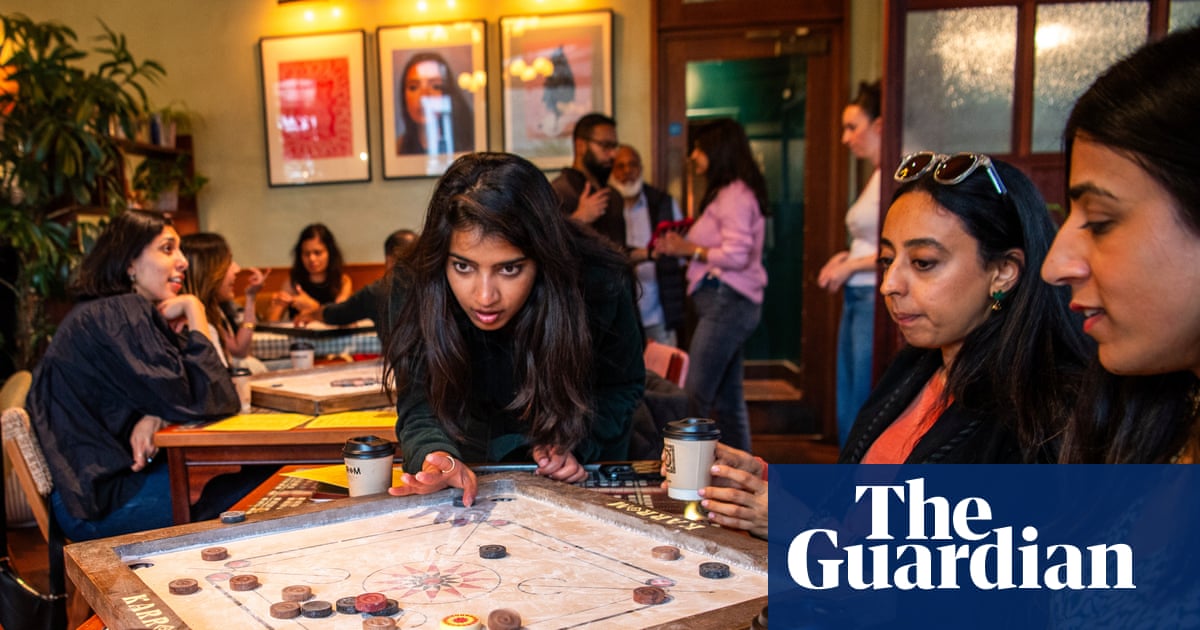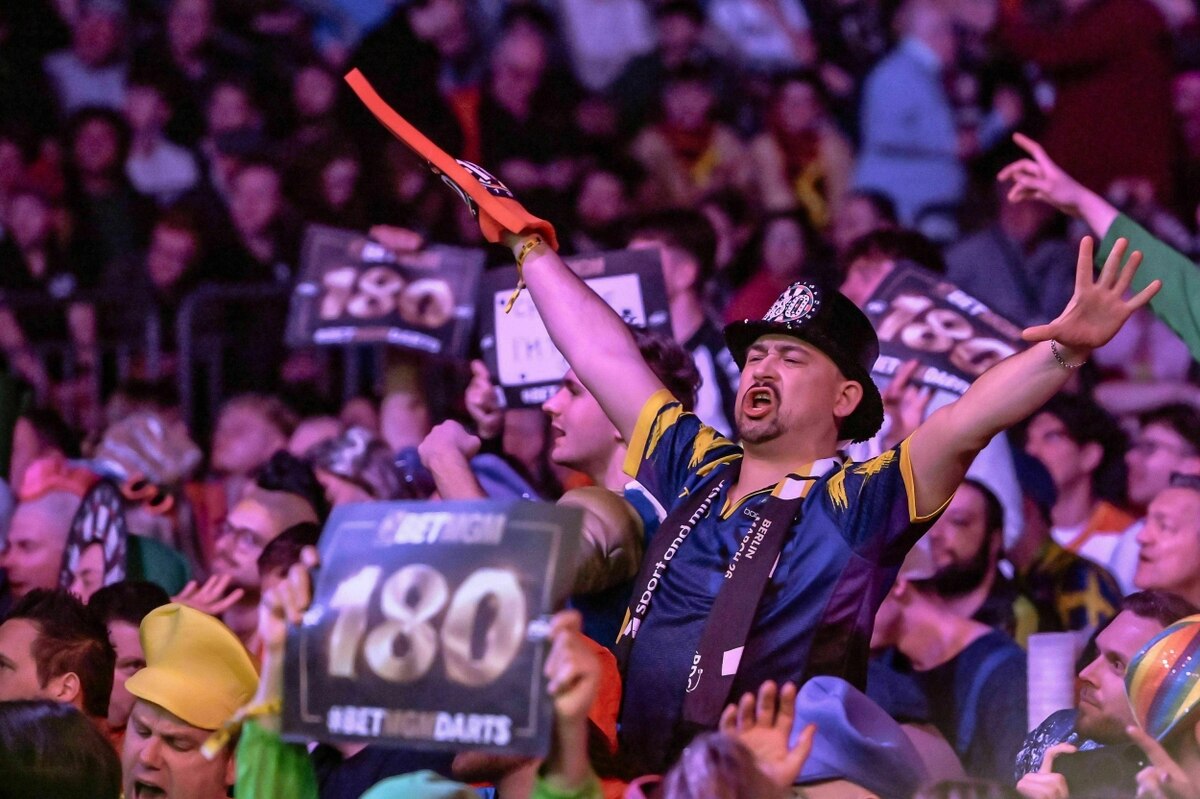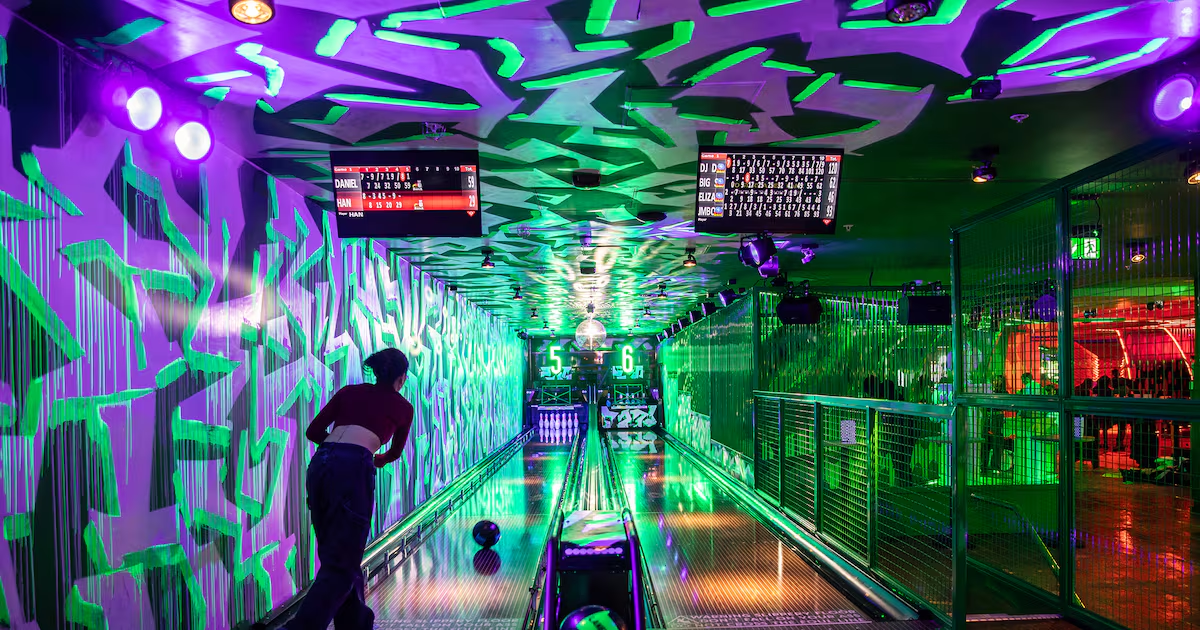
Walking around Dublin city, there’s one business that is very obviously doing well: competitive socialising. That’s the term for adult-centric games venues. Bowling alleys and arcades used to primarily be the preserve of children’s birthday parties in the suburbs. But a rapid change is occurring, with venues moving into city centres, and changing the dynamic of evening socialising, with large international brands entering the picture. Why are grown-ups so keen on playing all of a sudden?The contemporary model of competitive socialising is a downstream result of two enterprises that emerged from hipster culture in its birthplace, Williamsburg in Brooklyn. In 2004 a group of friends opened Barcade in the neighbourhood, a bar with arcade games serving craft beer. Five years later, Brooklyn Bowl opened nearby, blending bowling lanes with a music venue. In both cases, this combination of repurposing old buildings, the renewed appeal of analogue activities, a sense of nostalgia for the night out and the venues’ aesthetic all clicked. This is the competitive socialising equivalent of the cerulean sweater in The Devil Wears Prada: you begin with a few friends in Williamsburg installing repaired Pac-Man machines in what was once a metal shop, and 20 years later, you’re playing augmented darts off Grafton Street thanks to a UK brand identifying a gap in the Irish market.Dan Begley is co-owner of Super Social, a competitive socialising venue in Leopardstown, Dublin. He and his business partner, Paul Quinn, identified the trend pre-Covid while travelling internationally and seeing concepts in the US and Asia. The pandemic “supercharged the whole progression of the industry”, he says. “People are focusing a lot more on experiences. Money may be tight, but people still find the money to spend on concerts and experiences.” And there’s another big shift, he says: “People just aren’t drinking as much any more.”For a while concepts such as escape rooms and axe-throwing were popular. But they were mostly away from prime commercial streets. Now, in Dublin city alone, new venues include Sandbox VR on Nassau Street, Lane7 off Grafton Street and The Breakroom pool hall in the ground-floor unit of a student accommodation block in Smithfield. The UK brand Roxy is set to open at Central Plaza on Dame Street across two floors, featuring pool, karaoke and beer pong. In terms of the capital’s nightlife, Dawson Street in Dublin 2 used to be primarily known for its large late-night bars. Now it’s home to the darts venue Flight Club, and Pitch, which pairs golf simulators with whiskey tastings.At a time when city centres are spoken about as being in “post-retail” cycles, the competitive socialising trend is being keenly observed in the commercial property sector. Last September, Bannon, a large Irish commercial property consultancy, published a piece of research, Retail Plus, noting the growth in competitive socialising in Dublin was beginning to echo its 40 per cent surge since 2018 in the UK. That research said the trend was introducing a new wave of competition for units exceeding 10,000sq ft. [ Underground bins for Dublin: Swap plastic bags for under-street waste collectorsOpens in new window ]Danny Murphy is the associate director of retail for Bannon. “It’s such a rapid takeover of previously tricky spaces,” he says, citing Lane7 upstairs in the restaurant area of Dundrum Town Centre as having a positive impact. Many restaurant units were vacant after the pandemic; now they are almost fully occupied. “So the idea of competitive socialising acting as an anchor is real, and is extremely beneficial to the area.” That shopping centre is owned by Hammerson, and international property companies have a good inkling of what works in other countries. Lane7 also has an underground venue on Clarendon Row in Dublin 2. Basements are challenging spaces to let, and in another life, Murphy says, it probably would have been ancillary storage for surrounding retailers if they’d have it. Storage rents at about €15 per square foot. But with a leisure tenant activating that kind of space, a landlord can get a lot more.This is about consumer desire for third spaces that aren’t solely oriented around alcohol and international brands spotting opportunities in Irish cities (popular travel destinations for hen and stag parties). It is about how such venues can benefit larger commercial developments. But it’s also about replication of international trends. While Irish companies such as Super Social recognised a global trend and created their own version of it, international companies have the benefit of experience and capital. They can roll out a concept already proven in a British city in the as-yet-unsaturated Irish market. International retail, restaurant and some pub concepts have done this. What we’re seeing now is a similar move in competitive socialising venues. With people seeking more experiential nights out, the trend is bleeding into existing bars. Begley is noticing more pubs installing shuffleboards and dart boards. Murphy points to how once upon a time pinball machines were just in pinball halls: “The downfall of that was that eventually you could install a pinball machine anywhere.” He mentioned the Mount Oval gastropub in Cork as an example. “They have a golf simulator upstairs. That’s interesting.”In a cost-of-living crisis, people still want to have a fun night out. On a stag or hen weekend, people need things to do. Corporate spend also has to go somewhere. Many venues entering the market are tried and tested elsewhere. As retail changes, other concepts will need to fill the gaps. In the meantime, anyone want to go bowling?
Una Mullally: From axe-throwing to augmented darts: what’s behind the rise in ‘competitive socialising’?
Arcades used to primarily be the preserve of children’s birthday parties, but a changing attitude to socialising means games are no longer just for kids
913 words~4 min read