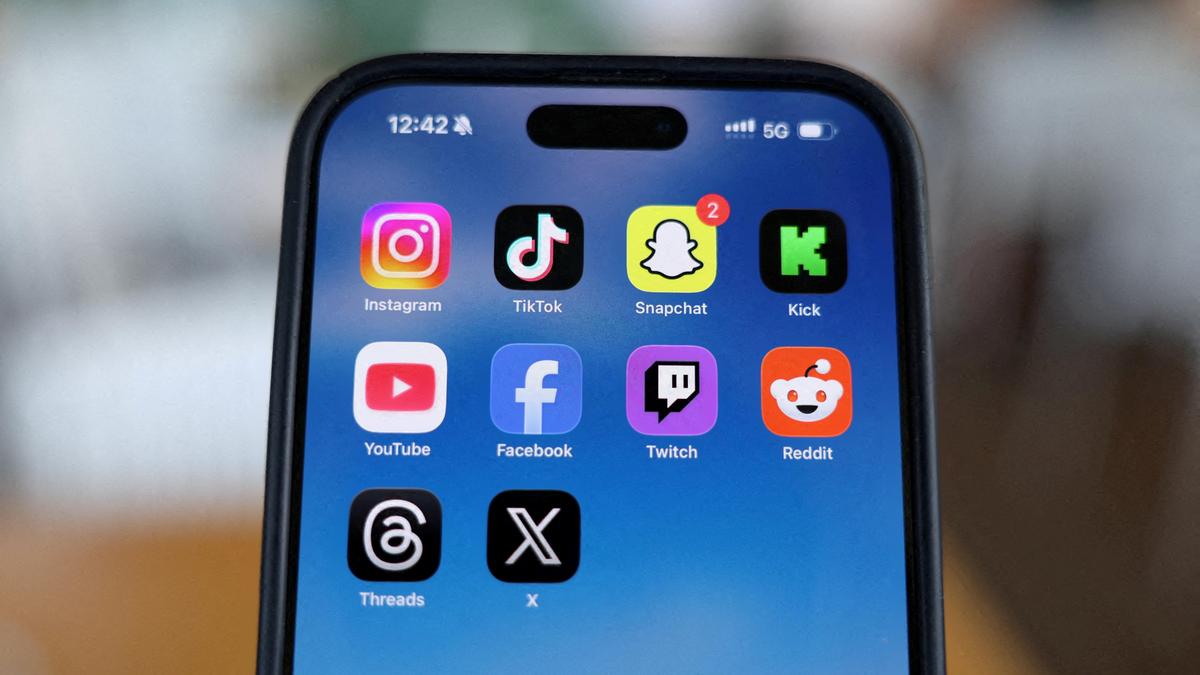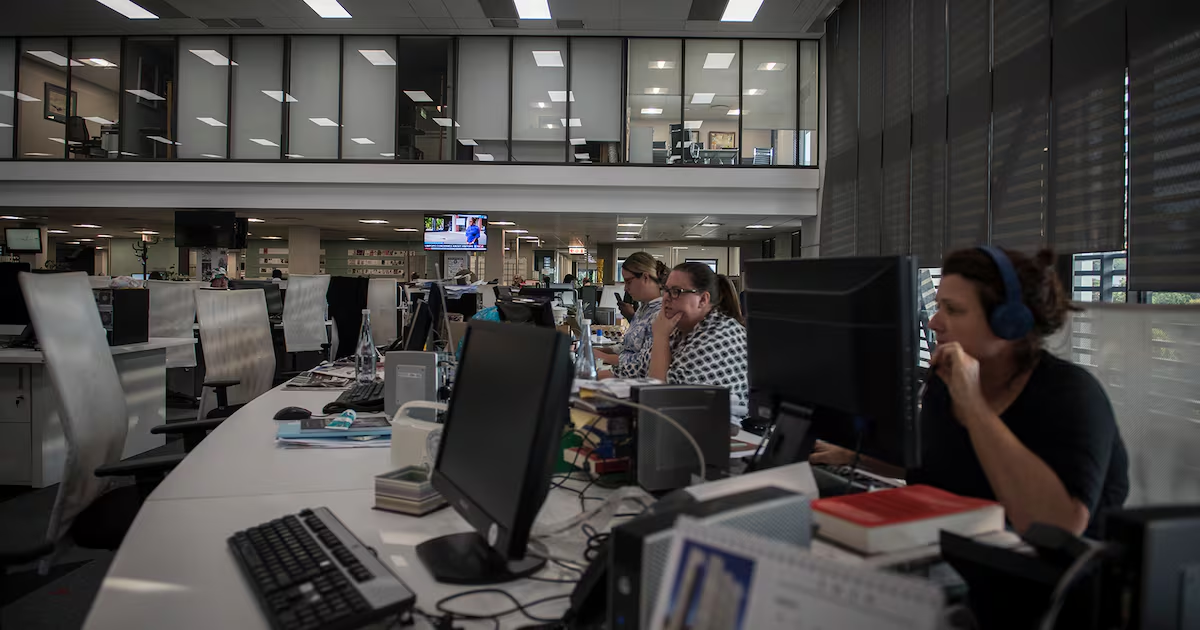
There has never been more media. There has never been less trust and the contradictions are legion.In the past, media’s power rested on two pillars of ownership: the ability to produce credible content and the ability to distribute it. It made media a gatekeeper. Who would have predicted that both would vanish and that their replacement would deliver huge instability?Distribution was first to go. Politicians, CEOs and celebrities have quietly concluded they no longer need editors, schedulers, or the goodwill of a newsroom. Why would they when they have podcasts and channels and choose interviewers the way they choose lawyers for the outcome, not the process? When the powerful bypass the press, they don’t just cut out the middleman, they cut out accountability ― murdering the press conference for strategic convenience.And content is going the same way, with AI producing articles, scripts, and video at a scale and cost that makes traditional content operations look artisanal by comparison. For years the industry told itself this was an opportunity.Then came the backlash. Audiences began noticing the sameness, the smoothness, the absence of anything that felt earned. At Cannes this month, the advertising world spent considerable energy rehabilitating the idea of human craft, as if it needed a PR campaign.But here is the uncomfortable logic. When distribution is essentially free and content is essentially automated, the only thing with genuine scarcity value is trust ― earned, specific and hard-to-replicate institutional credibility. And that is precisely what the industry has been liquidating for a decade, through cost cuts that hollowed out reporting, through the chasing of clicks over depth, through the substitution of noise for signal.Global platforms grasped this too late and awkwardly. Google, having spent years training audiences to get answers without visiting websites, has now rolled out concessions to publishers, tweaking its AI overviews to push more traffic back to sources it cannibalised ― the digital equivalent of a mining company funding a reforestation project. Ja well, no fine.Meanwhile, Russia’s information warfare playbook, built precisely for a media environment that has lost its referees, has been paying close attention. Its firehose-of-falsehood strategy seeks not to persuade but to exhaust: flood the zone, erode shared reality and get targets to act in the propagandist’s interests without realising they have done so. Consolidation plays into it perfectly; a landscape of mega-mergers and content optimised for the largest inoffensive audience is a landscape without the local voices and editorial diversity that make propaganda harder to plant.The legitimacy war and the distribution war, it turns out, are the same war. The question of who controls the audience and the question of who deserves to are no longer separable. Right now, no-one has a convincing answer to either. Not the platforms whose algorithms remain the most powerful editors in history and the least accountable. Not the AI content engines, which can simulate authority without possessing it. Not the legacy institutions, many of which have the credibility but have no idea as to how to make it commercially viable. Not the independent creators, who build genuine audiences one personality at a time but remain one controversy, one algorithm change, one burnout away from irrelevance.What survives this? Probably the organisations disciplined enough to treat trust as infrastructure rather than a by-product. Those that invest in unglamorous verification, editorial standards and the willingness to be slower and occasionally wrong in public and to correct themselves. In a world drowning in synthetic confidence, genuine fallibility ― owned and corrected ― might be the most differentiated product in media.That’s a strange place for an industry to find itself. But strange is where we are.• Cachalia, a businessman and management consultant, is a former DA MP and shadow public enterprises minister and chaired De Beers Namibia.
GHALEB CACHALIA | Media trust erodes as AI and platforms reshape news
Traditional media has been liquidated through cost cuts and chasing clicks over depth
TL;DRAI
Direct channels and AI commoditize content and distribution—institutional trust becomes media's sole competitive asset. For tech leaders: platforms without editorial standards lack legitimacy; advantage flows to those embedding verification as infrastructure.
624 words~3 min read