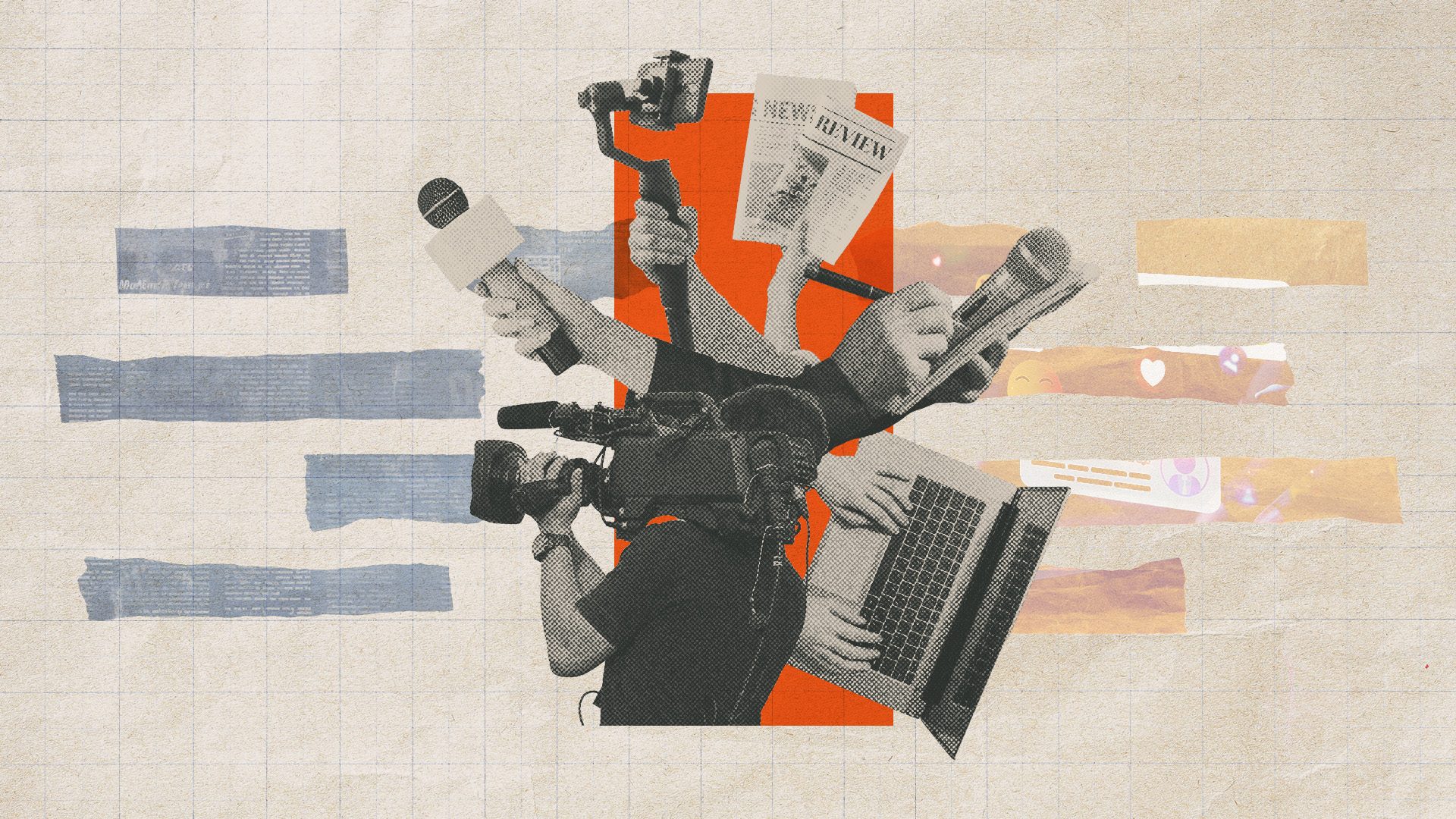
‘Nearly all Mainstream Media houses are seeking to imitate business models built around reels, personality cults, tantalising clickbait, algorithmically driven advertisement models, and also by piggybacking on Big Tech, which is controlling technology and capital at an unprecedented rate. All this will only hasten the decline of Mainstream Media.’
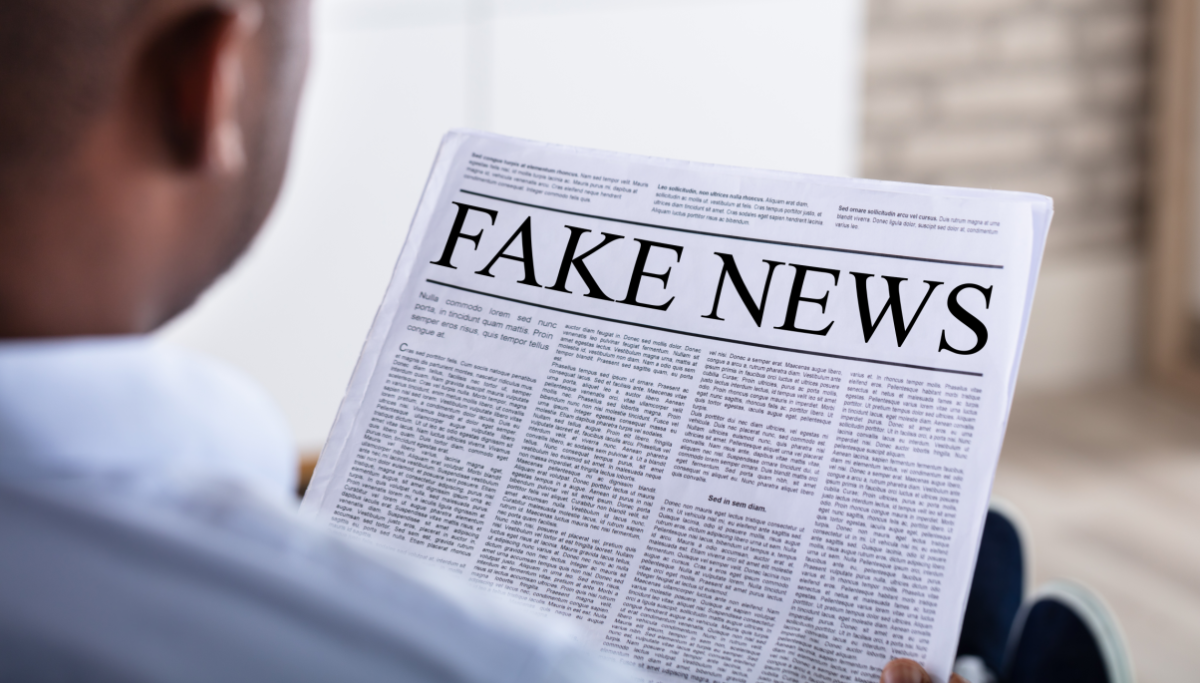
| Photo Credit: Getty Images/iStockphoto
The horizontal flow of information across peers on Social Media (SM) is turning out to be more impactful than its vertical flow from a source of authority to the mass audience, as it happens through Mainstream Media (MSM). SM has on the one side democratised information and held authorities accountable, but on the other hand it has created an information anarchy that generates social and political chaos. This crisis, and state attempts to manage it, is evident in the ban on the Telegram app. Public awareness about the NEET question paper leak and issues related to the evaluation of CBSE answer sheets — and reactions to them — were largely shaped by social media. Some students who were directly affected figured out and explained the issues much better than MSM; but in parallel, tons of misinformation also got circulated, creating panic.This information crisis is evident to all, but nobody has figured a way out of it. Among the critical responses to the situation must be a restoration of the professionalism and independence of MSM, which is impossible without a robust business model. The present crisis is that the public berates MSM but trusts SM forwards from any source — free rubbish. MSM has to recreate itself in such a manner that the public not only trusts it, but also pays for the information and analysis that it provides. And people who lament the fall of MSM must commit to pay for news, and put their money where their mouth is.MSM platforms and journalists have been trying to imitate SM in creating polemics and polarising content in order to beat it. They no longer seek to fulfil the traditional role of being an independent mediator of information for the public good; instead, they seek to profit from the prejudice and ignorance of the public, which is anyway being inflamed by SM. In this manner, SM and MSM are both contributing to the chaos. Nearly all MSM houses are seeking to imitate business models built around reels, personality cults, tantalising clickbait, algorithmically driven advertisement models, and also by piggybacking on Big Tech, which is controlling technology and capital at an unprecedented rate. All this will only hasten the decline of MSM.What appears to be a good sign for MSM is an apparent, though only partial, realisation across political, business and state actors that MSM has a critical role to play in social stability and good governance. While the practice of bypassing MSM to avoid scrutiny will certainly continue, managing governance requires a trusted MSM. During Operation Sindoor this fact was evident, when channels behaved like SM trolls and created a diplomatic embarrassment for the country. The current controversies around exams could have been better managed if there had been proper communication between the government and the public. Before SM, the practice of beat reporting ensured that authorities would explain their plans and set out what students, teachers and other stakeholders should expect when a policy was rolled out. The deliberate weakening of such communication between the government and the public may help avoid accountability, but it also creates governance crises.This is hence an opportunity for MSM to reimagine itself. What it needs is a business model in which the user pays — that is both a market imperative and a democratic one. Instead of playing defence against SM and Big Tech — which have already decimated conventional advertisement-driven media — and seeking crumbs from the very forces that are destroying it, MSM must assert its role, function and value, both in terms of social impact and money.Consumers should be paying for news, for news to remain credible. Those who consume free information are paying a huge price for it in terms of social and political impact — and in many cases at a personal level too. For instance, those who adopt quick health fixes obtained from SM can end up in serious medical situations. Media is, and can only be, free when the user is paying for it. Published - June 19, 2026 12:41 am IST