(Image credit: Tom's Guide / Lucy Scotting)
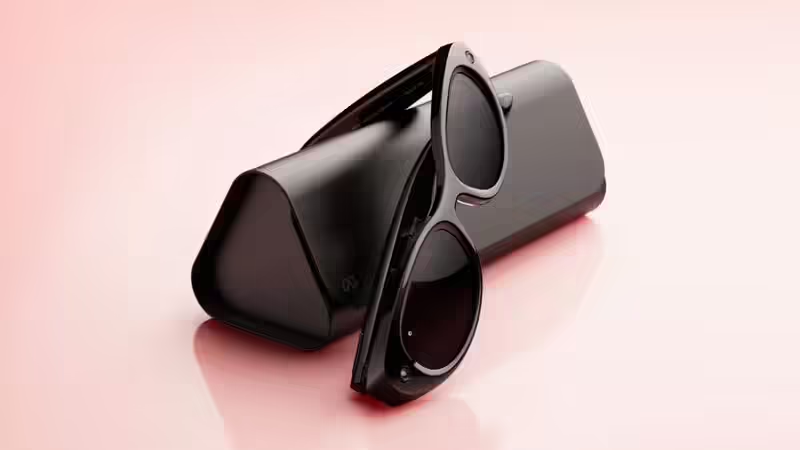
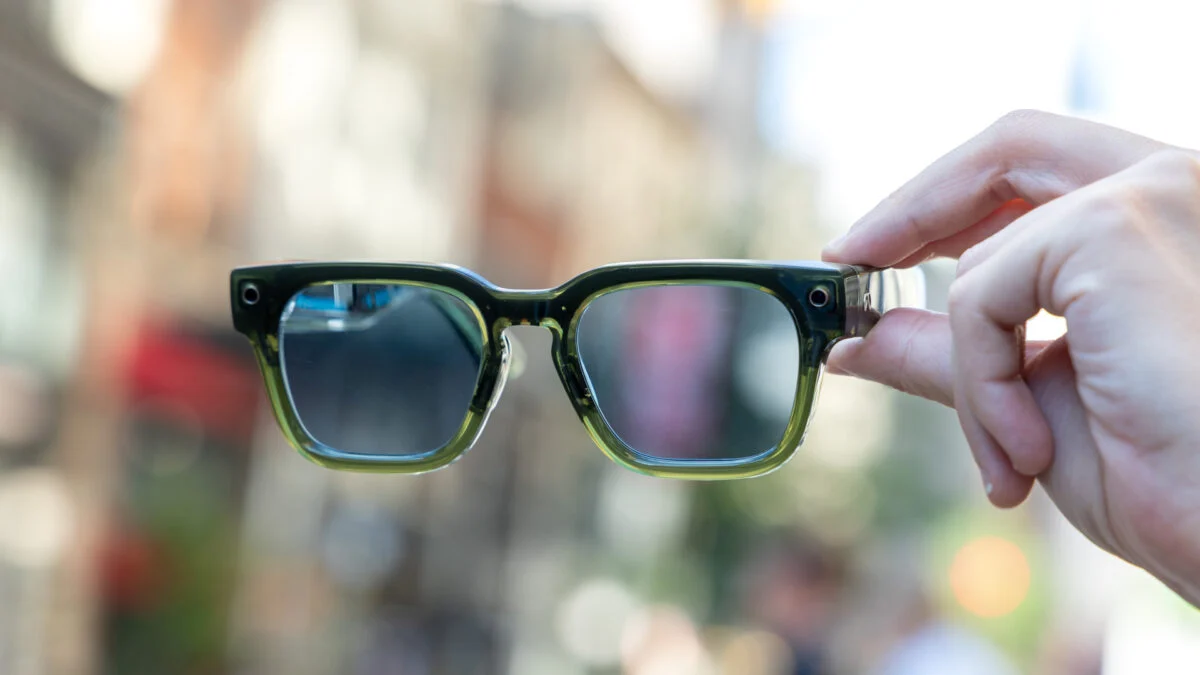
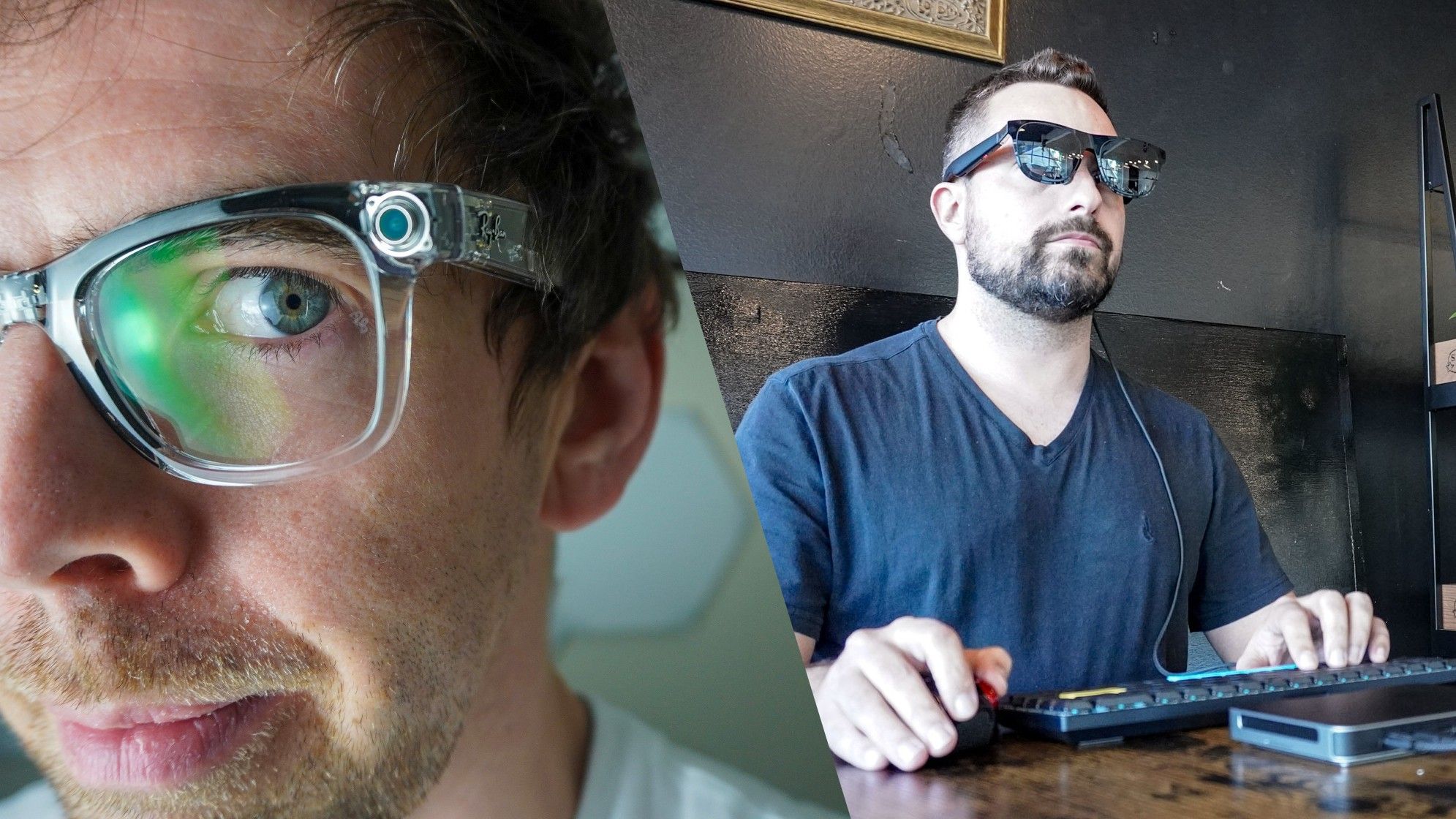
As someone who is largely (if not always) inseparable from my iPhone's camera, the desire to test out Meta's elusive AI glasses was a natural next step. To me, in theory, using the smart wearables would take away the undeniable glue keeping my fingers around my phone, and let me capture, navigate and communicate all while using a screenless device — which is pretty rare in today's world.Over the course of a month, I got my hands on the Meta Oakley Vanguard glasses and the Meta Ray-Ban Wayfarer Gen 2 glasses, with higher hopes than most, seeing the pairs had gotten rave reviews from my colleagues across Tom's Guide and TechRadar. But within 24 hours of receiving the pairs, my perspective on what was supposed to be a cool, fun wearable gizmo turned a little sour. Let's dive into it.Privacy concerns were rife from the jump
(Image credit: Tom's Guide / Lucy Scotting)Meta was sued over privacy claims in early March, with users reporting concerns about the use of human contractors to review footage taken by the glasses. These reports surfaced less than 24 hours after receiving my review units, which was definitely not perfect timing. According to the reports, ICYMI, contractors at Sama, a Kenyan subcontracting firm employed by Meta, say some of the footage they're asked to review includes:People using the bathroom or changing clothesUsers' credit card details captured mid-transactionSexual content, either viewed or recorded by the wearerFootage of people in their bedrooms, captured after a wearer set down their glasses without turning them offYou might ask, 'well how does this happen?', but it's as simple as saying Meta's magic words. When a user says, "Hey Meta, what am I looking at?", that footage can be flagged and sent for human review. This happens as a way to train the AI model on analysing scenes/scenarios. However, this content isn't being captured behind users' backs; it's footage that users themselves triggered, but often without realising it would be seen by a human being overseas.This is also largely outlined in Meta AI's T&Cs, which state that the company can "review your interactions with AIs" via "automated or manual (human) review." But that language is hidden deep within the document, and most users have never read it. And there's even further cause for concern as some Meta employees have confirmed that anonymity doesn't always work, so faces can remain visible to Meta workers when reviewing footage.I tried my best to avoid unintentionally recording, and followed suggested best practices — like disabling cloud processing and checking privacy settings. Privacy concerns aside, my time with the Meta AI glasses didn't shape up to be everything I hoped it would be… and it all started with the app.App-solutely not