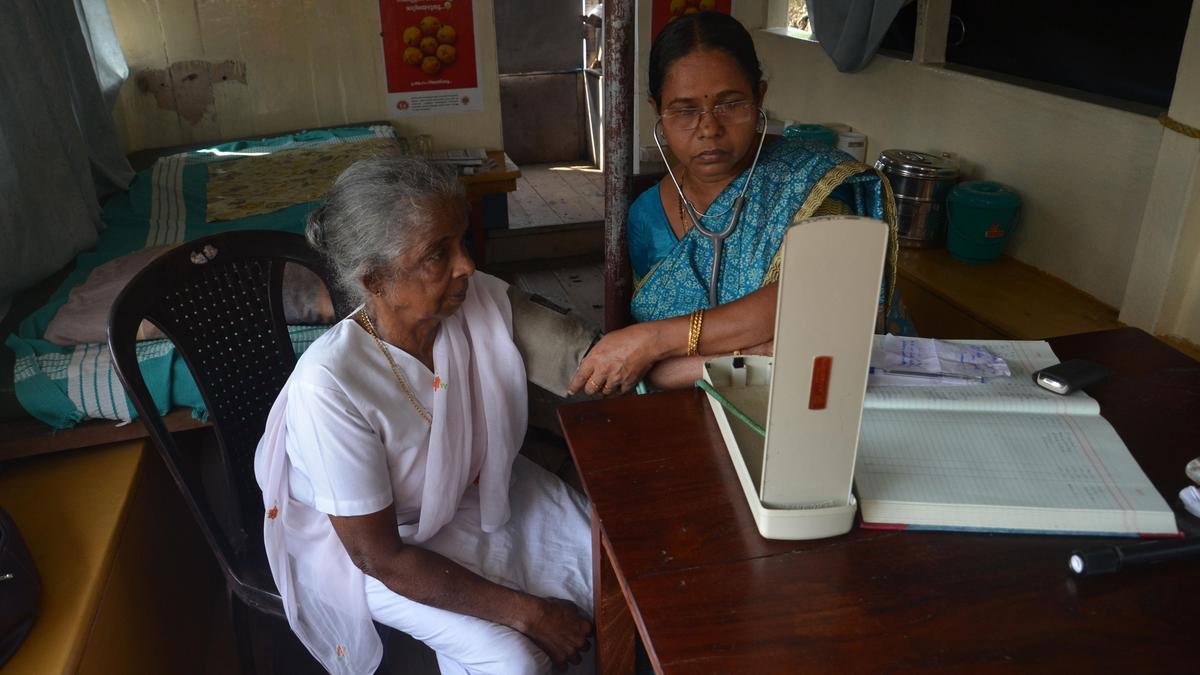
Every year on July 1, India celebrates National Doctors Day. This year’s theme, ’Honour the calling’, is a timely reminder that medicine is not merely a profession but also a lifelong commitment to service, sacrifice, and human compassion. Behind every consultation, surgery, emergency intervention, and diagnosis is a doctor who has spent years training to save lives. Yet, at a time when healthcare has made remarkable advances, trust in doctors appears to be facing one of its greatest tests. With nearly 14 lakh registered doctors, the country’s doctor-population ratio is better than the World Health Organization’s recommended 1:1,000. However, the numbers alone do not tell the full story. India continues to grapple with unequal access to healthcare, overburdened public systems, and a shortage of specialists in rural and semi-urban regions.At the same time, the demands on doctors have never been greater. A physician today is expected to be a clinician, counsellor, communicator, technologist, administrator and, often, a crisis manager. Every day, doctors make decisions that can influence recovery, survival, and long-term outcomes.Despite this responsibility, public perception is increasingly shaped by isolated incidents rather than the millions of successful patient interactions that take place every day. The reality is that most doctors enter medicine for one reason — to heal. Yet they do so under immense pressure. Studies and data referenced by the Indian Medical Association indicate that more than 75 per cent of doctors in India have faced workplace violence ranging from verbal abuse to physical assault. Long working hours, rising patient load, medico-legal concerns, and fear of violence have contributed to significant stress and burnout among healthcare professionals.Compounding the challenge is a growing trust deficit. Research suggests many patients search online after visiting a doctor, often seeking validation or clarification about diagnoses and treatment plans. While informed patients are welcome, this trend also reflects a communication gap that healthcare must address.Healthcare itself has transformed dramatically over the past two decades. Advances in neonatal care, robotics, fertility treatment, minimally invasive surgery, artificial intelligence, and precision medicine have improved outcomes, once unimaginable. Patients today have access to world-class healthcare technologies that were unavailable a generation ago.However, as healthcare becomes more specialised and hospital-centric, something valuable has been lost in the process — the enduring relationship between a patient and a trusted family physician. For decades, family doctors formed the backbone of healthcare. They understood not only diseases but also the people behind them. They guided families through preventive care, chronic illnesses, pregnancies, childhood illnesses, and ageing.Today, many patients enter the healthcare system only when illness strikes, often bypassing primary care altogether. As a result, healthcare excels at treatment but frequently misses opportunities for prevention. This is perhaps why social media and quacks are becoming popular — this can be countered through patient educational material from health authorities.The way forward lies not in assigning blame but rebuilding trust. India must strengthen primary healthcare, invest in family medicine, promote preventive care, and ensure a safer working environment for healthcare professionals. Hospitals and providers must also focus on improving communication, transparency, and patient engagement.Doctors are not defined by headlines or stereotypes. They are defined by the lives they save, families they comfort, and hope they restore every day. Medicine is not merely a profession. It is also a promise that deserves our trust, respect, and protection.
Honour the calling, rebuild trust in healthcare
Explore the significance of National Doctors Day and the urgent need to rebuild trust in India's healthcare system.
599 words~3 min read