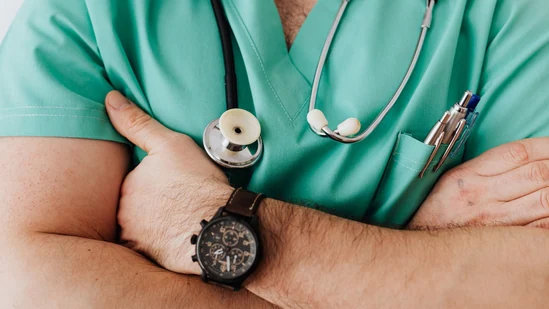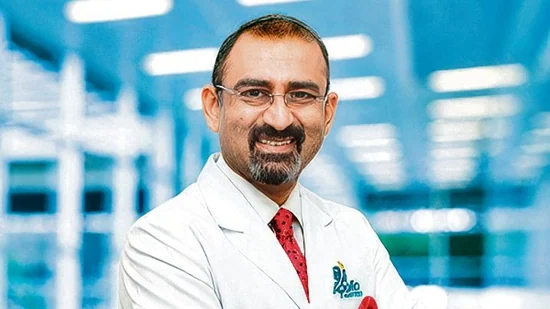
Doctors and patients need to work together to make a healthy society. Dr Anurag Saxena shares three things that people need to know to help in the effort. Every year, National Doctors’ Day is observed on July 1 to recognise the role that medical practitioners play in shaping a healthy society.National Doctors' Day is observed on July 1 every year. (Pexel)Speaking with HT Lifestyle on the occasion, Dr Anurag Saxena, Cluster Head Delhi / NCR - Department of Neurosurgery and Consultant Spine Surgeon, Manipal Hospital Dwarka, New Delhi, shared three things that doctors wish their patients would be aware of to help them do their job better.Also Read | Pulmonologist lists 10 health habits doctors follow in their own lives ahead of Doctors’ Day 2026“Every consultation with a patient is more than just giving a prescription; it is a conversation built on trust, compassion, and a shared goal of better health. While doctors are often recognised for treating illness, a significant part of their role lies in helping people prevent disease, recognise warning signs early, and make informed decisions about their well-being,” he noted.According to Dr Saxena, good health is shaped by the choices we make every day. A balanced diet, regular physical activity, adequate sleep, stress management, and avoiding tobacco and excessive alcohol are not merely lifestyle recommendations; they are powerful tools that reduce the risk of conditions like diabetes, hypertension, heart disease, stroke, and several neurological disorders.The three things that the neurosurgeon wishes people to know before it is too late are as follows.1. Why regular health check-ups matterRegular health check-ups are important, especially for people with chronic conditions. (Pexel)For people who already live with chronic conditions like diabetes or high blood pressure, regular health check-ups are just as important as taking medication, believes Dr Saxena.“Many diseases progress silently before symptoms become apparent. Routine screenings and timely follow-ups allow doctors to detect complications early, when treatment is often simpler, more effective, and can prevent long-term health problems,” he stated.2. How recognising warning signs can save livesIn healthcare, time often becomes a critical factor. In situations like stroke, traumatic brain injuries are medical emergencies, every minute matters. The early period is referred to as the “golden hour” by the doctors, as prompt treatment can significantly improve recovery and reduce the risk of permanent disability.“Recognising early warning signs, such as sudden facial drooping, weakness in an arm or leg, slurred speech, loss of balance, or difficulty with coordination, and seeking immediate medical care can save lives,” highlighted Dr Saxena.3. Why self-diagnosis is riskier than one thinksAccording to Dr Saxena, a growing concern for the medical fraternity is the tendency of people to self-diagnose using information found online.“While the internet has made health information more accessible than ever before, it cannot replace a doctor's clinical judgement or a thorough physical examination,” he shared.“Self-medication or delaying a consultation based on online information may allow a treatable condition to worsen. When symptoms are persistent, severe, or unusual, there is no substitute for seeking professional medical advice.”As the neurosurgeon pointed out, “One of the most rewarding moments in a doctor's career is not only helping a critically ill patient recover, but also seeing someone remain healthy because a disease was prevented or detected early. That is the true strength of modern healthcare, a bond between doctors and patients built on awareness, prevention, and timely action.”Note to readers: This article is for informational purposes only and not a substitute for professional medical advice. Always seek the advice of your doctor with any questions about a medical condition.Debapriya Bhattacharya is a Content Producer at Hindustan Times. He started his career in 2022, working in newsrooms in beats like education, US news, trending stories, and entertainment. In his new role in the lifestyle desk, he seeks to deliver a balanced blend of research-driven reporting and creative storytelling from health and recipes to art and culture. Science, philosophy, food and pop culture are what pump his veins and help bring heart to his stories. Debapriya tries to see out subjects that will allow him and readers to explore new frontiers and improve the quality of life for all. The explorations can be both external and internal, as thoughts seek to be as chaotic as the greater universe. As a citizen of the world, Debapriya has been fascinated by the lives of people across the globe throughout time. His curiosity leads him to explore new linguistic and cultural landscapes to broaden his horizons and deepen his understanding of global narratives. Beyond the newsroom, Debapriya loves to participate in debate and theatre, spaces that he considers to be holy grounds for nuance and self-expression. A graduate from Ashutosh College, University of Calcutta, Debapriya completed his Master's degree from the same university in 2022. An ambiverted bibliophile, he loves his solitude as much as he adores stimulating conversations. And despite his reverence for tech, libraries continue to be his favourite place for research.Read MoreDoctorHealthCatch every big hit, every wicket with Crick-it, a one stop destination for Live Scores, Match Stats, Quizzes, Polls & much more. Explore now!.Catch your daily dose of Fashion, Taylor Swift, Health, Festivals, Travel, Relationship, Recipe and all the other Latest Lifestyle News on Hindustan Times Website and APPs.See Less
Neurosurgeon reveals what every doctor wishes patients knew before it’s too late
Doctors and patients need to work together to make a healthy society. Dr Anurag Saxena shares three things that people need to know to help in the effort. | Health
872 words~4 min read