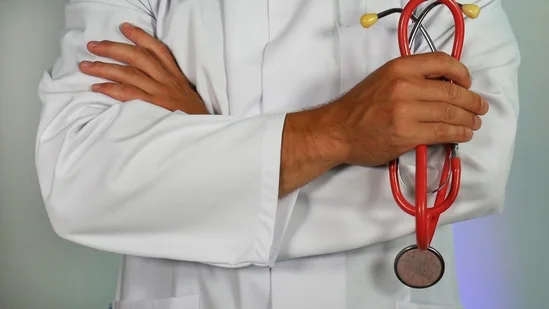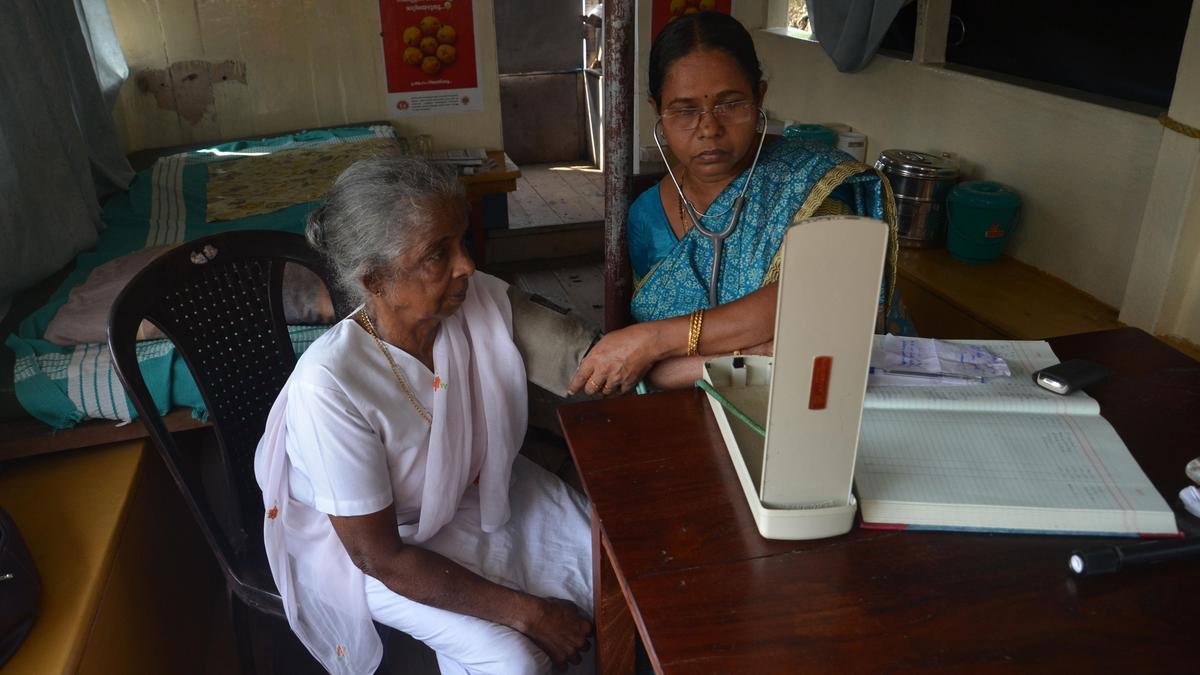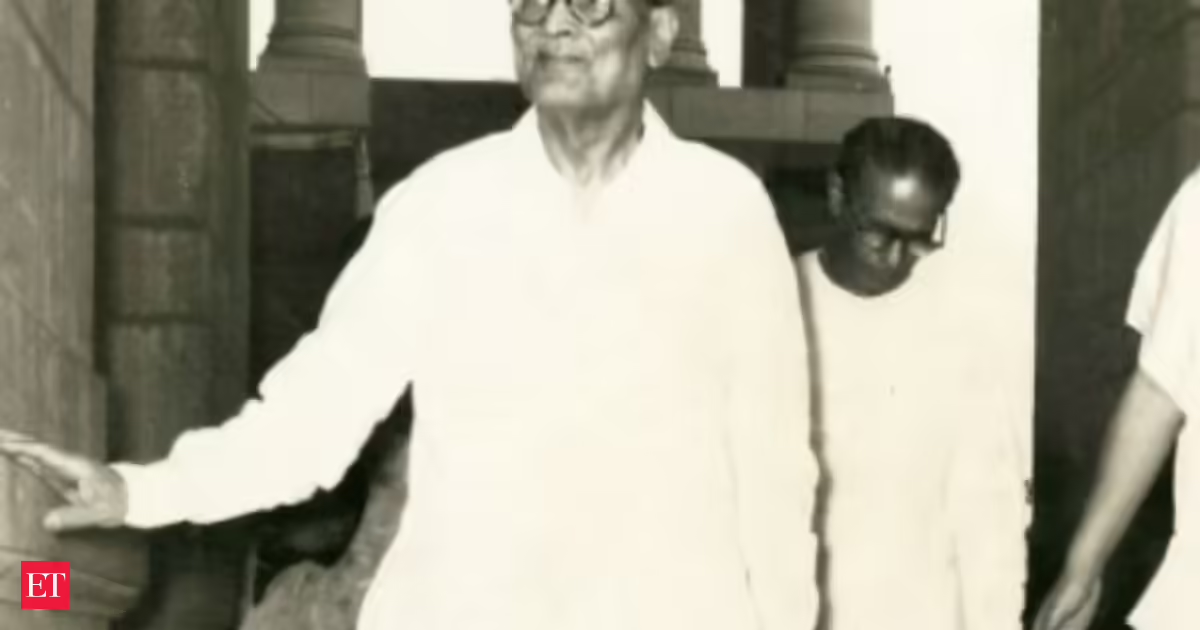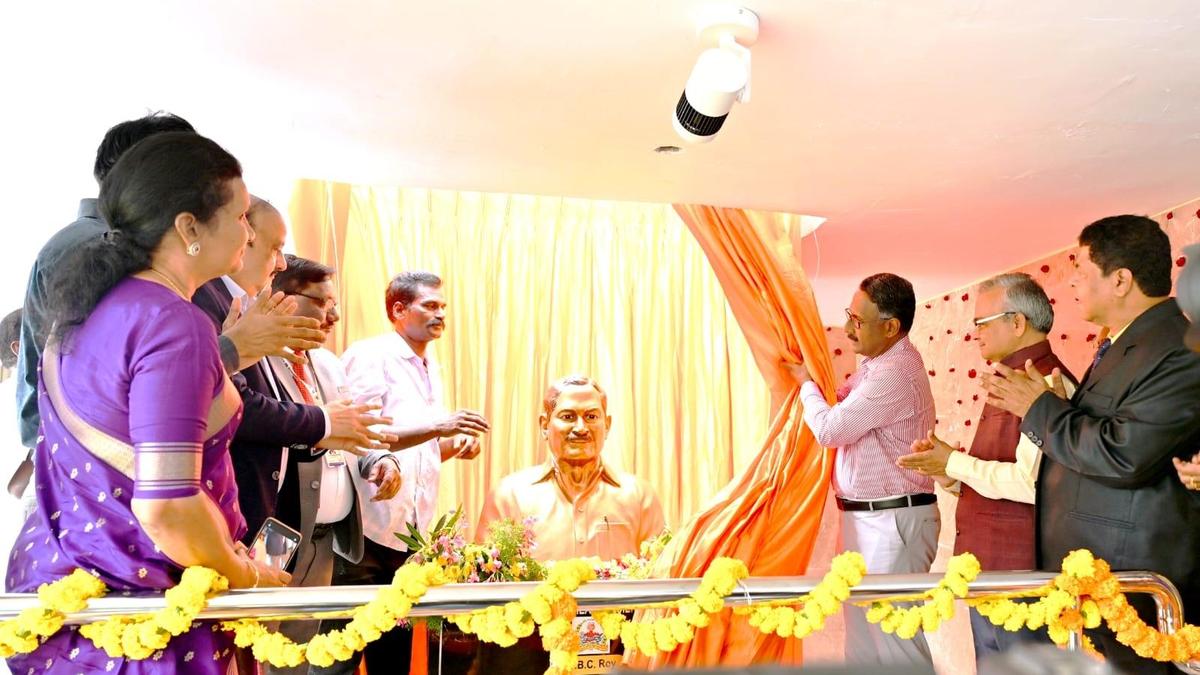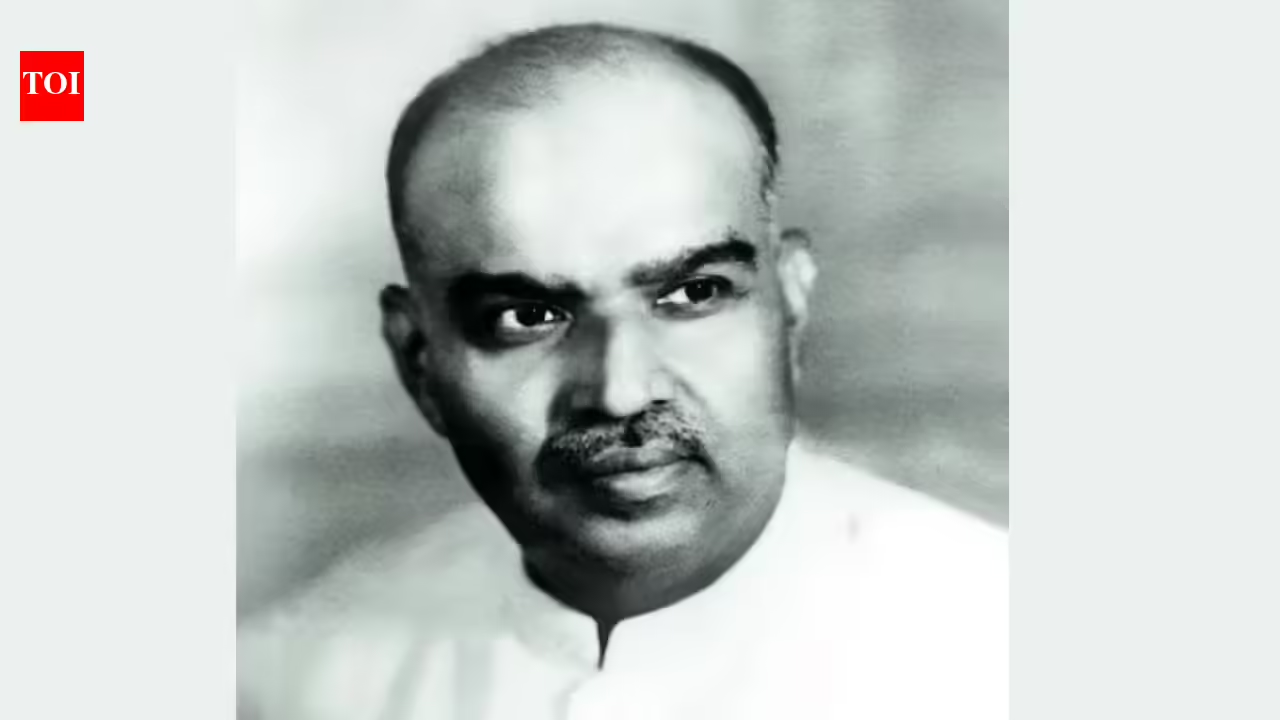
Every year on the first of July, India reaffirms its respect and gratitude for its doctors, individuals who have devoted their lives to the service of others. National Doctor's Day, observed in memory of Dr Bidhan Chandra Roy, physician, statesman and healer, is more than a commemorative occasion. It also serves as a reminder of the profound trust that society places in those who care for us through illness, uncertainty and some of life's most vulnerable moments. Yet this day is also an opportunity to reflect on the people behind the profession. Behind every diagnosis, every intervention and every act of care is a human being carrying responsibilities and pressures that often remain unseen. Doctor (Unsplash/Representational Image)Belonging to a health care family, I have spent the better part of four decades working alongside doctors. I have watched them arrive before dawn, stay through the night with patients when needed, and carry the weight of decisions no protocol can fully prepare you for. However, their unwavering commitment to caring for others often comes at a significant personal cost. Doctors face disproportionately high levels of stress, depression and burnout and many of them delay seeking care for themselves, often relying on informal consultations with colleagues rather than formal medical attention. Professional culture, long working hours and a deeply ingrained sense of self-reliance frequently discourage them from prioritising their own wellbeing. The incidence of lifestyle diseases, including cardiovascular conditions exacerbated by chronic stress, sleep deprivation and neglect of their own health, is also rising amongst doctors. This reveals a deeper contradiction. A system that continually extracts from its caregivers without replenishing them is not truly a system of care. It is an engine running on borrowed time.Here is something that should be said plainly, from an institution that prides itself on preventive care--India needs a structured, mandatory health check programme for its doctors. It must not be a voluntary initiative but a genuine, funded and destigmatised national effort. We cannot ask doctors to be custodians of population health while leaving their own health entirely to chance and self-discipline.Such a programme should extend beyond routine diagnostics. It should include cardiovascular risk assessment, metabolic screening, mental health evaluation, sleep health monitoring and structured follow-up care. The objective is not merely to detect illness early, but to build a culture in which prevention becomes a professional norm for those who practise it every day. The first step is straightforward. Every hospital and healthcare institution in the country, public and private, should mandate annual comprehensive health screenings for its clinical workforce. Alongside, we must create safe disclosure environments where seeking help is regarded as a mark of professional wisdom, not weakness. At Apollo Hospitals, annual health screening for doctors and all employees has long been an integral part of our approach to workforce wellbeing. It reflects our belief that the wellbeing of caregivers is inseparable from the quality of care they provide. This is also so, because healthcare is ultimately a human endeavour. While Artificial Intelligence (AI) is transforming the future of medicine, it is ‘Authentic Intelligence’ --the judgement, empathy, and wisdom of our doctors that remains the true differentiator. Technology may augment care, but it is our doctors who inspire trust, provide reassurance, and make healing possible.Supporting doctors is not only about addressing today's challenges. It is equally about preparing them for a future that will demand new skills, new ways of working and new forms of leadership. As we address the present, the future is arriving quickly.The Indian doctor of 2030 will practise in a world that looks very different from today's. AI will increasingly support clinical decision-making, administrative workflows, research, patient engagement and personalised care. Advances in robotics, genomics and digital health will continue to reshape how medicine is practised and experienced. Our physicians will be more specialised, more connected and equipped with capabilities that previous generations could scarcely have imagined.This is not a threat to the doctor. It is an extraordinary opportunity, but only if we invest in it with intent, and only if the doctors stepping into this future are healthy enough, supported enough and purposeful enough to lead it. Institutions that make these investments now will define Indian healthcare for the next generation. Those that wait will find themselves perpetually catching up in a field that does not pause.Technology, however remarkable, is not sufficient on its own. The great paradox of augmentation is that the more machines can do, the more essential the human dimensions of medicine become, whether empathy, moral judgement, or the capacity to sit with a frightened patient and offer not just a diagnosis, but dignity and presence. Cultivating a sense of purpose, the deep why behind choosing medicine, must therefore be as intentional as cultivating clinical skill.Dr Bidhan Chandra Roy was a doctor long before he became a statesman, and he never lost sight of what that meant. He understood medicine as a covenant, a bond of trust between the healer and the healed.On this Doctor's Day, I want to extend that covenant. If doctors give their knowledge, their time, their compassion and, in too many cases, their own health, then we, as institutions, policymakers and society, owe them something in return. We owe them the dignity of being seen as people before they are professionals. In an era when conversations are increasingly dominated by AI and the cost of everything, we must not lose sight of the value of human care. If we cannot value the people who care for us, how can we preserve the dignity of medicine itself?Therefore, most importantly, we owe them systems that sustain them, just as they sustain us. To every doctor reading this, I want to reiterate that we see what you carry. We see what is behind the mask, and we are committed to building a future worthy of your sacrifice.Happy National Doctor's Day.This article is authored by Suneeta Reddy, managing director, Apollo Hospitals Group.
Caring for those who care for the world
This article is authored by Suneeta Reddy, managing director, Apollo Hospitals Group.
986 words~4 min read