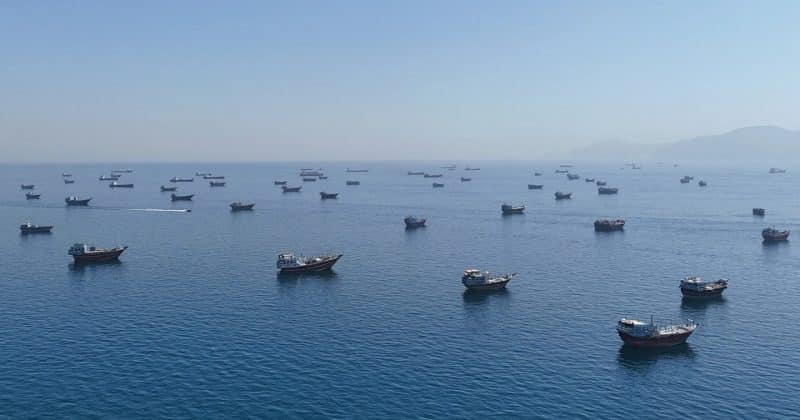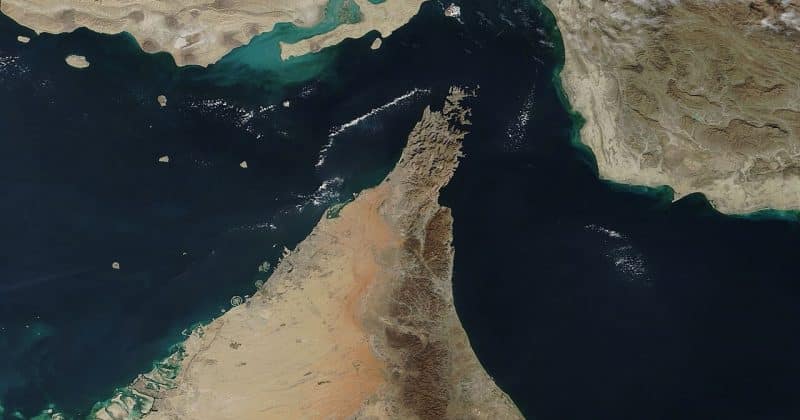
The United States and Iran have signed a memorandum of understanding aimed at halting hostilities around the Strait of Hormuz, the narrow waterway that handles roughly 20% of the world’s oil trade. The agreement, brokered by Pakistan and Qatar, establishes a 60-day window for formal peace negotiations.
For crypto markets, the reaction was swift. Bitcoin briefly surpassed $65,000 as traders priced in the possibility that one of the most destabilizing geopolitical conflicts of 2026 might actually wind down.
Here’s the thing, though: US military strikes against Iranian targets near the Strait occurred as recently as June 27, more than a week after the MoU was reportedly signed around June 17. The ink was barely dry, and both sides were still shooting.
A war that rattled global supply chains
The 2026 Iran War, which began escalating in late February, has been a slow-motion crisis for global energy markets. The Strait of Hormuz is not some obscure chokepoint. It is the single most important bottleneck in global oil logistics, a channel so narrow and so critical that any disruption there sends shockwaves through commodity prices worldwide.