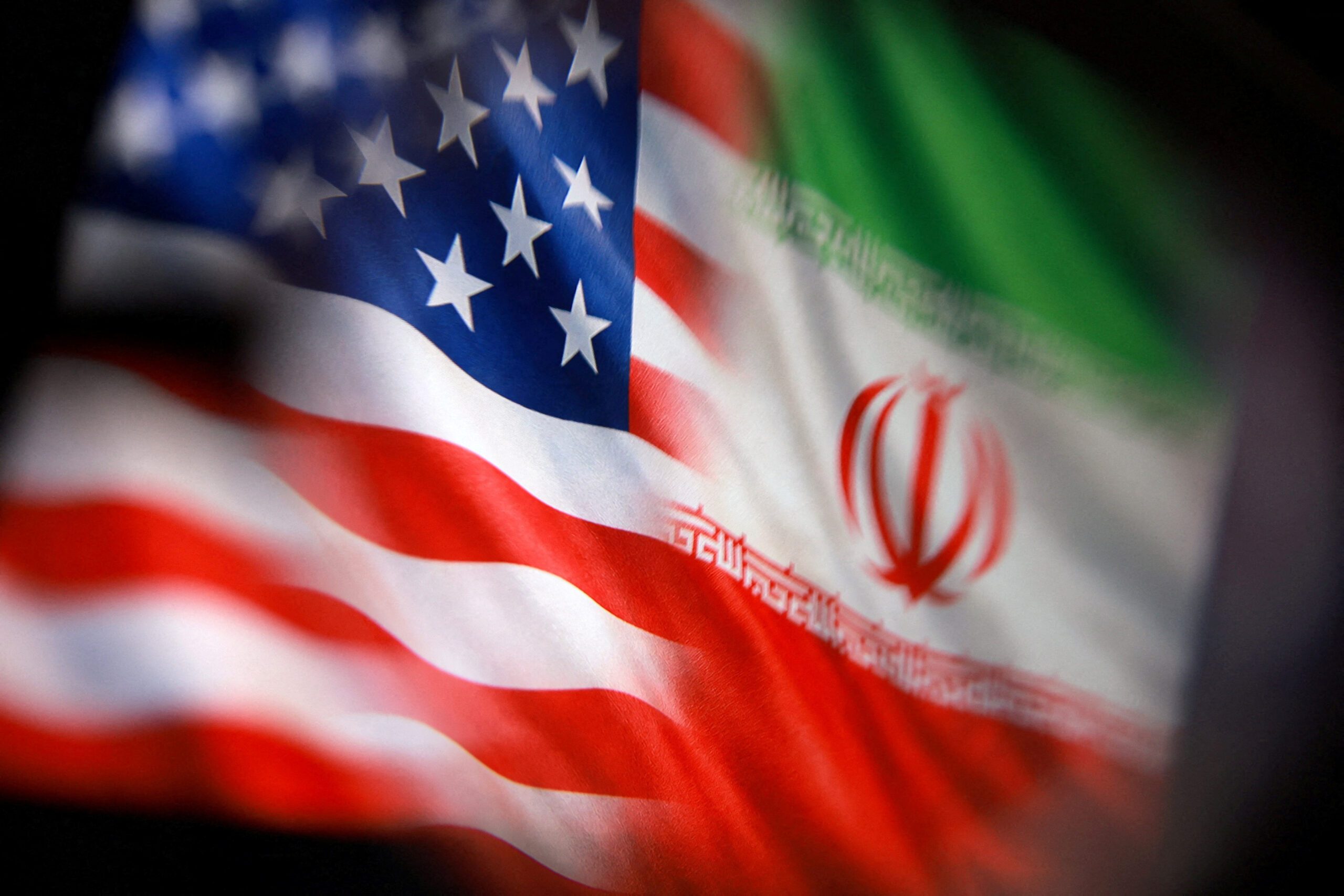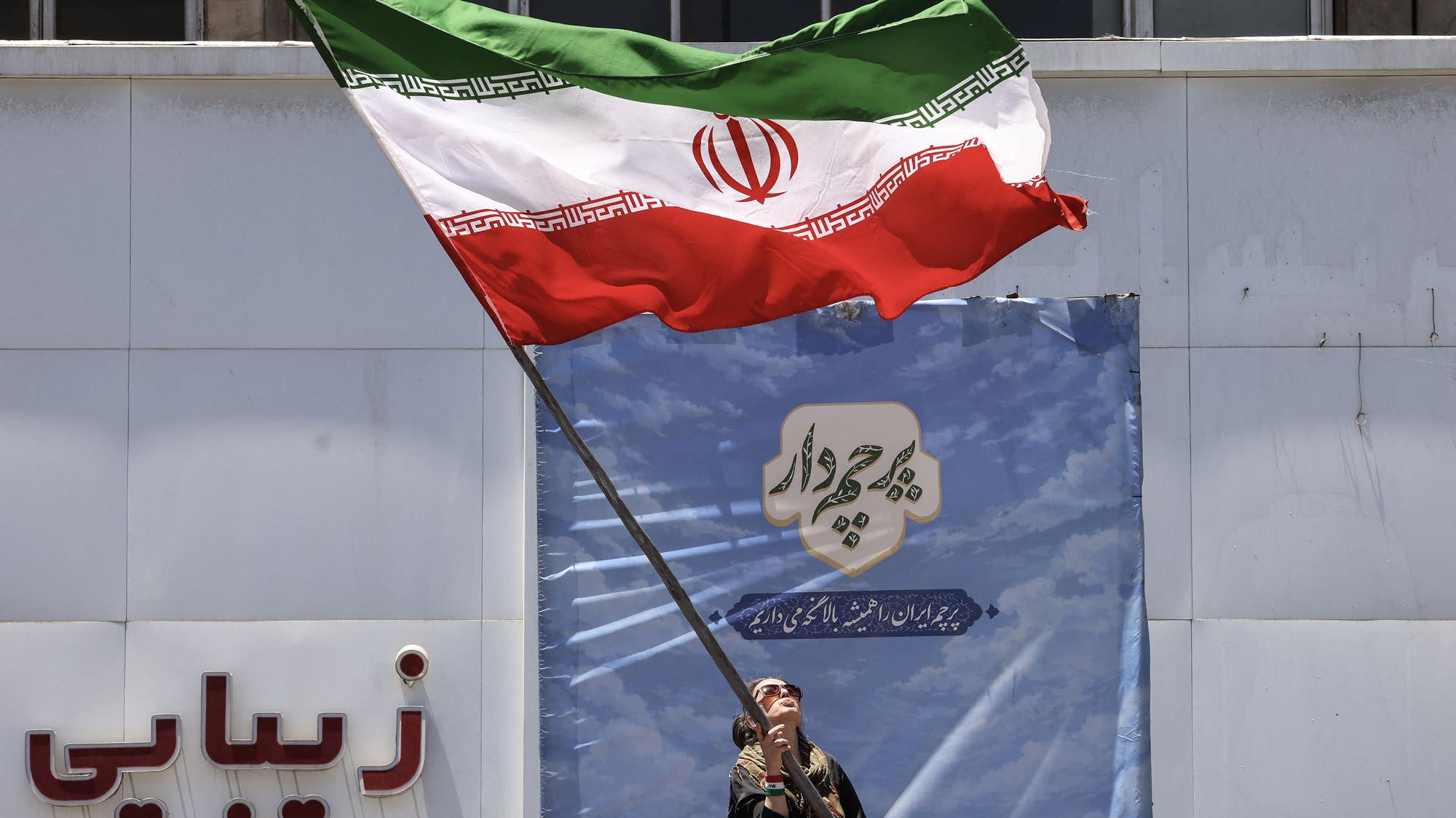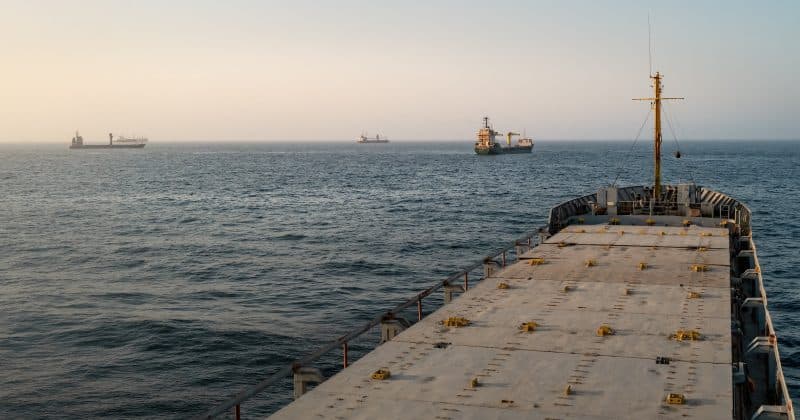
The United States and Iran are pressing forward with technical negotiations following their landmark memorandum of understanding, with both sides agreeing to allow vessels to move freely through one of the world’s most critical shipping lanes.
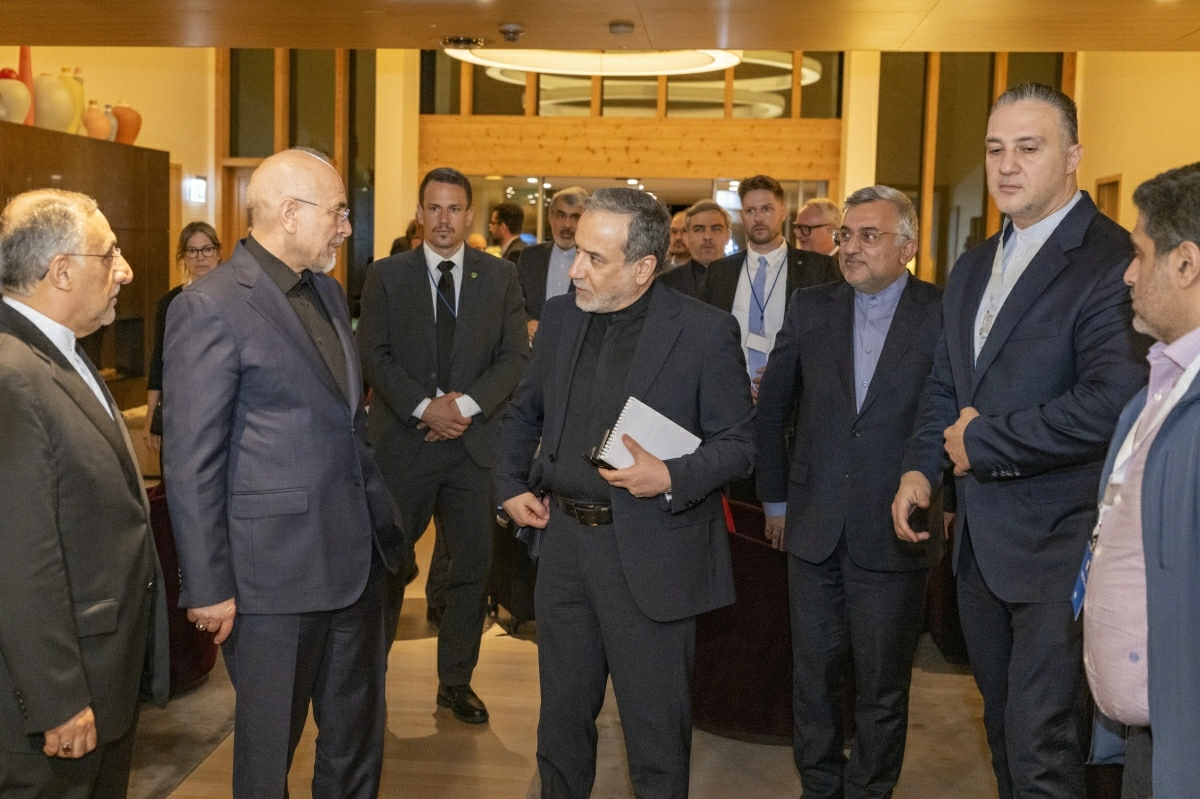
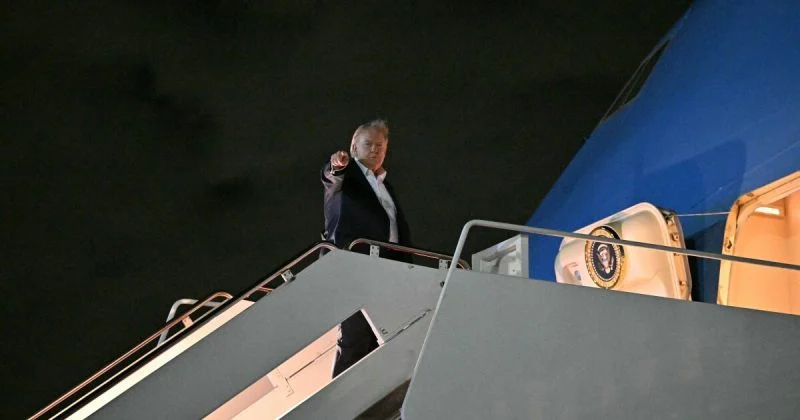
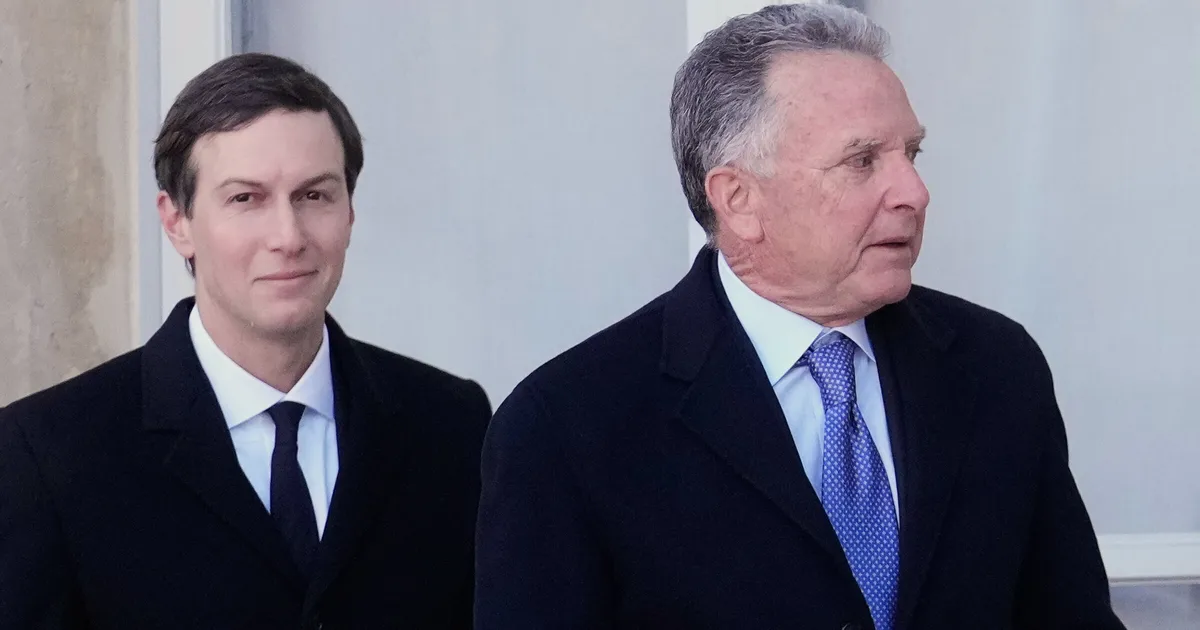
The talks, which kicked off June 21 in Switzerland, represent the operational phase of the 14-point Islamabad MOU signed on June 17 by US President Donald Trump and Iranian President Masoud Pezeshkian. Qatar and Pakistan are serving as mediators. The two nations now have a 60-day window to hammer out the details on some of the thorniest geopolitical questions of the past two decades.
What the Islamabad MOU actually says
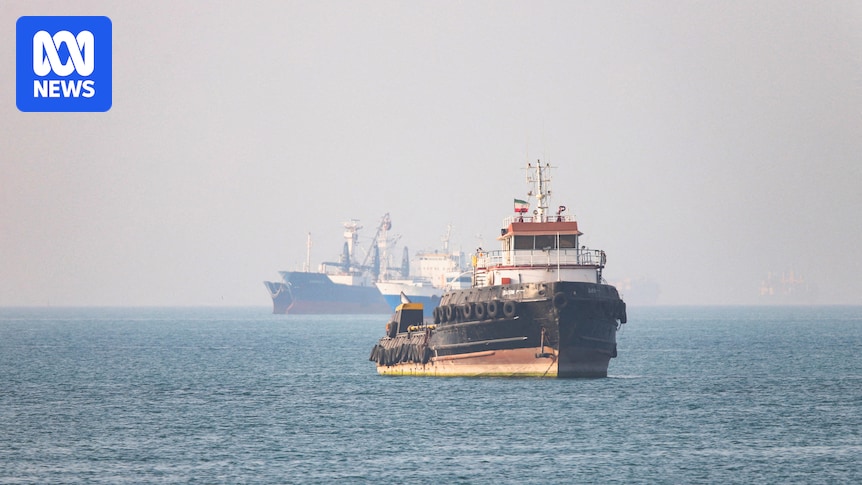
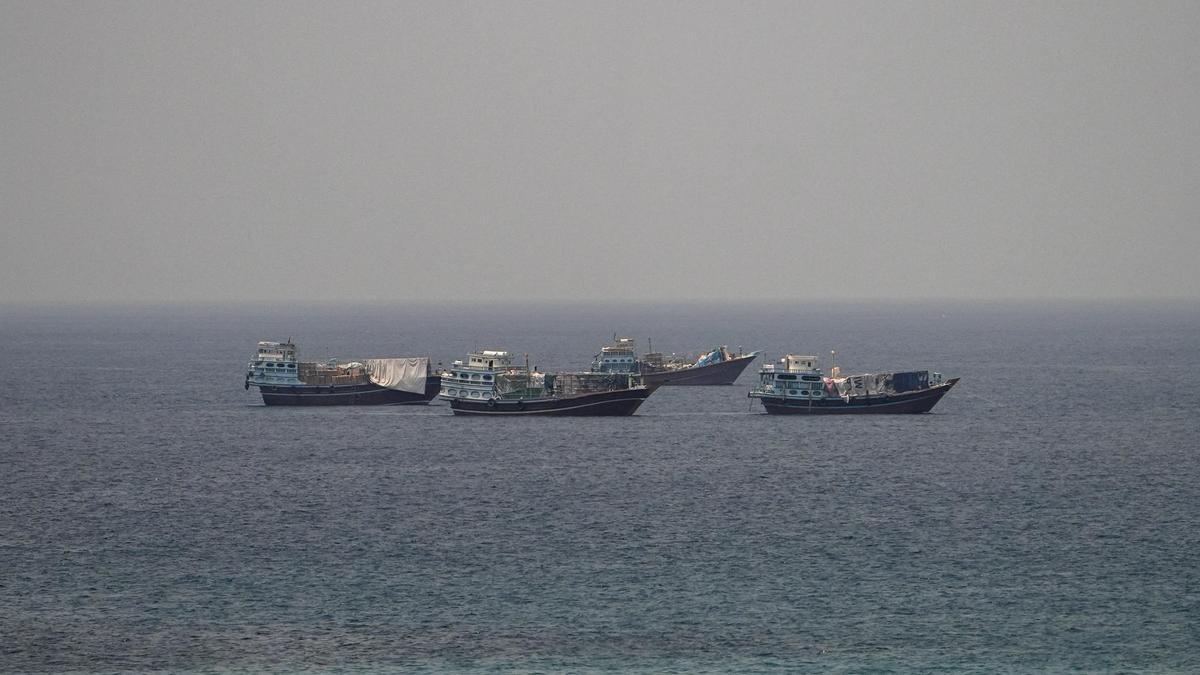
The framework commits both sides to ending military strikes, with the US agreeing to lift its naval blockade within 30 days. Iran, for its part, has pledged to guarantee safe passage for commercial vessels through the Strait of Hormuz for an initial 60-day period.
That hard stuff includes Iran’s nuclear program, sanctions relief, and the eventual disposition of frozen assets. The MOU explicitly defers Iran’s ballistic missile program to later negotiations. Asset releases are contingent on final agreements being reached.