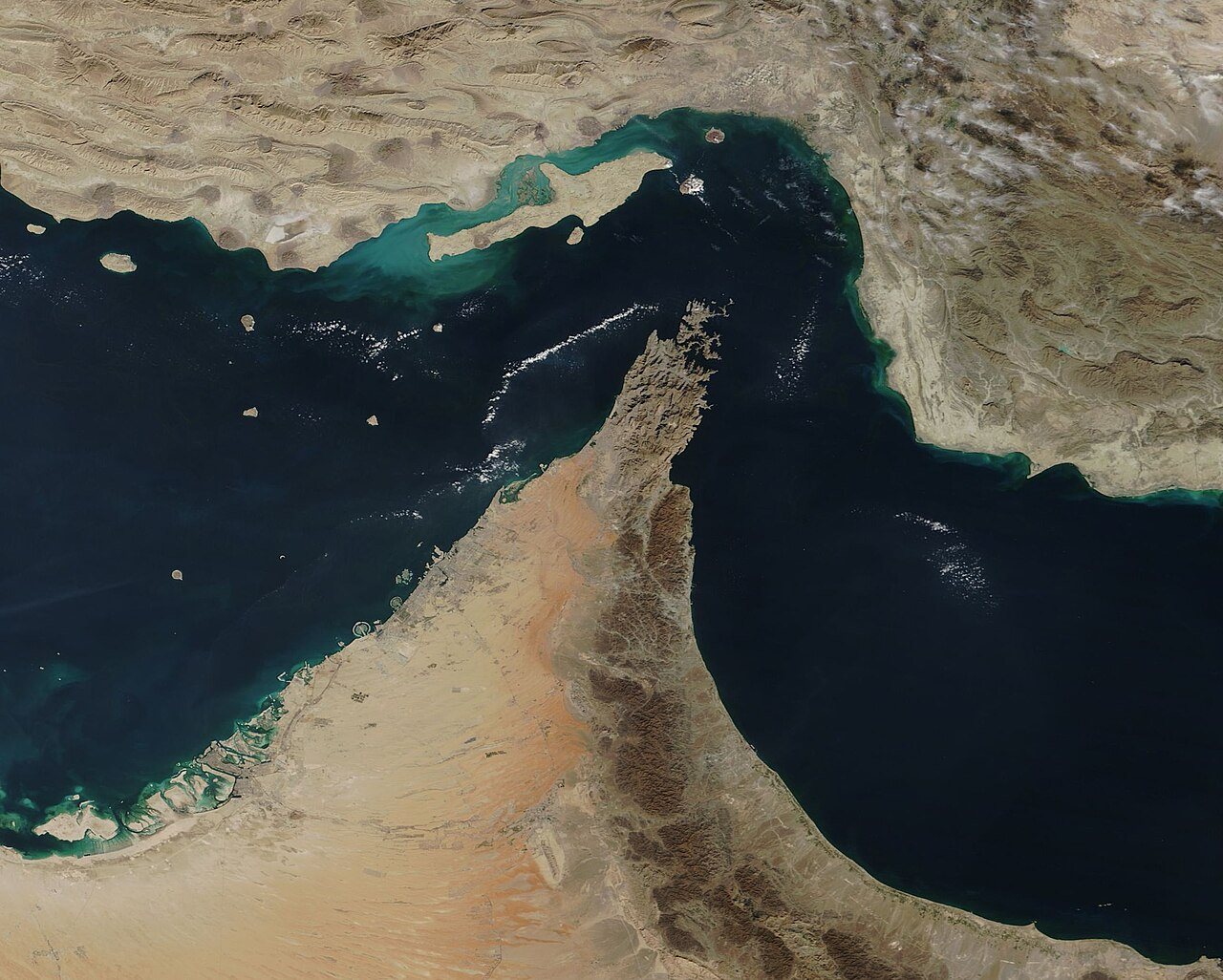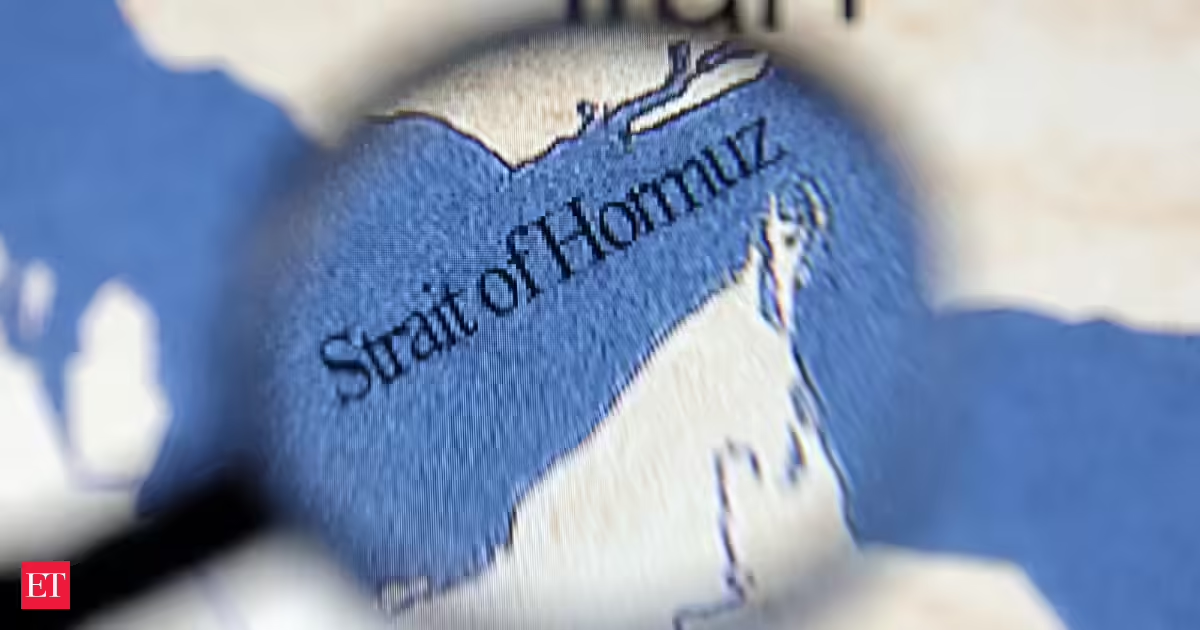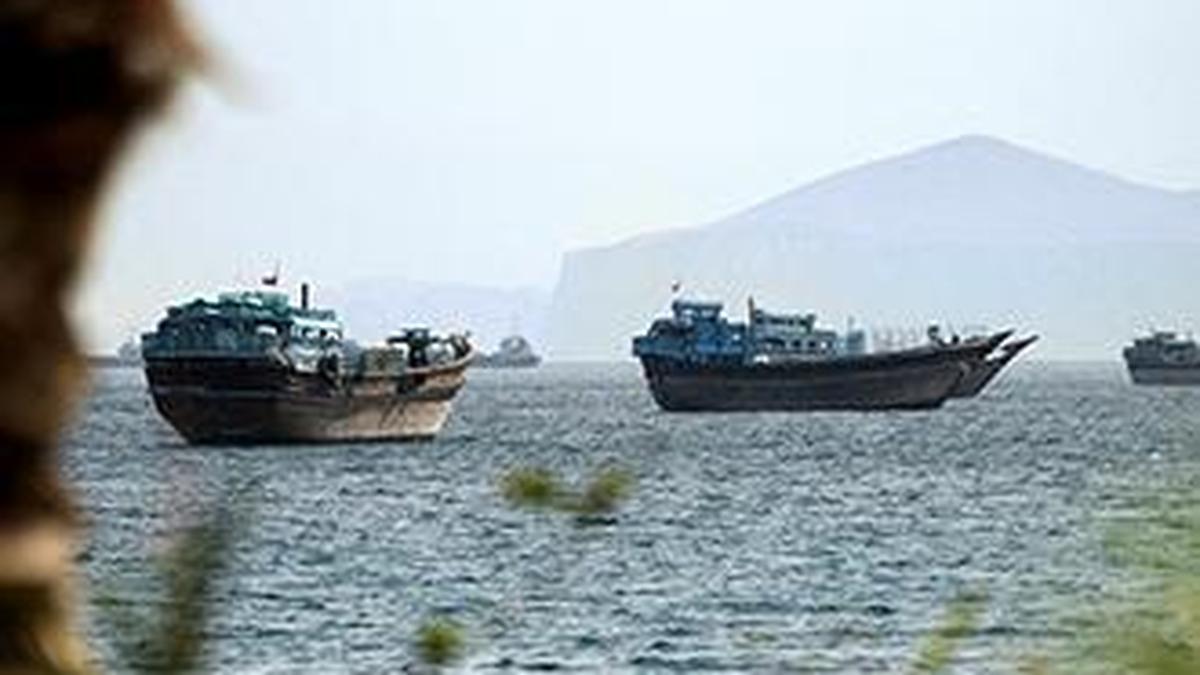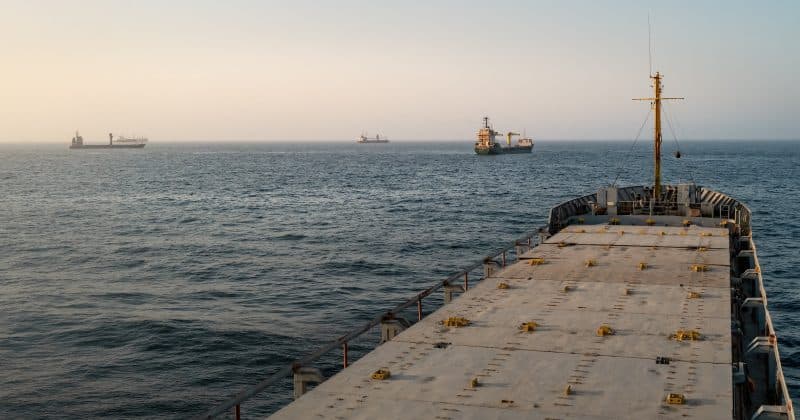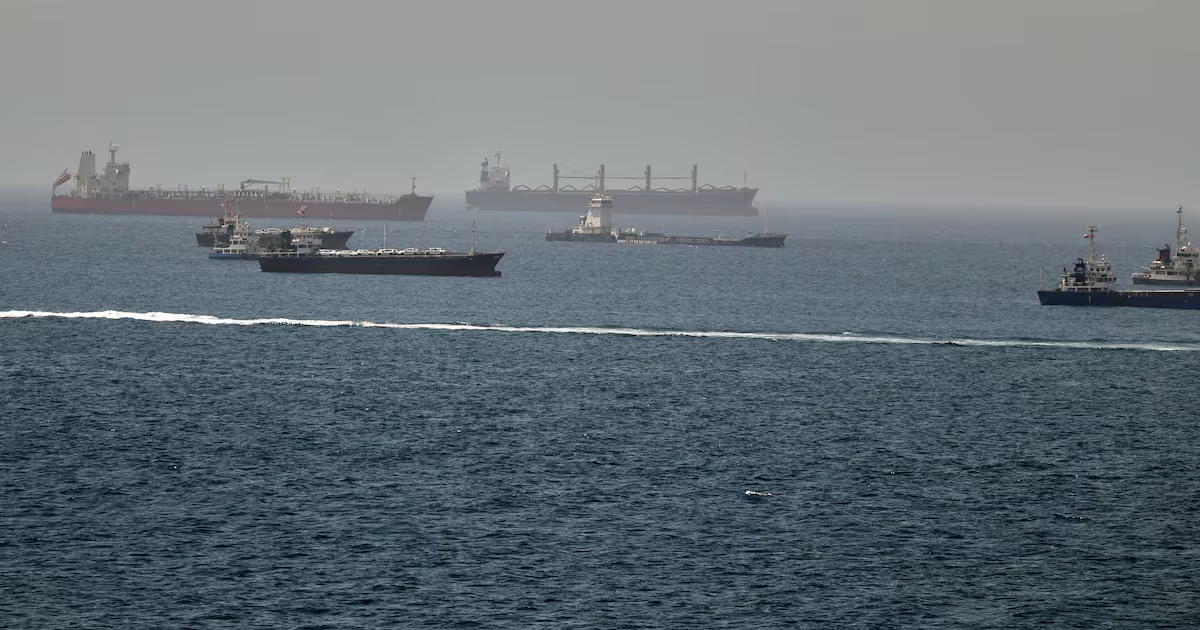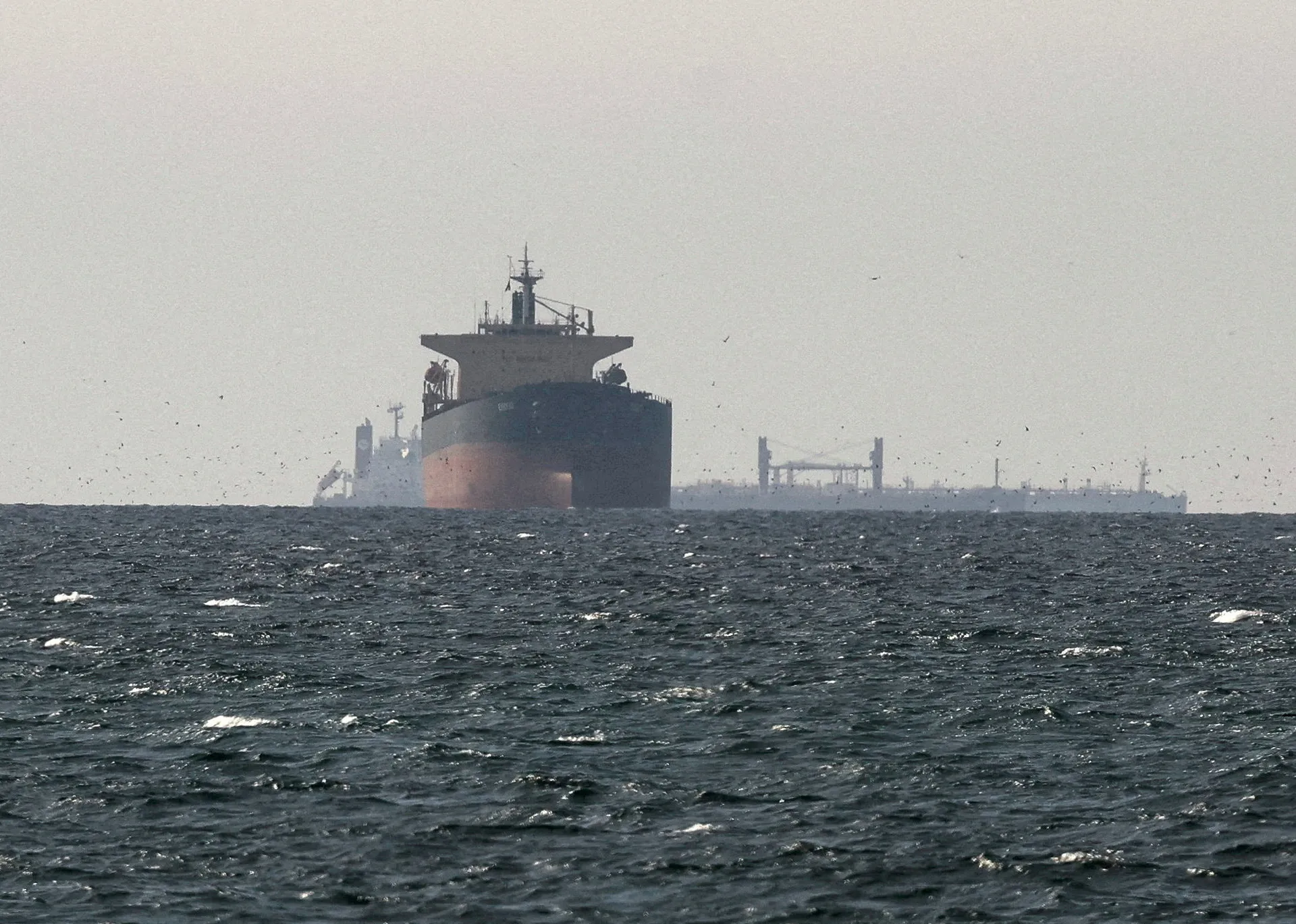
Traffic continues moving through the Strait of Hormuz. It's been a week since the U.S. and Iran signed a memorandum of understanding, pausing hostilities and reopening the Strait. But uncertainty remains over shipping and the fragility of the 60-day agreement.For a check in on how things are going so far, “Marketplace Morning Report” host Kimberly Adams was joined by Esfandyar Batmanghelidj, founder and CEO of the Bourse and Bazaar Foundation, a London-based think tank. The following is an edited transcript of their conversation.Kimberly Adams: Where do things stand now in terms of the ability of ships to move through the Strait of Hormuz?Esfandyar Batmanghelidj: Well, we've seen some indications that the understanding reached in the MOU between the U..S and Iran is allowing more maritime traffic to pass through the Strait of Hormuz. This was obviously a significant goal for the Trump administration, which has been trying to get back to normal in global energy markets. But there's still a lot of uncertainty because the terms of the MOU will only really hold for 60 days while the two sides pursue a comprehensive agreement. And one of the key provisions of the MOU, which is permission for Iran to export its own oil, we have yet to see whether that is actually going to allow Iran to sell more oil, and if it does not, that may jeopardize the MOU and the understandings that are allowing for this little opening for diplomacy and for more trade through the Strait.Adams: The deal reopened the Strait of Hormuz, but it also changes the dynamic of the sanctions against Iran. Can you lay that out?Batmanghelidj: We have been applying sanctions on Iran for years through multiple administrations, and the MOU is providing relatively narrow forms of relief. We're seeing this general license allowing Iran to export its oil in a way that's consistent with U.S. regulations, including, in fact, allowing Iran to get paid for oil in dollars, and even to, technically speaking, sell oil to American customers — things that really have not been permitted for Iran to do for decades. In addition to that, there is also language in the MOU that pertains to making it easier for Iran to access its foreign exchange reserves — basically, its savings and other currencies held in bank accounts around the world.Adams: What changes in the global economy, if we have a more integrated Iran?Batmanghelidj: I think the first thing that we would look at — and this is probably the thing that matters for American consumers — is that if you address this longstanding animosity between Iran and the U.S. in the Middle East, we would have an environment that's more conducive to kind of peace and security around the Persian Gulf, and for the stability of the international energy markets, access to oil exports, and really managing the volatility in global oil prices. But I would also add that there is a global macro story here. The Iranian economy is very large; it is one that is actually quite diversified beyond oil. Iran has a large non-oil industry. And were it not for U.S. sanctions and this policy of isolating Iran economically, Iran would be basically a G20 economy — one of the 20 largest economies in the world. And bringing Iran back into the global economic order does represent a potentially sort of generational opportunity for global investors that are looking at an emerging market that's been off bounds for many, many years and could now suddenly become a destination where capital can seek very robust returns and contribute to the economic development of a country that has been sort of stuck in the doldrums for over a decade,Adams: So how are negotiations going?Batmanghelidj: The reality is that there's a long road ahead, and the technical negotiations that have to get underway are inherently difficult. There is a very low level of trust between the U.S. and Iran — not just because of the war, but also because this is the third instance in which the U.S. and Iran are at the negotiating table during Trump's second term. And so I think here, even though we might have a low degree of confidence that the U.S. and Iran can find the understandings on their own, there are a lot of countries that are trying to help this process along, and that may create a little bit more credibility behind this diplomacy and allow some of these technical solutions to emerge.
Where do things stand with the Iran peace deal?
Language in the current memorandum of understanding could allow Iran to become more integrated in the global economy.
749 words~3 min read