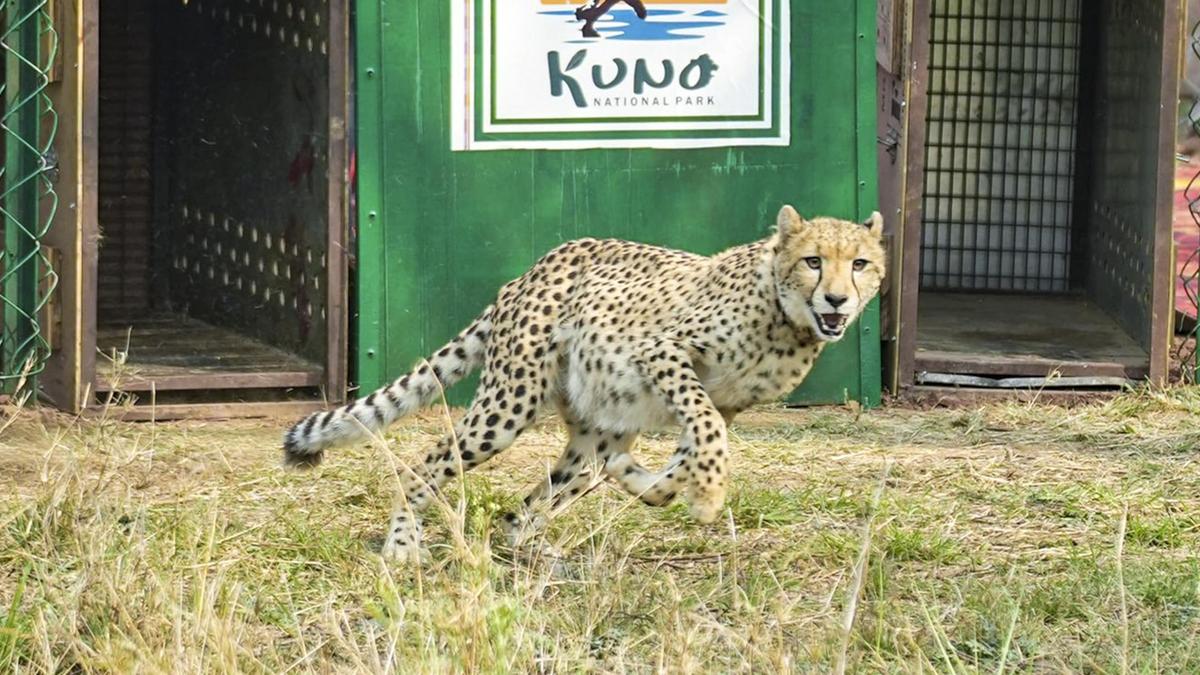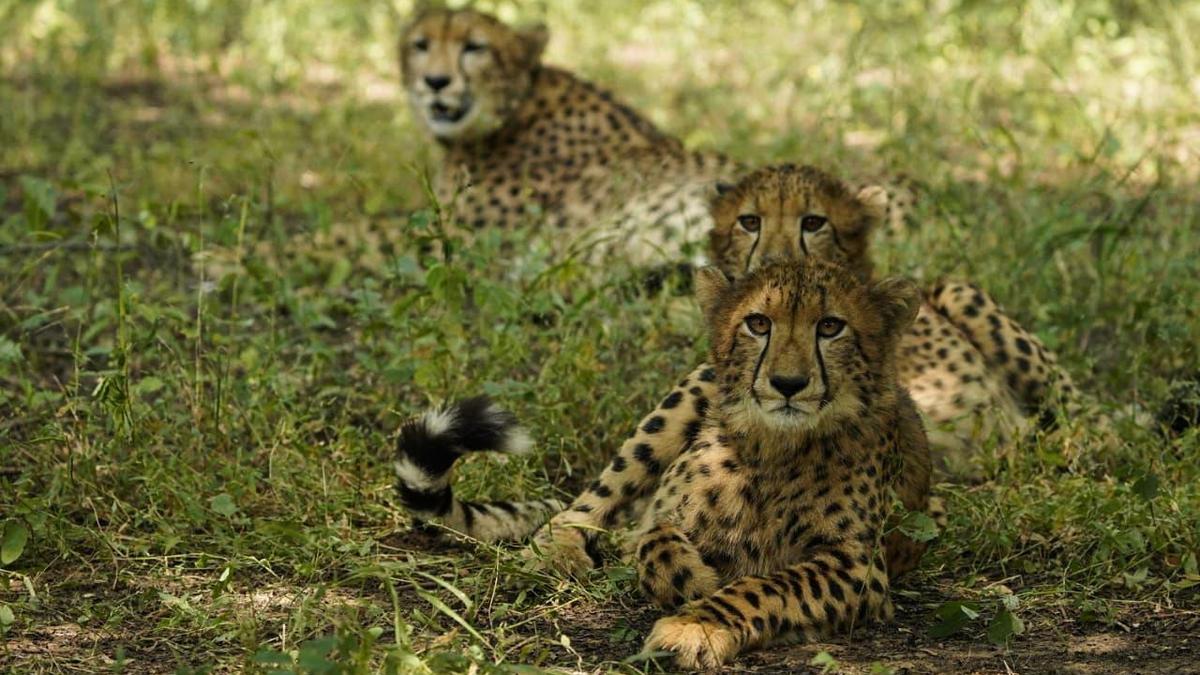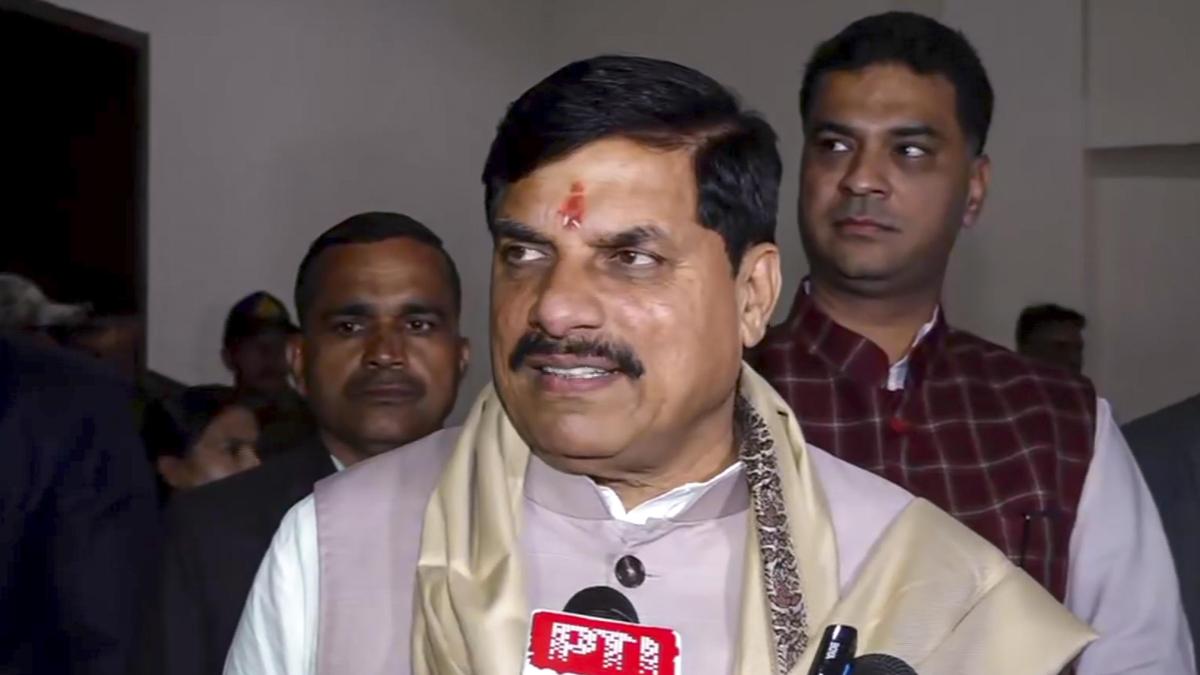
Union environment minister Bhupender Yadav on Sunday inaugurated a national workshop on tiger reintroduction and released three publications on tiger conservation and Project Cheetah in Rajasthan’s Alwar district.Yadav: Sariska a global example of successful species restorationThe event was held to mark 18 years since the reintroduction of tigers at the Sariska Tiger Reserve in the state.Yadav described the Sariska tiger reintroduction programme as a historic milestone in wildlife conservation, noting the area went from zero tigers in 2008 to 56 currently. He said the project represents the world’s first successful scientific reintroduction of tigers into a landscape where the species had become locally extinct. Across the country, the number of tiger reserves has increased from 46 to 58 in the last decade.Addressing the workshop, the minister said tiger conservation was not merely about protecting a single species, but about conserving forests, watersheds and the rich biodiversity that shares the tiger’s habitat. “Sariska today serves as a global example of successful species restoration and offers valuable lessons for future conservation initiatives,” he said, noting that India has also successfully achieved the St Petersburg Declaration target of doubling its wild tiger population by 2022. He said the successful reintroduction of tigers in Panna and Sariska was possible because of the support and participation of local communities, but similar success could not be achieved in Satkosia Tiger Reserve in Odisha due to a lack of community support.“The success of Project Cheetah has also been driven in large measure by the active participation of local communities,” he said.According to National Tiger Conservation Authority (NTCA), the most recent national assessment estimated 3,682 (3,167-3,925) tigers in India in 2022, representing nearly 70% of the global wild tiger population.Yadav also said the government was working on an integrated management plan for all tiger reserves in the country, which will focus on coordination and address issues such as land encroachment. “Our priority is to ensure that our tigers are protected, our forests remain green and healthy, and local communities continue to prosper. “We are working towards an integrated management plan for tiger reserves, which will include working with different departments,” the minister said, adding this will require coordination between the forest departments, police, municipal bodies, railways, the tourism department and civil society too. He added that in landscapes where the distribution of tigers and elephants overlaps, emphasis should be placed on maintaining and strengthening landscape connectivity.Organised by the National Tiger Conservation Authority (NTCA), Union environment ministry, in collaboration with the state government, the workshop titled, “Tiger Re-introduction: Opportunities and Challenges”, brought together field directors, chief wildlife wardens and wildlife experts from across India’s tiger landscapes to deliberate on science-based strategies for tiger reintroduction and active management.Since 2008, India has undertaken scientifically-designed tiger recovery interventions across twelve landscapes and reserves.Yadav also launched three publications: Road Map on Active Management of Tigers in India, Booklet on Reintroduction and Recovery of Tigers in India, and the Annual Report of Project Cheetah (September 2024–December 2025).The publications highlight key work undertaken on reintroduction of tigers and cheetahs in Indian landscapes. It said in addition to Sariska, the reintroduction to tigers at the Panna Tiger Reserve in MP went from zero in 2009 to 88 tigers currently; from eight (2013) to 24 tigers presently at MP’s Sanjay Dubri tiger reserve; from zero (2018) to 30 at MP’s Veerangana tiger reserve; from 16 before 2024 to 32 currently in Odisha’s Similipal Tiger Reserve as some examples.“The success of Sariska and Panna demonstrated the potential of reintroduction programmes when the causes responsible for population decline are addressed before the intervention. In both cases, the disappearance of tigers was not due to the complete loss of habitat suitability. Instead, factors such as poaching and inadequate protection were the major drivers of decline. Once these issues were recognised and management interventions were strengthened, reintroduced populations were able to establish and reproduce,” said the field experiences and key learnings publication, adding not all tiger reintroduction attempts have produced similar outcomes.“The global experience of carnivore reintroduction programmes also shows that restoration efforts can fail when ecological or social conditions are not adequately addressed before release,” it added.In the annual Project Cheetah report 2025, the government meanwhile stated that the current population of cheetahs across the country stands at 53, which includes 13 adults, 17 sub-adults and 23 cubs. These are across the Kuno National Park (NP) and Gandhi Sagar Wildlife Sanctuary (WLS) in MP.The workshop included technical sessions on habitat restoration, prey augmentation, wildlife translocation, landscape connectivity, monitoring protocols and active management strategies. Participants shared experiences from tiger reintroduction programmes in Sariska, Panna and other tiger reserves, while tiger-deficient reserves presented preparedness and future recovery strategies.
Yadav: Sariska a global example of successful species restoration
Union Minister Bhupender Yadav inaugurated a workshop on tiger reintroduction, highlighting achievements in conservation at Sariska and nationwide tiger recovery efforts. | India News
TL;DRAI
Questo articolo sulla conservazione delle tigri in India non rientra nel focus editoriale di **Warptech Tech News**, che copre AI, tech, business, startup, economia digitale e geopolitica. Potrebbe essere un errore di routing? Se hai un articolo tech/business/AI da riassumere per la testata, mandamelo pure.
776 words~4 min read