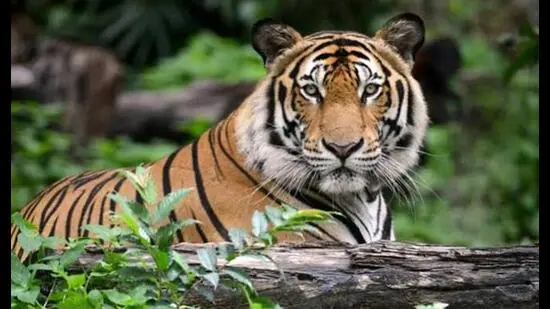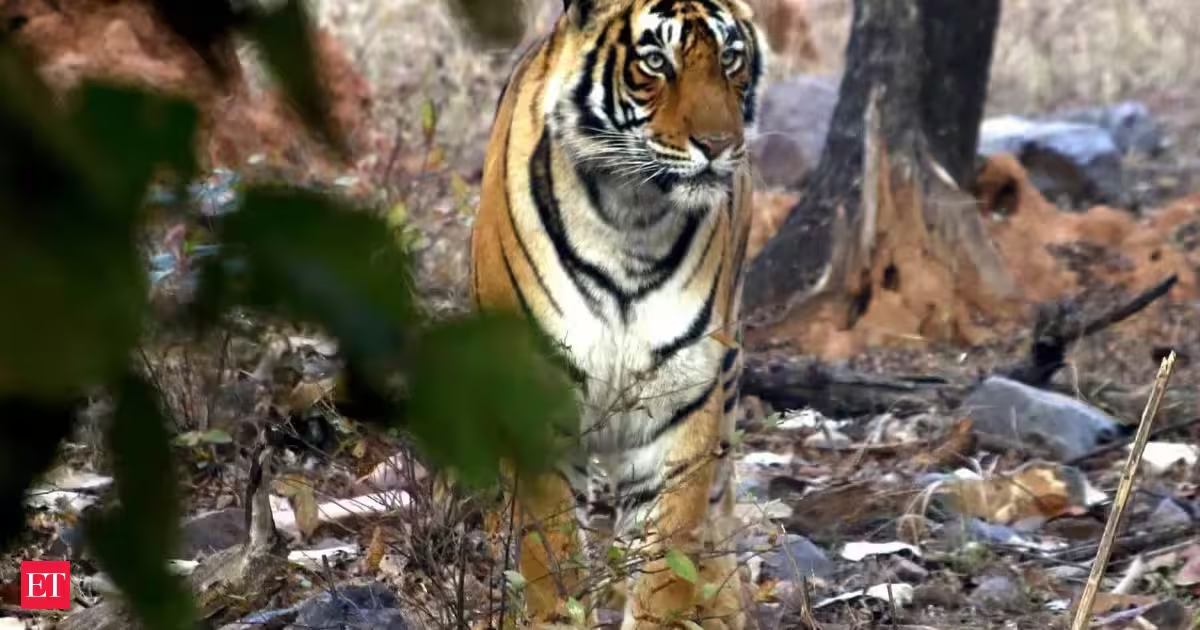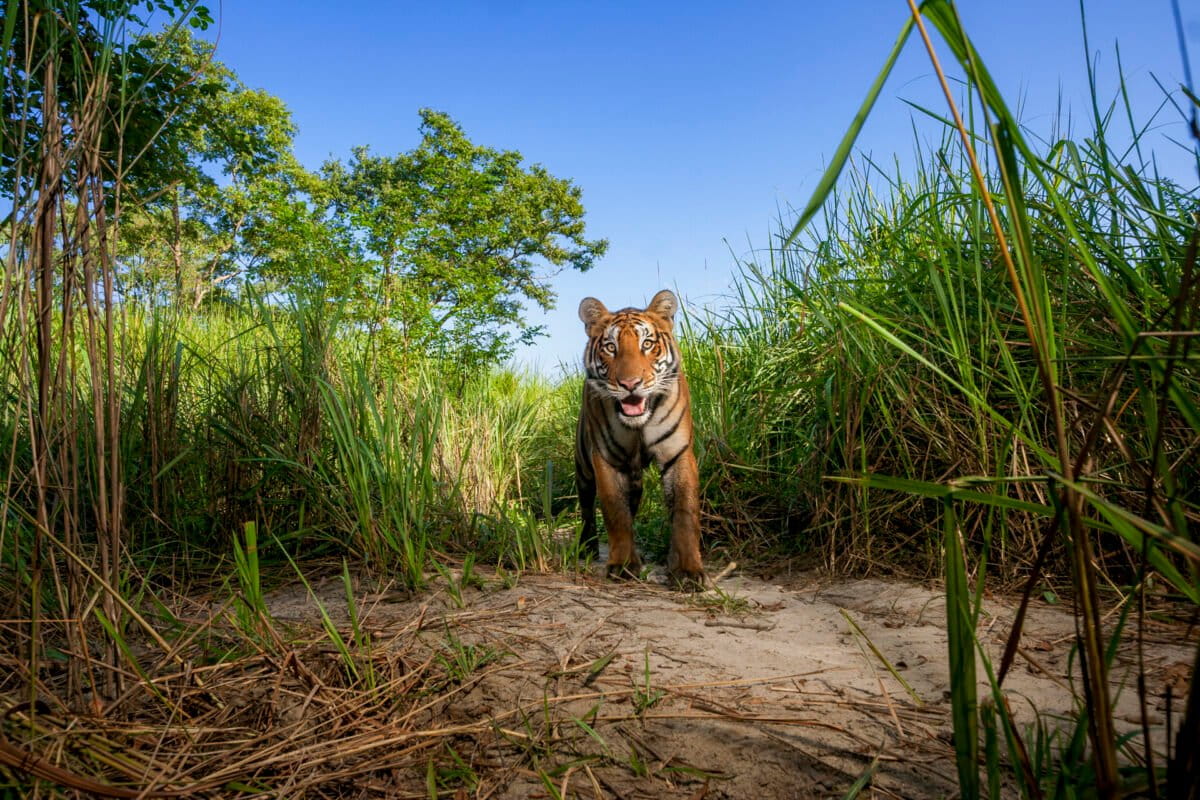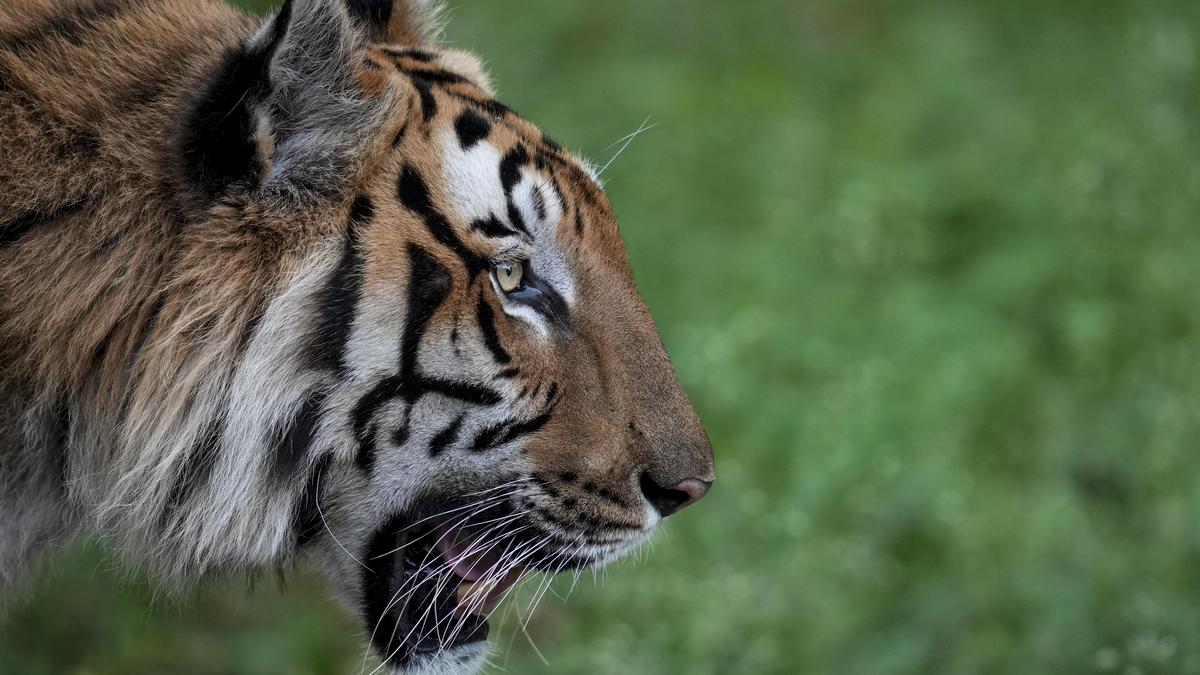
India hosts nearly 70% of the world’s wild tiger population. As tiger numbers grow, the government is trying to manage them with a landscape-level approach, Union environment minister Bhupender Yadav said in an interview with HT ahead of the first International Big Cat Alliance (IBCA) Summit in New Delhi on June 1 and 2. Edited excerpts from interview:Union environment minister Bhupender Yadav. (X)What is the policy for dealing with tigers outside reserves?India has been monitoring the tiger population within and outside tiger reserves through the four-yearly All India Tiger Estimation. The government, through the National Tiger Conservation Authority (NTCA), launched the project “Tiger outside Tiger Reserves” focusing on areas outside reserves with human–tiger interface issues. Phase I of the project has been rolled out across 40 forest divisions in nine states, with a focus on conflict mitigation through proactive efforts, rapid response mechanisms, and rescue of animals involved in conflict situations. Emphasis has been placed on technological interventions, such as monitoring animals around forest edges, developing early warning systems, and equipping forest departments with the necessary infrastructure to effectively handle such situations.Capacity building of front line forest staff and strengthening community participation also form key components of the project, ensuring a more coordinated and sustainable approach towards tiger conservation and coexistence.How can pressures on big cat habitats be addressed, especially from mining and infrastructure?Conservation and development are not contradictory and are rather undertaken through scientific planning and sustainable practices. Big cat habitats are ecological assets that secure water, climate resilience, and ecosystem services for millions of people. The government has institutionalised safeguards in the form of Environmental Impact Assessments, mandatory wildlife clearances, eco-sensitive zones around protected areas, strengthening of wildlife corridors, and mitigation measures such as underpasses and overpasses, which are increasingly integrated into infrastructure planning.India is strengthening landscape-based conservation through initiatives such as Project Tiger, Project Cheetah, Project Lion, Project Snow Leopard, and the expansion of protected areas and corridors, integrating technology-driven monitoring and community participation. Through the IBCA, India promotes international cooperation, knowledge-sharing, and best practices for balancing conservation with developmental needs.Do you think the higher tiger population requires a strategy to manage it and keep conflict in check?India’s conservation success, particularly the steady increase in tiger numbers over the years, reflects the effectiveness of sustained protection efforts, habitat management, and community participation under initiatives such as Project Tiger. A thriving tiger population in certain human-dominated landscapes presents emerging management challenges, including dispersal into human-use areas and the potential for human-wildlife interactions.Going forward, with the conservation of tigers and the challenges therein, the focus is not simply on population numbers alone, but on ensuring balanced landscape-level conservation through habitat connectivity, prey-based augmentation, scientific monitoring, and community-centric conflict mitigation measures.The ministry is working on strengthening coexistence strategies, early warning systems, securing corridors to maintain gene flow between areas, and enabling seamless dispersal of tigers from high to low-density areas. The objective is to sustain conservation gains while minimising conflict and maintaining ecological and social balance. The NTCA has issued a standard operating procedure for actively managing the rehabilitation of tigers from source areas at the landscape level.How will we balance the conservation of these habitats with development pressures against the backdrop of the goal of a developed India by 2047?The vision of Viksit Bharat [developed India] 2047 is not only about economic growth. It is about sustainable and inclusive growth. India’s development pathway is rooted in the principle of “Lifestyle for Environment (LiFE)” and the core understanding that ecological security is foundational to economic security.Over the last decade, India has seen major infrastructure expansion while also recording growth in tiger populations and strengthening conservation frameworks. India hosts nearly 70% of the world’s wild tiger population, reflecting our commitment to both development and ecological stewardship. Under the leadership of Prime Minister Narendra Modi, India is pursuing a model where economic progress, climate responsibility, and biodiversity conservation reinforce one another. This is the essence of Viksit Bharat — development that is sustainable, resilient, and future-ready.How can the IBCA help protect big cat habitats in range countries?It can play a transformative role in protecting big cat habitats by promoting landscape-level conservation, strengthening ecological connectivity, and enabling coordinated international action across range countries, besides building the capacity of protected area managers. Many big cat habitats face pressures from habitat fragmentation, infrastructure expansion, and climate change. Since big cats require large, connected landscapes for their survival, conservation efforts cannot remain confined to isolated protected areas. IBCA can help countries adopt science-based habitat management approaches that integrate wildlife corridors, ecological restoration, and climate-resilient conservation planning.The IBCA provides a platform for sharing best practices, technologies, and policy frameworks among member countries. The mitigation measures for linear infrastructures being practised in India can become a model for development in other range countries. Through initiatives such as technology-enabled monitoring systems, conservation standards, and Centres of Excellence, countries can access scientific tools and institutional support for habitat protection and restoration.The alliance can also facilitate transboundary cooperation in shared landscapes, strengthen wildlife-friendly infrastructure planning, and mobilise sustainable financing through carbon markets, multilateral agencies, corporates, and philanthropic institutions. Equally important is IBCA’s emphasis on community participation, sustainable livelihoods, and coexistence models, ensuring that local communities become partners in conserving big cat habitats.What are the best practices from India that other countries can emulate?India’s experience shows that successful big cat conservation requires a combination of strong political commitment, scientific management, and community participation. Through initiatives such as Project Tiger, Project Cheetah, Project Lion, and Project Snow Leopard, India has built robust institutional frameworks that support habitat protection, wildlife monitoring, anti-poaching, and species recovery efforts. India has formed statutory bodies like the NTCA that focus on the scientific management of tigers and associated species, their habitats. Prime focus is on the use of technologies—camera traps, GIS mapping, and digital patrolling systems—which have also strengthened evidence-based conservation.Another important lesson from India is the landscape-based approach to conservation. India focuses not only on protected areas but also on maintaining wildlife corridors and ecological connectivity across forests and grasslands. Local communities are being made active partners through eco-development programmes, compensation mechanisms, and sustainable livelihood opportunities linked to conservation and eco-tourism. Through the IBCA, India aims to share these experiences and promote greater cooperation among big cat range countries in areas such as capacity-building, conservation finance, technological advancement, and protection.
Increase in tigers reflects effectiveness of protection efforts: Bhupender Yadav
Union environment minister Bhupender Yadav spoke to HT ahead of the first International Big Cat Alliance (IBCA) Summit in New Delhi on June 1-2 | India News
1,053 words~5 min read