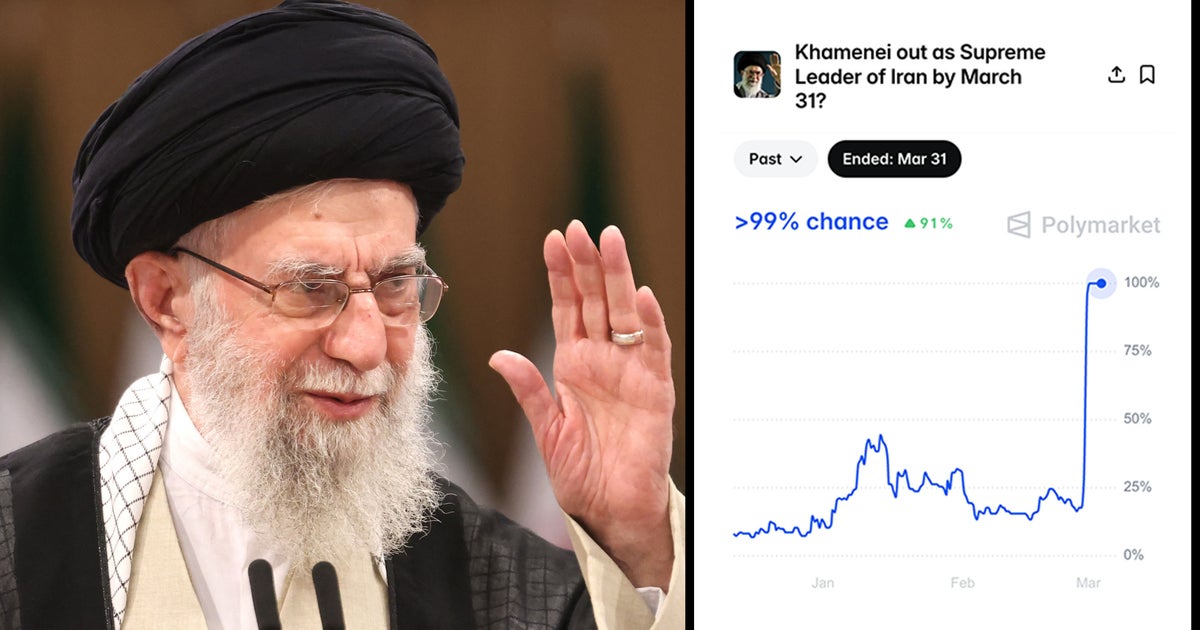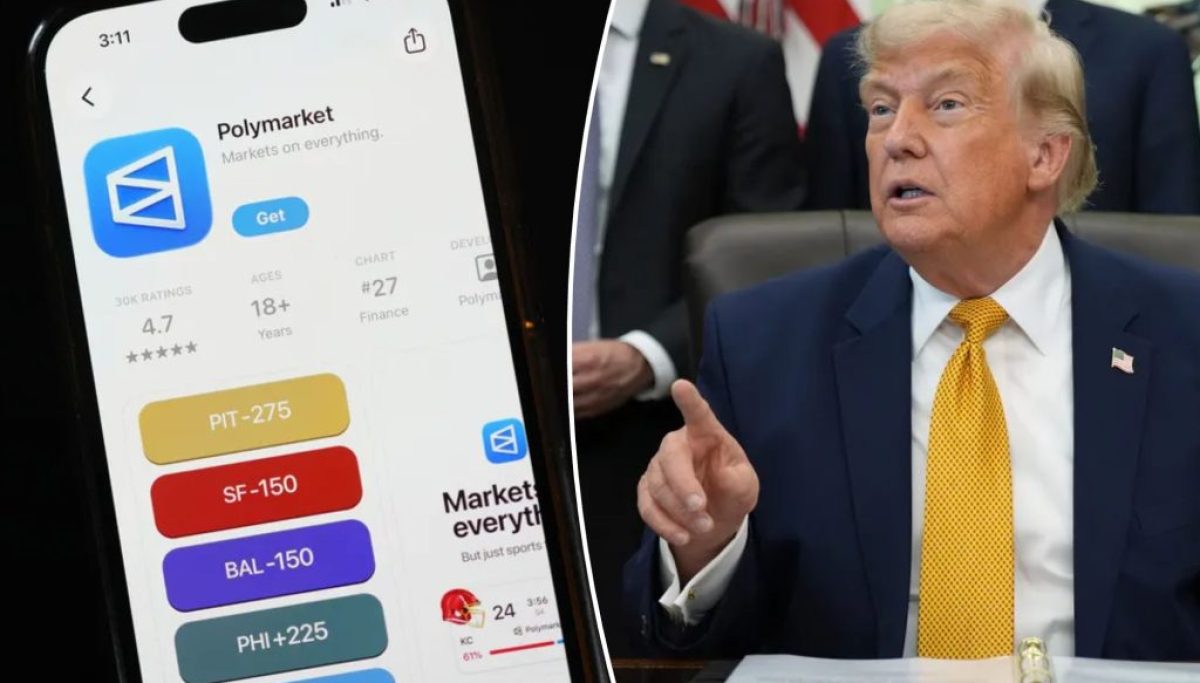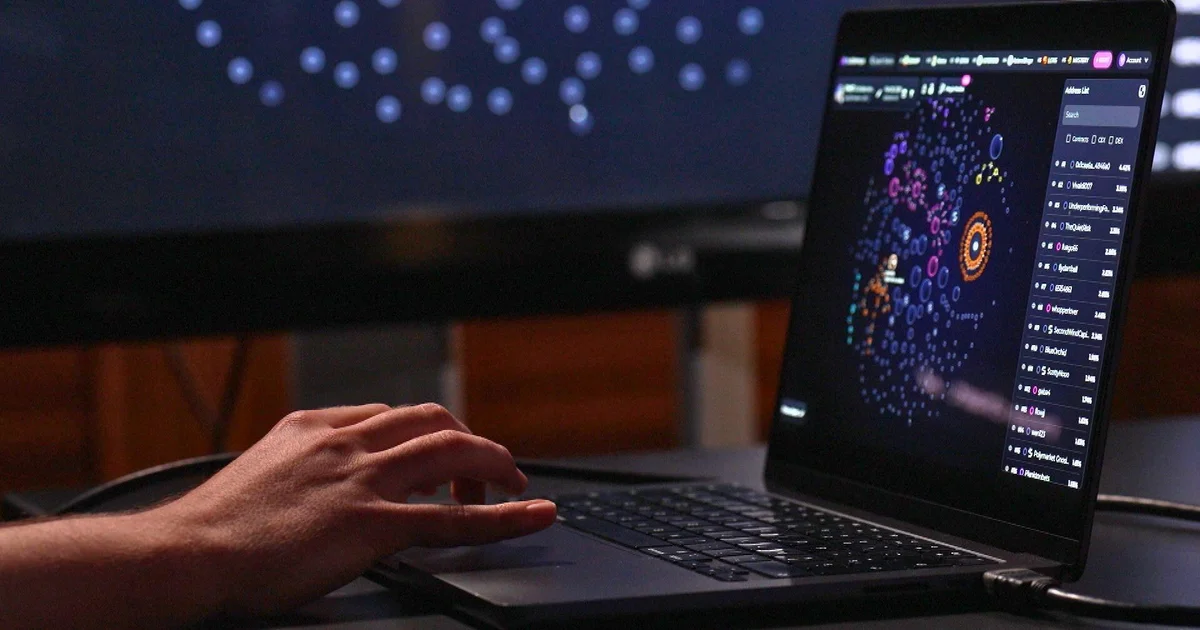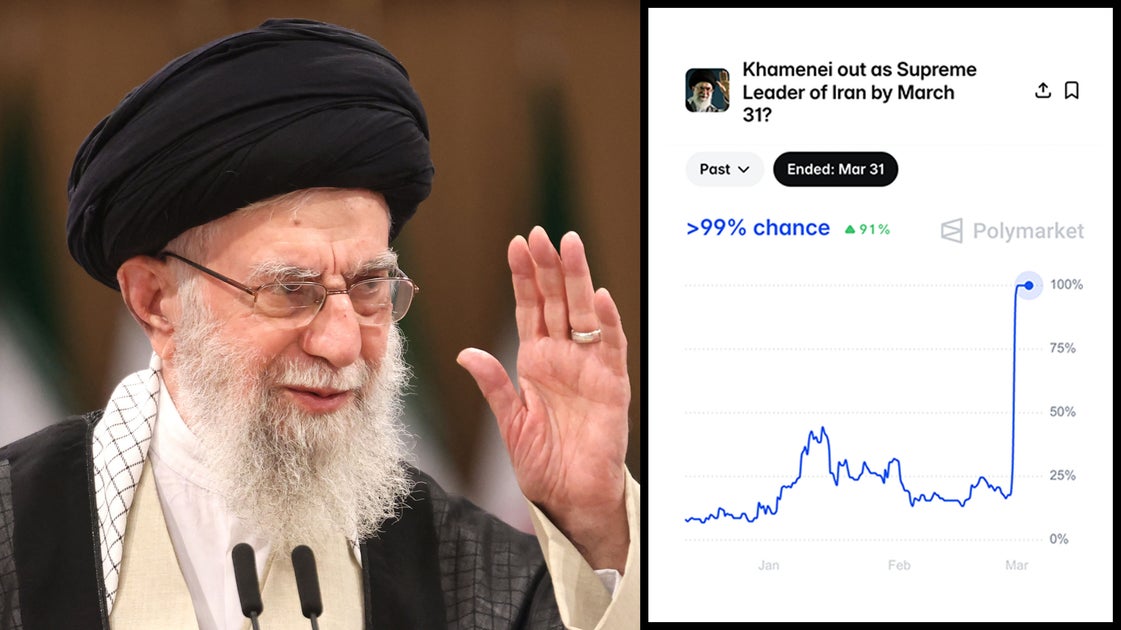
This is an updated version of a story first published on May 17, 2026. The original video can be viewed here. The war with Iran and the U.S. military operation to capture Venezuelan President Nicolás Maduro have carried the usual hallmarks of conflict: soldiers, strategy, casualties, cost. But they've also been accompanied by a new feature: betting on war. This year alone, more than a billion dollars has been staked online on military decisions and outcomes. As if they were wagering on football games or Oscar winners, bettors all over the globe have taken positions — some suspiciously-timed and with information seemingly too specific for a civilian outsider — on when and how an attack might happen; even the fate of world leaders. As we first reported in May, it's created a whole new category of insider trading. As long as there have been wars, there have been war profiteers. But never quite like this. Cloaked in night, shrouded in secrecy, U.S. Special Operations forces captured Venezuelan President Nicolás Maduro on Jan. 3. He was taken to the U.S. to face drug trafficking and narco-terrorism charges.As it turned out, the president of Venezuela wasn't the only figure in the operation who would find himself confronting federal charges. U.S. Army soldier Gannon Ken Van Dyke, who was "involved in the planning and execution" of the Venezuela mission, was charged in April with using classified intelligence to place bets, based on when the surprise raid would unfold.Rob Schwartz: If the allegations are true, this is one of the worst betrayals of trust in this area that I can remember and possibly ever.Now a private lawyer in Washington, Rob Schwartz, until last year, worked for the Commodity Futures Trading Commission, a federal agency policing fraud and insider trading.Jon Wertheim: A soldier using classified intelligence to trade. Unprecedented.
Online prediction market traders make millions betting on U.S. military operations
Prediction market users are profiting from bets on war. Analysts say suspiciously timed bets, and the high win rates of wagers on military outcomes , are likely signs of insider trading.
TL;DRAI
Army soldier netted $400k betting $34k on classified military operations via Polymarket; nine linked accounts earned $2.4M with 98% win rate. Prediction markets lack insider-trading safeguards of regulated exchanges, creating governance risk when military intelligence becomes tradeable.
2,170 words~10 min read