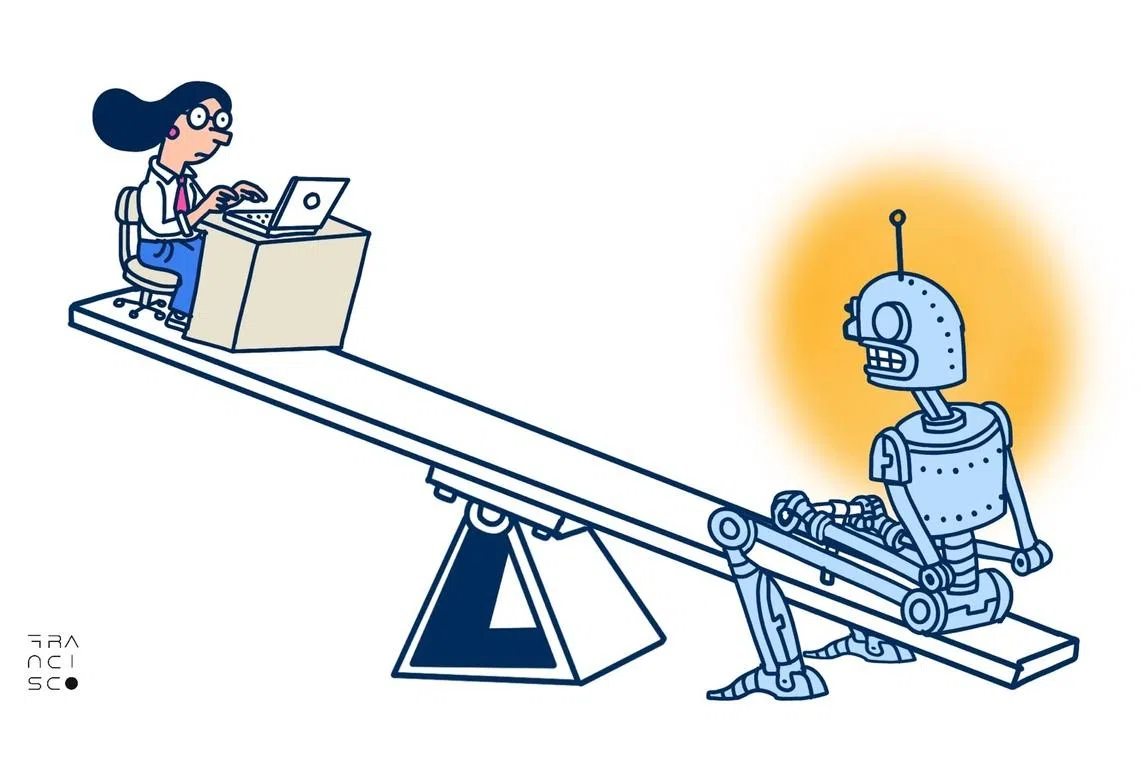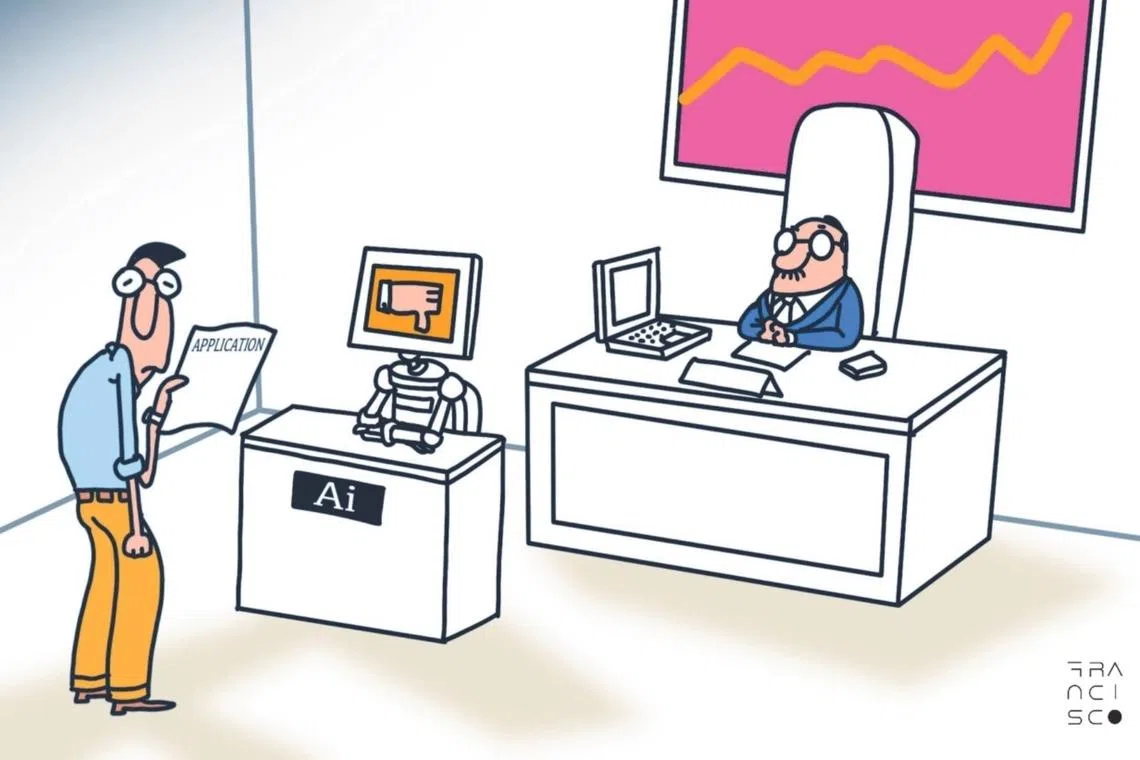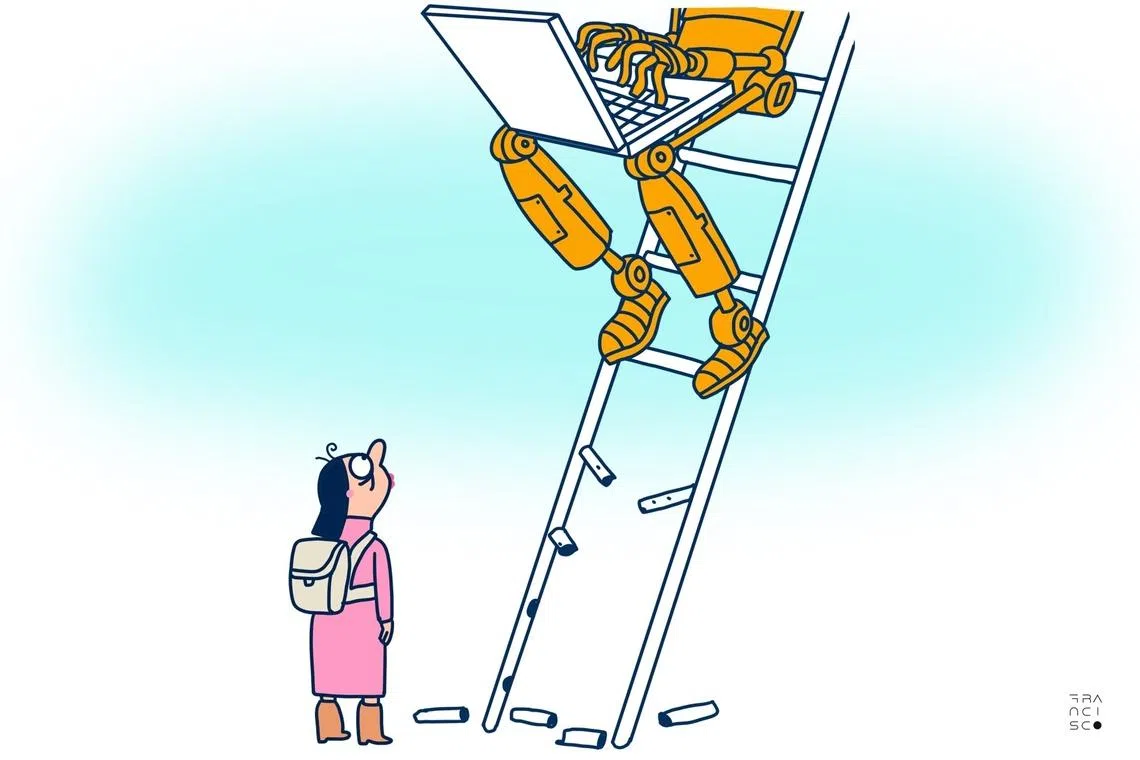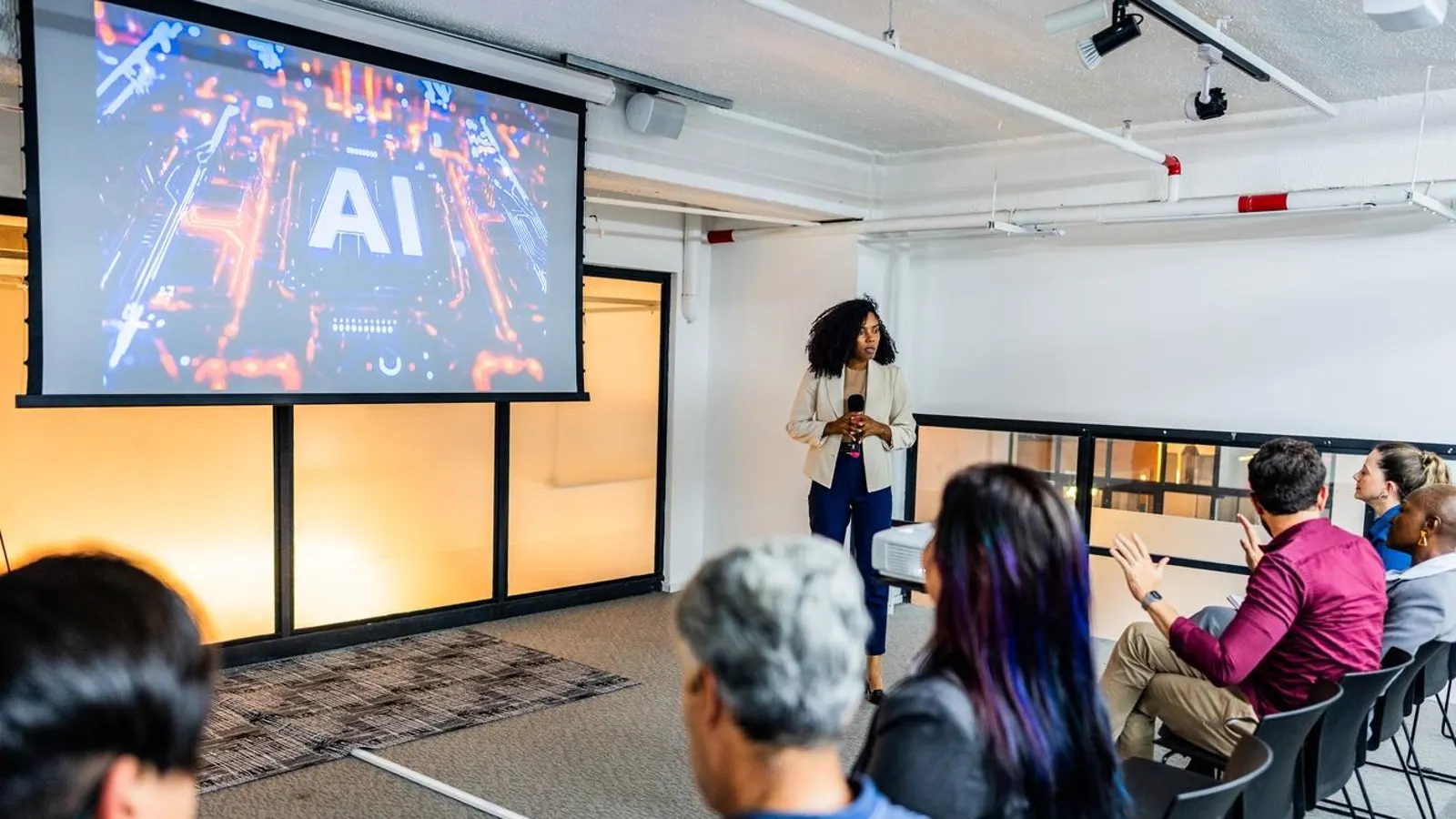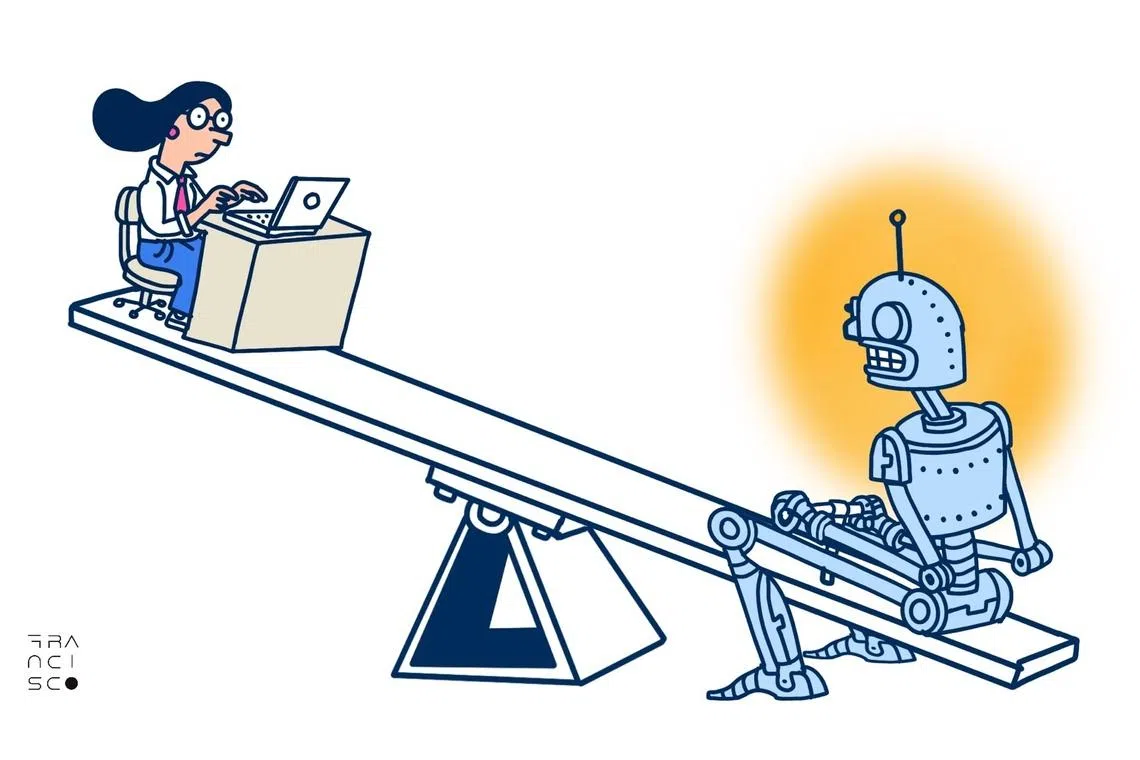
In this series, business journalist Timothy Goh offers practical answers to candid questions on navigating workplace challenges and getting ahead in your career. Get more tips by signing up to The Straits Times’ Headstart newsletter.If an industry is declining, job security cannot be assessed only at the individual job level, said Arthoven Ng, managing director of AI training and consultancy firm Overpowered.“Your job may feel stable today because your manager values you, your team still needs you, or your company is doing better than its competitors,” he said.“But if the wider industry keeps shrinking, the pressure will eventually reach teams, budgets and roles.”Feeling secure in a volatile job market can be a dangerous illusion, especially as AI-driven automation and augmentation accelerate, and redundancies make the news more frequently.Mistaking this temporary comfort for long-term safety is like burying your head in the sand, said David Leong, chairman of PeopleWorldwide Consulting.“There is no safety. Know that the absence of immediate disruption does not mean the absence of future risk,” he stressed.The reality is that no occupation is completely insulated from artificial intelligence. The question is no longer whether AI will affect a role, but how, when, and to what extent.“Even professions once considered highly protected are seeing portions of their work automated, augmented or restructured,” said Leong.“The greatest risk often comes not from direct replacement, but from AI-enabled workers becoming significantly more productive than their peers, reducing the number of people required to perform the same output.”Ng noted that AI’s impact could be at the business level, the workflow level or the task level.“At the business level, customers may no longer need the same service because AI helps them do parts of it themselves,” he said.“At the workflow level, the job may still exist, but parts of the process can be redesigned. At the task level, work that used to take hours may now take a few good prompts and a person who knows how to judge the output.”Ng advised employees to map their work honestly by identifying which tasks are repetitive, which require judgment, and which depend on relationships, context or domain expertise.“This gives you a clearer view of what is exposed to AI, and what you should strengthen.”Leong said that some workers are oblivious to their industry's decline, with many “unaware of the structural changes occurring around them”.“Industry decline does not necessarily mean job loss tomorrow, but it often signals shrinking opportunities, slower wage growth, reduced investment and fewer pathways for career advancement over time.”Ng encouraged workers to become “AI-bilingual”, by learning enough about AI to use it properly, “while also deepening the expertise that makes your judgment valuable”.“The goal is not to become an AI prompt collector. The goal is to redesign one real workflow in your job so that AI helps you improve speed, quality or decision-making.”For example, workers who prepare reports can use AI for first drafts, summaries and analysis, while remaining responsible for the final judgment.Those in client-facing roles can use AI to prepare account briefs but still rely on human understanding to determine what matters.Similarly, human resources and learning professionals can use AI to speed up content creation while retaining responsibility for context, care and outcomes.Ng said workers can start small by identifying one part of their job that could potentially be improved with AI, experimenting with it, and then applying the same approach to other areas of work over time.“Over time, this builds career security because you are not only protecting your current job. You are becoming more valuable for the work that comes next,” he said.Ultimately, Leong added, continuous learning should become part of a person’s professional identity, so that adaptation becomes a habit rather than a reaction.Employees should consider how their existing expertise can be applied to adjacent industries, emerging sectors and new business models.They should also challenge outdated assumptions about job security, career stability and traditional career ladders, while continually building new skills and capabilities that improve their adaptability and market relevance.“The workers most at risk are often not those in declining industries – they are those who believe they have ample time to react,” he said.“History shows that technological transitions tend to appear gradual and then become sudden... Once disruption becomes obvious, competition for new opportunities intensifies and options narrow.”
AI, job security & declining industries
Discover how to navigate job security concerns in declining industries affected by AI and adapt your career for future relevance. Read more at straitstimes.com. Read more at straitstimes.com.
TL;DRAI
Industry shrinkage and AI automation create hidden job risks; workers must identify automation-exposed tasks and strengthen judgment-dependent skills. Tech teams need 'AI-bilingual' professionals mixing automation fluency with domain expertise and judgment to maintain advantage amid workflow redesign.
710 words~3 min read