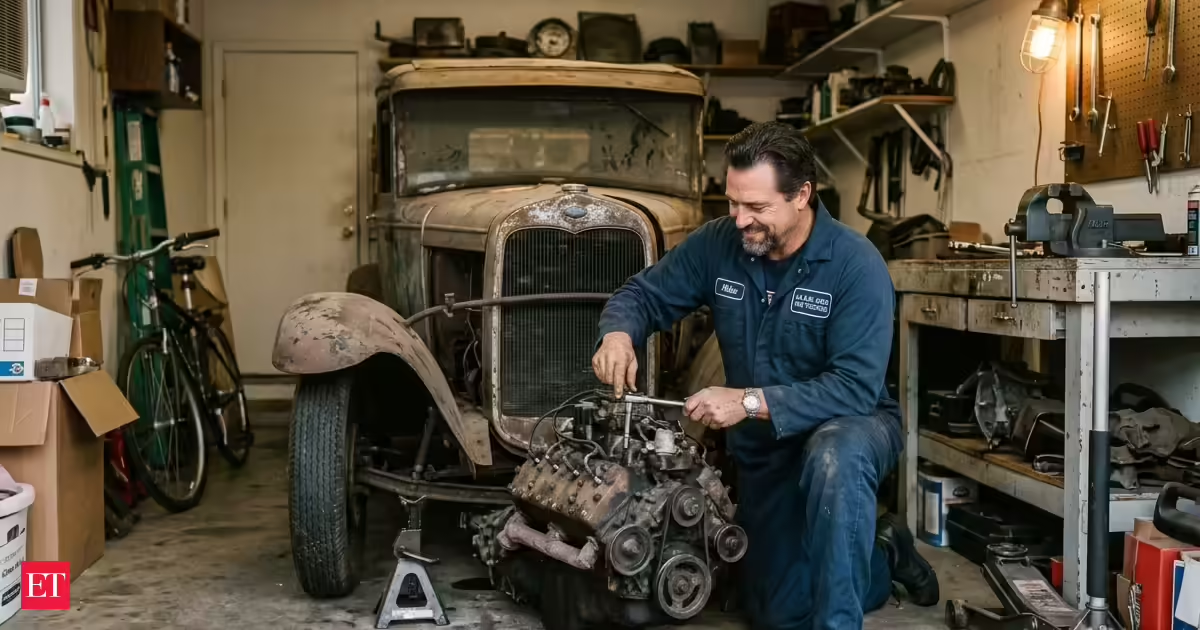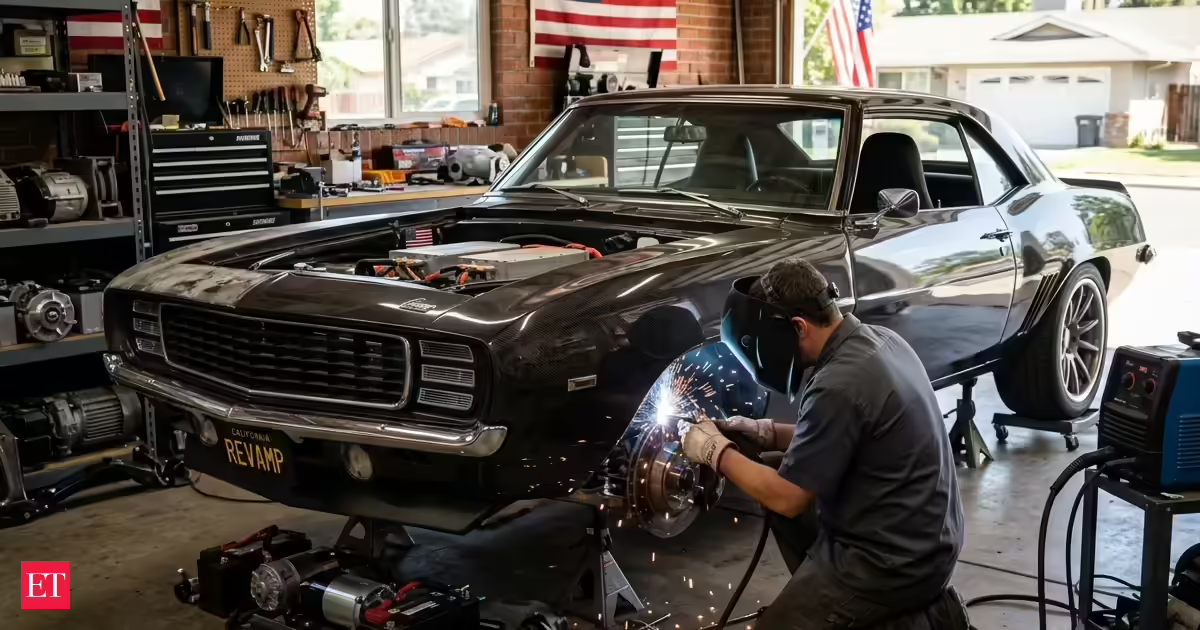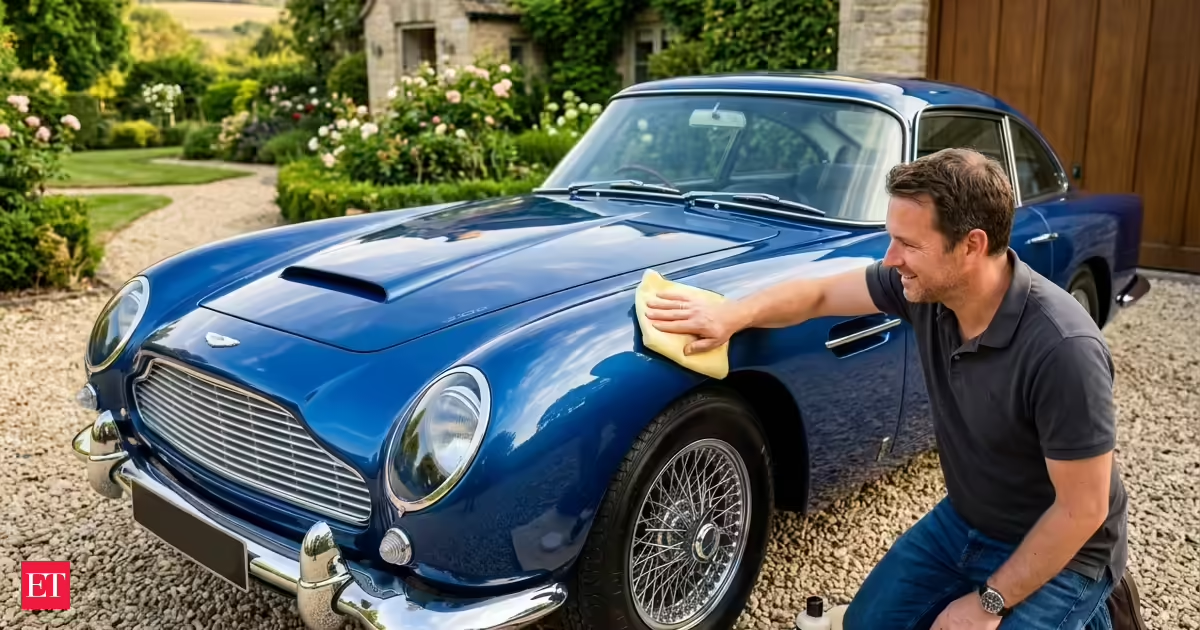
Psychology says people who take extra care for their bikes or cars aren't necessarily trying to impress other people. Many individuals wash, repair, polish, and maintain their vehicles because they enjoy caring for something they own. Psychology suggests that this behavior can be linked to responsibility, emotional attachment, personal identity, habit formation, and respect for personal belongings. A well-maintained bike or car may also represent memories, hard work, or an important achievement. Looking deeper into this behavior helps explain why people become attached to their possessions and what these actions reveal about their mindset and daily habits.Psychology says people who take extra care for their bikes or cars aren't looking to show offPsychology says people who take extra care for their bikes or cars aren't necessarily trying to show their wealth or impress others. Many people see their vehicle as something they have earned through hard work, so they feel responsible for maintaining it. Regular cleaning, servicing, and repairs can reflect discipline, patience, and respect for personal belongings. Psychology also suggests that people often develop emotional connections with objects that play an important role in their daily lives. A bike or car may remind them of personal achievements, family memories, or important journeys. Because of this connection, taking extra care of a vehicle often represents responsibility and attachment rather than materialism.What psychology says about caring for vehicles?Many people believe that someone who spends time cleaning or maintaining a bike or car is mainly interested in status. Psychology does not always support this belief. Research in psychology shows that people often develop emotional connections with objects they use every day. A vehicle can become part of a person's routine, work, travel, family life, and memories. Looking after it can provide satisfaction because the person feels responsible for something important.The habit may also reflect discipline. Regular cleaning, servicing, and maintenance require planning and consistency. These habits often appear in other parts of life as well. Instead of showing materialism, vehicle care may simply represent responsibility, respect, and personal values.What does this mean?Taking extra care of a vehicle often means the owner values maintenance instead of replacement. People may believe that caring for what they already own is better than buying something new. This approach can reduce waste, lower expenses, and increase the lifespan of valuable possessions.Some people also see their bike or car as a reward for years of work. Looking after it becomes a way of appreciating their own effort. For others, maintaining a vehicle creates a feeling of control. Cleaning or repairing something can reduce stress because it gives people a clear task with visible results. The meaning behind this behavior usually depends on personal experiences rather than financial status.Why is it done?There are many reasons why people spend extra time maintaining their vehicles. Some want to keep them safe and reliable for daily travel. Others enjoy learning mechanical skills and understanding how their vehicles work.Many people simply like keeping things organized and clean. This habit may extend beyond vehicles to homes, offices, and personal belongings. Some owners also form emotional attachments after memorable road trips, family journeys, or important milestones connected with their bike or car. For many individuals, regular maintenance represents care rather than display. One psychological explanation comes from the idea that possessions become part of a person's identity. People often describe certain belongings as "my bike" or "my first car" with emotional meaning. These objects remind them of important achievements, relationships, or experiences. When people invest time in maintaining these possessions, they may actually be preserving memories instead of trying to gain attention.Psychologists also note that caring for personal belongings can increase feelings of competence and responsibility. Completing maintenance tasks gives people a sense of achievement. This explains why many careful owners continue looking after older vehicles even when newer models become available.Which psychology theory explains this behavior?Several psychological concepts help explain this pattern.One is the Extended Self Theory, proposed by consumer psychologist Russell Belk. The theory suggests that people often see their possessions as an extension of themselves. Objects become connected with personal identity because they reflect experiences, achievements, and memories.Another concept is the Endowment Effect. People generally place greater value on things they already own. Because ownership creates emotional attachment, individuals become more willing to protect and maintain those possessions.Habit formation also plays a role. Repeated maintenance activities become routines that people continue without thinking much about them. Together, these theories explain why careful maintenance often reflects attachment rather than materialism.Study explains why people become attached to their vehiclesAccording to a study published in the Journal of Consumer Psychology, researchers Norbert Schwarz and Jesse Chandler found that people often treat products like cars as if they were alive, making them less willing to replace them. Schwarz said many people keep an old, unreliable car because they "just can't bear to get rid of it." Chandler added, "Most of us at some point have argued or pled with a computer, felt attached to a favorite sweater or expressed love for a car." Their two studies showed that when people viewed their cars as "living," they cared less about performance and became more reluctant to replace them.The principle behind itThe basic psychological principle is that people naturally protect things they value. Value does not always mean money. A vehicle may represent freedom, independence, family responsibilities, personal success, or years of savings. People usually protect objects connected to these important life experiences.Another principle involves investment. When individuals spend time, effort, and money maintaining something, they often become even more attached to it. This creates a cycle where care increases attachment, and attachment encourages more care.What can people learn from this behavior?There are several useful lessons from this psychological pattern.First, avoid judging people based only on how much they care for their possessions.Second, maintaining existing belongings often saves money over time.Third, responsibility shown toward personal property may also appear in other areas such as work, finances, and relationships.Fourth, taking care of meaningful possessions teaches patience and consistency.Finally, appreciation for what people already own may encourage gratitude instead of constant consumption.These lessons apply to many parts of everyday life beyond vehicles.Life lessons from caring for bikes and carsLooking after a bike or car offers lessons that extend beyond transportation.It reminds people that regular care prevents bigger problems later.It shows that discipline grows through small daily habits instead of one-time efforts.It teaches respect for personal belongings and the work required to obtain them.The behavior also highlights the importance of emotional connections. Objects often carry memories that cannot be measured by their price.Most importantly, psychology suggests that careful maintenance should not automatically be confused with materialism. Many people simply value responsibility, personal effort, and long-term care.Understanding these psychological ideas encourages people to see behavior from a broader perspective rather than making quick assumptions based only on appearances.
Psychology says people who take extra care for their bikes or cars aren't showing off: What this behavior really means
Psychology says people who take extra care for their bikes or cars aren't always materialistic. Many people maintain their vehicles because they value responsibility, emotional attachment, personal identity, and long-term care. Psychology explains that looking after possessions often reflects discipline, pride, and respect rather than a desire to show wealth. Understanding this behavior can help people avoid making quick judgments about others and appreciate different personality traits.
1,136 words~5 min read