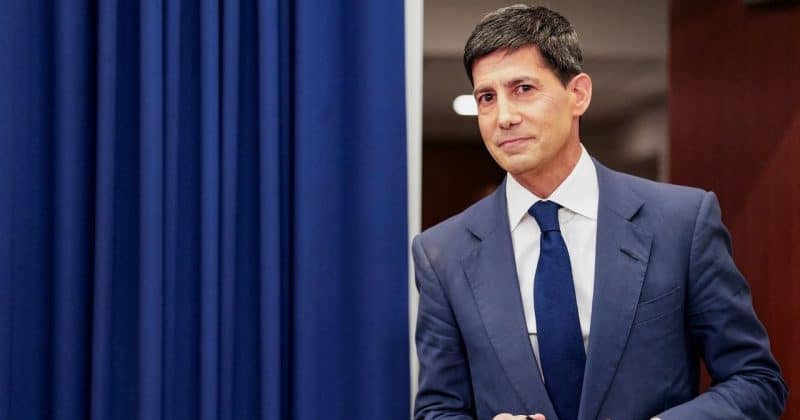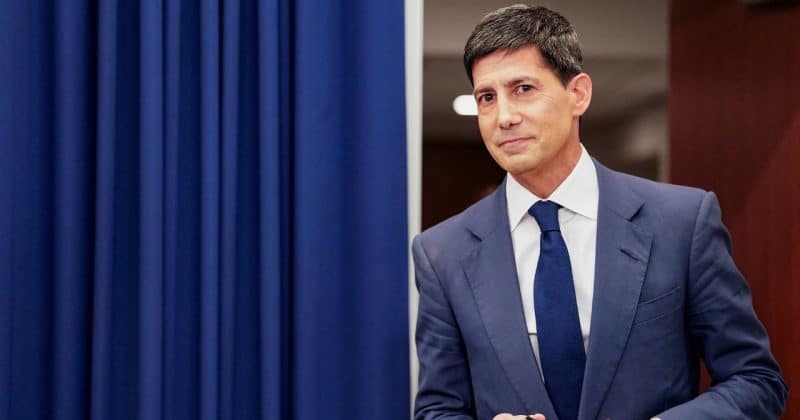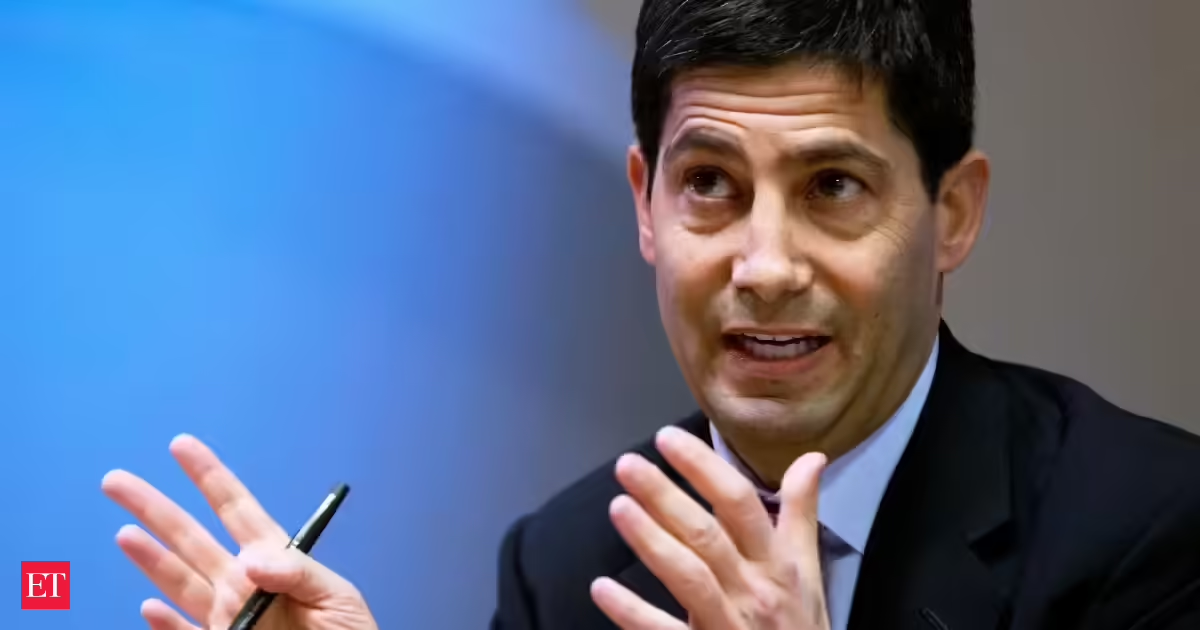
Emerging-market bonds were supposed to be catching a break. Energy prices have been falling, which typically acts like a tailwind for developing economies that import oil and gas. Instead, the nascent recovery in EM debt just ran headfirst into a wall named Kevin Warsh.
A new sheriff with an old playbook
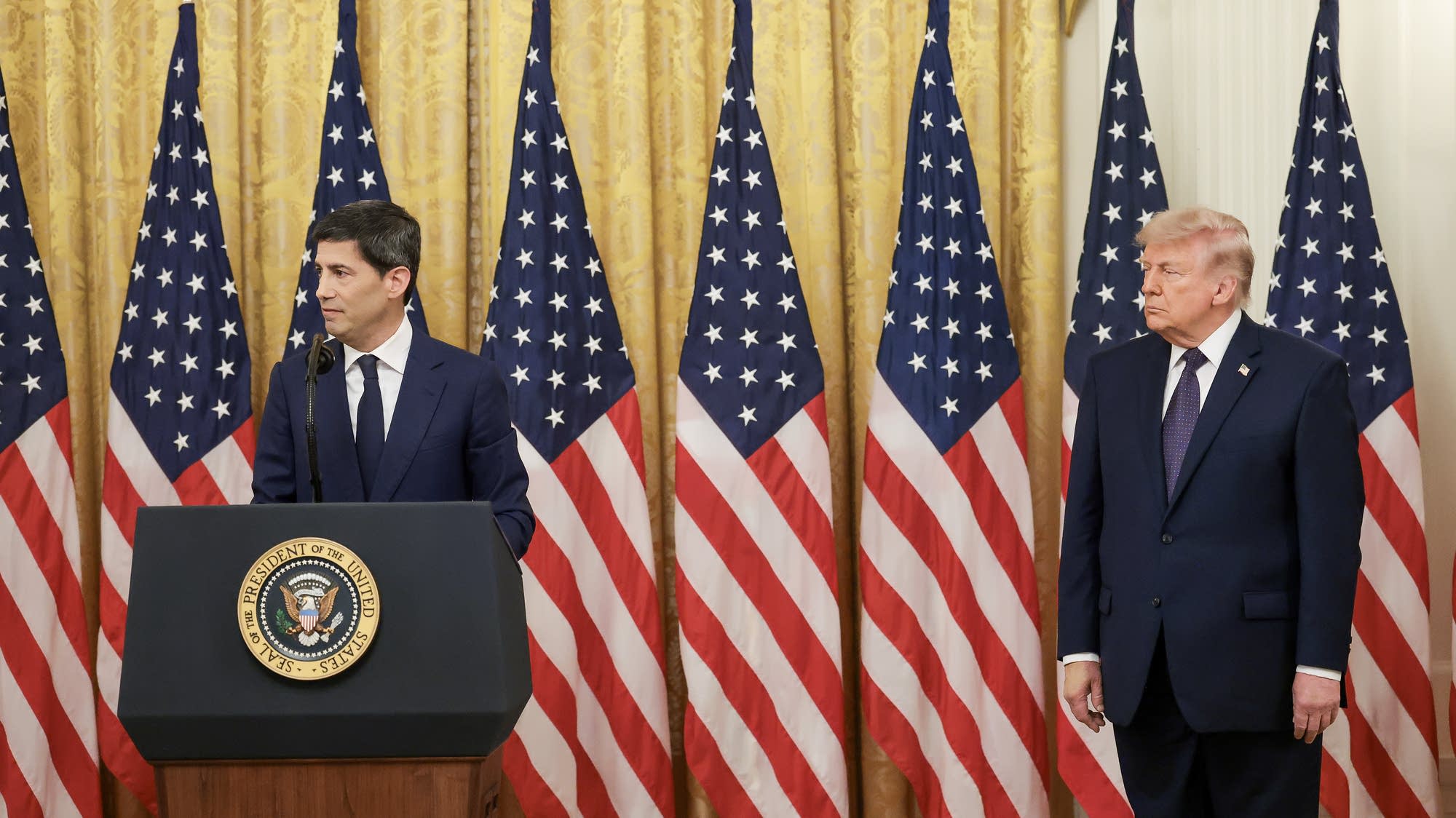
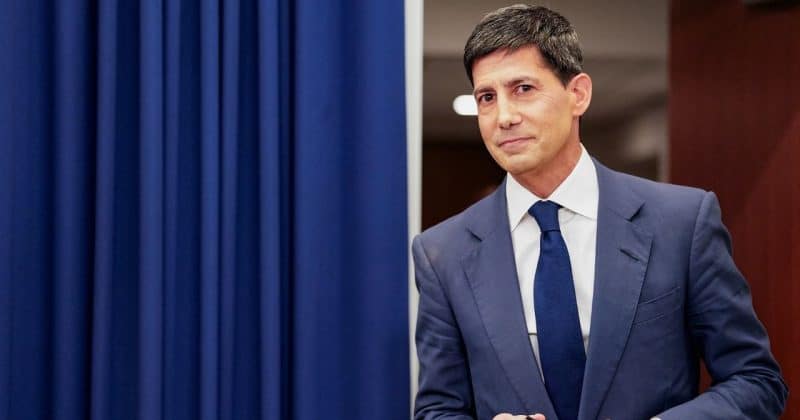
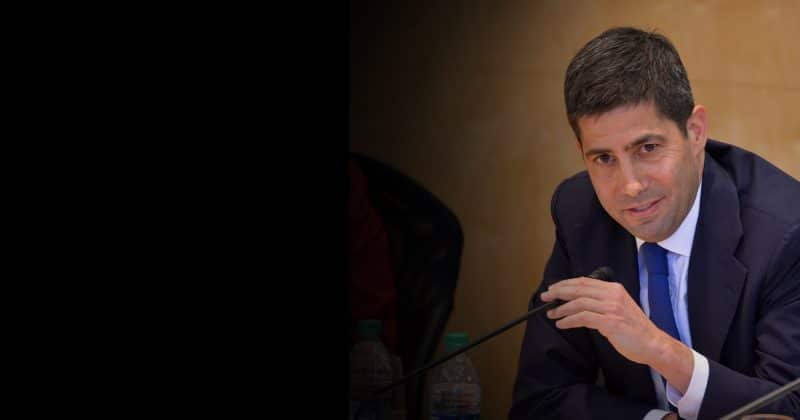
Warsh was sworn in as Fed Chair on May 22, 2026, succeeding Jerome Powell after receiving Senate confirmation. In a press conference on June 17, 2026, Warsh laid out a vision that amounts to a philosophical overhaul of how the Fed operates. He emphasized returning to a 2% inflation target and signaled a preference for letting markets dictate policy rather than the Fed actively guiding them.
He also took aim at the Fed’s bloated balance sheet, criticizing its size and indicating plans to shrink it. That’s significant because a smaller balance sheet means less Fed buying of bonds, which means less artificial downward pressure on long-term yields. When US yields rise, the gravitational pull on global capital intensifies, and emerging markets feel it first.
Why EM bonds are caught in the crossfire