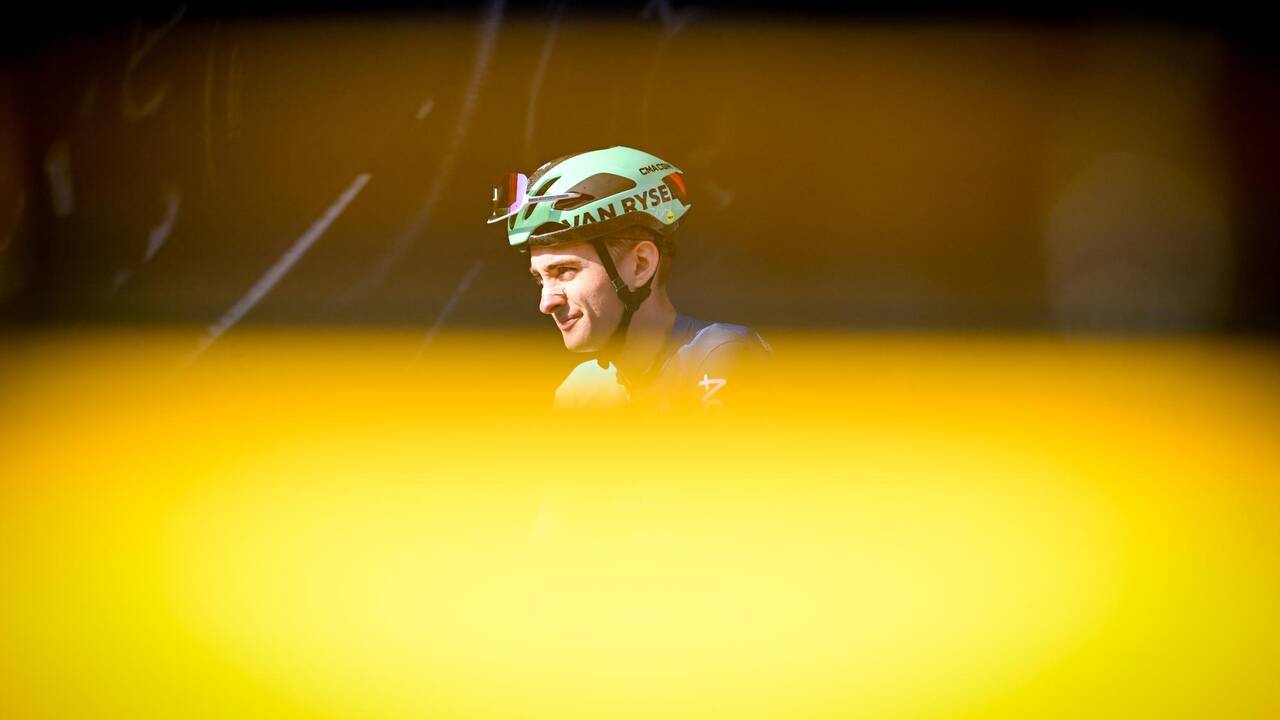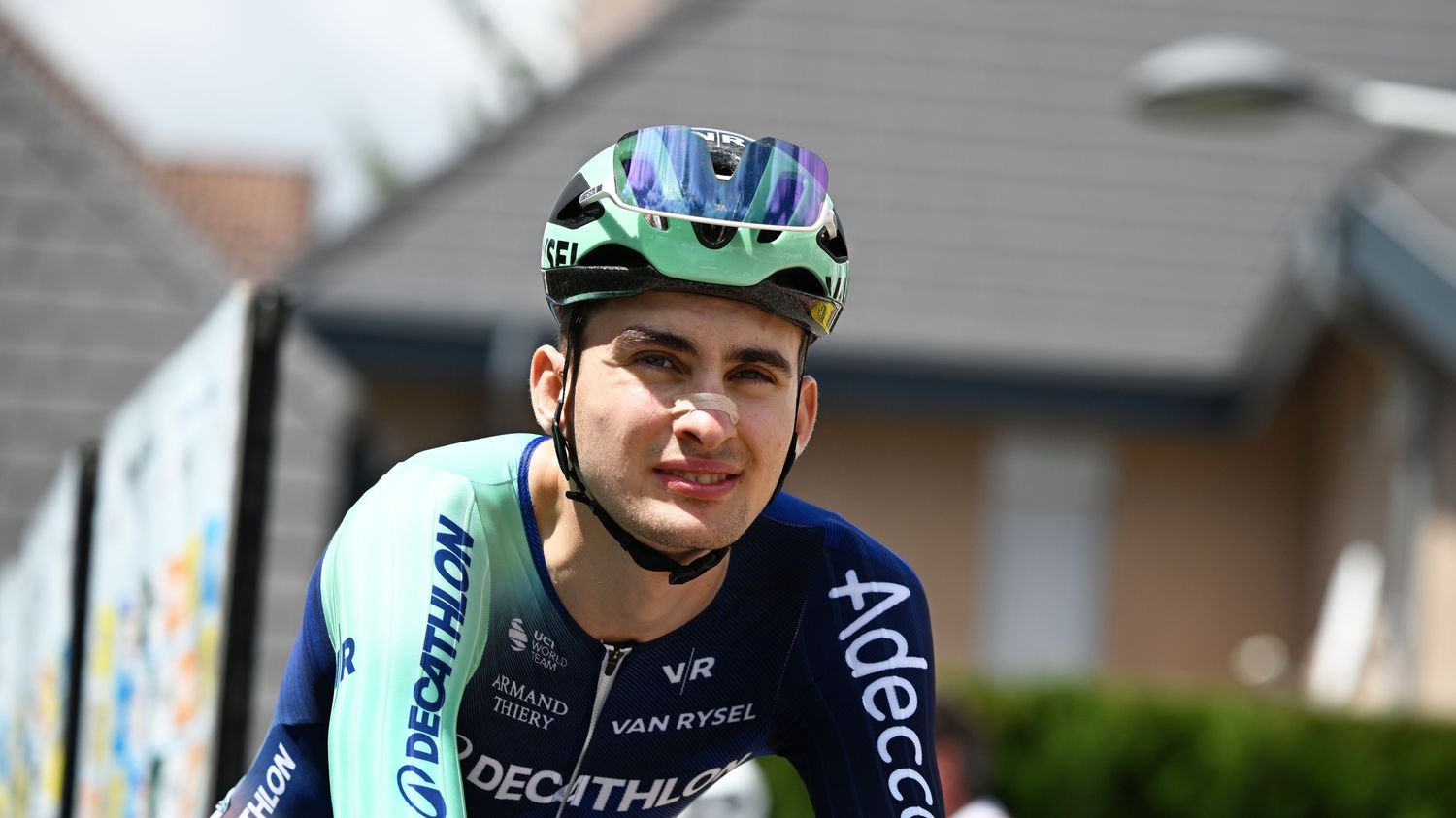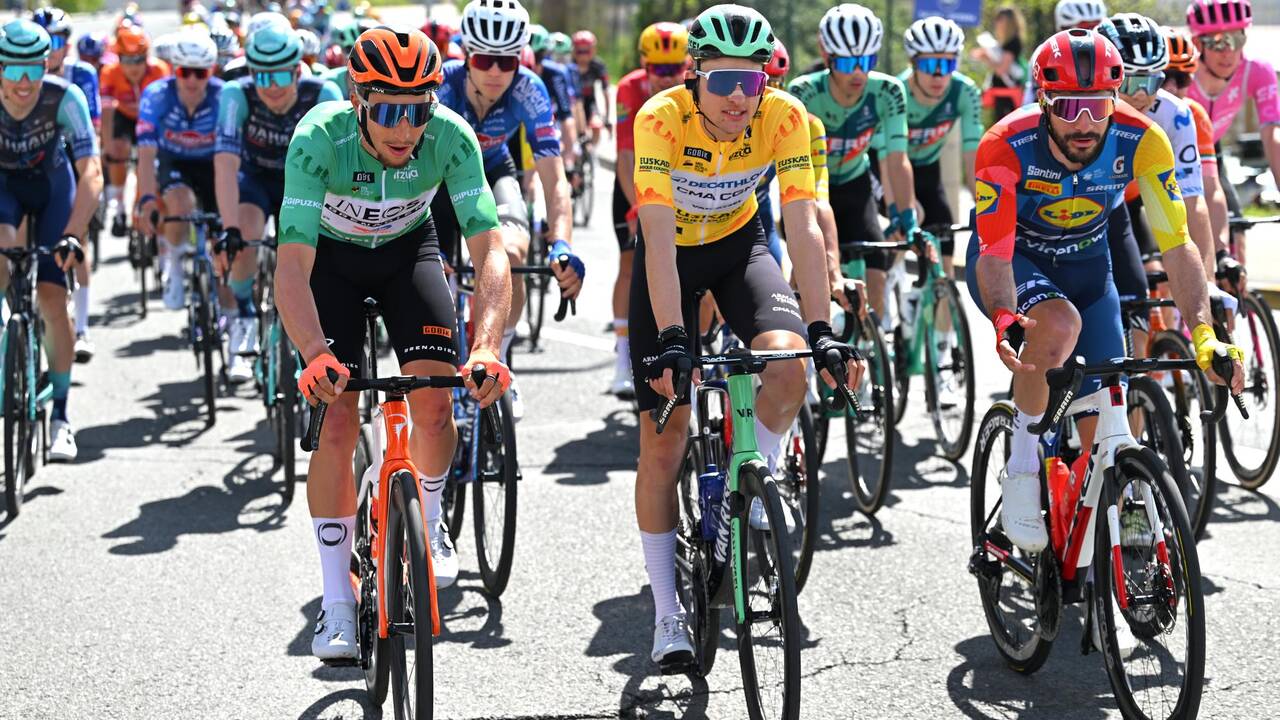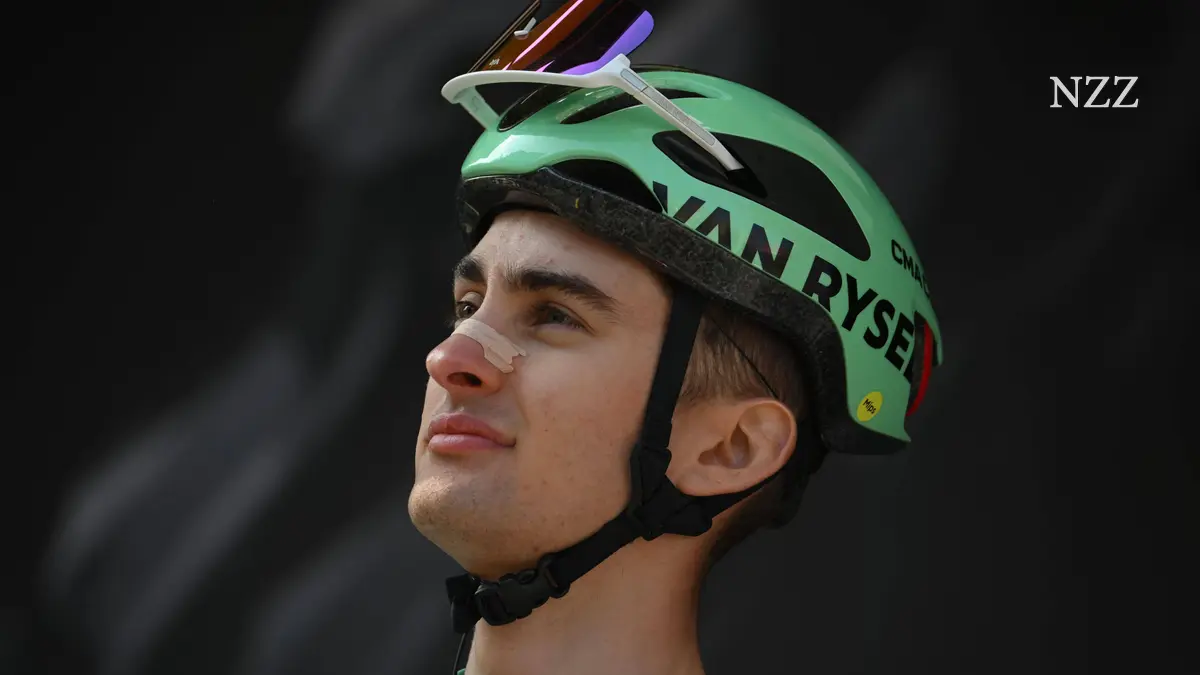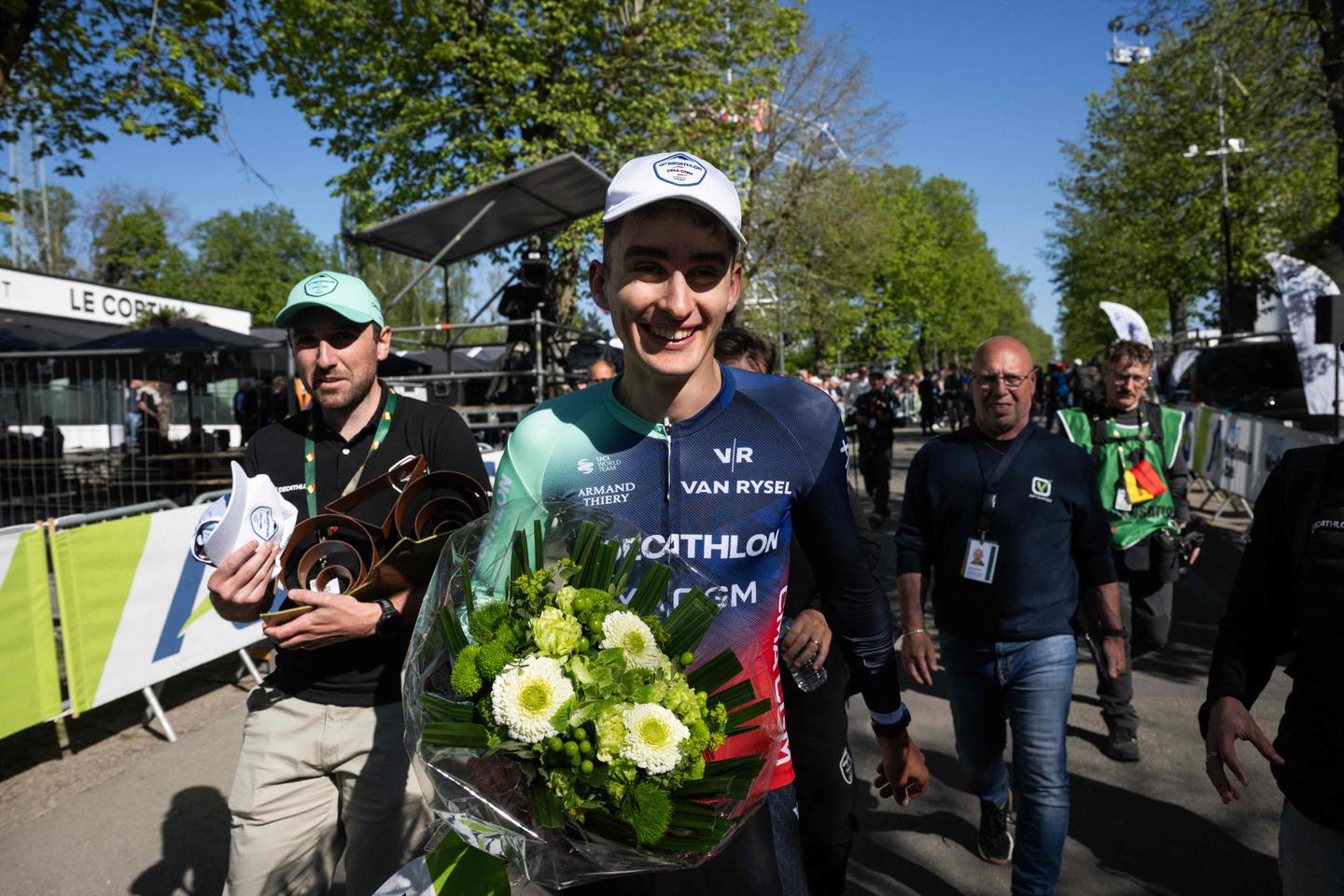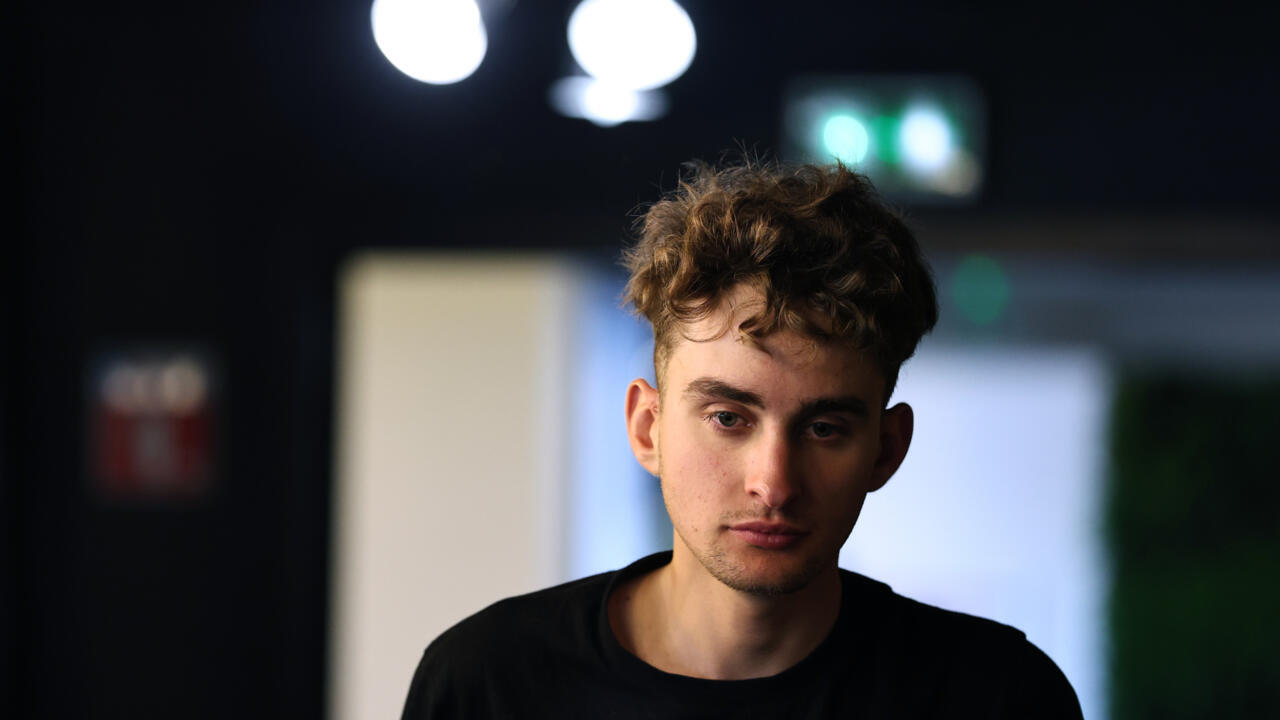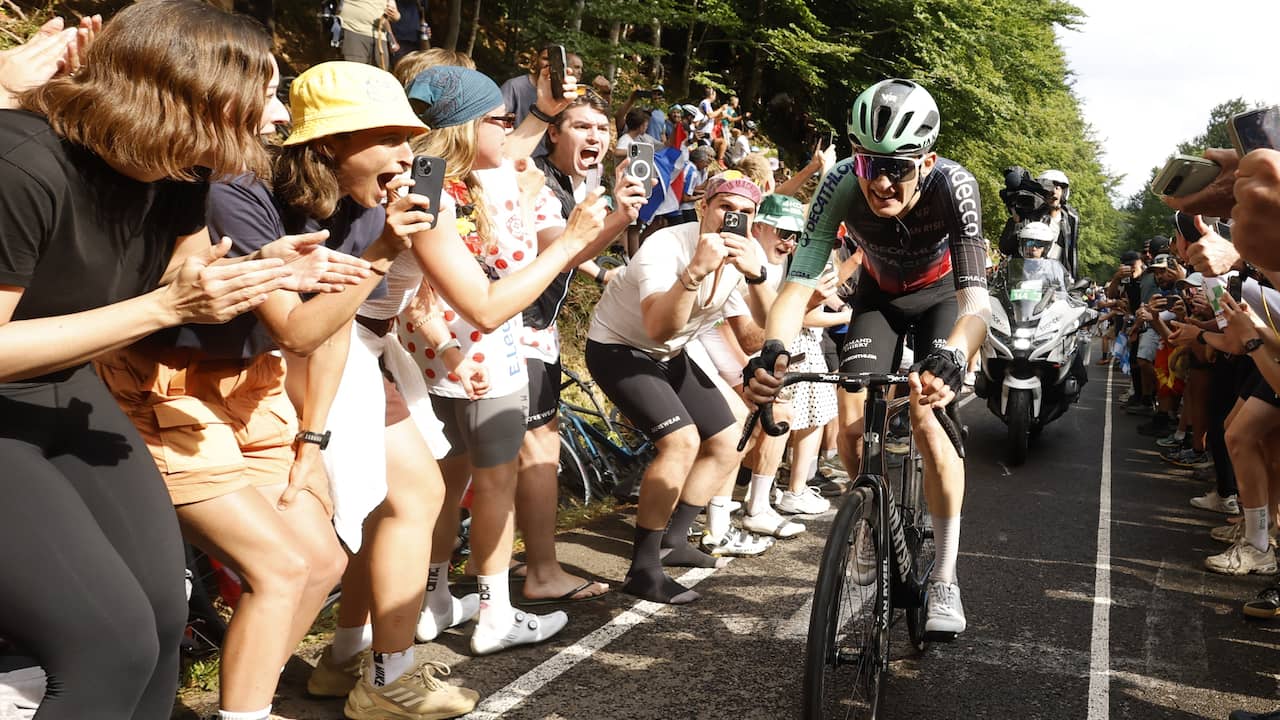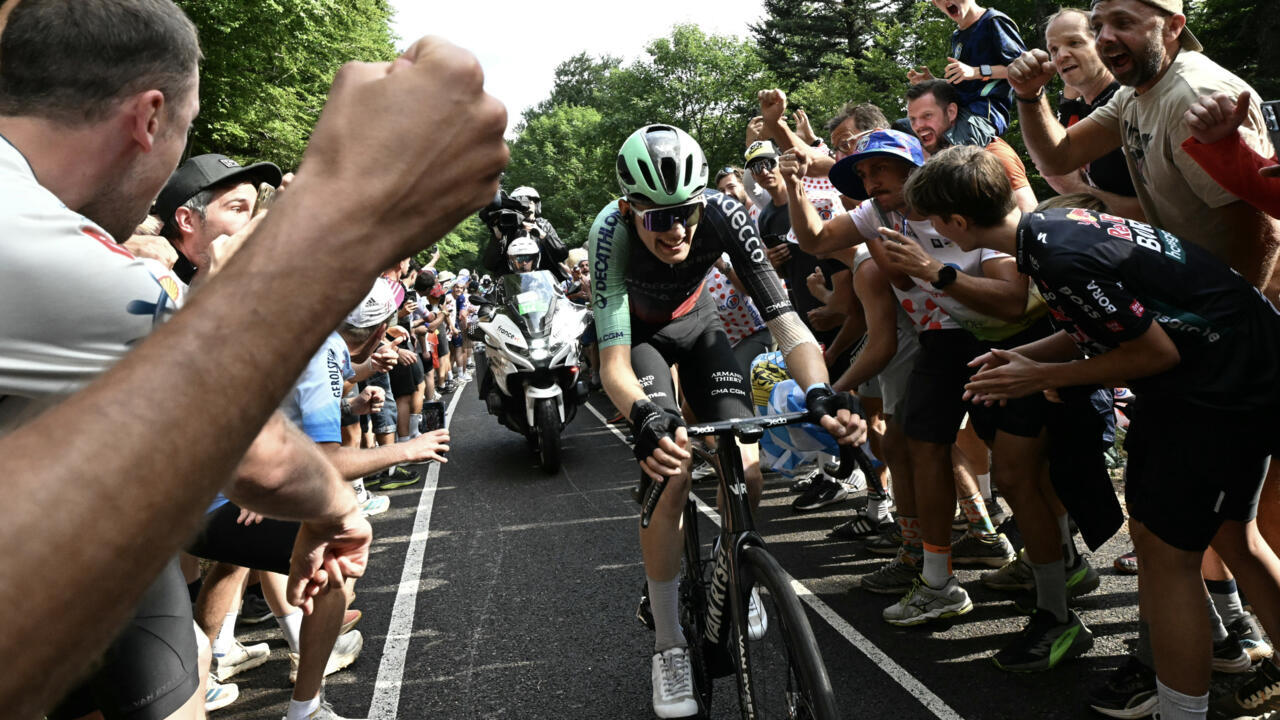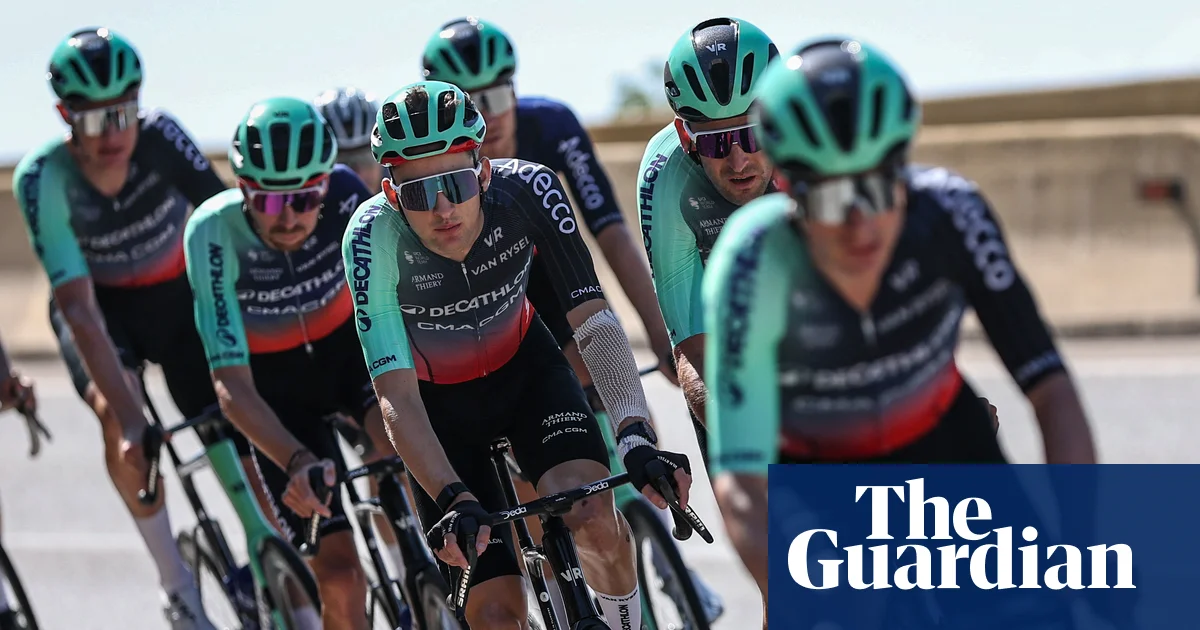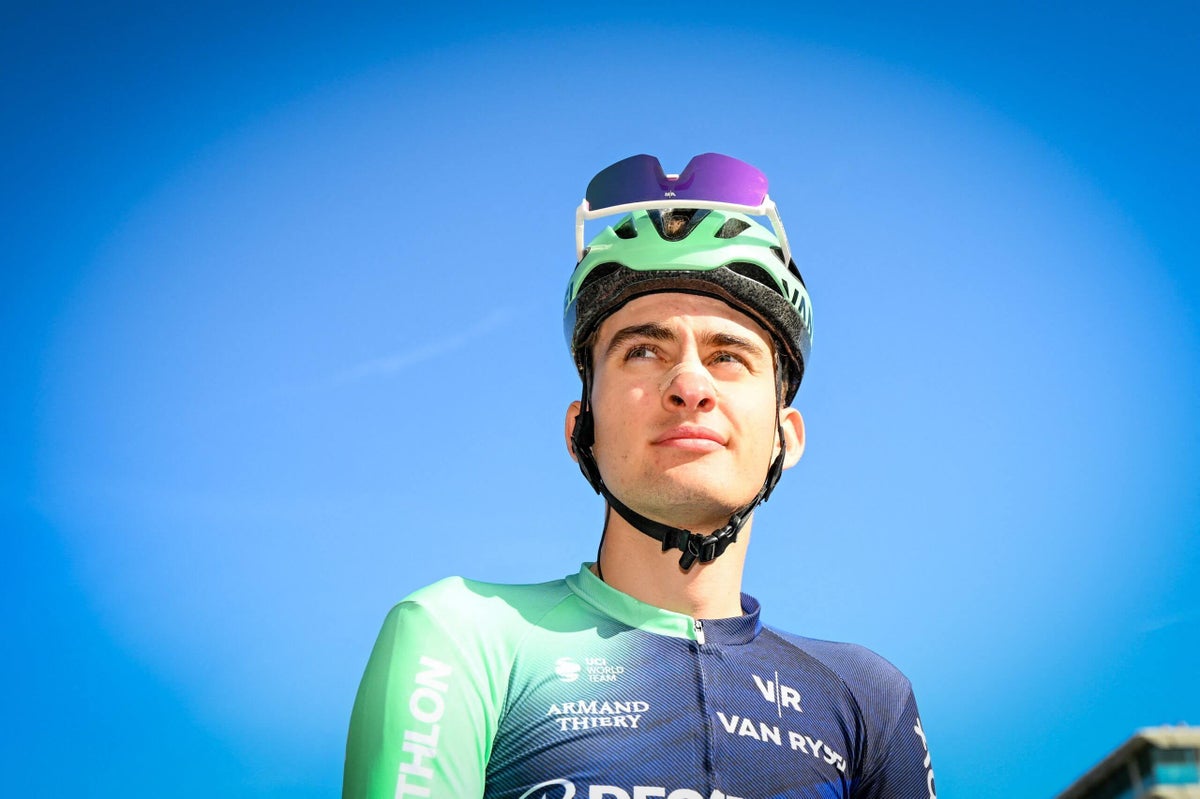
A Tour de France contender usually builds up to the sport’s emblematic race by learning the ropes at a different Grand Tour or getting several under his belt. Those prior performances give an empirical idea of what both he and the public should expect.But Paul Seixas is not like other challengers. The debutant is coming in cold, straight at the top, without a like-for-like reference point. His debut makes for one of the most exciting sub-plots of the 2026 edition: nobody, not even the teenager himself, knows what his limits are.The Decathlon CMA CGM Team leader has already shown his incandescent ability in week-long stage races, against the clock, up Belgian murs and down Basque hills.A three-week race is the only significant missing piece in the Paul Seixas puzzle. The longest Seixas has previously raced is last year’s eight-day Critérium du Dauphiné.Fortunately, it appears that his crash in this year’s (renamed) edition of that event will not stop him from becoming the Tour’s youngest competitor since 1937. Last week, his French team postponed a planned pre-race press conference due to uncertainties over their final line-up, indicating that Seixas is OK and is set to pin on a race number in Barcelona.Seixas has been doing final tune-ups at Les Arcs in the French Alps. According to L’Equipe, he underwent an MRI scan on June 23 to rule out any nagging doubts. Not the smoothest preparation for the biggest race of his fledgling career, but there ought to be no lingering after-effects.With his Itzulia Basque Country victory and three stage wins, Flèche Wallonne title and second place at Liège-Bastogne-Liège this year, Seixas made himself too good to not be picked for the Tour, in spite of his tender years.There is also an undeniable commercial imperative for French cycling’s brightest young thing to be racing on home soil for a French-sponsored team at the world’s most-watched cycling event.The conversation has moved on from whether he should race the Tour to what he can achieve there. With extraordinary performances and potential comes extraordinary hopes: Seixas has had more L’Equipe front pages (eight) in 2026 than victories (seven).The Athletic takes a look at what would make a good debut Tour de France for Paul Seixas and the likeliest outcome.Seixas celebrates after winning prestigious one-day classic La Fleche Wallonne in April (JOHN THYS / AFP via Getty Images)A podium finishOn paper, Seixas is the third favorite with leading bookmakers pre-race. In reality, finishing on the podium on his Grand Tour debut would be an extraordinary coup and an even more profound affirmation of his remarkable talent.Undefeated in stage races going back to the 2023 Tour de France, Tadej Pogačar looks a cut above the rest. Reigning Giro and Vuelta champion Jonas Vingegaard has seemingly raised his game even higher too.Seixas hung onto Tadej Pogacar’s wheel for longer than any other rider during Liege-Bastogne-Liege earlier this season (JOHN THYS / AFP via Getty Images)Remco Evenepoel and Florian Lipowitz (Red Bull-Bora-Hansgrohe) have both finished third in this race in the last two years. While the white jersey is a realistic target for Seixas, Pogačar’s in-form teammate Isaac del Toro and Lidl-Trek leader Juan Ayuso (the last man to finish in the top three of his first Grand Tour, at the 2022 Vuelta) offer stiff competition.Finishing in the top-five against such challengers would be a good July’s work. Given the race’s length and his inexperience, if Seixas has a bad day or two, it should not be a surprise.We should also broach the question no doubt on the minds of a fair few French cycling fans: can Seixas win the Tour de France at the age of 19?Yes, but the chances are very slim. It would surely require misfortune to befall Pogačar, Vingegaard or both of them. We may well see a better-than-ever Seixas at the Tour, but the same will surely go for the only winners of Tours de France in the 2020s.A stage winThis feels like the most likely outcome, as well as being a clearer marker of a successful Tour than, say, a sixth-place finish. Seixas could lose 30 minutes overall or get sick and it would not be a Tour sans if he comes away with a stage victory.The mind goes back to the most recent fresh-faced French hope who was (nearly) as trumpeted, Thibaut Pinot. In his first Tour in 2012, he had FDJ manager Marc Madiot in paroxysms of joy, banging the team car door as he urged his charge on to victory in Porrentruy. Winning a stage would be a striking way of showing that Seixas has arrived, while still leaving room for future progress.Thibaut Pinot, France’s big hope of the 2010s, rides to victory in the 2012 Tour (Doug Pensinger/Getty Images)Seixas is an aggressive rider, but having a better chance to win a stage would be helped by a little distance in the GC battle, allowing him greater freedom to join a day-long breakaway and not be chased down. Something will probably need to go wrong: he will not just sit up in the first week and lose time needlessly.Seixas may have to choose between the more conservative pursuit of a high GC finish and stage-chasing, unable to have his gateau and eat it too.A quiet Tour or a DNFIt might be tempting to call Seixas’ Tour a disappointment if he fails to win a stage or finish in the top 10, or abandons the race through illness or injury. Those are the Galibier-high standards he faces.Making it to Paris is no guarantee and would be worth something; his Tour Auvergne-Rhône-Alpes crash and abandon was a reminder of the vicissitudes at play. Three weeks in the legs can only make Seixas a better rider.Injuries from a crash forced Seixas out of the Tour Auvergne-Rhone-Alpes earlier this month (Anne-Christine POUJOULAT / AFP via Getty Images)If Seixas has a mediocre race, it bears remembering that he is playing an awfully long game. If his career was a decathlon, the 2026 Tour de France would be akin to the very first event.In the words of Voltaire: “Perfection is attained by slow degrees; it requires the hand of time.” A little perspective goes a long way. Alberto Contador was 35th in his first Tour de France and Vingegaard 46th when he made his Grand Tour bow at the Vuelta. Who remembers those results now?The Tour de France has a different dynamic to any other race. It is an exhausting test, requiring unswerving mental focus and pushing oneself to physiological exhaustion day after day. He is guaranteed to gain experience and learn new things.Then there is the media circus around it. Evenepoel waited until he was 24 to race the Tour and was in tears at his post-race press conference in 2024, a reaction to the pressure he felt. As France’s best hope of ending their 41-year barren run at the Tour, Seixas will be in the eye of an even bigger storm.There are inevitable technical and tactical aspects for the fledgling pro to work on. French cycling sage and renowned former directeur sportif Cyrille Guimard told Cyclism’Actu last week that Seixas’ descending technique is a weak point and he is too impatient.“The rhetoric is already ready: ‘Ah yes, he’ll go there to learn.’ I’m sorry, but when you take an entrance exam for a prestigious university, you don’t do it to learn how to take exams and gain experience,” Guimard said. “You go there to succeed. Paul Seixas should be doing his first Tour when he practically has all the cards in his hand to win. Today, that’s not the case.”Seixas in yellow during the Tour of the Basque country earlier this season (ANDER GILLENEA / AFP via Getty Images)It is paramount that Seixas himself and the close team around him have realistic expectations and adjust well to the inevitable ups and downs in form, feeling and fortune.If he makes it to Paris, both the Frenchman and the watching cycling world will have a lot more feedback — about his character and mindset, his recovery abilities, his fatigue resistance, even those descending skills questioned by Guimard.Most tantalizingly, we will know how he matches up to Pogačar and Vingegaard in road cycling’s ultimate test and discover whether he is already the sport’s new messiah.
What is a good Tour de France for French wonderkid Paul Seixas?
Seixas is coming in cold, straight at the top, without a like-for-like reference point. It will be a fascinating subplot at this year's race
1,378 words~6 min read