The practice of having domestic help in India has deep historical roots in the ancient hierarchical structure.
| Photo Credit: SREEJITH R. KUMAR
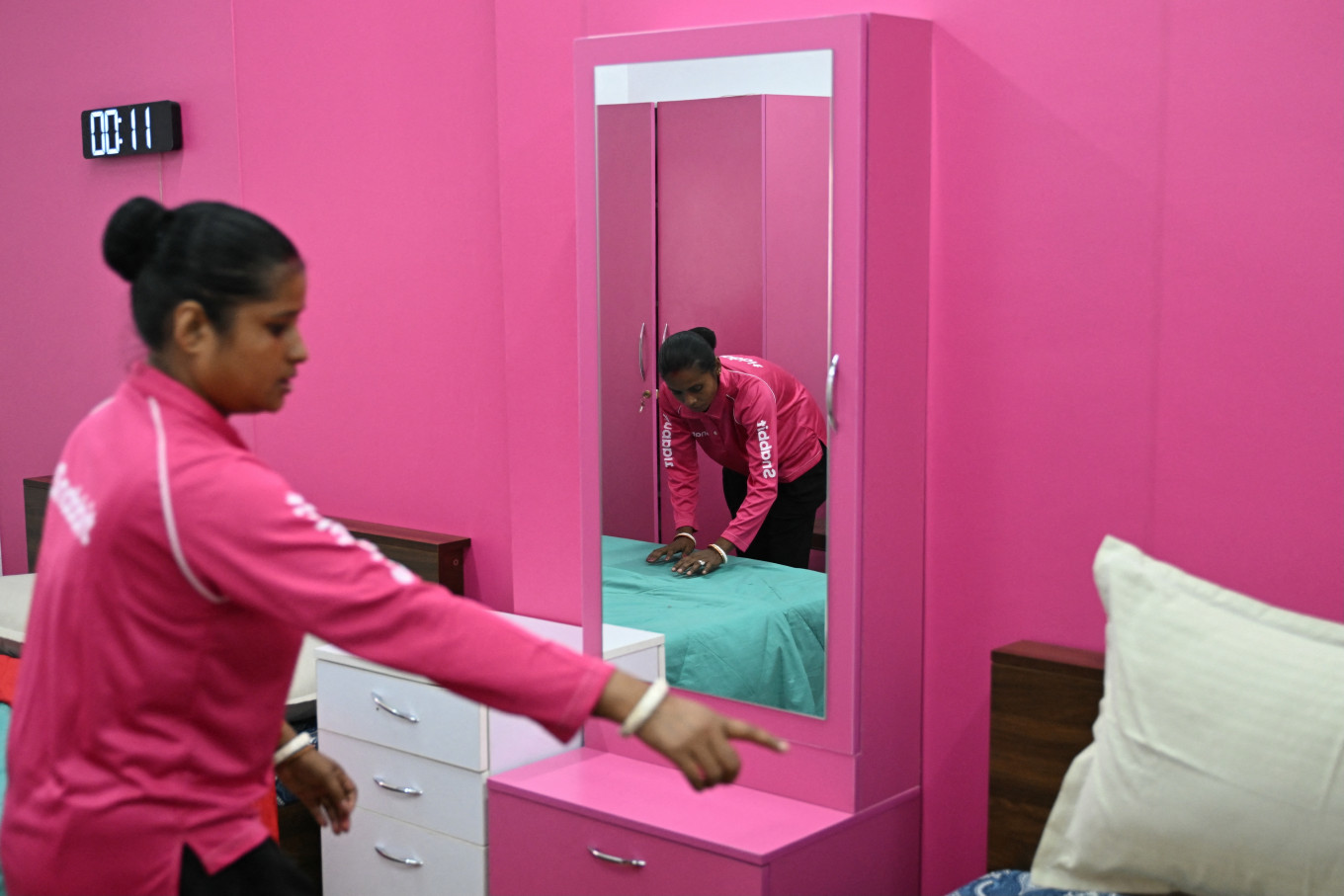
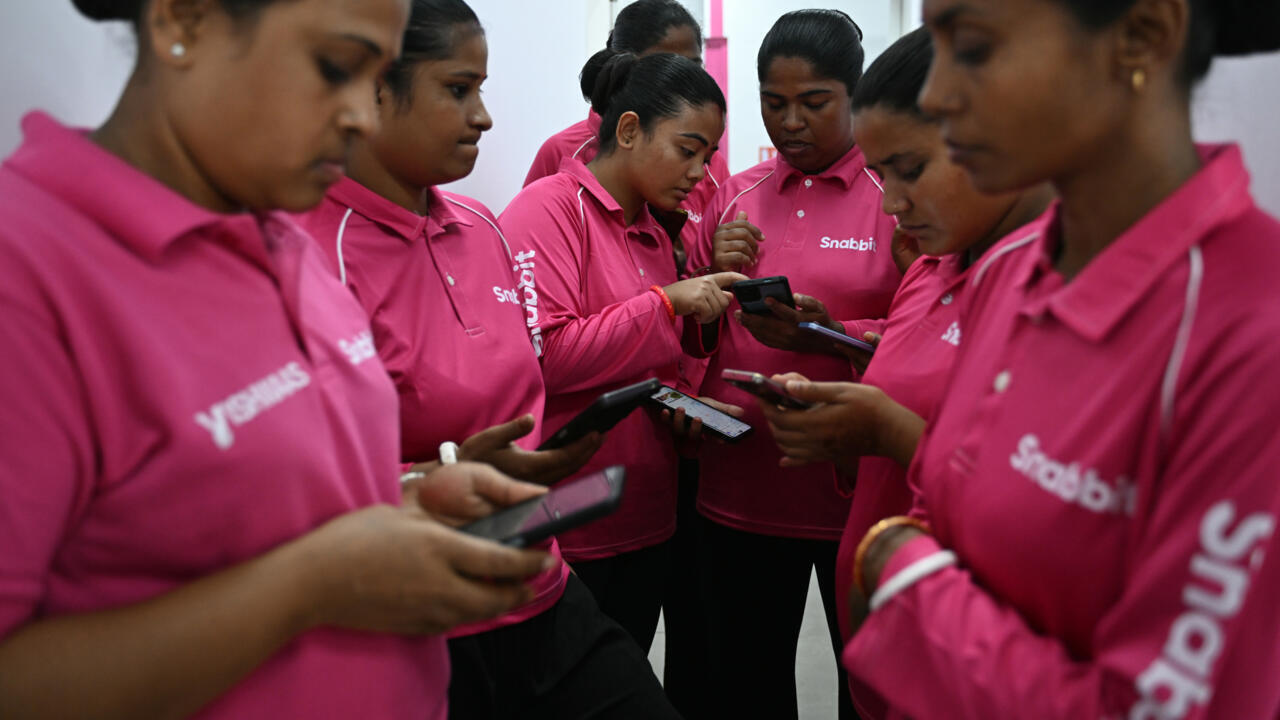
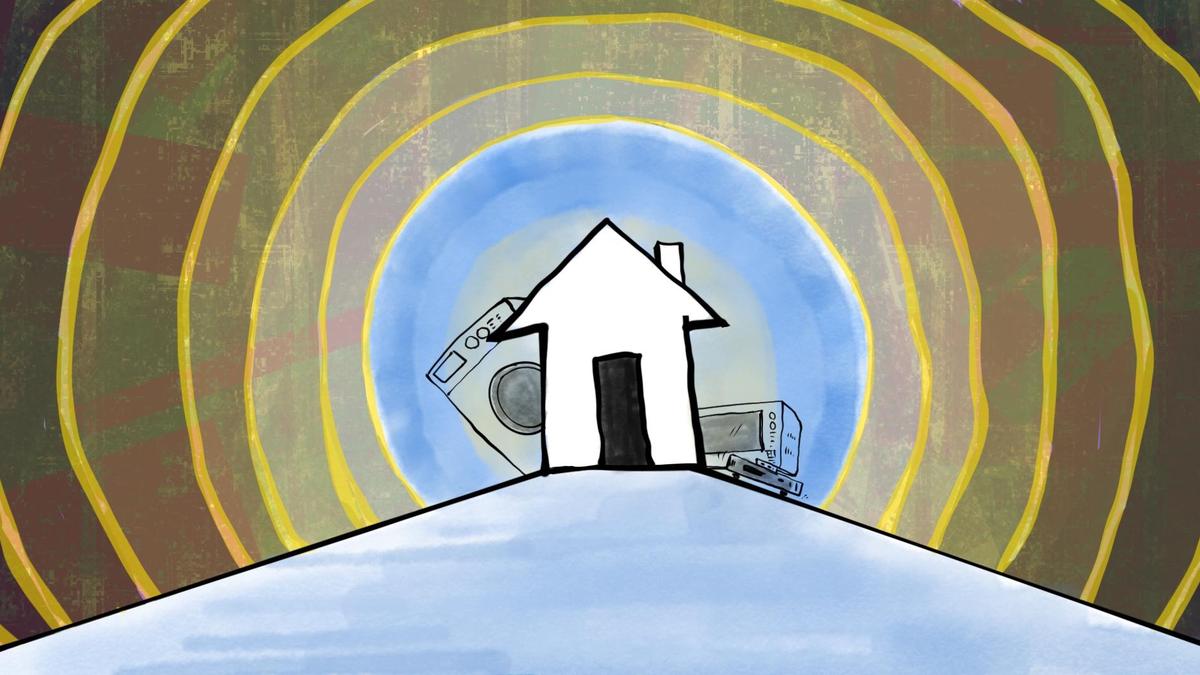
Court after court in India has been giving directives to abolish the orderly system that employs police personnel for household duties of higher or even retired police officers. These rulings are a victory for the dignity of lower-ranked personnel, while leading to a significant transition for senior officers and their families who have been traditionally relying on this system.For so long, apart from those in the police and the Army, an orderly or peon had roles that often blurred the lines between their official duties and personal service to the superiors and their families, particularly within the revenue and other administrative departments of the government. The qualifications for these workers were focused only on functional literacy, reliability, and manual skills rather than higher academic achievements.While official job descriptions lay emphasis on routine official tasks, in practice, these roles have historically included domestic chores, errands of family members, and private assistance such as gardening, walking the dog or ferrying children to school, stemming from a deeply entrenched hierarchical culture.The custom of providing high-ranking officers such as Collectors with orderlies or bungalow peons continues to this day. During an inspection of a public project by an officer, his accompanying peon with a red turban, belt or sash would add a distinct and disciplined image to the official engagement. These official assistants are intended primarily to help manage the officials’ home office and errands, which extend to personal tasks.Also read: No help for the domestic helpsThe practice of having domestic help in India has deep historical roots in the ancient hierarchical structure, evolving from a combination of caste-based duties and traditional servitude. Large retinues of servants were common in royal households. Much later, intense colonial influences institutionalised domestic services. According to Shashi Tharoor, in the early days of the British rule, wives of European officials were waited upon by “a flotilla of servants”. These included ayahs (maids) and male bearers and butlers. In the early 20th century, Western homes particularly in Britain and America underwent a significant shift from relying on live-in domestic workers to managing without them. The transition was driven more by economic shifts, changing social attitudes, and, most notably, the rapid rise of labour-saving technology.The introduction of new household appliances enabled fewer people to do more work. These included vacuum cleaners, washing machines, gas stoves, and electric ovens and irons. The First World War played a significant part in the transition.Despite the decline of domestic workers in Britain during the early 20th century, India experienced a boom with the 1931 Census showing a high concentration of workers in domestic service, particularly in cities such as Kolkata, Mumbai, and Chennai. Those were days of joint families where there were generations of workers who served the same lineage.Later, elite urbanites employed several helpers: maids, cooks, cleaners, ironers, and drivers. There was at least one helper in each household. For many years now, a common sight in towns and villages is the house-to-house visit of maids early in the mornings, often before daybreak to sweep, mop, and draw Kolam, the design drawn using rice flour in the front of houses as a part of daily routine. Domestic help had become almost indispensable.Unorganised, undocumentedEmploying an estimated 50 million to 90 million people, the Indian domestic helper market caters to every urban household while remaining unorganised and undocumented. The present outlook suggests that finding reliable household help will become increasingly difficult in the days to come due to rising education levels and economic development, creating a significant supply-demand gap. The future domestic work market will be characterised by higher costs, higher requirements for professional training, and increased reliance on technology to bridge the gap.Police households where assistance of orderlies has been discontinued could get alternative government-aided or private arrangements. However, eventually self-help should be the best policy to be adopted not only by these households, but by all, by embracing minimalism and modern appliances. Indians living abroad have already adopted it. All that is required is significant planning, simplification of lifestyle, and team effort. Managing without help can increase self-dependence and lead to a more organised personal space.ramaraon2014@gmail.com Published - June 28, 2026 03:47 am IST