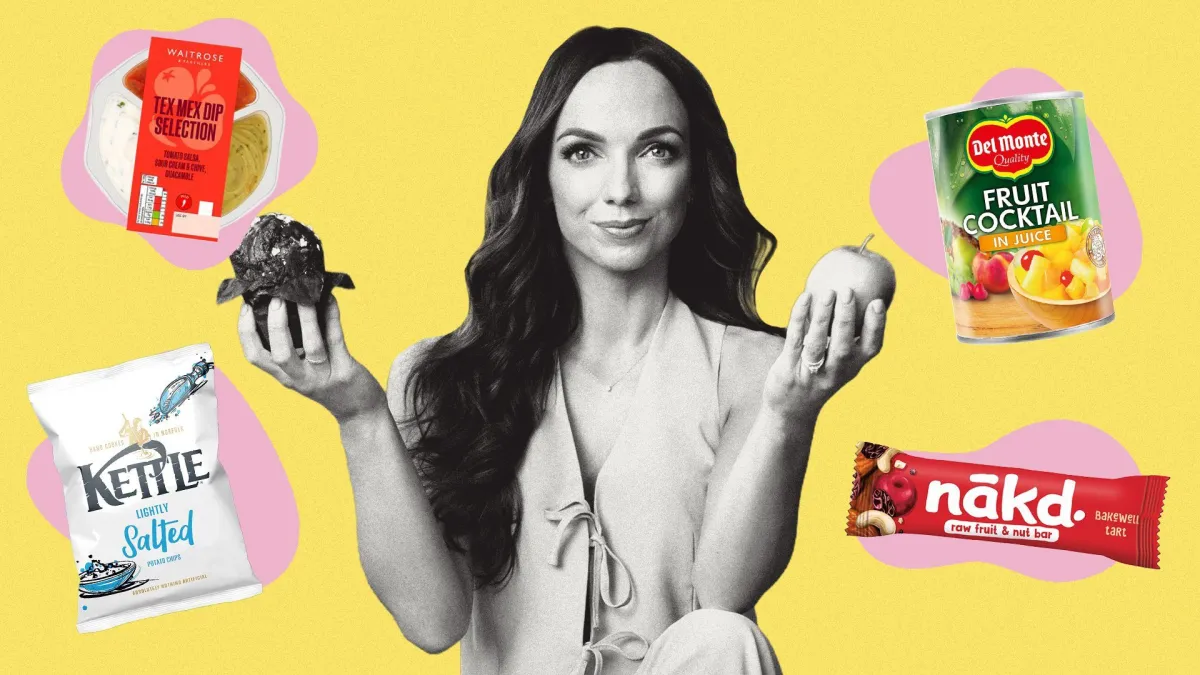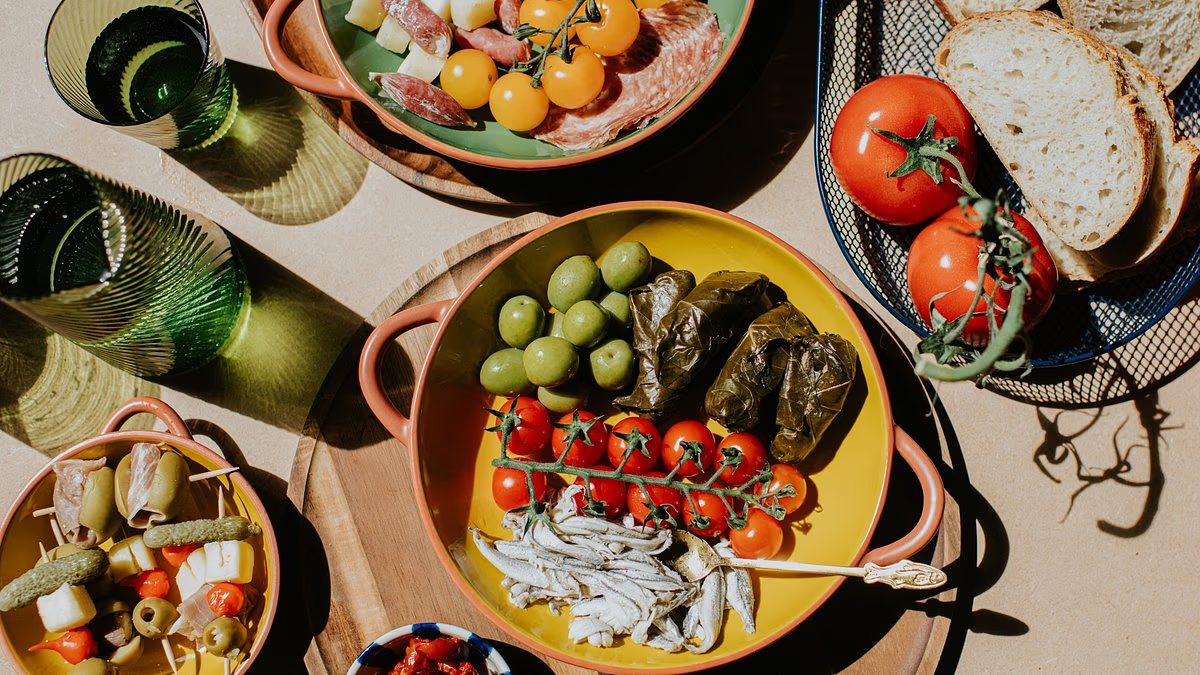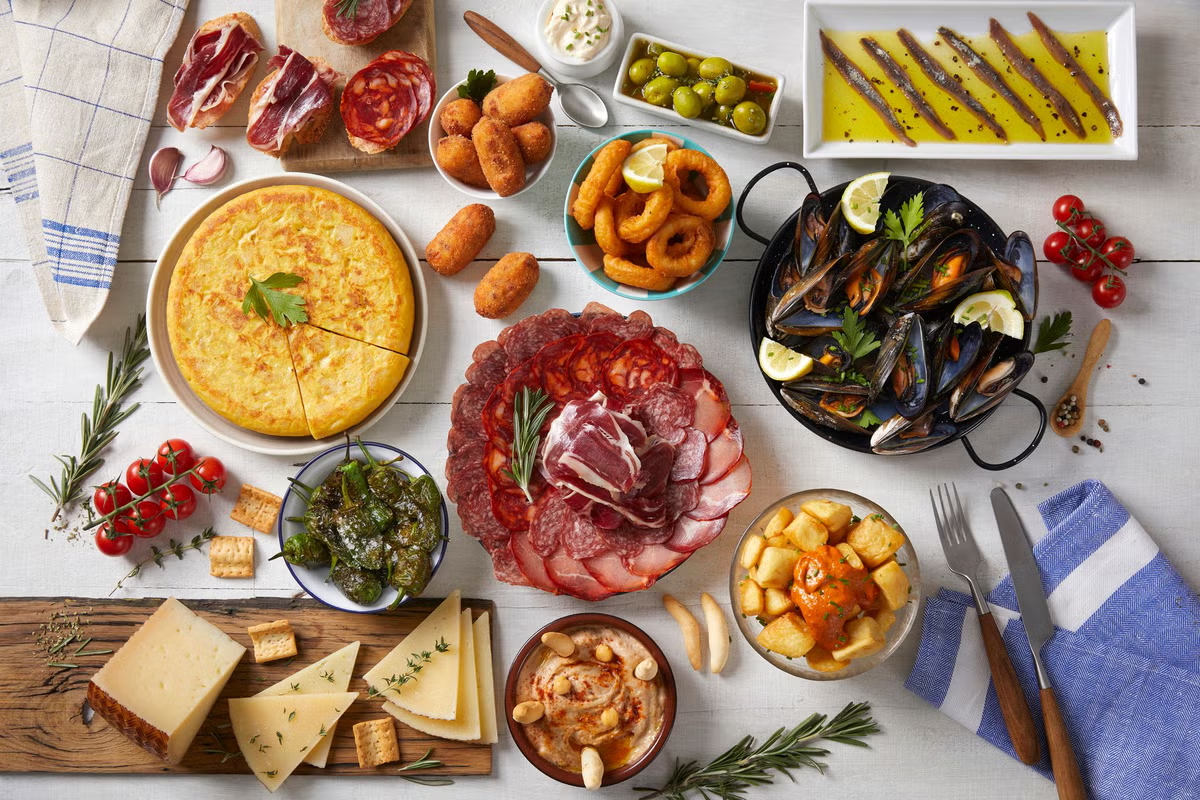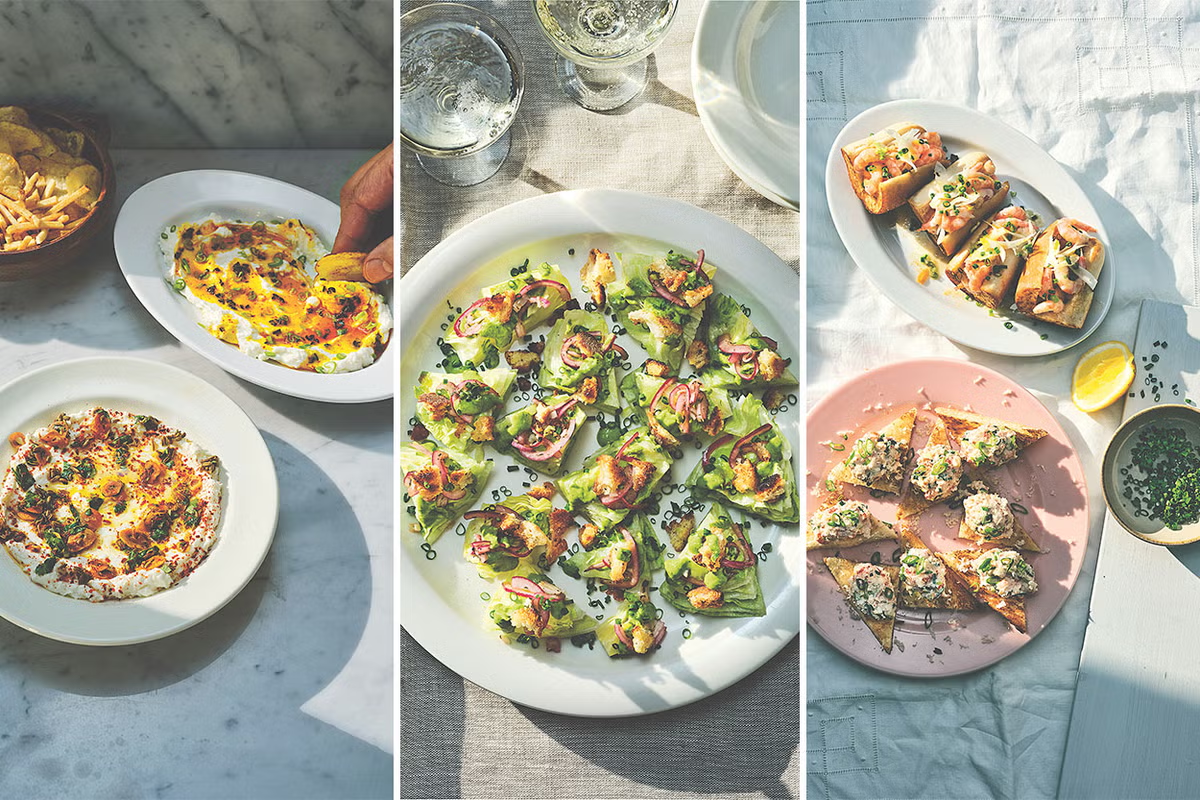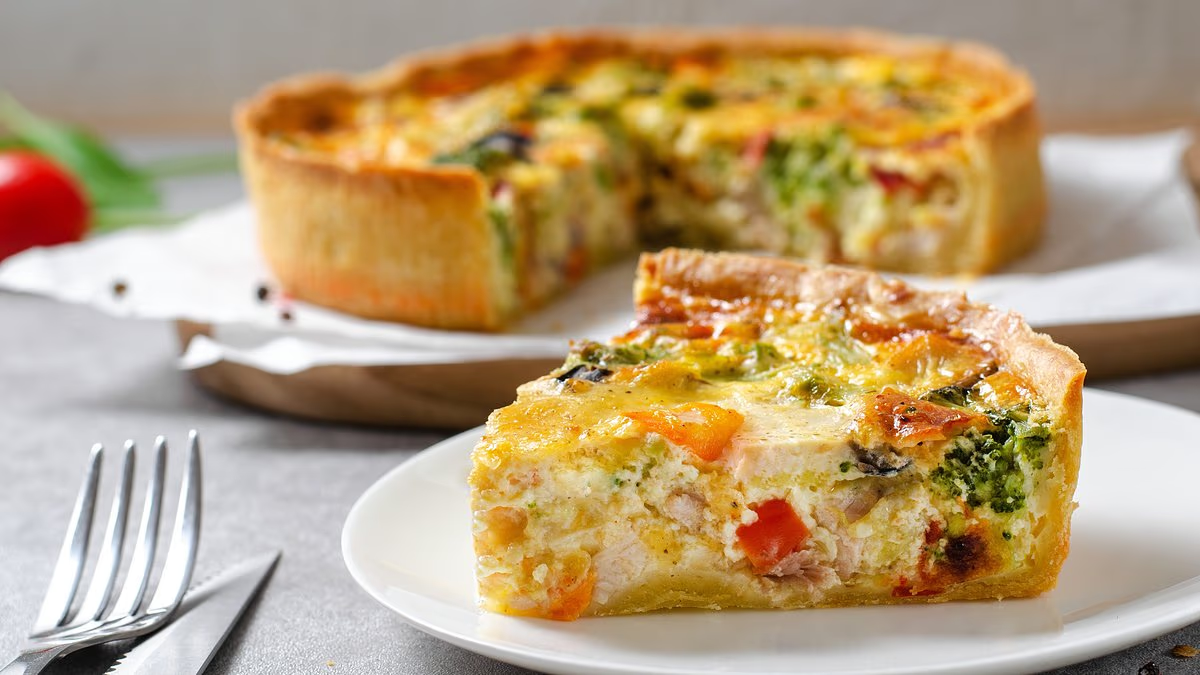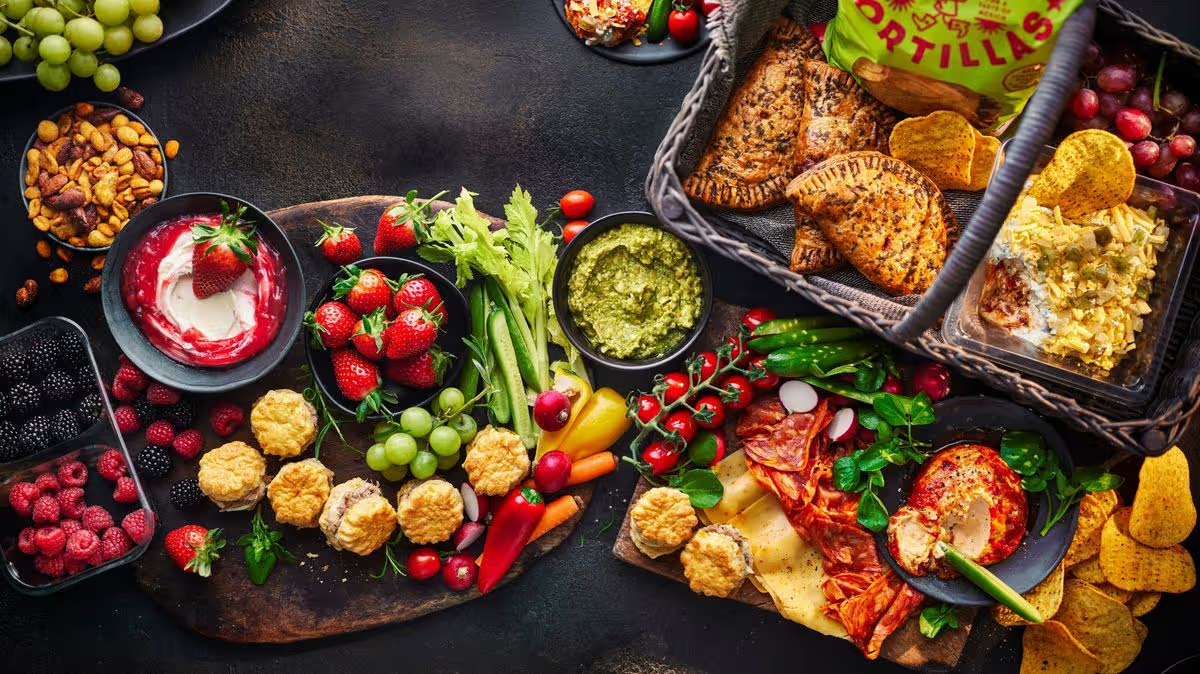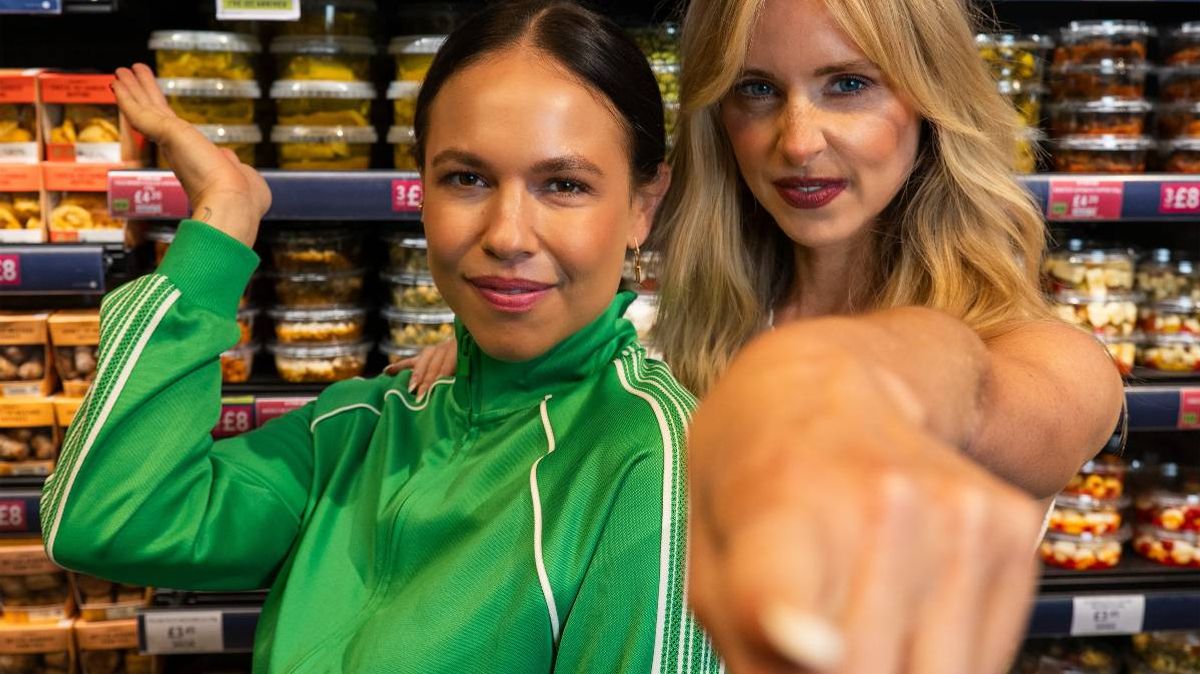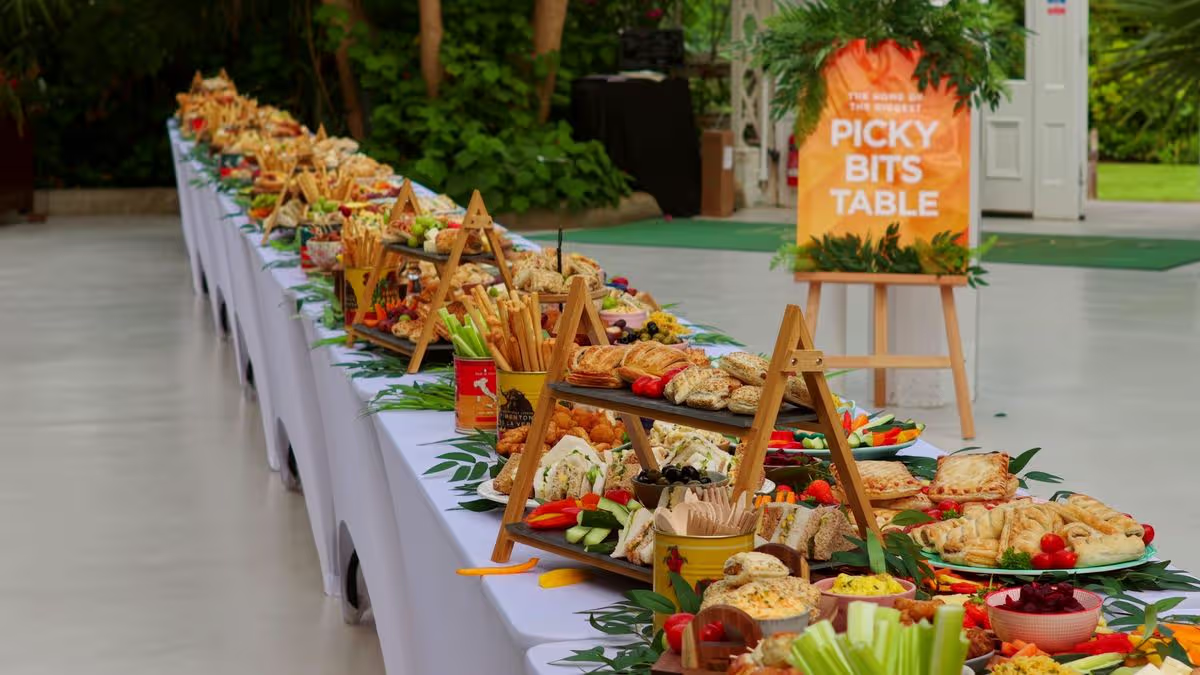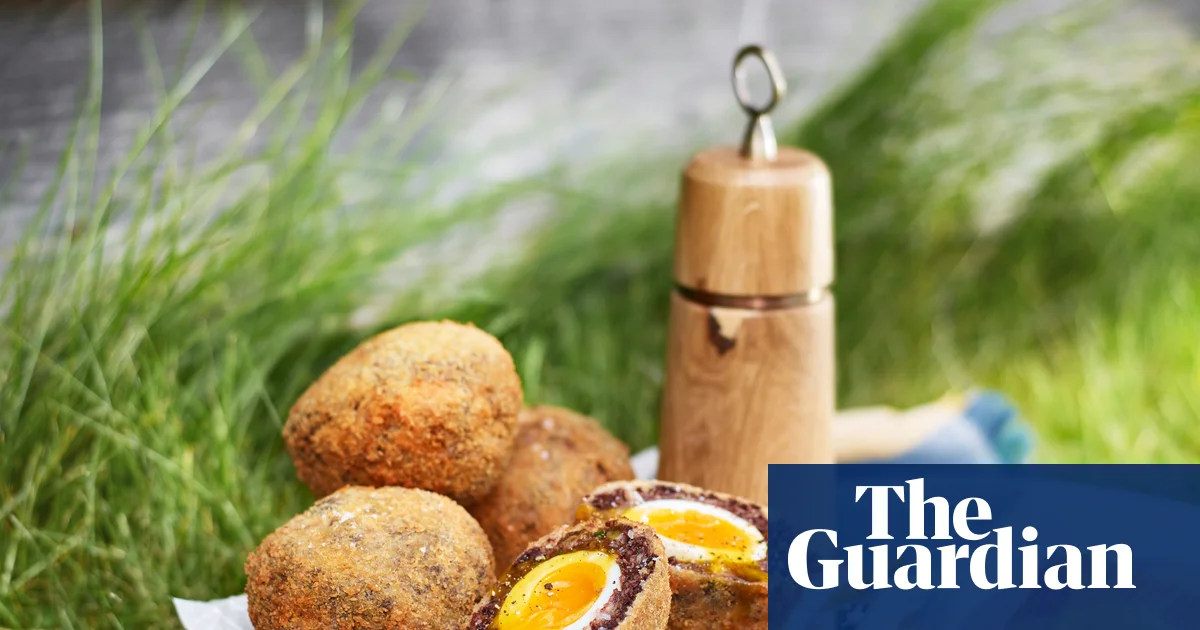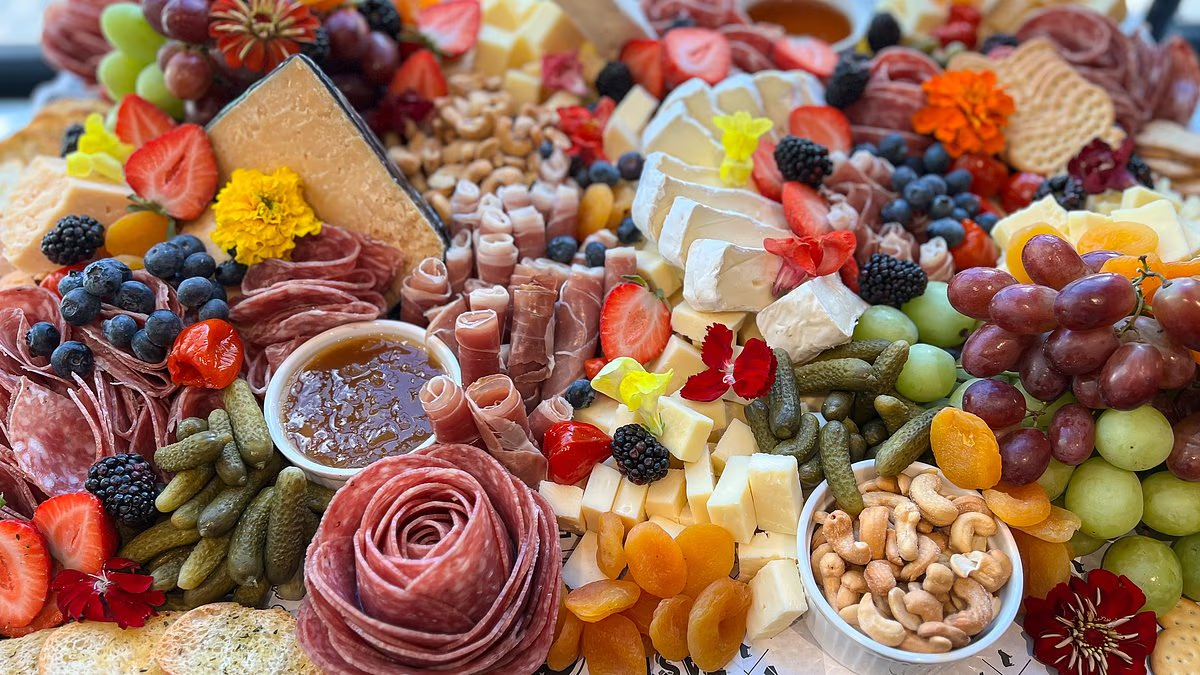
As temperatures rise, the urge to cook dinner plunges – which means it’s time to dish up some picky bits.An evolution of the classic 1980s “mum fridge salad” – bits and bobs plated up straight from the fridge, from slices of ham and a dollop of piccalilli to beetroot, quiche and a hefty scoop of coleslaw – the picky tea has moved with Britain’s changing tastes.In 2026, you’re more likely to be grazing on calamari rings, arancini, hummus, olives and charcuterie, with supermarkets – including picky bits pioneers Marks & Spencer – launching products designed exactly for this kind of low-effort, grazing-style meal.But while a little bit of everything might sound like the perfect way to pack in nutrients, protein and fibre, picky bits can tip into seriously calorific territory very quickly - and often contain more than a substantial meal.'Having a meal of picky bits can be surprisingly calorie-dense because they combine several energy-rich foods in one sitting,' says Rob Hobson, registered nutritionist and author of Unprocess Your Family Life. 'And, because these sorts of meals usually contain lots of different flavours and textures, they encourage grazing, which makes it much harder to keep track of how much you've actually eaten.' They are often sociable too, with a bottle of wine uncorked just as the plastic lids are ripped off dinner - adding even more calories (and sugar) into the equation. With this in mind, Mr Hobson names the picky bits that can be piled high more freely – and the ones that should be eaten sparingly. An elaborate grazing board - or picky tea - is a feast for the eyes, but can become calorific, fastHam Per 100g serving: Calories: Up to 250 calories, depending on the type.Fat: ~20 grams Rob Hobson says: 'Processed meats are also high in salt and, in many cases, contain nitrites or nitrates, so they're best enjoyed as an occasional treat rather than an everyday staple. Make it healthier: 'Pairing them with plenty of fresh vegetables can help create a more balanced spread.' Cheese boardPer 100g serving: Calories: Up to 300 for a wedge of brie Fat: ~28 grams Rob Hobson says: 'Cheese is a nutritious food that provides high-quality protein and calcium, but it's also rich in saturated fat and calories. It's easy to keep picking throughout the evening without realising how much you've eaten.' Make it healthier: 'Serving cheese with fruit, wholegrain crackers and vegetables can help make the board more balanced. Strong-flavoured cheeses such as mature cheddar or blue cheese can also be more satisfying, meaning you may need less to feel content.'Coleslaw Supermarket coleslaw can be more mayo than vegetables, our expert warnsPer 100g serving: Calories: 175 Fat: 22 grams Rob Hobson says: 'Shop-bought coleslaw often contains more mayonnaise than vegetables, making it much higher in calories than people expect. Don't let the cabbage fool you into thinking it's automatically a healthy side dish because it's usually the dressing that contributes most of the calories.' Make it healthier: 'If you're making it at home, try using a mixture of Greek yoghurt and a little mayonnaise to keep the creamy texture while cutting back on calories.'Do you want to lose a stone in six weeks?Hi, I'm Emma Bardwell, a nutritionist with more than 15 years' experience helping people improve their health and lose weight.I've been there. I was overweight, unhappy with my skin and stuck in a rut. Then I changed the way I eat. You can now do the same with my tried-and-tested healthy eating plan. And for DailyMail+ subscribers, it's completely free. Click here to sign up and start your journey HummusPer 100g serving: Calories: 177 Fat: 10 grams Rob Hobson says: 'Hummus is made from chickpeas, which provide fibre and plant protein, but it's also made with tahini and olive oil, making it relatively calorie-dense. 'Portion size is key, as it's easy to eat several servings when repeatedly dipping throughout an evening.'Make it healthier: 'It's a nutritious choice, especially when you pair it with crunchy vegetables rather than large amounts of bread or crisps.'GuacamolePer 100g serving: Calories: 200 Fat: 18 grams Rob Hobson says: 'Guacamole is rich in heart-healthy unsaturated fats, fibre and potassium thanks to the avocado. Although it's higher in calories than many dips, it's generally a more nutritious option and works well with vegetable crudités or alongside a meal rather than endless tortilla chips. 'Unlike many creamy dips, the fat in avocado is predominantly unsaturated, making it a more nutritious choice overall.'Chicken drumsticks Removing the skin from cooked chicken can reduce calories and fat Per 100g serving: Calories: 262 (with skin), 150 (skinless)Fat: 11 grams (with skin), 6 grams (skinless) Rob Hobson says: 'Chicken legs are one of the better choices on a picky table because they're naturally rich in protein, which helps keep you fuller for longer. 'They're also likely to be far more filling than many of the snack foods on the table, making them a sensible option if you're genuinely hungry.'Make it healthier: 'Removing the skin reduces both calories and saturated fat if that's your goal.' CruditésPer 100g serving: Calories: 30 Fat: 0 grams Rob Hobson says: 'Crudités are one of the few foods on a picky table that you can eat generously without worrying too much about calories. They add fibre, vitamins and crunch, and work particularly well when used to scoop up dips instead of crisps or bread. 'Starting with the vegetables before reaching for the crisps or bread is a simple way to naturally keep the overall meal more balanced.'Pasta saladPer 100g serving: Calories: Up to 260 Fat: 16 grams Rob Hobson says: 'Many shop-bought pasta salads contain generous amounts of oil or mayonnaise, which can significantly increase the calorie content. Make it healthier: 'Making your own with wholegrain pasta, plenty of vegetables and a lighter dressing is often a healthier option. Many supermarket versions also contain relatively little vegetables, so you're often getting far more pasta than you realise.' Potato saladPer 100g serving: Calories: 150 Fat: 14 grams Rob Hobson says: 'Potatoes themselves are highly nutritious as they provide fibre, vitamin C and potassium, but traditional potato salads can become calorie-rich once you coat them in mayonnaise.'Make it healthier: 'A dressing made with crème fraîche or Greek yoghurt, mustard and herbs offers a lighter alternative. Adding fresh herbs, spring onions and a squeeze of lemon is an easy way to boost flavour without relying on extra mayonnaise.'Cocktail sausages If you can control yourself and only eat five sausages, the calories aren't too bad Per five sausages: Calories: 115 Fat: 8 gram Salt: 1 gram Rob Hobson says: 'Cocktail sausages are easy to overeat because they're small, but they're often high in salt and saturated fat. 'Vegetarian versions aren't automatically healthier, as many are still highly processed and can be just as high in salt. Their bite-sized nature makes them particularly easy to eat mindlessly while chatting or having a drink.' Scotch eggPer portion: Calories: 350Fat: 18 gram Salt: 1 gram Rob Hobson says: 'A Scotch egg does provide protein from the egg and meat, but it's also coated in breadcrumbs and usually fried, making it a relatively high-calorie snack. 'It's best viewed as an occasional indulgence rather than a light nibble. If you're choosing one, think of it as a small meal rather than just another canapé.' Pork pie Pork pies are calorie dense and salty Per individual 75g pork pie: Calories: 280Fat: 22 gram Salt: 1.5 gram Rob Hobson says: 'Pork pies are particularly energy-dense because they combine pastry with fatty meat. They also tend to be high in saturated fat and salt, so portion size is worth keeping in mind. 'Thanks to their protein and fat content, they're likely to be more filling than many other picky foods, but it's still easy for the calories to mount up if you're eating them alongside lots of other nibbles.' FlatbreadsPer 35g flatbread: Calories: 120Fat: 1.4 gram Rob Hobson says: 'Flatbreads can seem lighter than sliced bread, but they're still a concentrated source of calories and are easy to keep dipping without noticing how much you've eaten.' Make it healthier: 'Try pairing them with protein-rich dips and vegetables to make them more satisfying. Wholegrain varieties can provide a little more fibre, helping to make them slightly more filling.'CrispsPer 30g serving: Calories: 165Fat: 10 gram Salt: 0.5gRob Hobson says: 'Crisps are designed to be highly palatable, making it easy to eat far more than a single serving. They contribute calories but very little in the way of protein or fibre, so they're rarely filling.' Make it healthier: 'If you enjoy crisps, serving a portion in a bowl rather than eating from the bag makes it much easier to see how much you're having.'Olives Be mindful of how many olives you add to your plate Per 10 olives: Calories: 60Fat: 6 gram Salt: 1.2gRob Hobson says: 'Olives contain heart-healthy unsaturated fats and beneficial plant compounds, making them one of the better picky foods. They're still relatively calorie-dense and can be high in salt, so a handful is plenty. 'They're a great example of how a food can be both nutritious and calorie-dense at the same time.'Calamari ringsPer 100g serving: Calories: 175 (breaded), 92 (unbreaded)Fat: 12 grams (breaded), 2 grams (unbreaded)Rob Hobson says: 'Calamari is naturally a lean source of protein, but once it's coated in batter and deep-fried the calorie content increases substantially.' Make it healthier: 'Grilled calamari is a much lighter alternative. Choosing grilled seafood instead of battered versions can dramatically reduce the calorie content while still providing plenty of protein.' Cornichons and pickled onions Cornichons and other pickles can add crunch and gut-boosting prebiotics Per 100g serving: Calories: 18Fat: 0 gramsRob Hobson says: 'Pickled vegetables are one of the lighter options on the table because they're very low in calories while adding flavour and crunch. The only thing to watch is their relatively high salt content. 'They're an easy way to add plenty of flavour to a picky spread without adding many calories.'Rosé winePer large 250ml glass: Calories: 200Sugar: 9 gramsRob Hobson says: 'Alcohol provides almost as many calories per gram as fat and can quickly add to the total energy consumed during a meal. It may also lower inhibitions, making it easier to keep grazing on food long after you've had enough.'Make it healthier: 'Alternating each glass of wine with water is a simple habit that can help slow the pace of drinking and reduce overall intake.'
Think picky bits are a light dinner? Expert reveals calorie traps
As temperatures rise, the urge to cook dinner plunges - which means it's time to dish up some picky bits.
1,740 words~8 min read