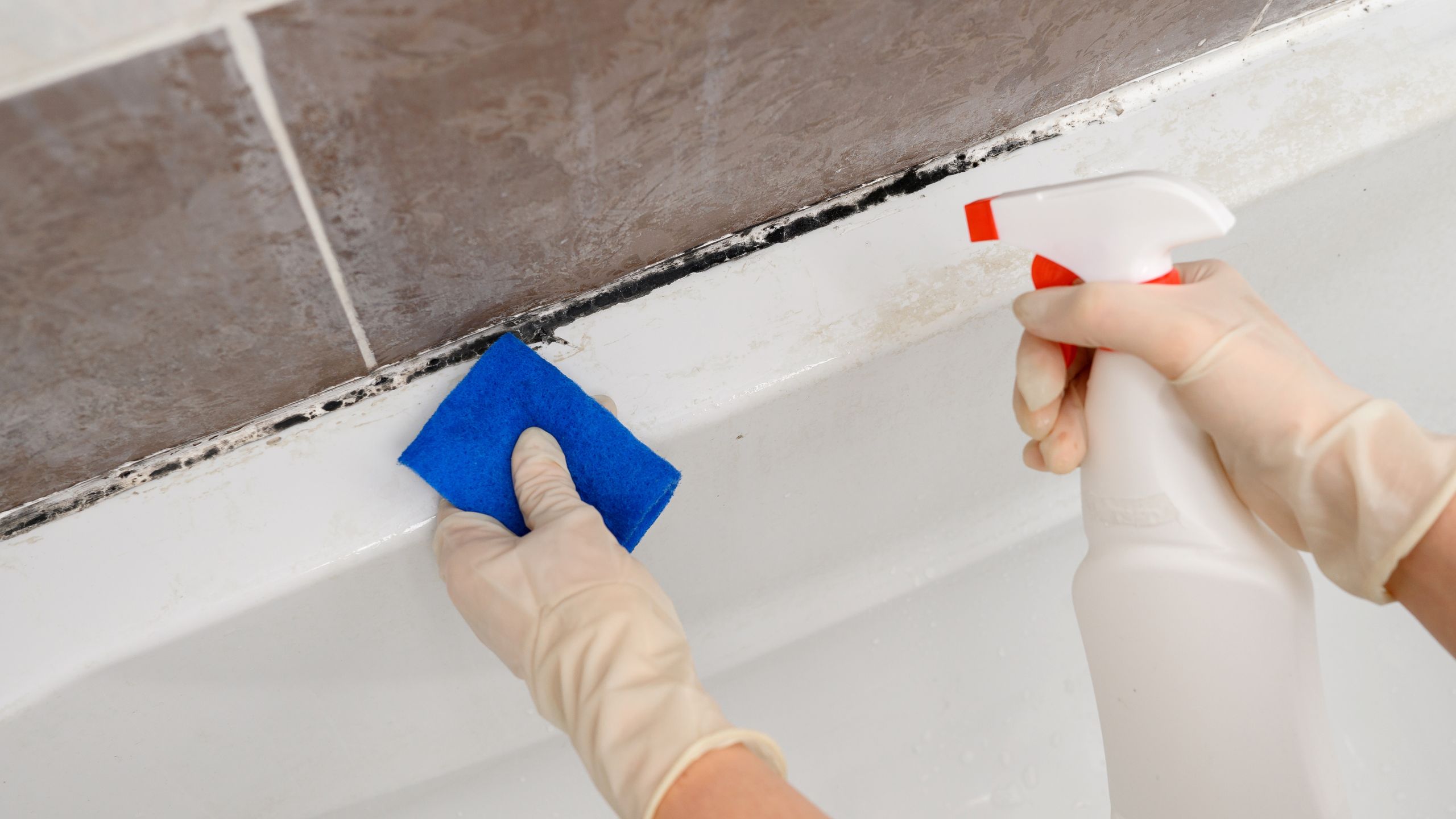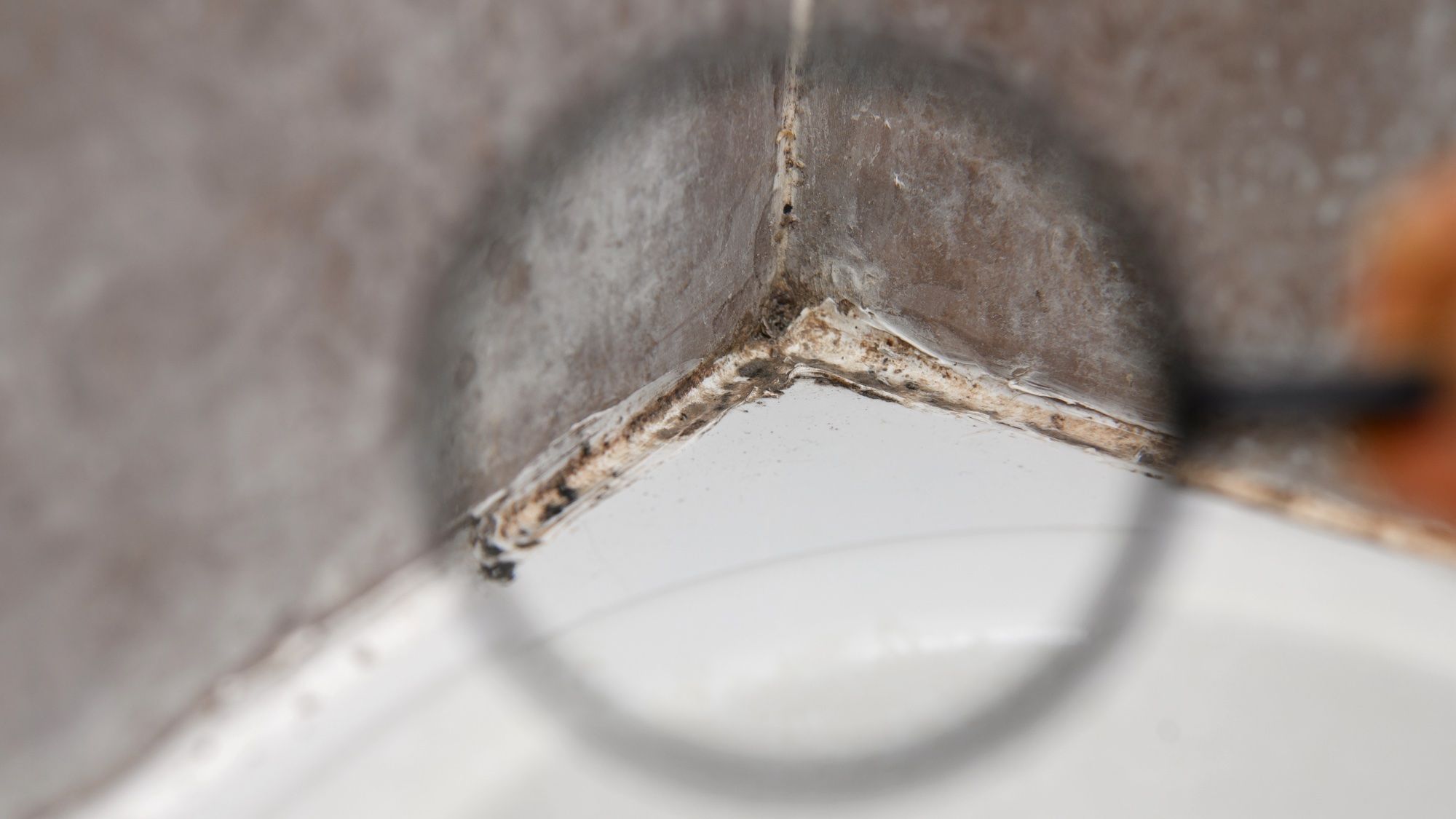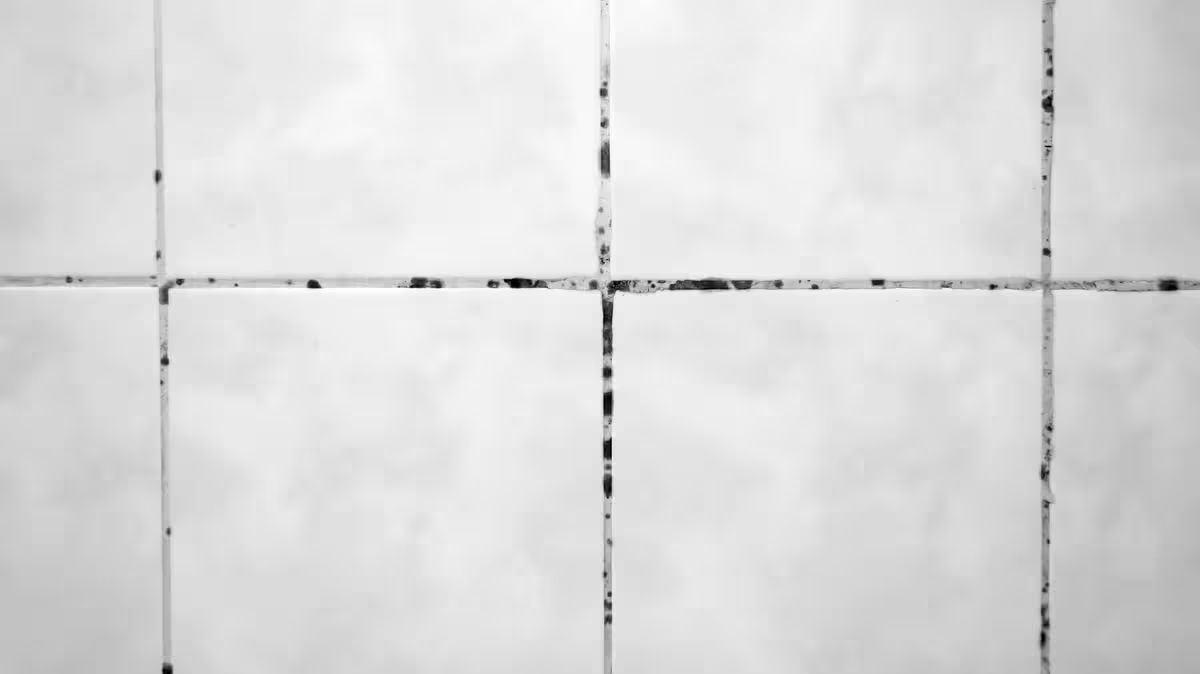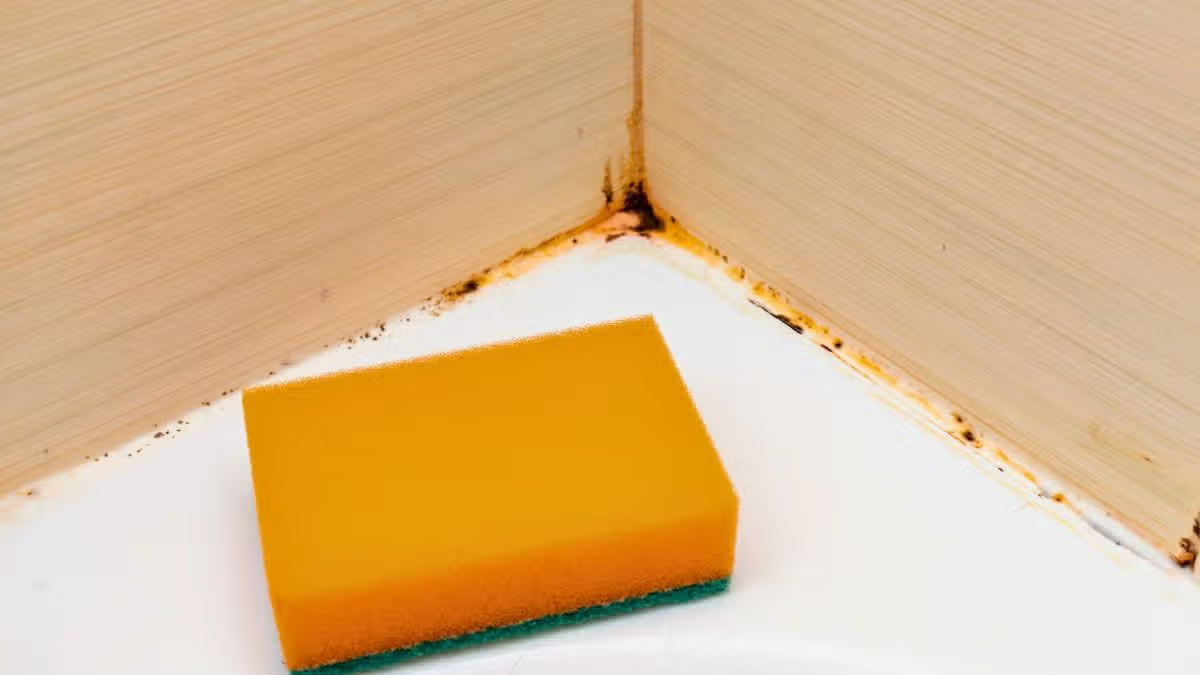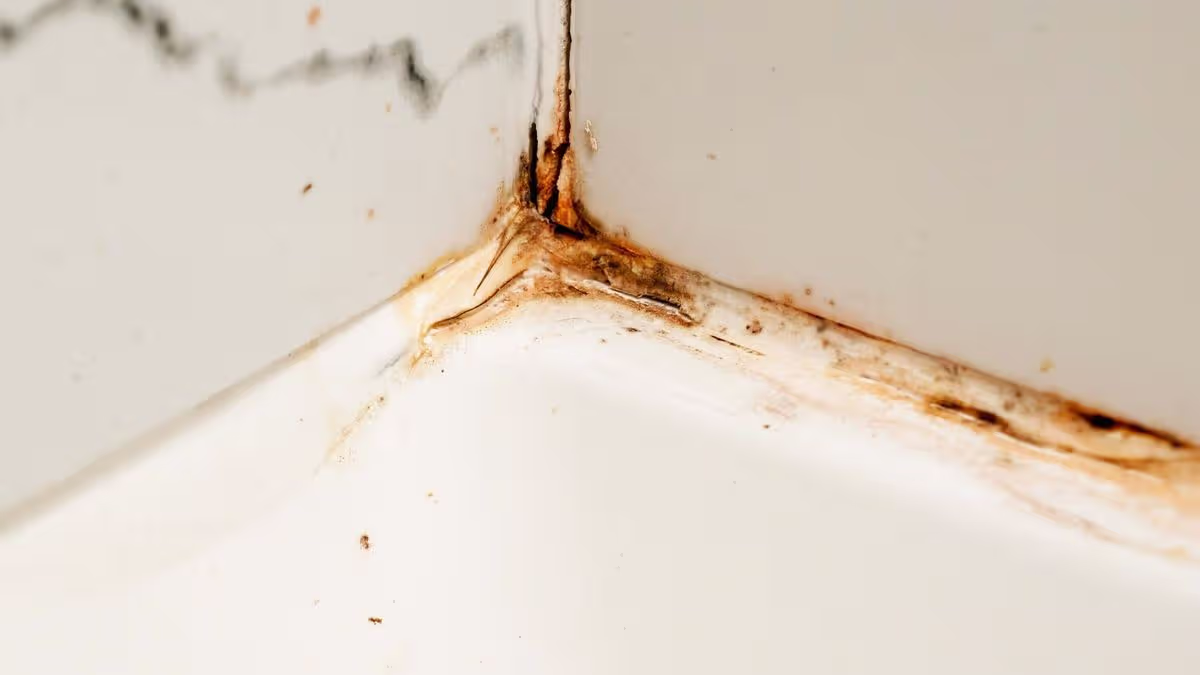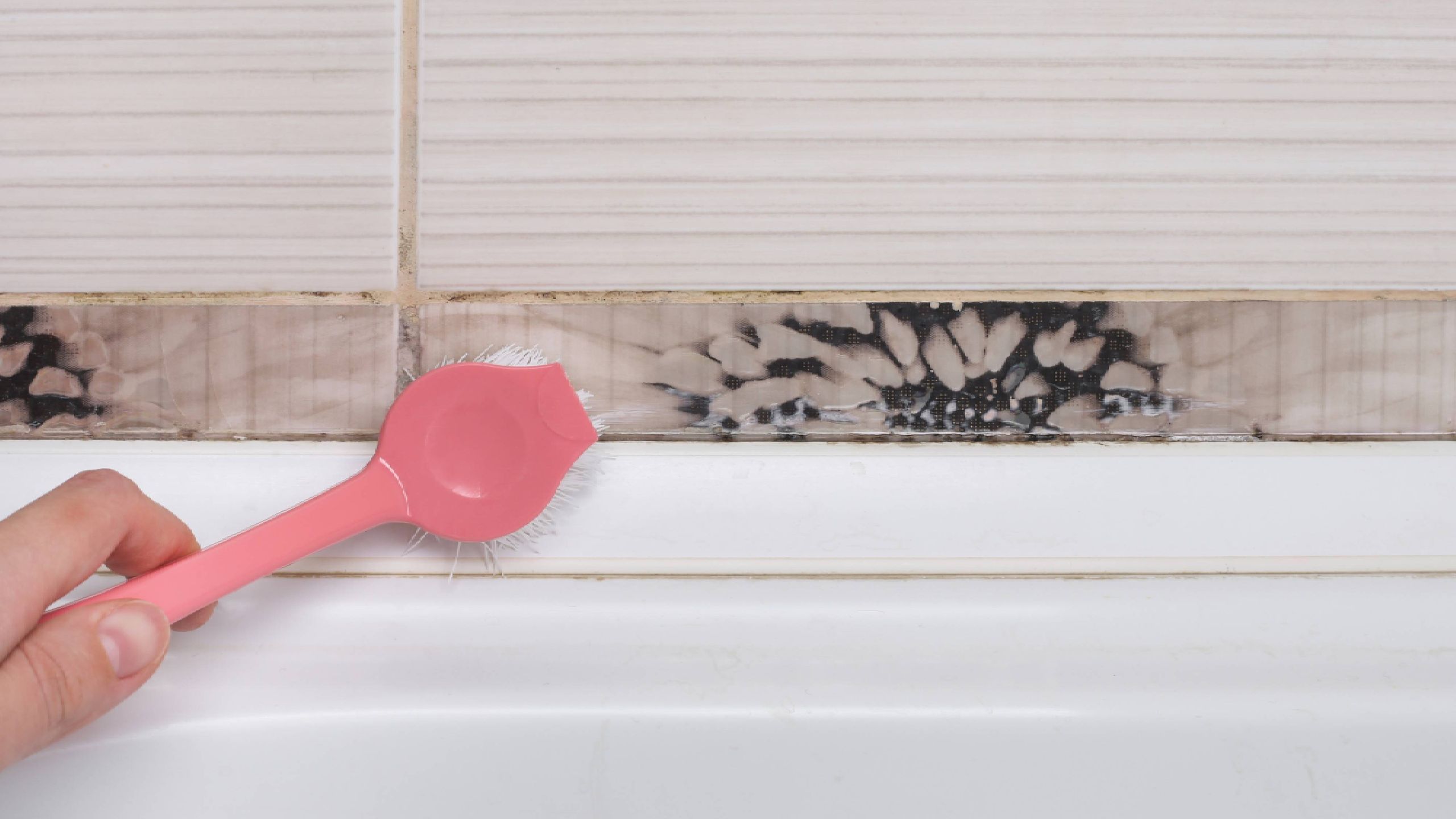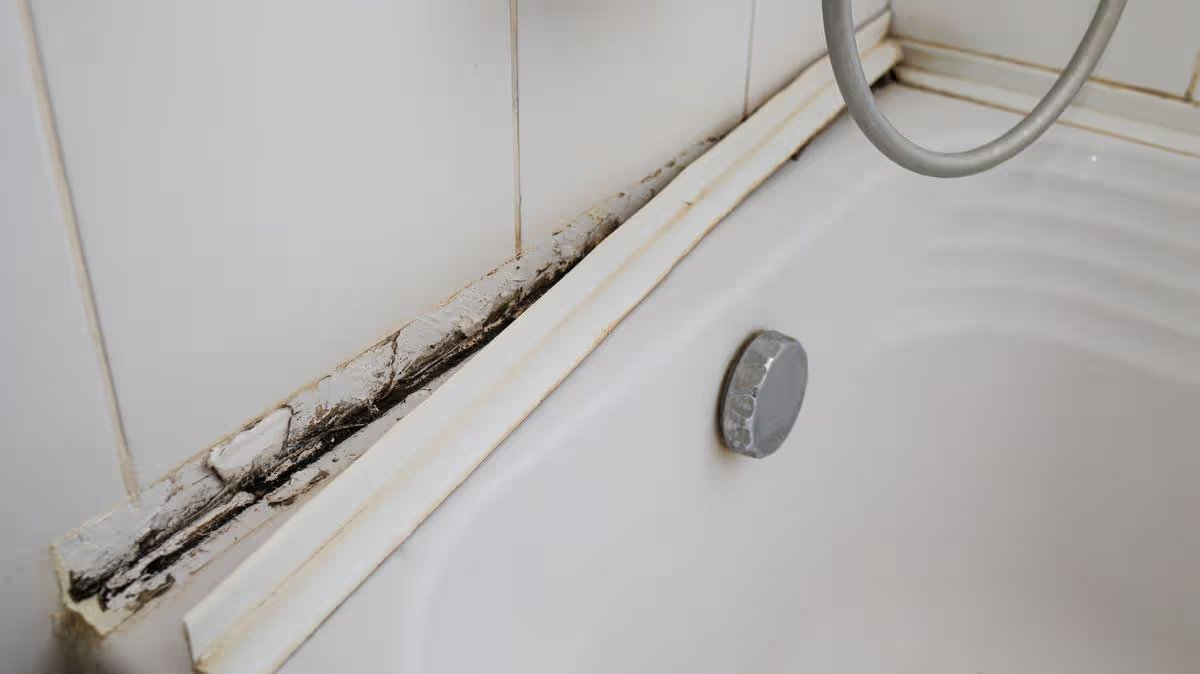
Black mould is a common problem in UK bathrooms and even grows in summer.09:30, 28 Jun 2026Black mould is a widespread issue in UK bathrooms, with many homeowners finding it recurs despite regular cleaning efforts. While warmer weather might reduce condensation levels, mould lurking around the bath sealant can continue to flourish if not addressed properly.Experts caution that many people are reaching for the wrong products, which allows stubborn stains and spores to linger. Thankfully, a budget-friendly household item costing roughly £1 could help eliminate black mould and stop it from reappearing.The straightforward solution is being praised as an effective method to keep bathroom sealant looking spotless for longer.Why mould returnsWhile many associate mould with winter months, bathrooms can be equally at risk during summer, as warm temperatures, steamy showers and inadequate ventilation create the humid conditions mould requires to thrive.Guy Chapman, silicone seal specialist at United Silicones, says the underlying cause of recurring black mould is microscopic water penetration behind the sealant – something no amount of bleach can remedy.He explained: "Standard bathroom sealant looks solid, but over time it shrinks, stiffens and pulls away from the bath edge by fractions of a millimetre."Moisture gets trapped behind it, creating the perfect dark, damp environment for mould spores to grow. Once that happens, surface cleaning is pointless – the mould just keeps coming back."This means that by the time black stains become visible, mould is frequently already thriving behind ageing sealant. Consequently, simply wiping away what you can see may not address the root cause.How to fix the problemInstead of removing old sealant or continuously treating mould with aggressive cleaning products, Guy recommends using a self-adhesive silicone bath strip, which can be picked up for as little as £1.He said: "This works because it doesn't rely on chemical resistance. Instead, it creates a physical barrier over the vulnerable joint, stopping water from reaching the damaged sealant underneath and preventing mould from taking hold."He went on to explain that silicone strips outlast traditional sealants because they don't shrink, crack or deteriorate as readily over time.Once applied, they form a waterproof seal that helps keep moisture at bay and stops mould from developing beneath the surface.Unlike conventional sealants, which cure, age, and break down, silicone strips stay flexible indefinitely, even when constantly exposed to hot water. The outcome is a lasting fix rather than an endless cleaning routine.Article continues belowGuy concluded: "For less than the cost of a coffee, you're stopping mould at the structural level. It's one of the simplest preventative fixes in the home, and one of the most effective."How to use itAfter cleaning, allow the bath edge to dry out completely for at least 12 hours, as any lingering moisture can compromise how securely the strip adheres.Instead of stripping out the old sealant, simply apply the silicone strip directly on top of it, pressing down firmly along the joint to create a seamless, waterproof seal.
£1 product helps tackle black mould in your bathroom
Black mould is a common problem in UK bathrooms and even grows in summer.
486 words~2 min read