(Image credit: Shutterstock)
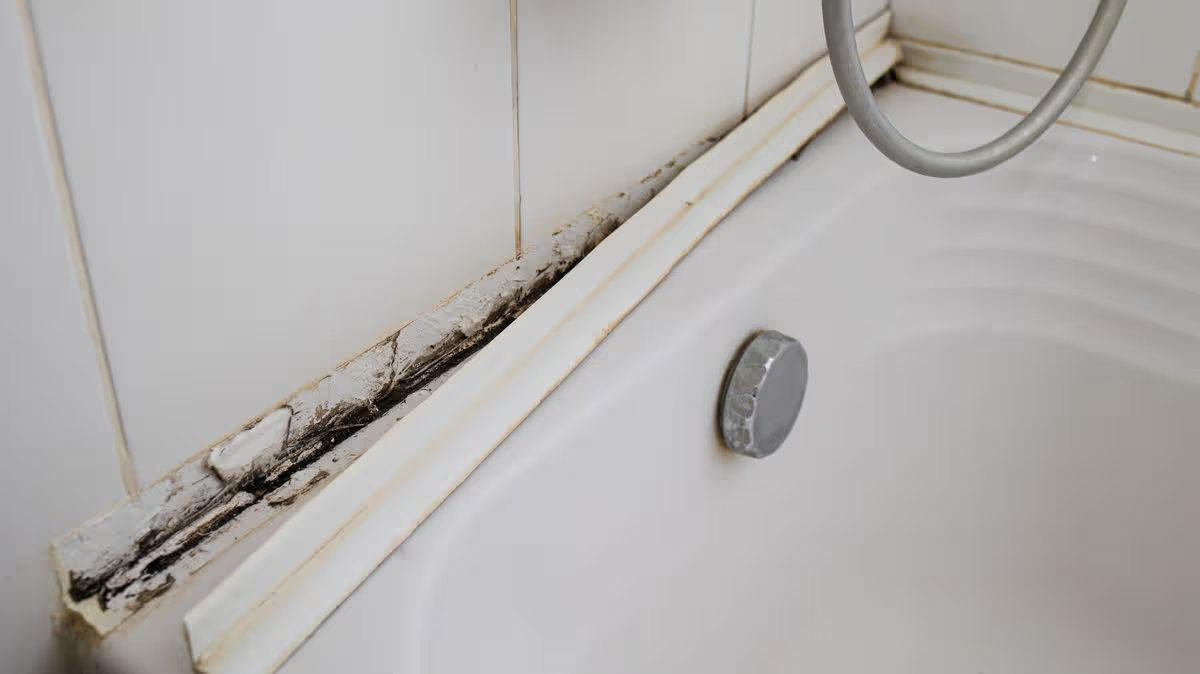
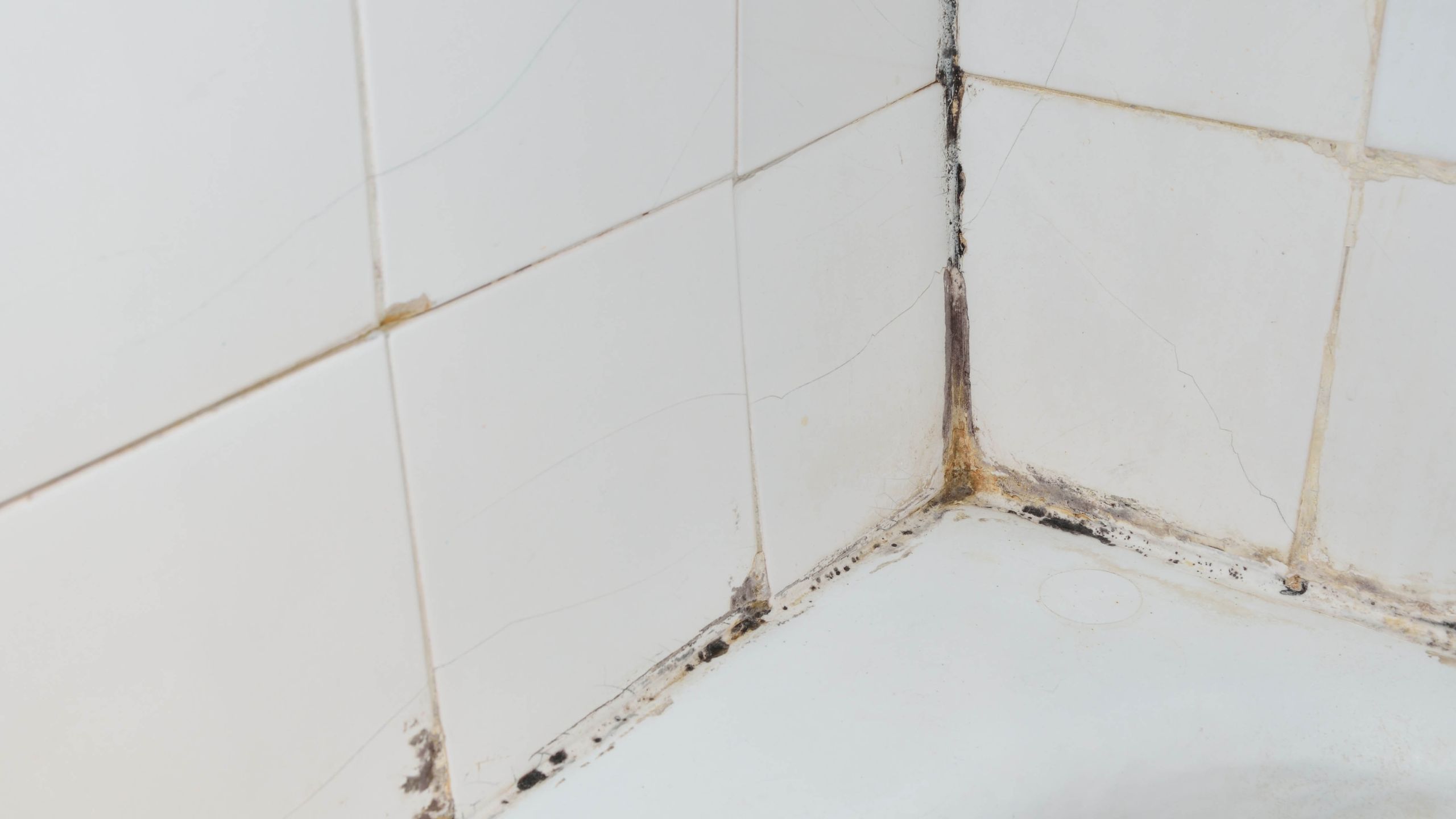
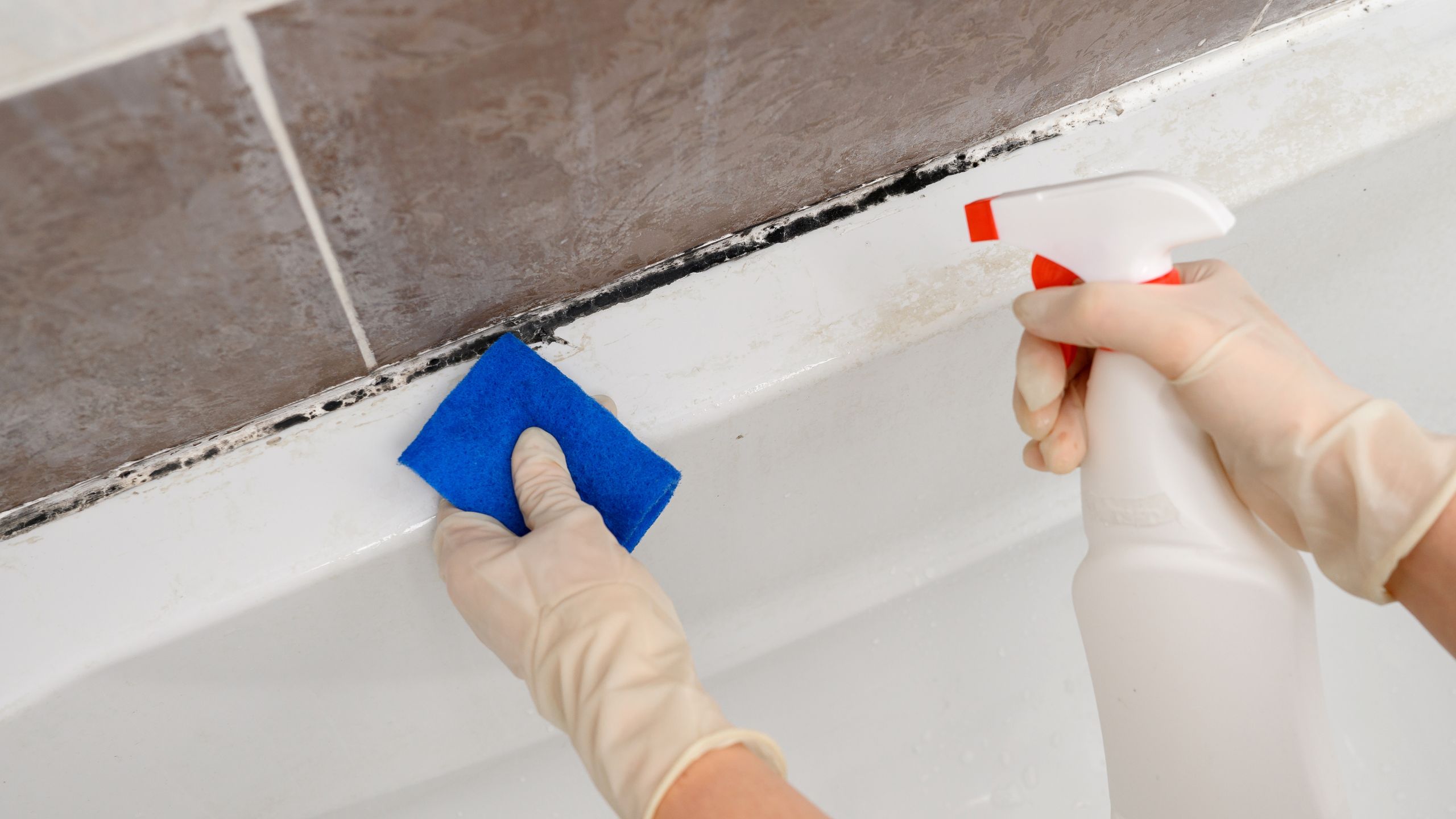
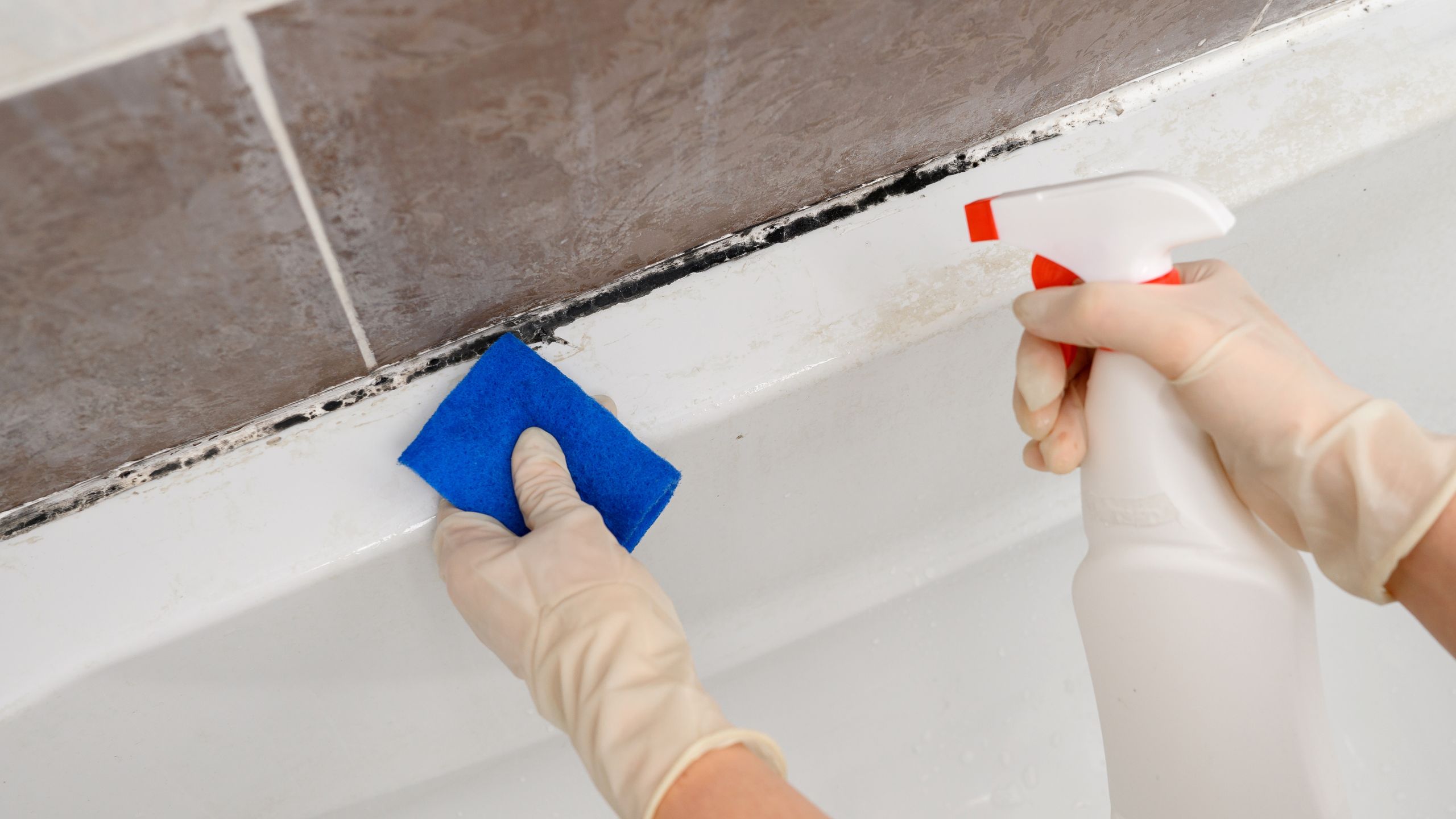
When it comes to cleaning every room in the home, the one household chore I despise is scrubbing bathroom mold.Be it those stubborn black spots that seem to resurface in my silicone sealant, or getting rid of pink mold on my bathtub and shower drains, it just never seems to disappear for good.Such invasive spores thrive in the humid, damp environments of lingering warm water and trapped steam, particularly when bathroom ventilation is lacking.More importantly, if not properly dealt with, mold can lead to long-term structural damage and potential health concerns if the spores are allowed to spread. This is why knowing how to prevent mold remains your best defense for a germ-free home.So, how often should you actually be cleaning your bathroom to banish black or pink mold from appearing? Luckily, I asked an expert for the correct way to prevent mold — and it turns out I’d been doing it all wrong.How often should you deep clean your bathroom to prevent black or pink mold?
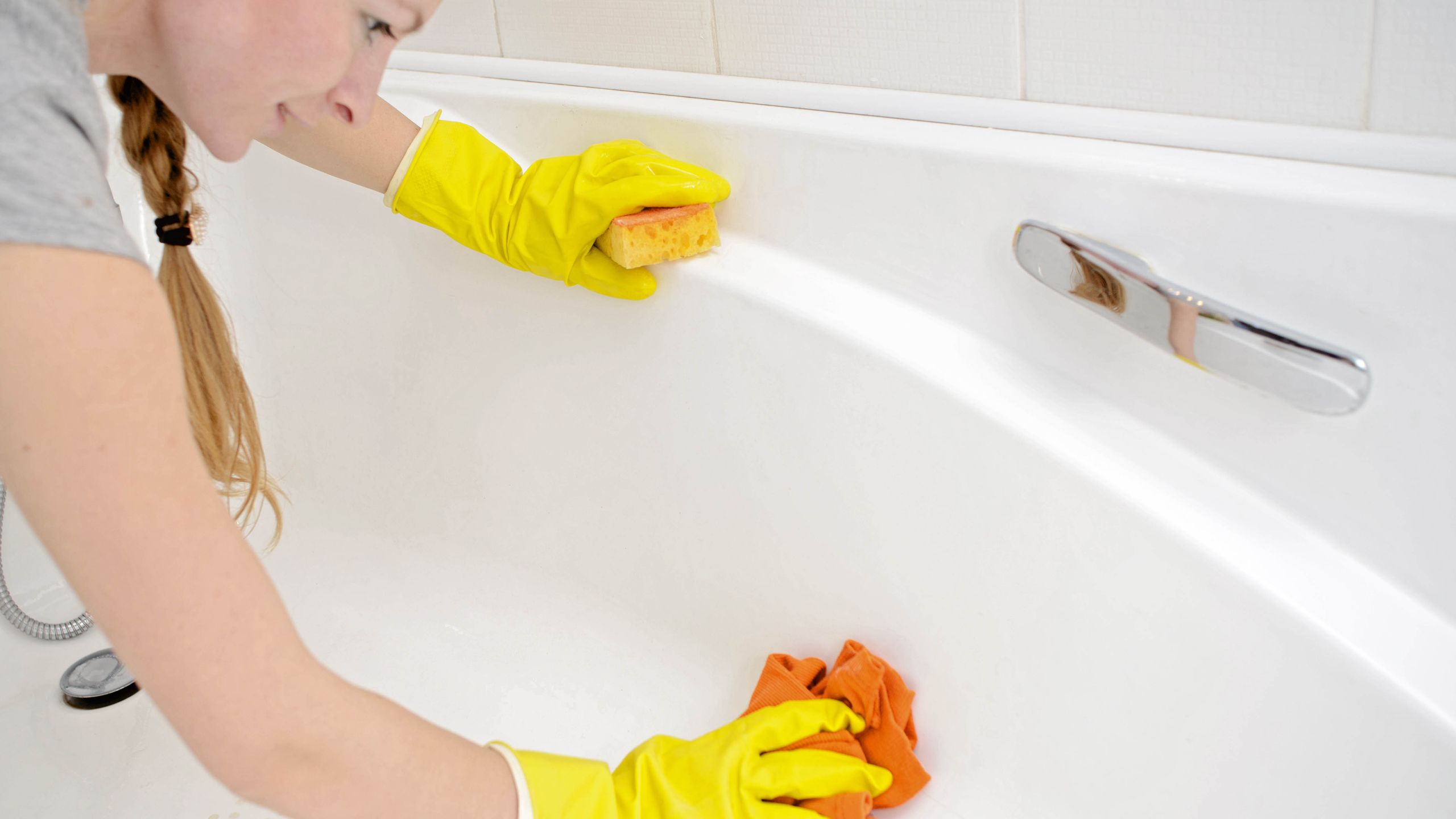
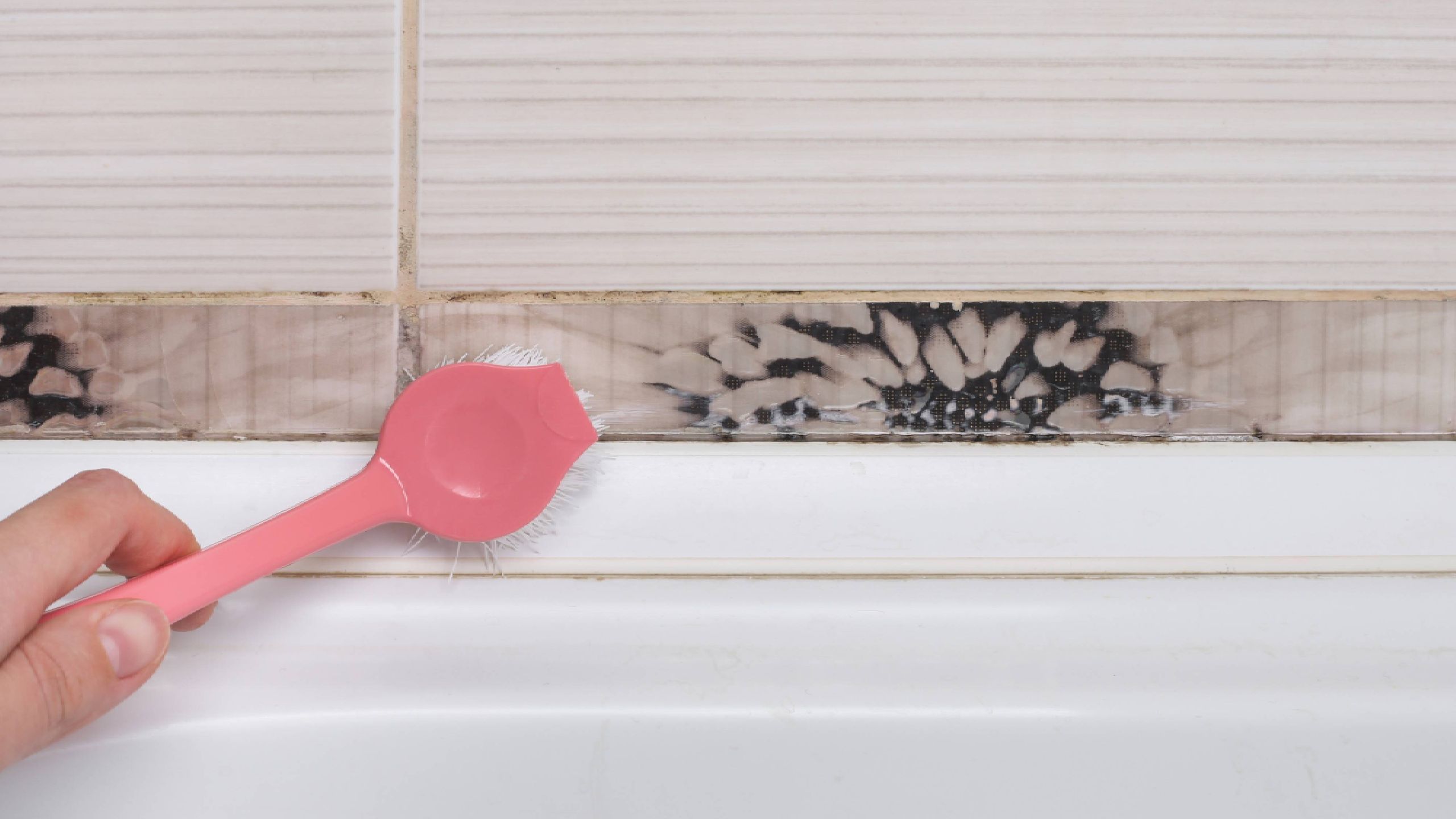
pink mold on bathtub (Image credit: Future)While most of us often deep-clean our bathrooms the minute we spot visible signs of mold, it turns out that we’ve not been cleaning our bathrooms often enough.“By the time it’s visible, moisture and bacteria have already accumulated, so prevention is much easier than removal,” states Soma Pillay, Bathroom Specialist at Bathroom City.Get instant access to breaking news, the hottest reviews, great deals and helpful tips.“As a general rule, I recommend giving the bathroom a proper clean at least once a week, but this may increase depending on the individual homes. Those with pets or children may require more frequent maintenance to prevent dirt, bacteria, or mould from building up.”"I recommend giving the bathroom a proper clean at least once a week, but this may increase depending on the individual homes."Soma Pillay, Bathroom Specialist So does the approach change for getting rid of pink mold? Essentially, this pinkish film is fueled by a bacterial accumulation of soap scum, body oils, and minerals found in stagnant water.“Pink mold is typically bacterial growth, rather than actual mold itself. It generally appears as a pale pink or blood-red, slimy film and should be addressed immediately to prevent it from spreading to other sections of the bathroom.”You can easily make a natural DIY cleaning solution to tackle pink mold. Simply mix half a cup of baking soda with a tablespoon of liquid dish soap or your favorite multi-surface cleaner in a bowl. Mix until you have a thin, runny paste, before scrubbing the affected areas with a small bristle brush.Once you’ve scrubbed all traces of the mold away, rinse the residue away with warm water or use a damp microfiber cloth to wipe down the surface.Why does mold keep coming back?