(Image credit: Shutterstock)
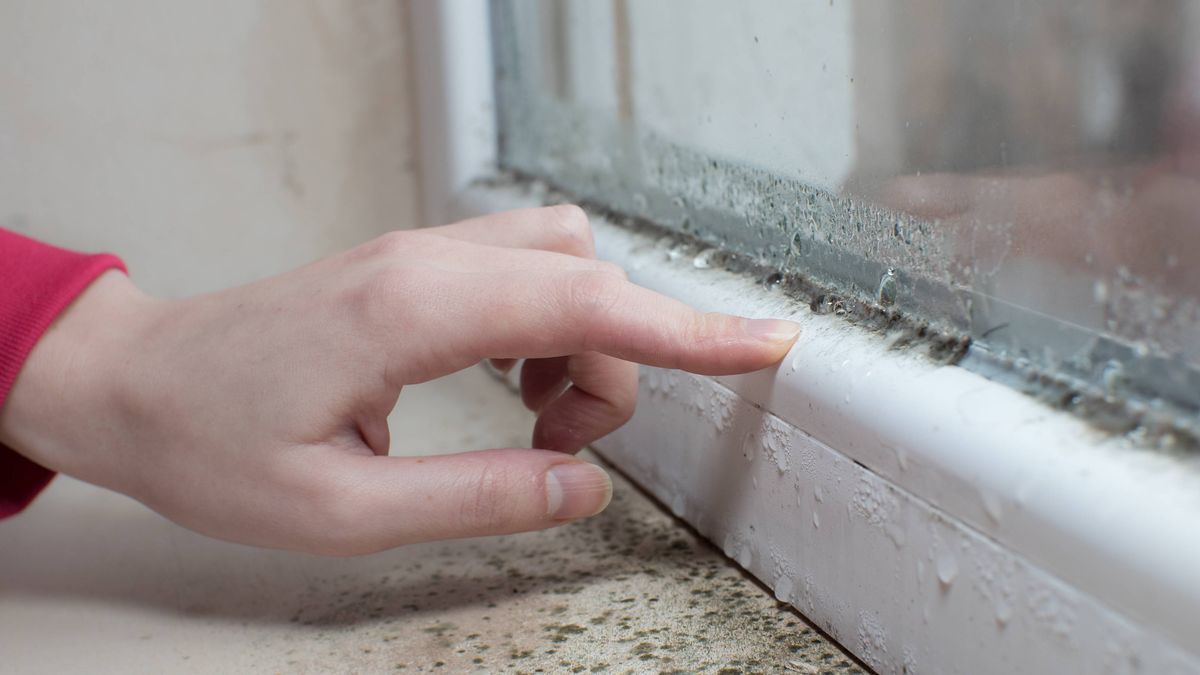
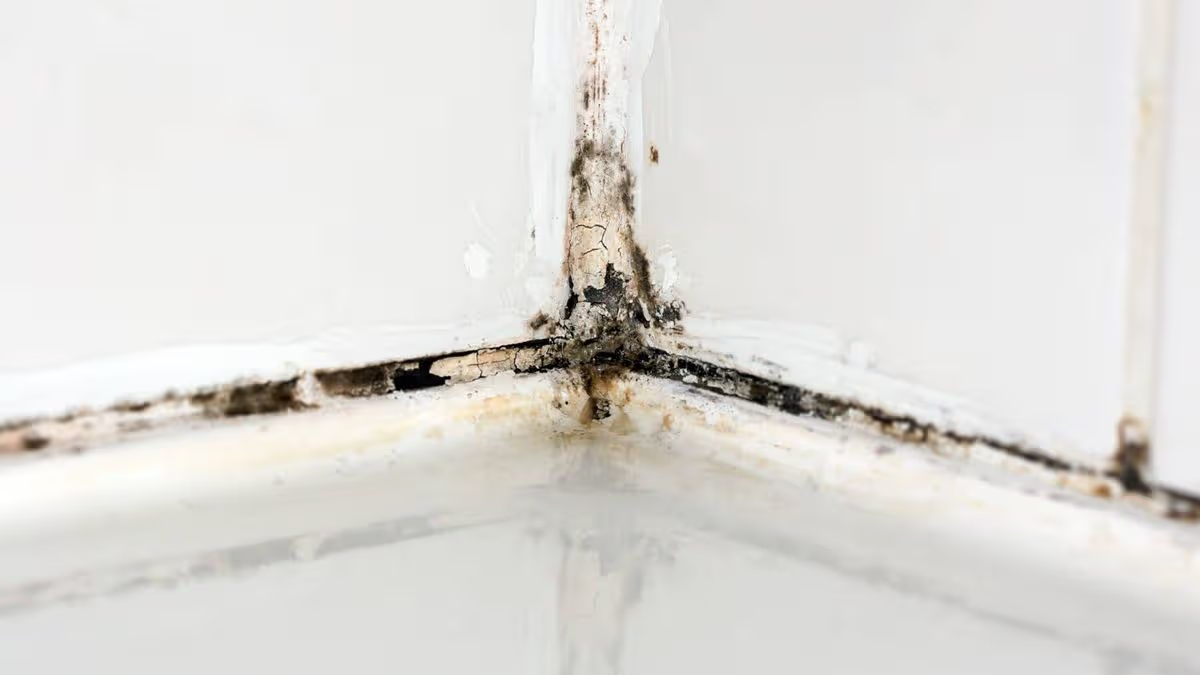
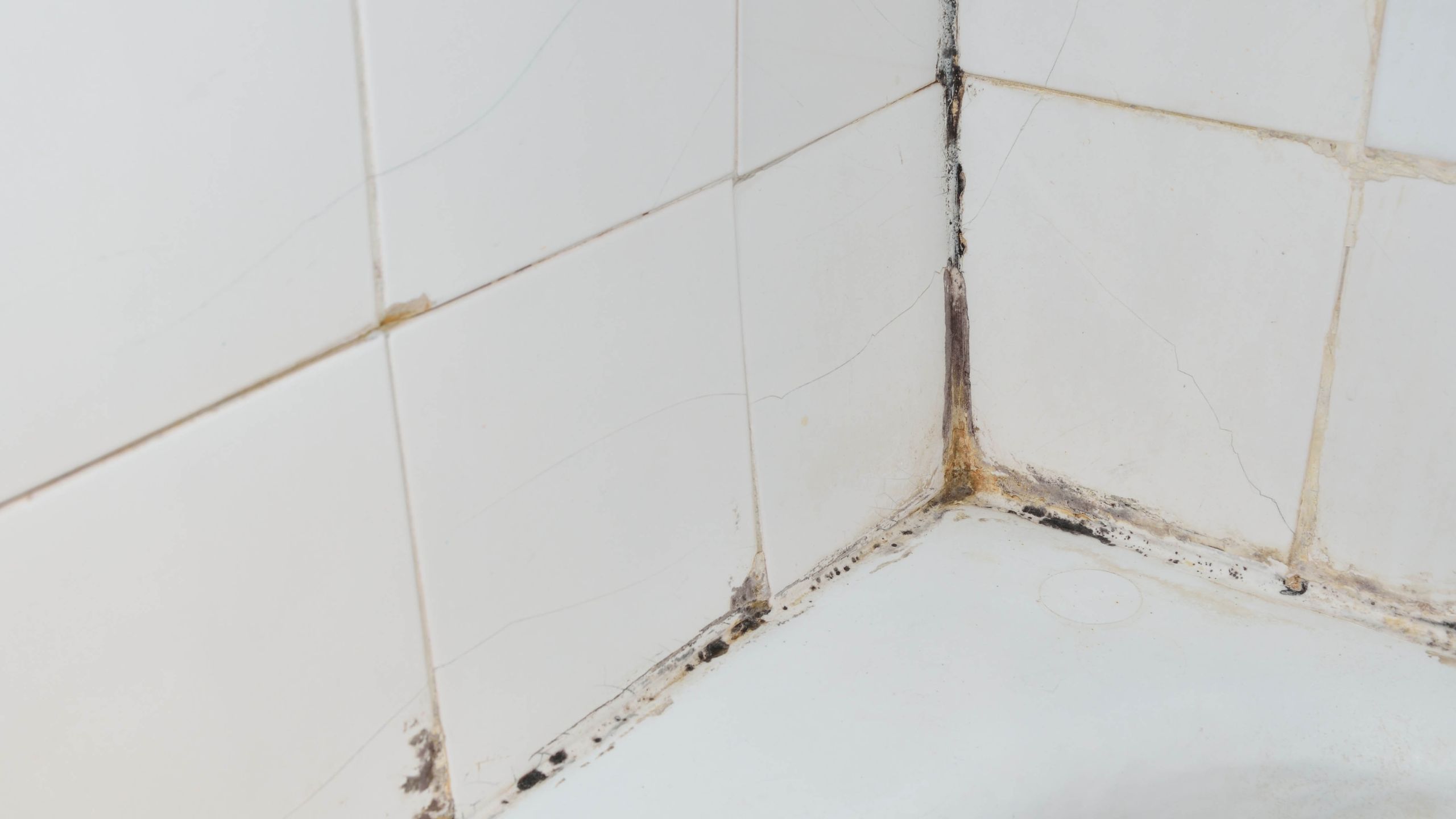
No matter how hard I try to remove mold from my home, it keeps coming back. Despite my efforts to properly clean mold, I can’t break the recurring cycle of unsightly black stains that appear in my bathroom.Beyond the aesthetic — nothing ruins the look of a pristine bathroom more than patches of black mold — there’s the health worry. I don’t want my home to become a breeding ground for spores that can trigger allergic reactions and respiratory issues. While I consider my home clean, the mold always lets it down.Black mold has a particular habit of creeping around bathroom grout and sealant, and I can’t stop it from coming back. So, to help me with my mold plight, I called on the indoor air, cleaning and plumbing experts to explain why mold keeps recurring.It appears that, apart from addressing the root cause, the environment is the biggest factor in mold growth.Understanding what mold needs to grow
(Image credit: Shutterstock)To get a grip on mold it helps to understand how mold grows. “Mold spores exist in virtually every type of indoor environment at all times. They float through the air and settle onto surfaces continuously,” explains Isabella Flores, cleaning expert and professional organizer at Sparkly Maid San Diego.But although we can’t remove mold completely from our homes, we can reduce what it needs to grow. Russell Vent, VP of Paul Davis Restoration, explains that there needs to be mold spores, oxygen, a food source (such as wood, drywall, or carpet), and moisture.Although you can’t eradicate all mold spores from an indoor environment, you can control whether those spores have the conditions necessary to germinate and produce colonies.Get instant access to breaking news, the hottest reviews, great deals and helpful tips.Mold will begin developing on wet surfaces within 24-48 hours of being exposed to adequate moisture and optimal temperature conditionsIsabella Flores, Sparkly Maid, san DiegoAnd they both agree that the easiest element to control is moisture. “Mold will begin developing on wet surfaces within 24-48 hours of being exposed to adequate moisture and optimal temperature conditions,” says Flores.And she adds, “There does not need to be a significant amount of moisture (e.g., a flood or major leak) for mold development to occur. All that is required is a relative humidity greater than 60% over a period of time (or humidity levels exceeding 70%) to support growth.”Why mold keeps coming back