(Image credit: Shutterstock)
When a heatwave hits, we’re usually worried about what temperature to set the AC to stay cool or how often we should water our lawn to keep it from turning to straw. However, there’s a secret enemy we shouldn’t forget, one that thrives in high heat and humidity.While we’re battling the heat to stay cool, the mold in your bathroom is having a holiday and making the most of the extreme weather. But according to one expert, it’s not our ability to clean and remove mold properly that is letting us down; it’s all to do with the sealant.How damaged caulking encourages mold
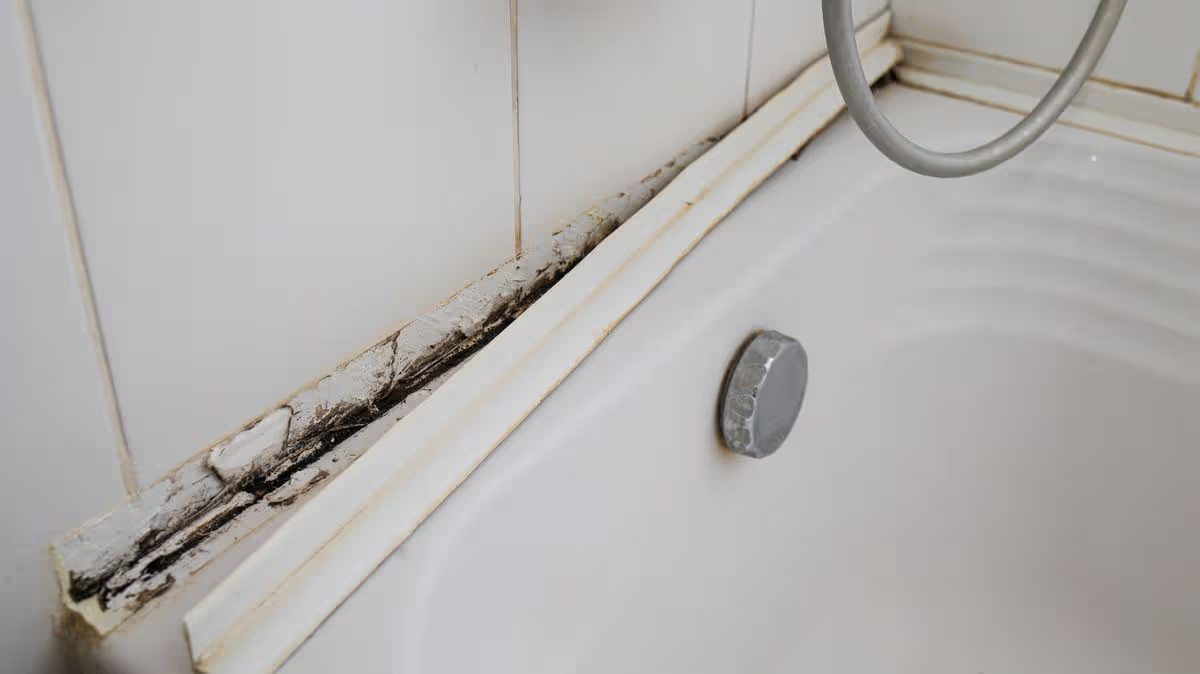
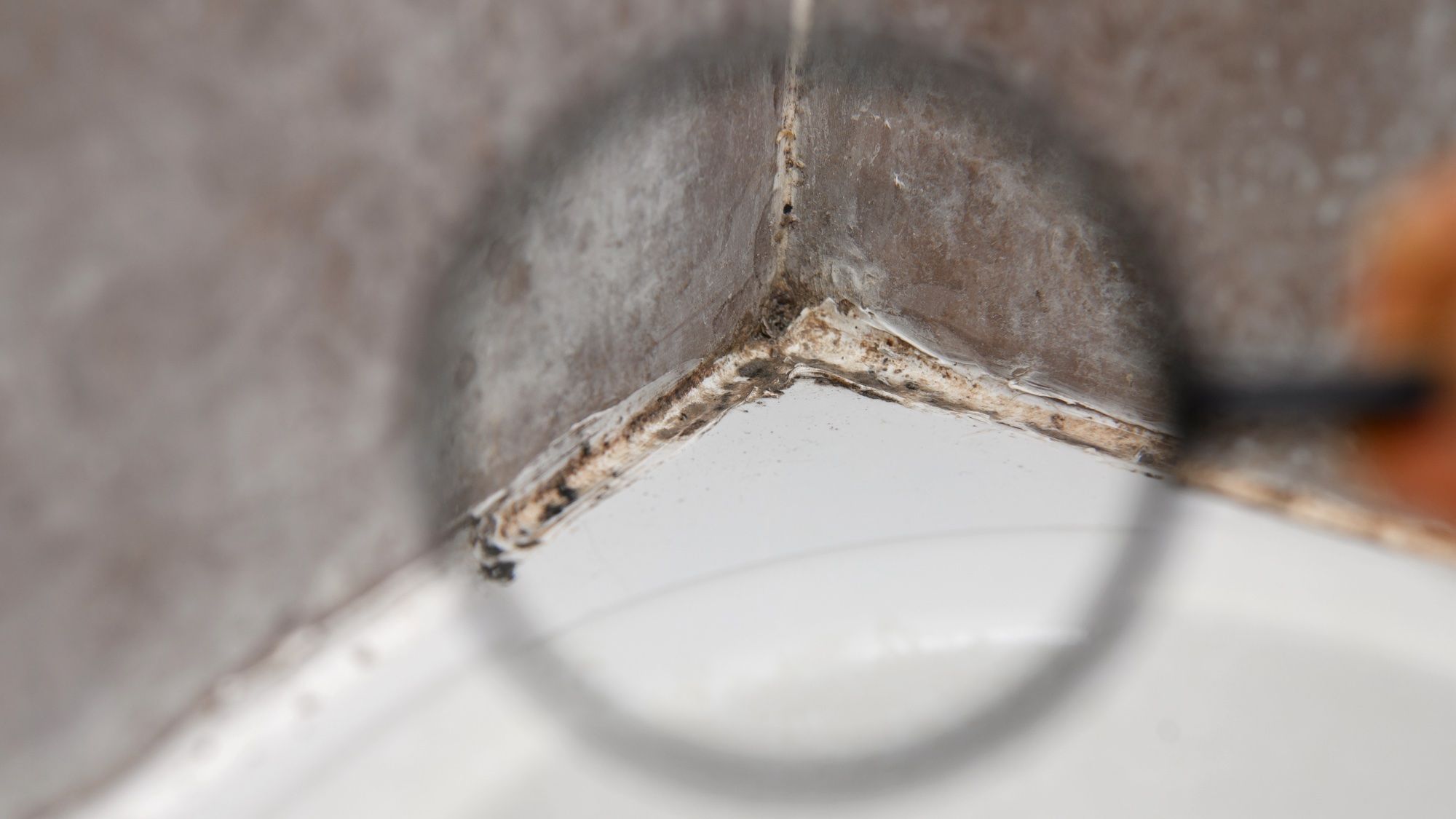
(Image credit: Shutterstock)I know firsthand how mold loves a steamy bathroom and thrives in moisture and heat. What’s more, it can be a challenge to remove, especially when it takes root behind sealant.This is the exact problem that Guy Chapman, a silicone sealant specialist at United Silicones, says occurs when microscopic water penetration occurs behind the sealant, which he says “no amount of bleach can fix.”When the caulking is first fitted, if the job is done correctly, it should provide a perfect seal; however, over time, this can change.“Standard bathroom sealant looks solid, but over time it shrinks, stiffens and pulls away from the bath edge by fractions of a millimeter,” he explains. “Moisture gets trapped behind it, creating the perfect dark, damp environment for mold spores to grow. Once that happens, surface cleaning is pointless; the mold just keeps coming back.”When mold becomes a permanent problem