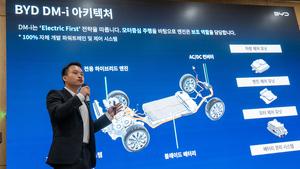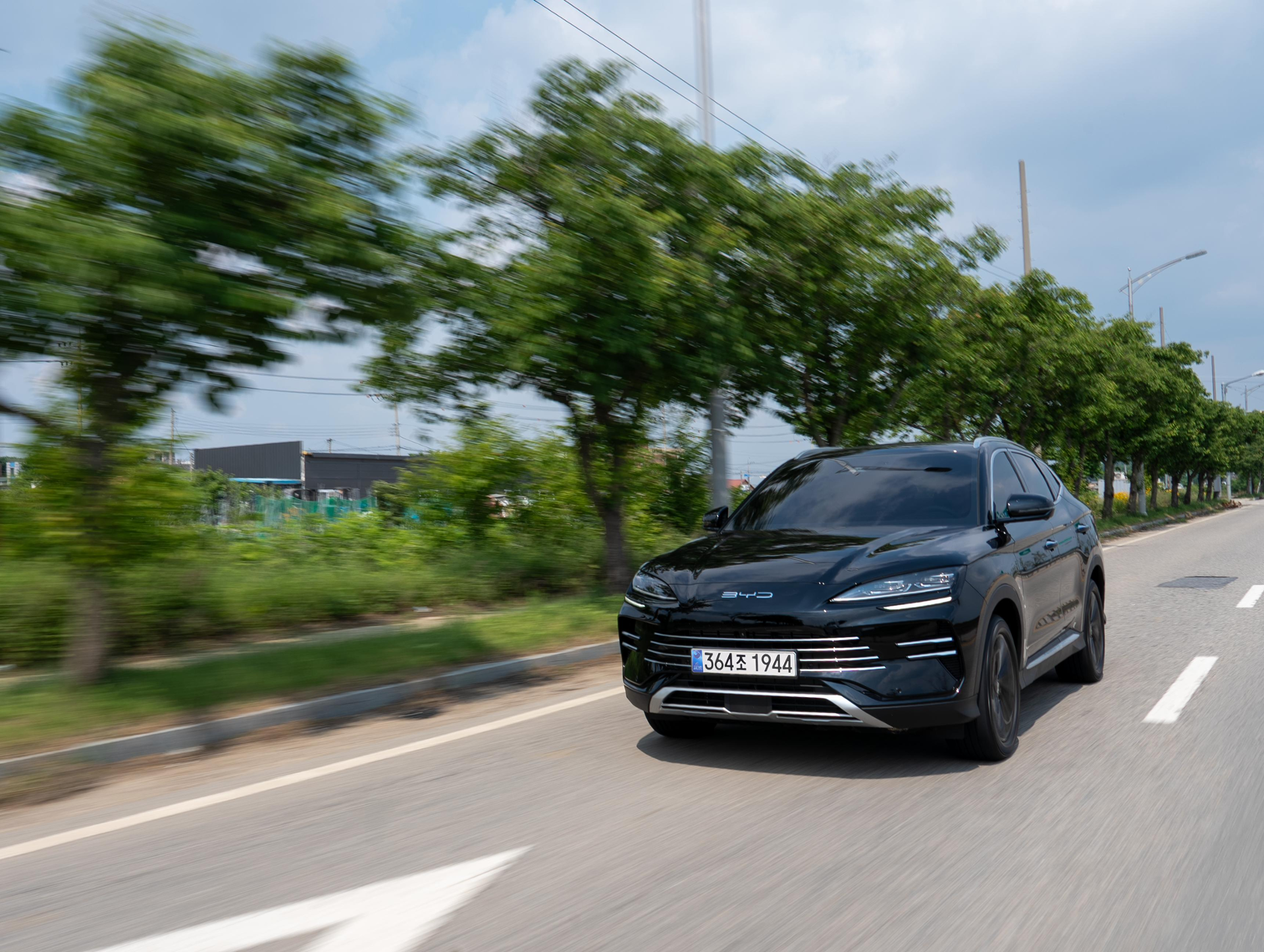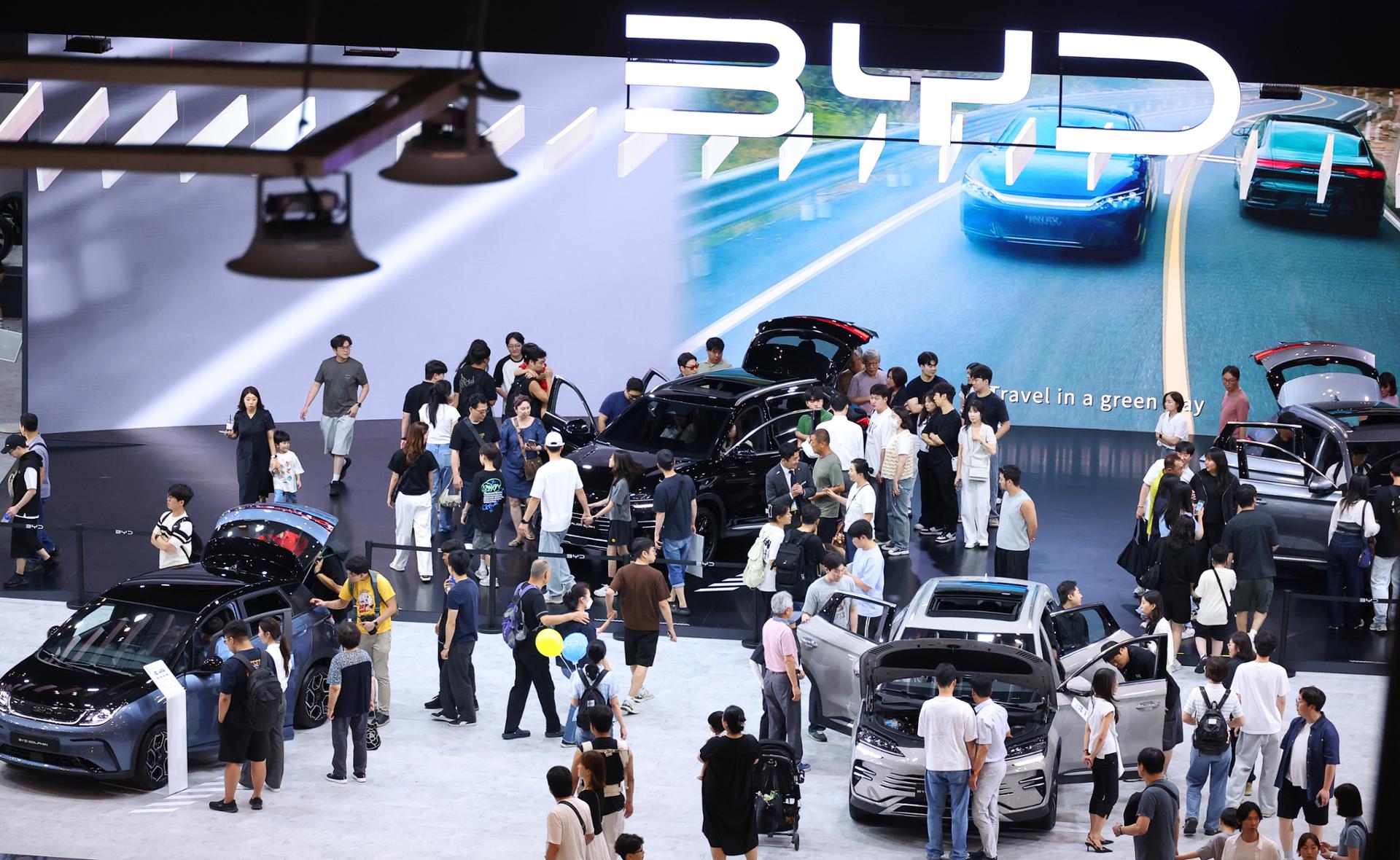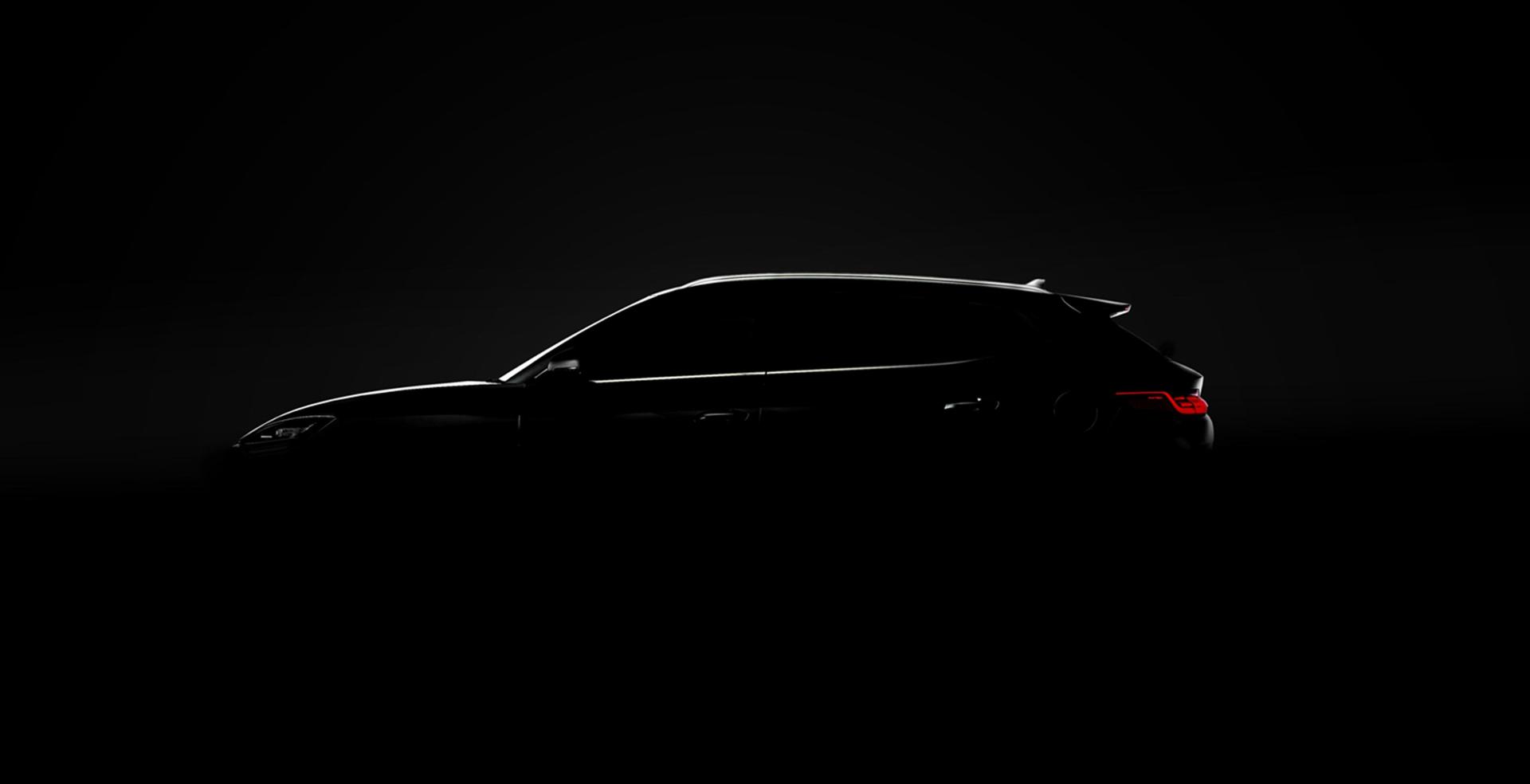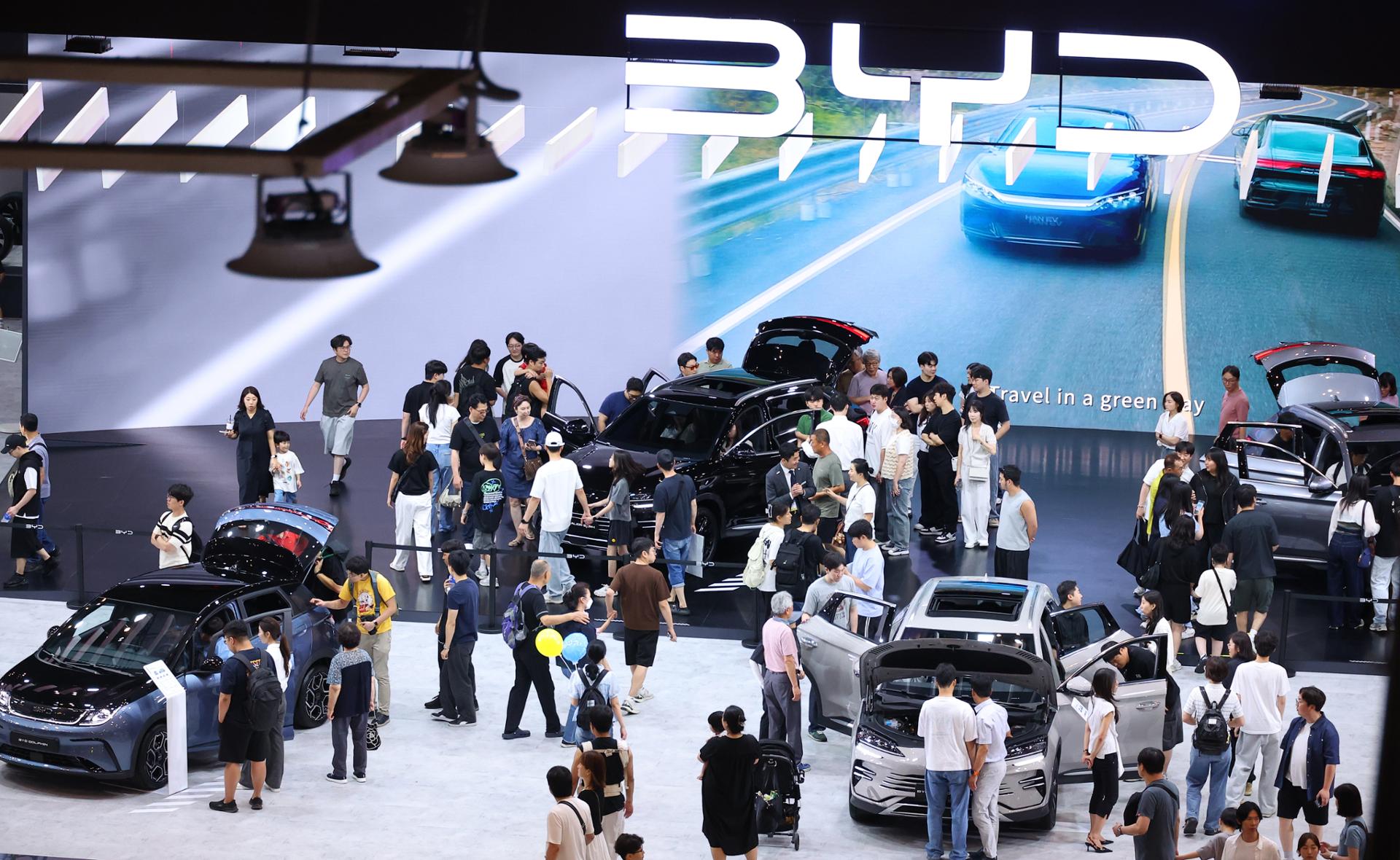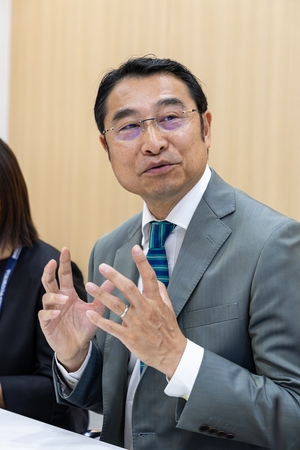
Chinese automaker bets competitively priced plug-in hybrids can bridge divide between EVs and conventional hybrids Liu Xueliang, general manager of BYD’s Asia-Pacific auto sales division (Korea Automobile Journalists Association) BYD has unveiled the Sealion 6 DM-i, its first plug-in hybrid vehicle for Korea, betting that the vehicle type can bridge the sharp divide in the Korean market between fully electric vehicles and conventional hybrids.According to Liu Xueliang, general manager of BYD’s Asia-Pacific auto sales division, the company’s PHEV technology delivers an “essentially all-electric driving experience,” offering EV-like refinement while easing consumers’ widespread concerns over the limited driving range of pure EVs.During a group interview hosted by the Korea Automobile Journalists Association on the sidelines of last week’s Busan Mobility Show, Liu underscored that the Sealion 6’s 70-kilometer all-electric driving range is “well-suited for a vast majority of Korean drivers,” as in most Korean cities, daily driving does not involve long-distance travel.BYD’s PHEV strategy is aimed at Korean consumers who currently favor hybrid vehicles but are also seeking a more environmentally friendly driving option at an affordable price.The Sealion 6 DM-i is priced at 37.5 million won ($24,400) in Korea, about 2 million won more expensive than the mid- and high-end trims of Kia’s Sportage Hybrid, a competing midsize SUV, despite featuring a larger battery pack.Liu said the vehicle was priced competitively to appeal to a broader customer base. According to media reports, the Korean price is nearly half that of the European model.DM-i, short for BYD’s “Dual Mode-intelligent” PHEV technology, is built around an “electric-first” drive logic. Unlike conventional PHEVs that constantly switch between the engine and the electric motor, the system heavily prioritizes the electric motor for daily and city driving to deliver an EV-like quiet and responsive ride. The engine mainly serves as a support system to charge the battery or assist the motor, only driving the wheels directly during highly efficient scenarios such as highway cruising.The system further sets itself apart with DC fast charging capabilities — taking about 30 minutes to charge the battery from 30 percent to 80 percent — and a V2L (Vehicle-to-Load) feature that can power external electronic devices.The launch of the Sealion 6 DM-i marks another step in BYD’s aggressive expansion in Korea. Since entering the market in January last year, the Chinese automaker has established 34 showrooms nationwide — spanning key regional hubs and the Seoul metropolitan area — with plans to open additional locations in the latter half of this year.Liu also emphasized BYD ensures fast auto parts supply, backed by its network of 20 service centers, saying it enhanced customer convenience.“One of the reasons we participated the Busan Mobility Show was to give consumers a chance to experience (our) EVs, not only in Seoul but also across regional areas,” he said.Highlighting the strategic importance of Korea, Liu noted that the country was adopting UVs at a much faster pace than Japan, where BYD made its debut in 2023.According to CarIsYou Data Lab, BYD’s new vehicle registrations in Korea reached 7,023 units from January to May this year, surpassing their entire annual sales volume of last year (6,097 units). Fueled by this rapid growth, BYD outperformed Lexus to secure fourth place in import car market share, as measured by unit sales, following Tesla, BMW and Mercedes-Benz.
BYD doubles down on Korea with first PHEV
BYD has unveiled the Sealion 6 DM-i, its first plug-in hybrid vehicle for Korea, betting that the vehicle type can bridge the sharp divide in the Korean market
547 words~2 min read