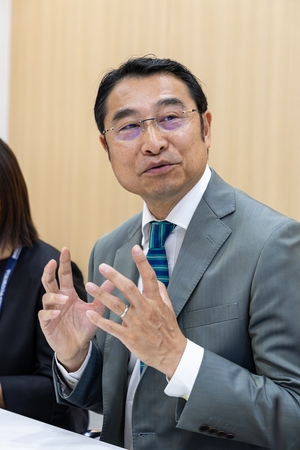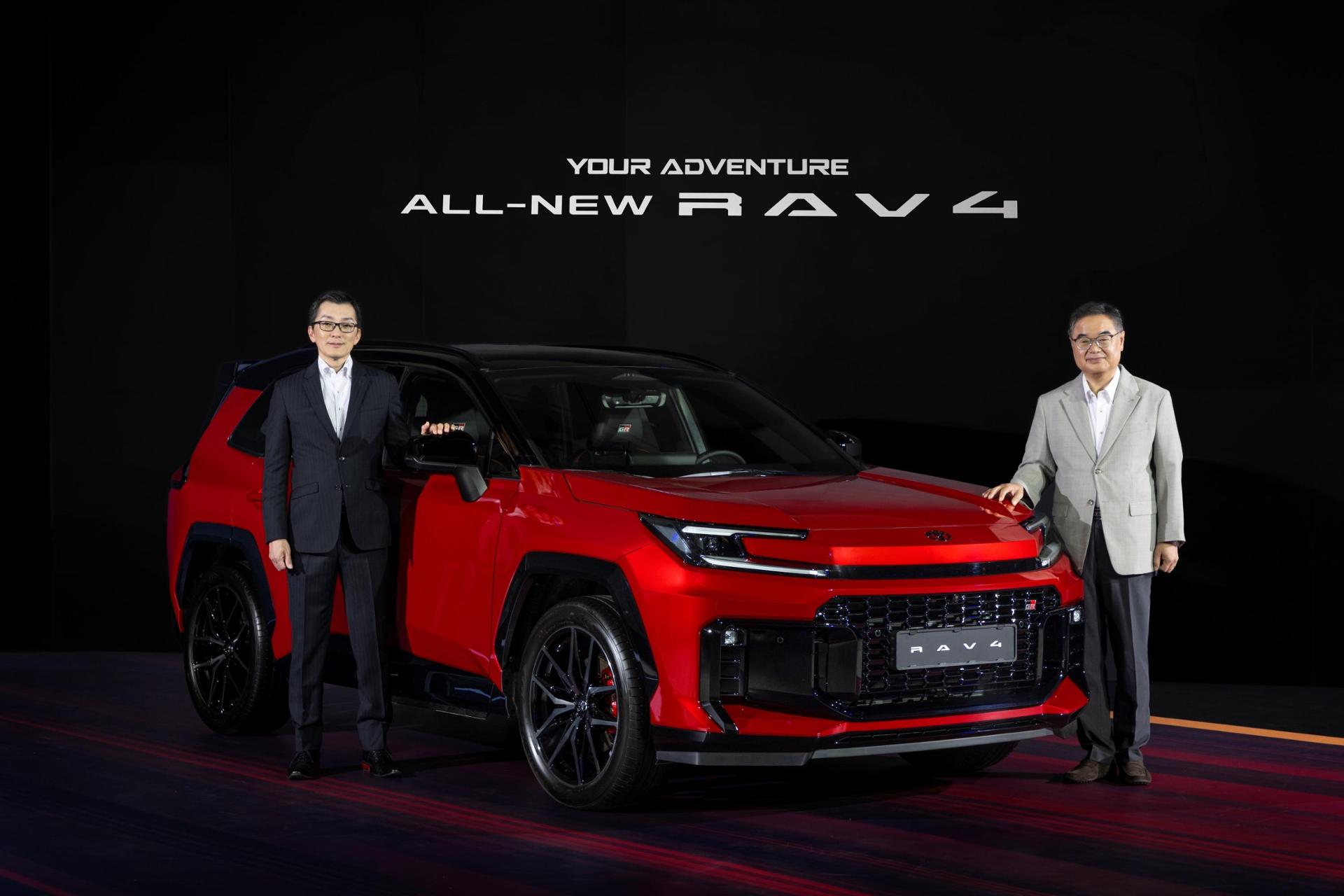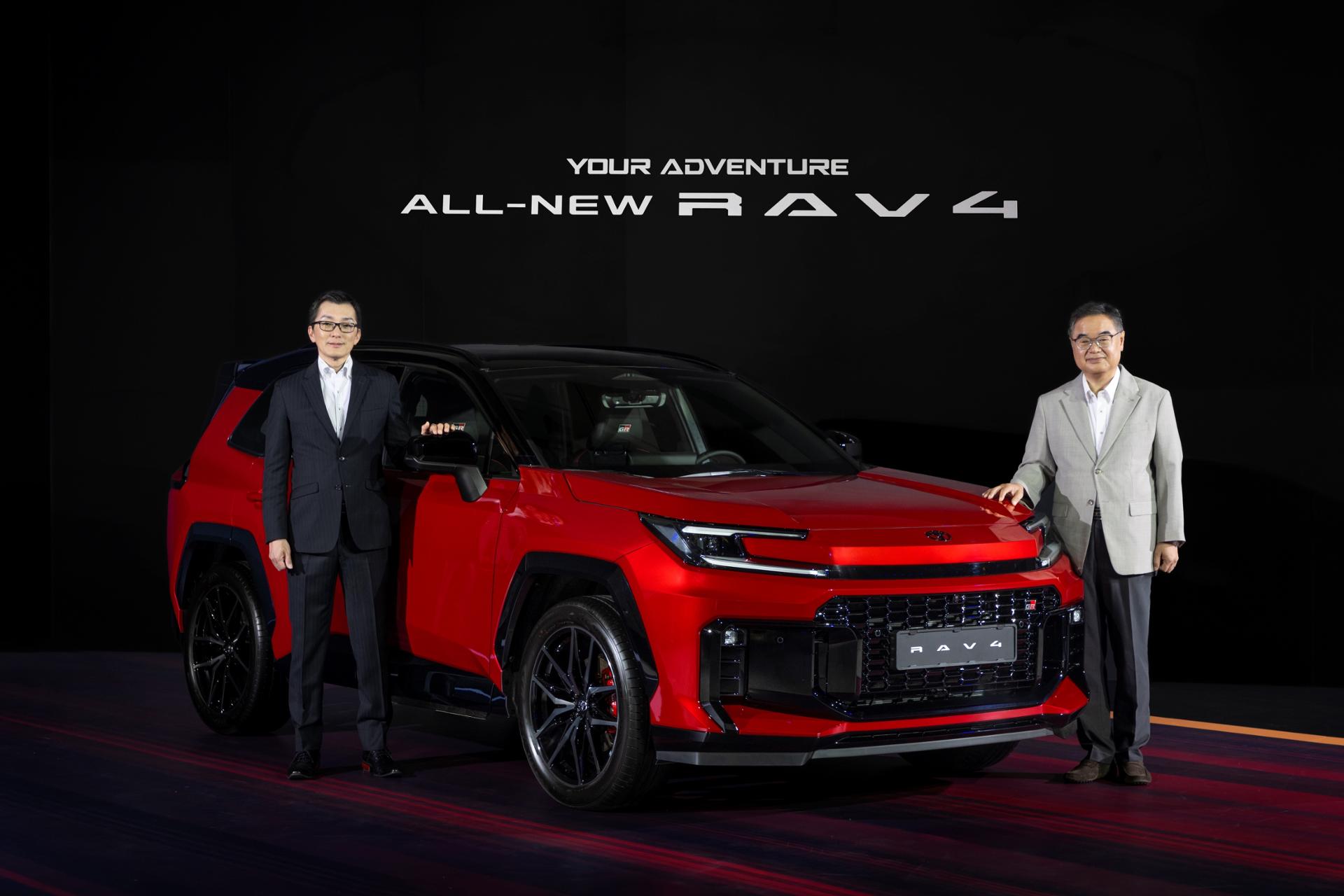
Toyota Motor Korea CEO Manabu Konyama, right, poses with Yoshinori Futonagane, chief engineer of the carmaker's RAV4 SUV, at Hyatt Regency Incheon Paradise City on Yeongjong Island in the western port city, Tuesday. Courtesy of Toyota Motor Korea
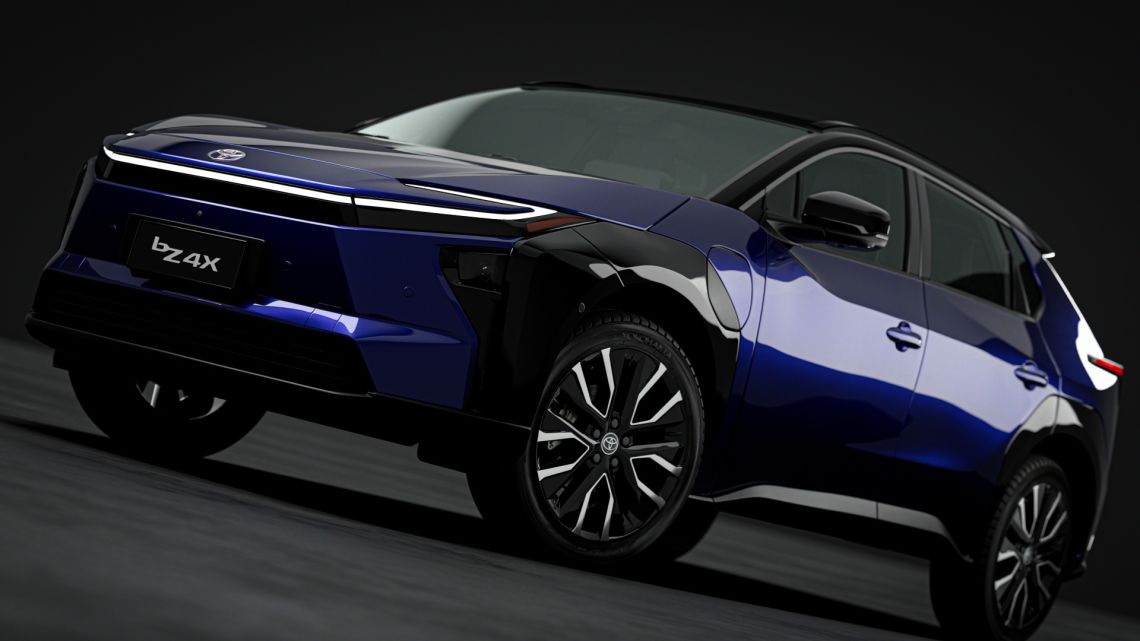
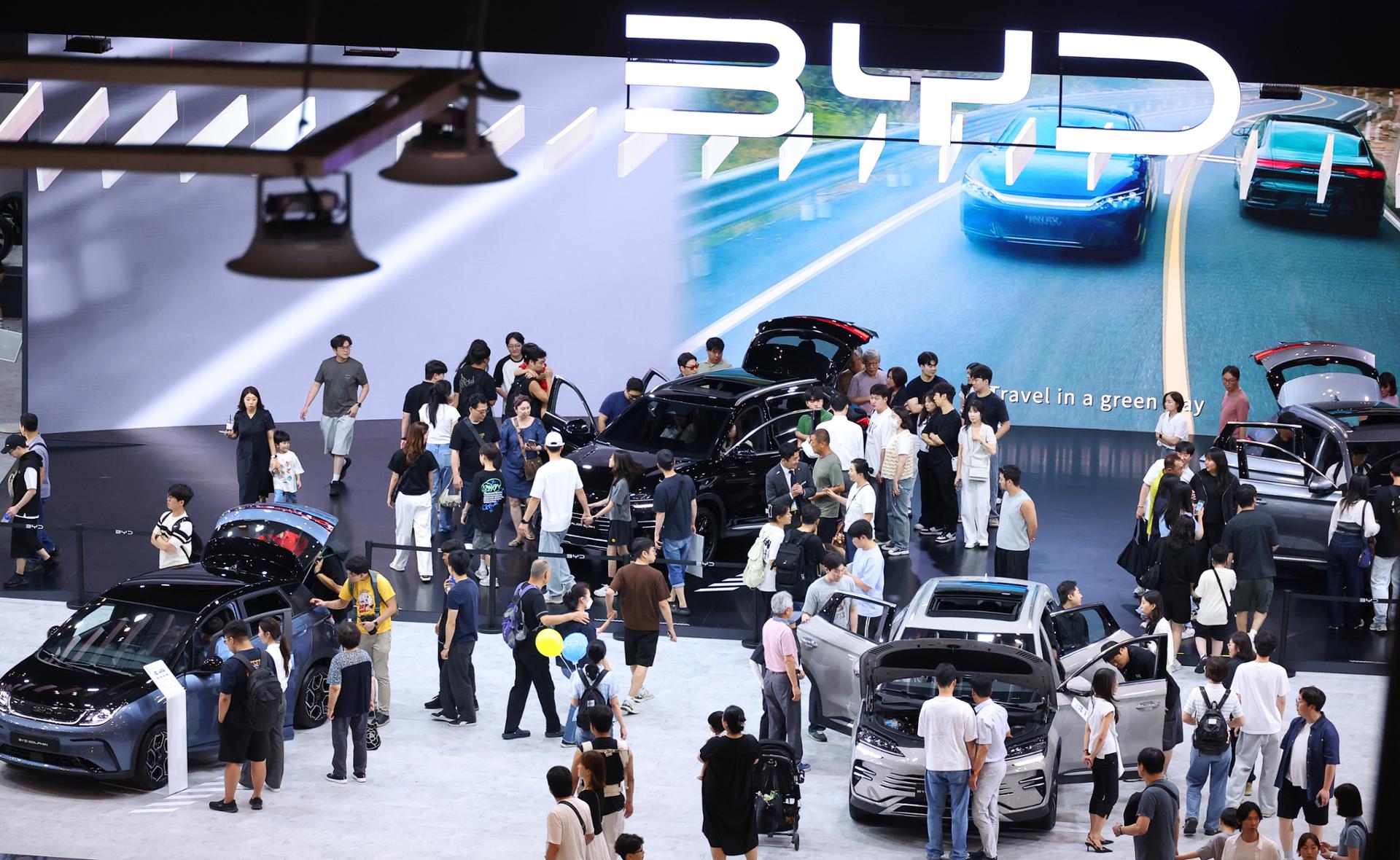
Toyota and BYD are aggressively targeting Korea's niche plug-in hybrid electric vehicle (PHEV) market, a move experts and industry officials view as a highly viable strategy to capture transitional demand and capitalize on Hyundai Motor Group’s absence in the sector.
Local customers have not favored PHEVs due largely to their vague positioning between traditional hybrid cars and all-electric vehicles. PHEVs are also excluded from government subsidies here, making them compete at a distinct price disadvantage against typical electric vehicles (EVs).
While a standard hybrid self-charges and relies primarily on a gasoline engine, PHEVs utilize a larger battery that requires external charging to deliver all-electric driving.
According to data from the Ministry of Trade, Industry and Resources, PHEVs accounted for just 0.7 percent of the Korean passenger vehicle market between January and May, with 4,739 PHEVs newly registered. This represents a 24.6 percent decline compared to the same period last year.