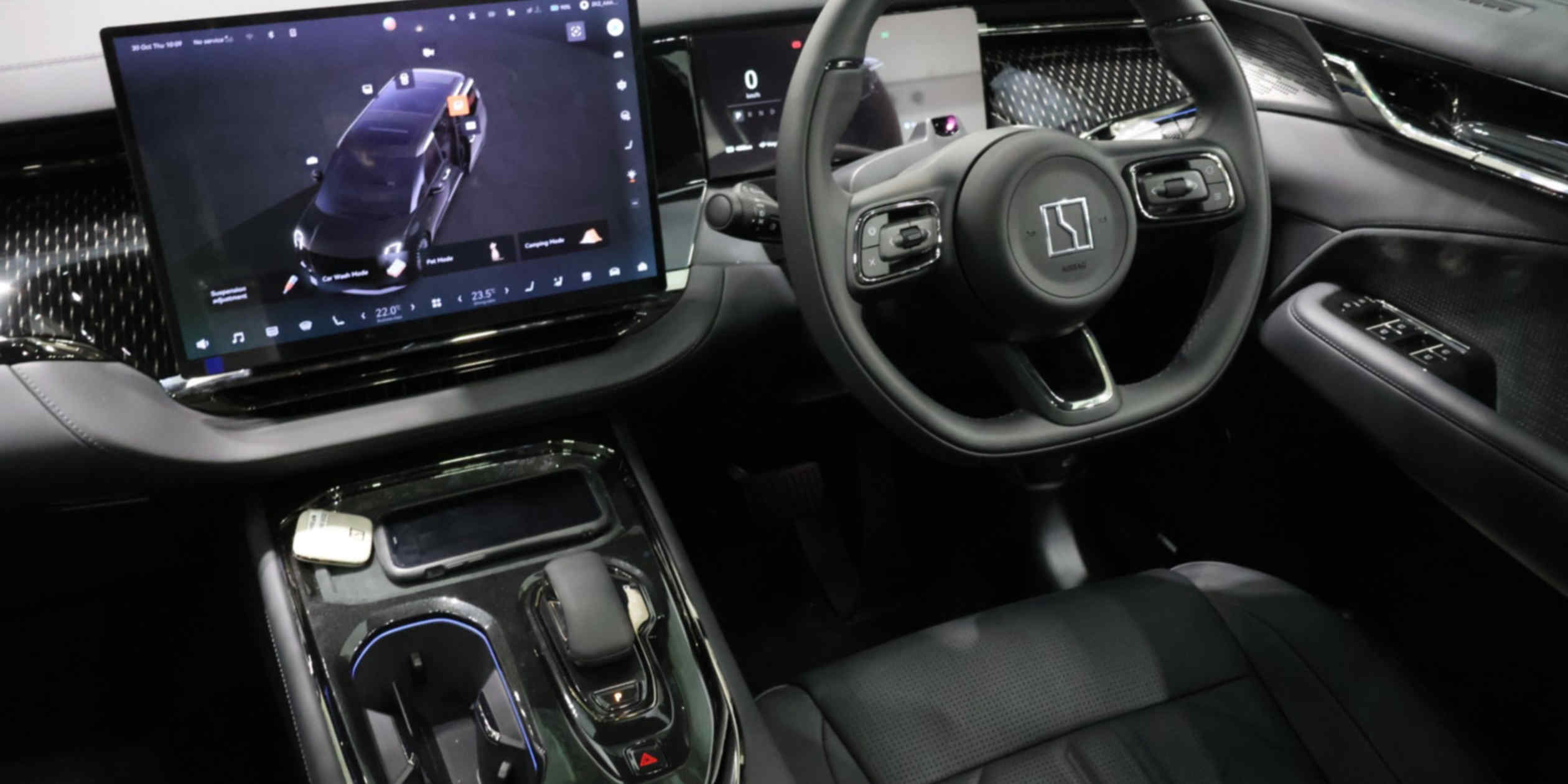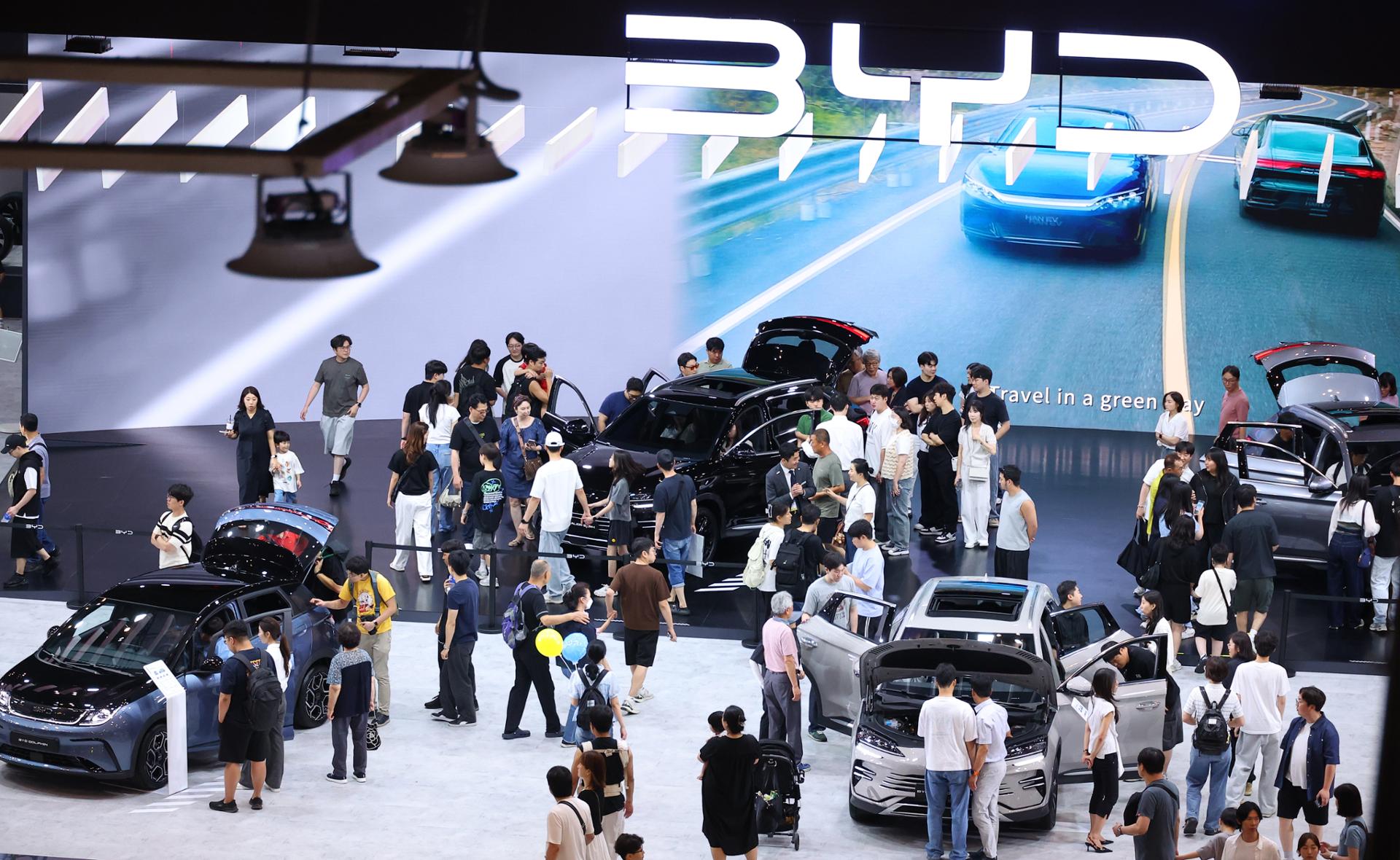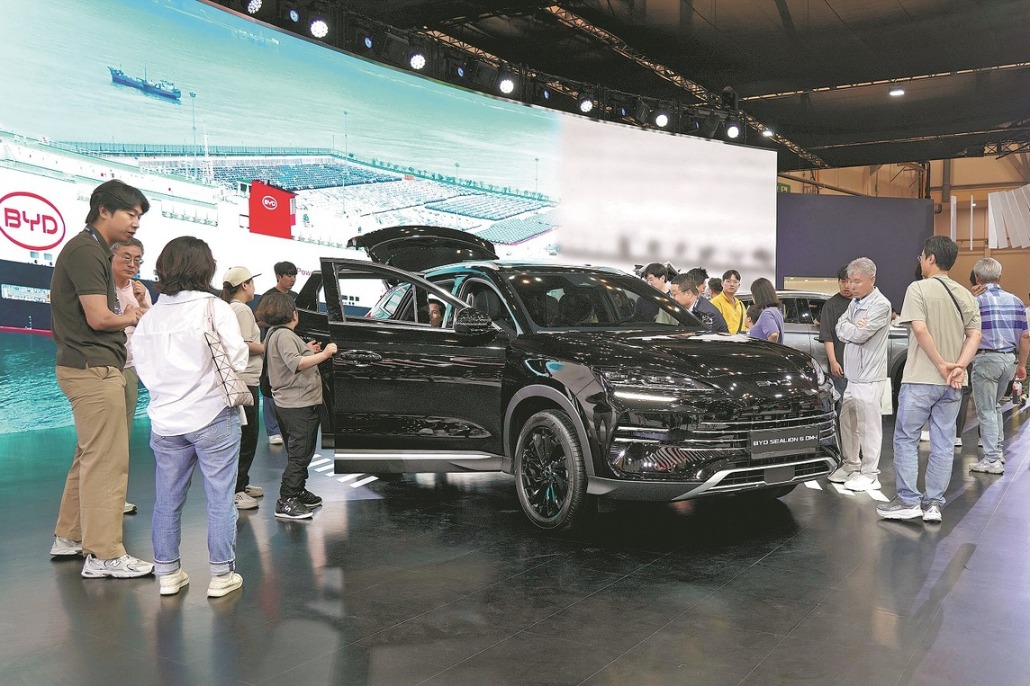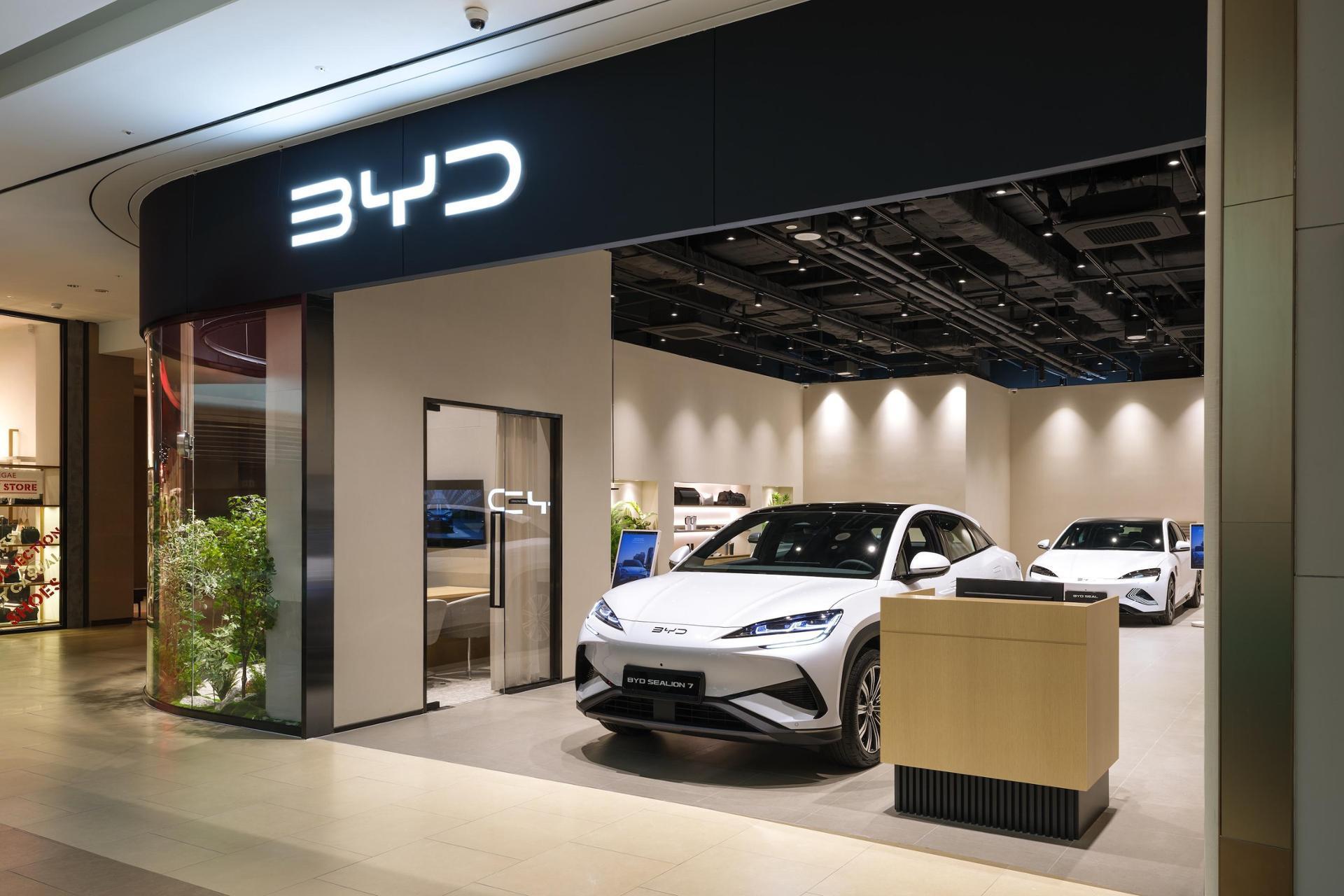
XPeng prepares Korea entry as BYD and Zeekr expand, intensifying pressure on Hyundai at home BYD Sealion 6 DM-i models are showcased at Busan International Mobility Show 2026 at the Busan Exhibition and Convention Center on June 26. (BYD Korea) Chinese EV makers are turning South Korea into their next battleground, using cut-rate pricing and advanced software to challenge Hyundai Motor Group on its home turf. With BYD and Zeekr already gaining traction, XPeng, NIO and other brands are lining up to enter a market increasingly seen as a test bed for global expansion.According to industry sources on Monday, XPeng is recruiting a head of Korean operations, officially signaling its entry to Korea. After establishing XPeng Motors Korea on June 23 last year, the company initially hired staff to handle vehicle certification and regulatory approval.Known for its software-centric vehicle system and autonomous driving technology, XPeng launched VLA 2.0, its next-generation end-to-end AI autonomous driving architecture, in China in March. The company plans to expand the technology to global markets from 2027.Similar to Tesla’s Full Self-Driving system, VLA 2.0 relies primarily on cameras rather than lidar, using artificial intelligence to learn from complex driving scenarios and make human-like driving decisions in real time.Despite its advanced autonomous driving technology, XPeng offers midsize SUVs priced in the 30-million-won ($20,286) range, positioning them to directly compete with Hyundai and Kia’s flagship EV lineups.NIO is also viewed as a strong candidate to enter the Korean market. The company has differentiated itself through battery swapping, battery subscription services and a production model that enables vehicle delivery within two weeks of an online order. Other brands, including Chery and Xiaomi, are reportedly finalizing their entry strategies as well.BYD, the earlier entrant to Korea, has set a milestone by reaching cumulative sales of 11,675 units in the first half of this year, nearly doubling its full-year total of 6,107 vehicles in 2025. The company exceeded its initial annual sales target of 10,000 units ahead of schedule and ranked as the country’s fourth-largest imported car brand behind Tesla, BMW and Mercedes-Benz.An industry source said, “BYD has pursued some of its most aggressive pricing strategies in Korea among its overseas markets to establish an early foothold,” adding that it has effectively targeted EV buyers who had traditionally favored Hyundai and Kia.Although BYD vehicle buyers are no longer eligible for the Korean government’s EV purchase subsidies, the company plans to provide its own incentives worth several million won per vehicle, keeping effective purchase prices largely unchanged, and continue expanding its market share.Meanwhile, Zeekr has adopted a premium EV branding strategy. The company started preorders for its first midsize 7X SUV — priced from 52.99 million won — last month, with customer deliveries scheduled for later this year.Experts say that while South Korea is not one of Asia’s largest EV markets by volume, Chinese automakers view it as a proving ground for their product quality, software capabilities and brand competitiveness.“Korea also provides a relatively accessible market at a time when Chinese automakers face growing trade and regulatory barriers in the US and Europe,” said Lee Ho-geun, an automotive engineering professor at Daeduk University. “Creating a foothold here can help them sharpen their product and business strategies before expanding into more restrictive markets.”Noting that Chinese brands are currently forced to limit some of their advanced driver assistance and autonomous driving features to comply with Korean regulations, Lee added, “Regulatory hurdles will eventually ease, if not for Chinese companies, then for Hyundai and Kia.”
Chinese EV makers turn Korea into global test bed
Chinese EV makers are turning South Korea into their next battleground, using cut-rate pricing and advanced software to challenge Hyundai Motor Group on its hom
581 words~3 min read