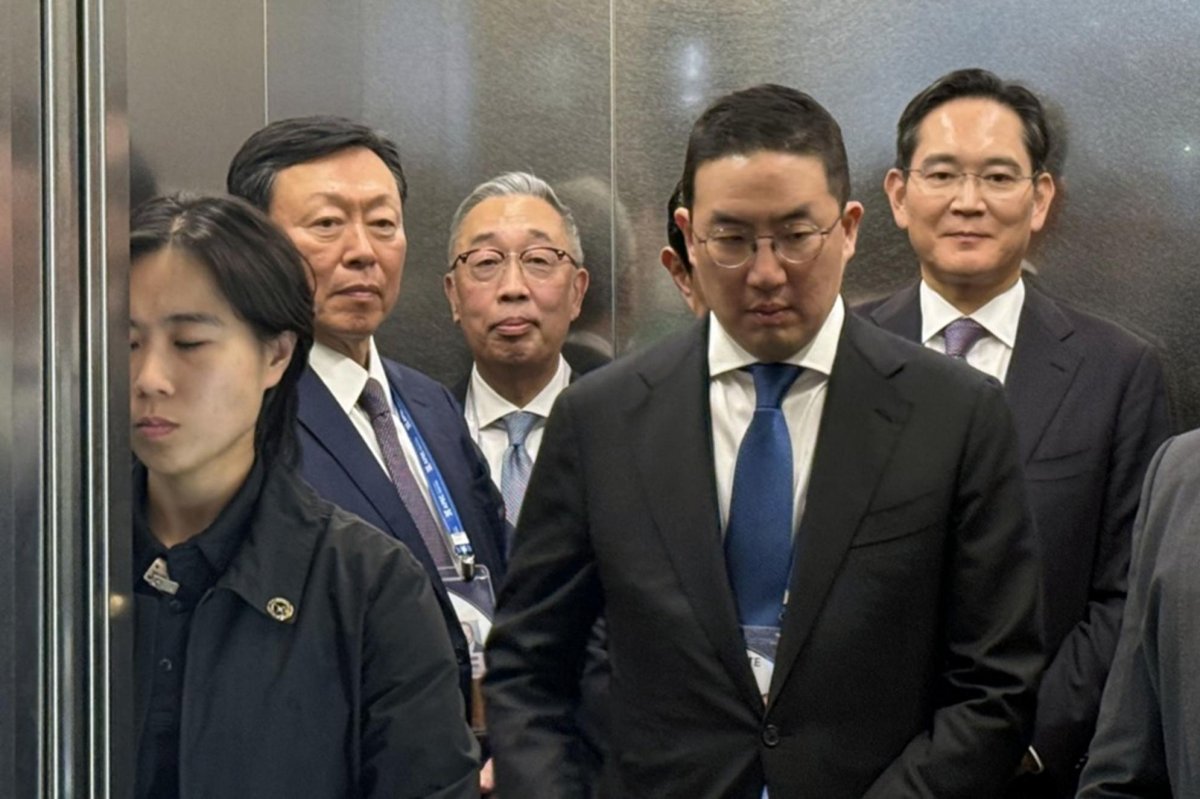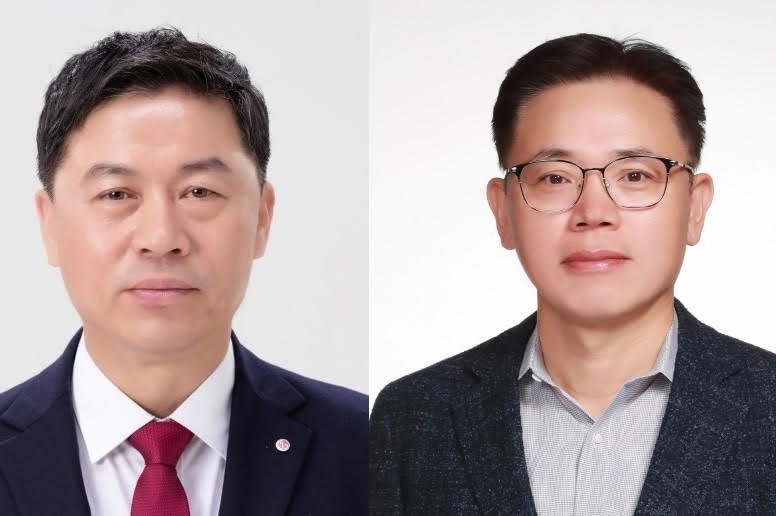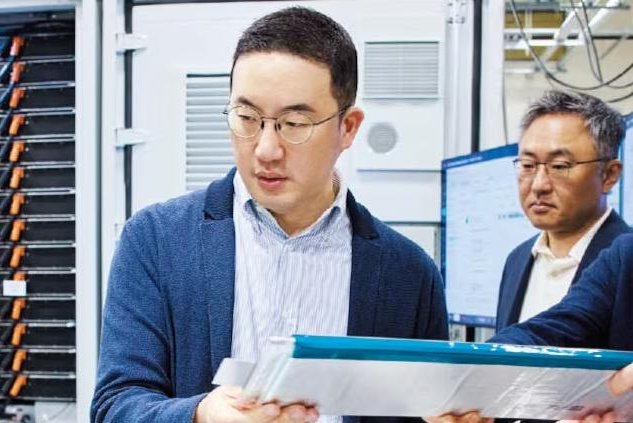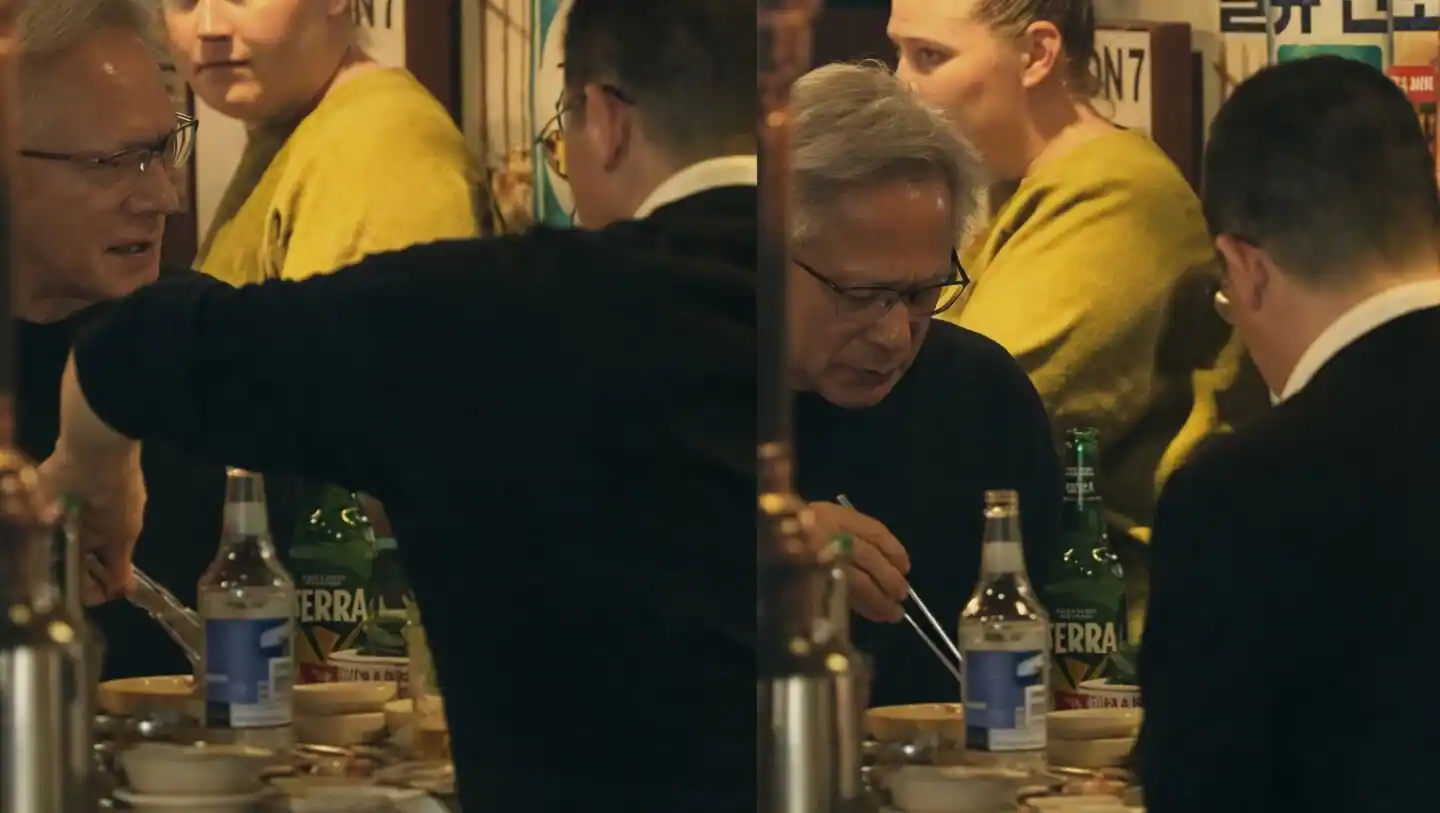
Eight years after a quiet succession, LG chief's strategy of focus and exits is beginning to pay off LG Group Chairman Koo Kwang-mo (LG Corp.) When Koo Kwang-mo took the helm of LG Group in 2018 at age 40, he did so without a grand ceremony, a high-profile speech or the usual fanfare surrounding chaebol succession.Eight years later, that restrained style still defines one of South Korea’s youngest conglomerate chiefs. Behind the low-key image, however, Koo has driven some of LG's most consequential changes in decades — exiting smartphones, scaling back LCDs and redirecting the group toward higher-margin businesses such as vehicle components, batteries, clean technology and artificial intelligence.As Koo marks the eighth anniversary of his chairmanship on Monday, LG's electronics affiliates are on track for record earnings, renewing attention on whether his quiet but decisive leadership is beginning to pay off.The business of subtraction LG Group Chairman Koo Kwang-mo visits Figure AI, an AI robotics startup based in Silicon Valley, in June 2024. (LG Corp.) According to market estimates compiled by FnGuide, LG Electronics, LG Display and LG Innotek are expected to generate combined revenue of 119.08 trillion won ($86 billion) this year, while operating profit is forecast to exceed 5 trillion won. If realized, both would mark record highs for the three companies.The momentum was already visible in the first quarter. Combined revenue reached 29.26 trillion won, the highest ever for a first quarter, while operating profit climbed to 1.82 trillion won, more than four times what it was in 2023.Industry watchers say the figures reflect a portfolio overhaul that has become the defining feature of Koo's leadership: exiting businesses with weak profitability or uncertain long-term prospects and concentrating resources on areas where LG could build technological advantages and scale.The highest-profile of these decision came in 2021, when LG Electronics shut down its smartphone business after years of losses. The move surprised many observers, given LG's decadeslong status as Korea's No. 2 smartphone maker and its global brand recognition.Koo also exited fuel cells, water treatment and electronic payment businesses in 2019, followed by the closure of LG's solar panel business in 2022. At the same time, the group scaled back its exposure to LCD panels and redirected investments toward batteries, automotive electronics, HVAC systems, OLED displays and semiconductor-related components.For a Korean conglomerate, where businesses are often preserved for legacy, employment or strategic reasons, the willingness to walk away from established operations is unusual.Across the group, Koo's strategy could be summarized in three words: selection and concentration.Quiet, but decisive From left: LG Group Chairman Koo Kwang-mo, Naver founder Lee Hae-jin, Nvidia CEO Jensen Huang and SK Group Chairman Chey Tae-won join hands after a pork belly-and-soju dinner at a restaurant near Hongdae in Seoul on June 5. (Yonhap) Koo contrasts sharply with many of his peers in terms of his public profile.SK Group Chairman Chey Tae-won has become one of Korea's most visible corporate leaders as both the face of SK's AI ambitions and head of the Korea Chamber of Commerce and Industry. Hyundai Motor Group Executive Chair Chung Euisun has emerged as the public face of Korea's mobility and robotics push, while Samsung Electronics Chairman Lee Jae-yong attracts constant market attention.Koo, by comparison, rarely speaks publicly and is seldom seen outside company events and site visits.That image briefly shifted earlier this month when he joined Nvidia CEO Jensen Huang, SK's Chey and Naver founder Lee Hae-jin for a pork belly-and-soju dinner in Seoul. Koo was seen grilling meat for the others as the youngest executive at the table, a rare public glimpse of a chairman more accustomed to operating behind the scenes.Inside LG, however, executives and employees often describe his management style as practical rather than passice.Koo is known for visiting domestic and overseas business sites regularly without large entourages or elaborate protocols. Employees often learn only after the fact that the chairman had stopped by."Koo's style is quiet, but not passive," an industry official said. "He avoids unnecessary attention but moves quickly when decisions need to be made."The next eight yearsIf the first phase of Koo's leadership was defined by exits and restructuring, the next will be judged by what he builds.LG's future growth strategy centers on what it calls its "ABC" businesses — artificial intelligence, bio and clean tech — backed by a planned 100 trillion won investment in Korea through 2028.The focus on AI also reflects Koo's own background. A computer science major at the Rochester Institute of Technology who later attended the Stanford Graduate School of Business and worked at a startup in Silicon Valley, Koo took an unusual path for a Korean chaebol heir.LG was also an early mover in AI, establishing LG AI Research in 2020 and launching its flagship model, Exaone, a year later.Today, Exaone is used across affiliates including LG Electronics, LG Chem and LG Uplus for research, product development and business operations.The group is now seeking to turn AI into a connective layer across affiliates under its "One LG" strategy, combining robotics, components, batteries and software capabilities into what it sees as a broader physical AI ecosystem.Koo's recent meeting with Jensen Huang has only fueled expectations that LG will deepen its push into AI-powered manufacturing, robotics, smart homes, mobility and HVAC systems.Bio and clean tech form the other two pillars of the ABC strategy, spanning pharmaceuticals, biomaterials, battery recycling and renewable energy materials.The challenge, however, is different from the one Koo faced in 2018.Closing businesses is difficult. Building businesses large enough to replace them is harder.Over the past eight years, Koo built his reputation on knowing what to leave behind.The next eight will depend on what he builds next.
Quiet, but decisive: Koo Kwang-mo's remaking of LG
When Koo Kwang-mo took the helm of LG Group in 2018 at age 40, he did so without a grand ceremony, a high-profile speech or the usual fanfare surrounding chaebo
941 words~4 min read