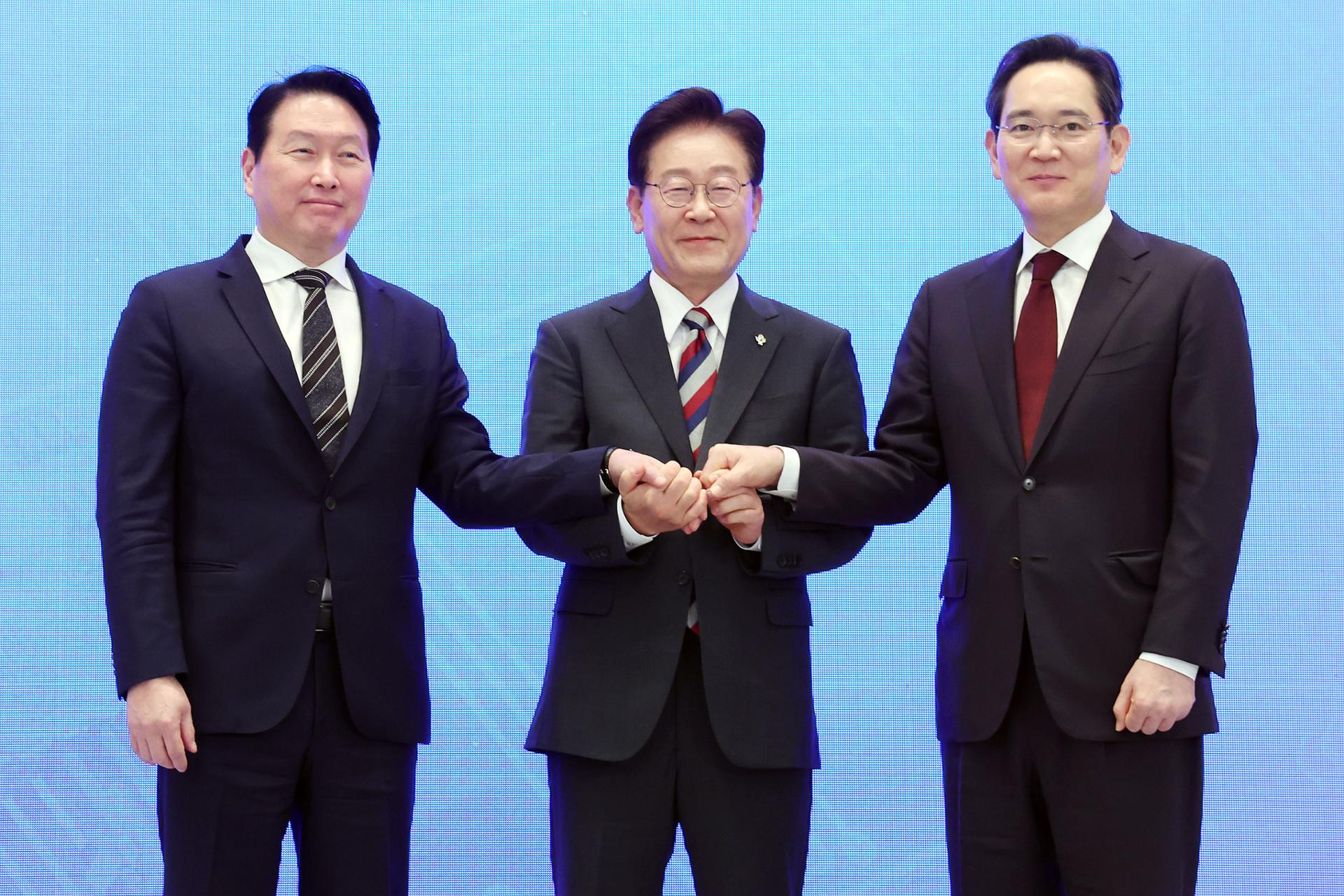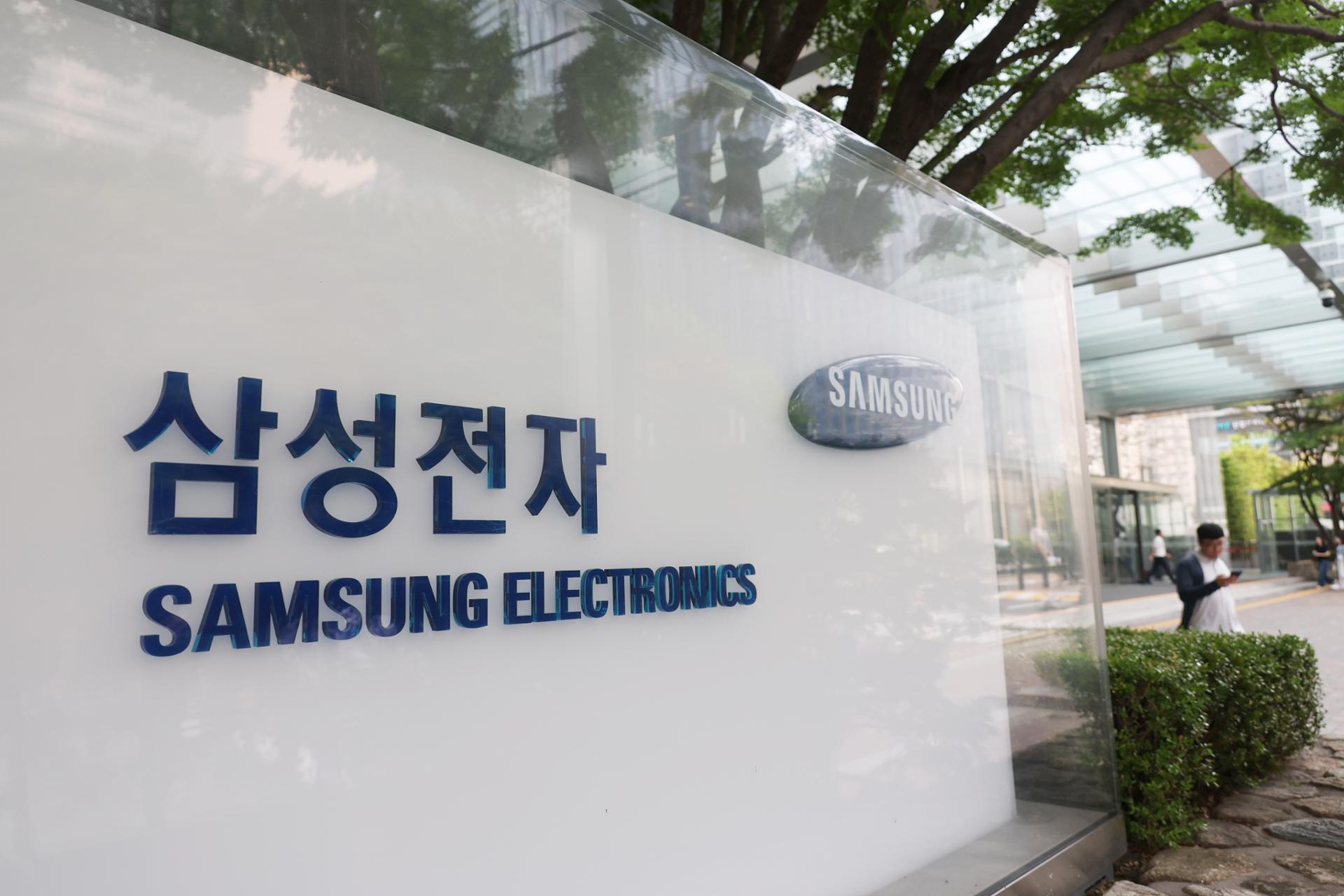
Employees head to work at Samsung Electronics’ Seocho headquarters in Seoul, June 29, as the government unveils its "Korea’s Great Leap Forward: Three Mega Projects" initiative. The briefing, attended by Samsung Electronics Executive Chairman Lee Jae-yong and SK Group Chairman Chey Tae-won, was expected to reveal large-scale investment plans by the two conglomerates. Yonhap
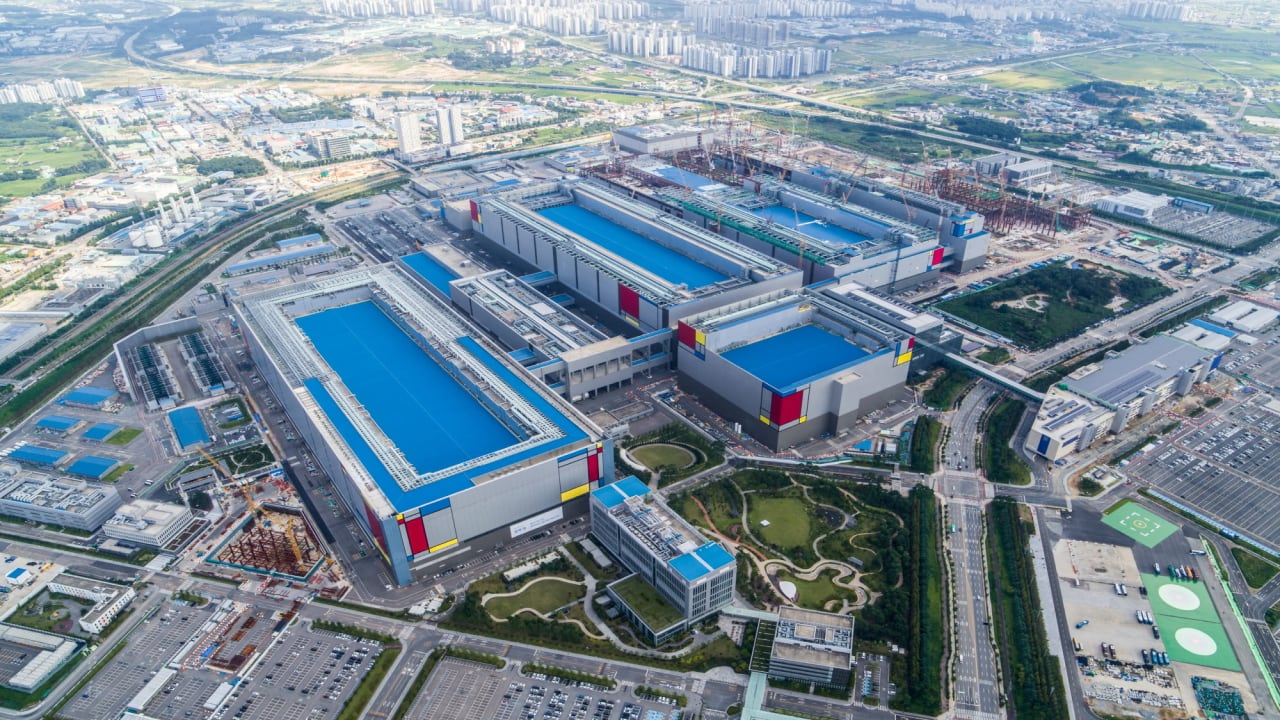
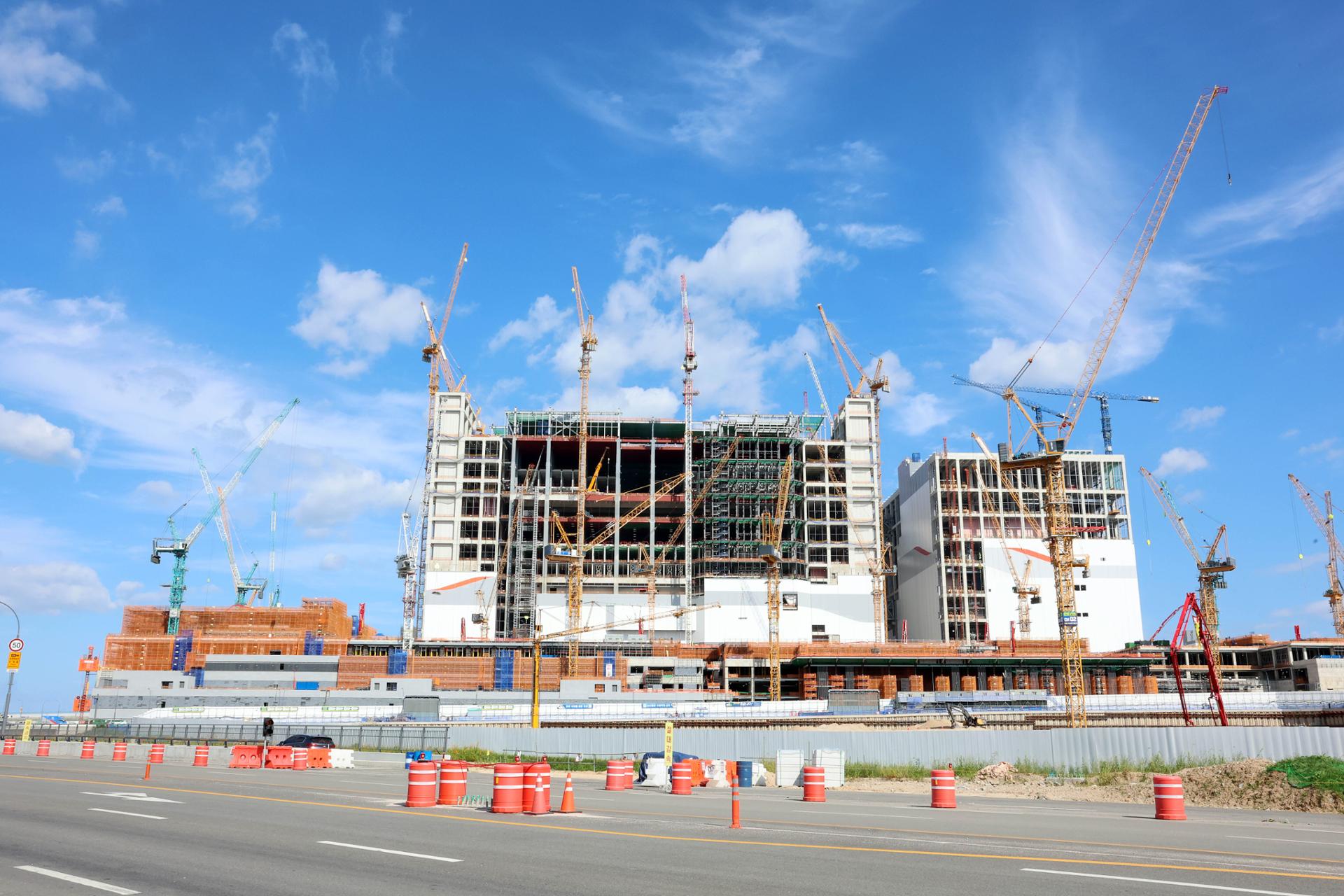
Korea's newly unveiled "Three Mega Projects" represents one of the most ambitious industrial development initiatives in the nation's history. Anchored by a proposed semiconductor cluster in the southwest, a physical artificial intelligence (AI) hub in the southeast and a massive AI data center complex in the central region, the plan seeks to mobilize more than 1,000 trillion won ($647 billion) in public and private investment. If successfully implemented, it could strengthen the country's position in the global semiconductor and AI race while advancing the long-elusive goal of balanced regional development.
The vision is compelling. Yet its success will depend not only on the scale of investment but also on the transparency of its execution and the credibility of its economic rationale.
Korea faces a demographic crisis that is no longer a distant concern but an immediate national challenge. The country's birthrate remains among the lowest in the world, while rural communities continue to lose population to the Seoul metropolitan area. Many provincial cities have entered a vicious cycle: shrinking populations lead to fewer jobs, declining public services and further outmigration of young people. Without decisive intervention, regional decline risks becoming irreversible.