Story audio is generated using AI
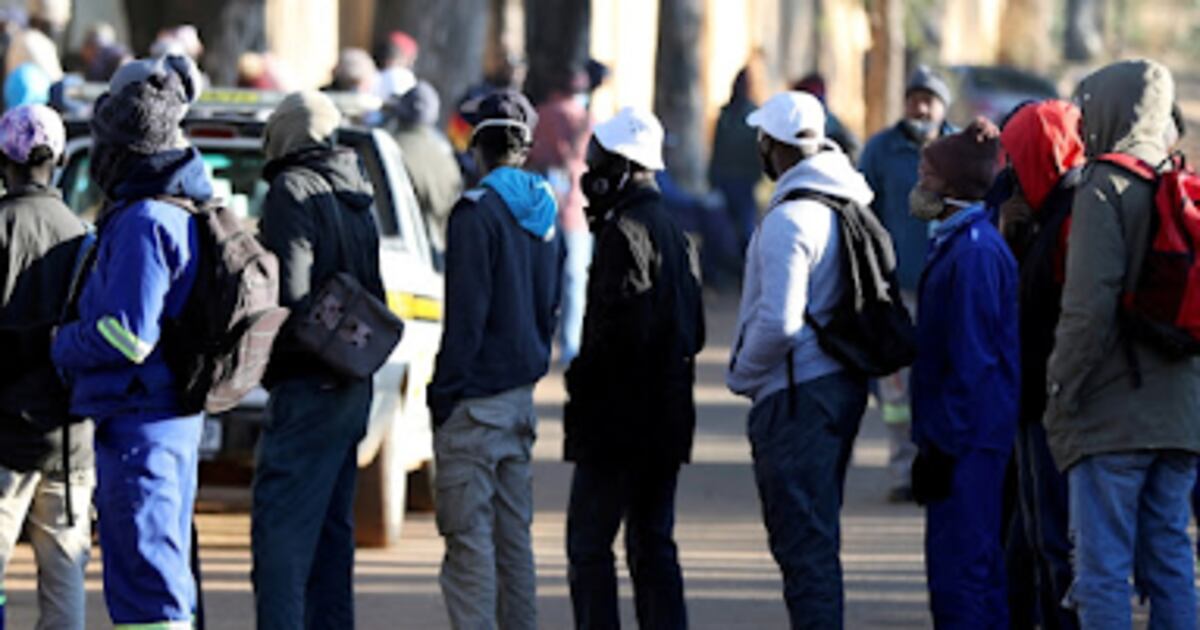
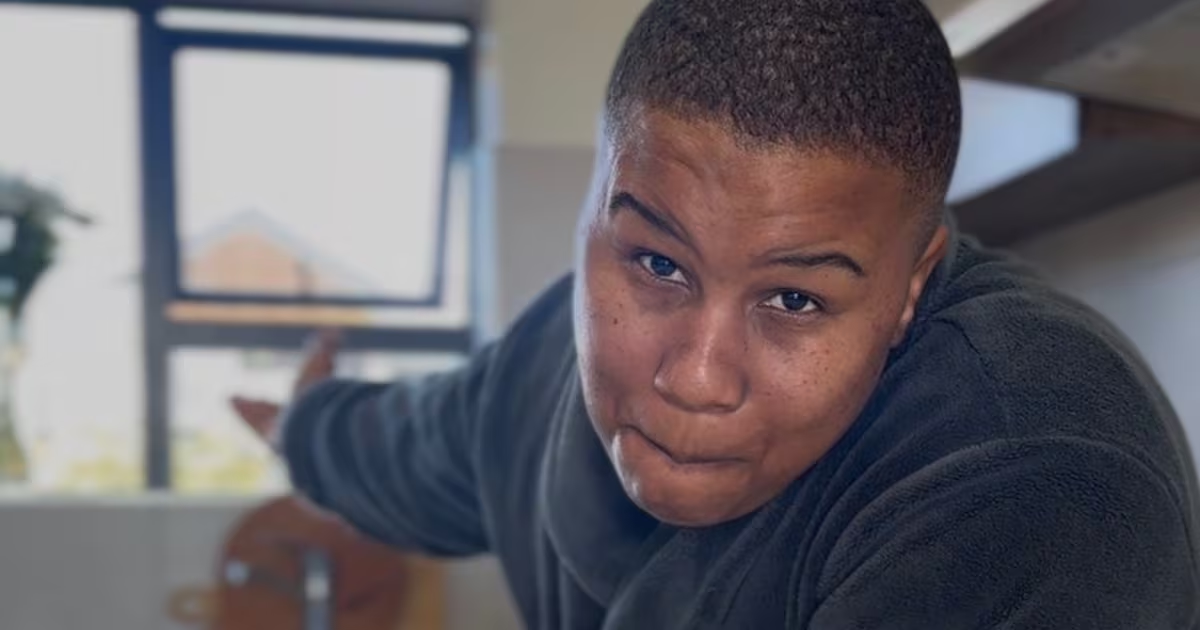
Another Youth Month soon concludes, with South Africa again having had the same conversation about youth unemployment and lack of opportunities. The statistics and frustration are well known, especially when the only answer we give young people is to create their own opportunities. Too often, that is more inspiration than guidance. A young person in Hammanskraal or Kuils River cannot build a livelihood from slogans. They need access, skills, tools and, importantly, an understanding of where opportunity sits in today’s economy.One of the fastest-growing opportunities is the creator economy.Globally, the creator economy is estimated to be worth more than $250bn (about R4.2-trillion) and some forecasts suggest it could exceed $500bn by the end of the decade. This is no longer a niche corner of the internet. It is a rapidly expanding sector creating businesses, jobs and new forms of entrepreneurship.Just last week, MrBeast became the first individual creator to reach half a billion subscribers on YouTube. His achievement is often viewed through the lens of popularity, but the real story is enterprise. He has built a global business with staff, products and commercial partnerships.Many South Africans misunderstand the creator economy. The money is not in a viral moment. It is in building an audience and turning that audience into a business.Let us be clear. Content creation is not a solution to South Africa’s unemployment crisis. We still need engineers, artisans, teachers, health-care workers and industrial entrepreneurs. A healthy economy cannot be built on influencers alone. But dismissing the creator economy as frivolous would be a mistake.Creators such as award-winning TikTok star Obakeng Mahlangu, better known as Malumfoodie, are not simply posting videos online. They are building audiences, negotiating with brands, selling products and creating businesses around their personal brands.Mahlangu started by posting cooking videos while working as an aviation technician. The turning point came when a company asked him for a rate card. Until then, he saw content creation as a platform to showcase his talent. He soon realised businesses were willing to pay for access to the audience he had built.As he put it, “Not only a brand is being built on our phones, but also businesses are being built in the form of personal brands.” That insight may be the most important lesson for young South Africans.Cape Town YouTuber Jade Oliver, known as Afrolecia, offers a similar lesson. After years of creating content with little financial reward, she eventually earned more from content than through conventional employment and later launched her own haircare business.Her story shows that content creation can become a gateway to entrepreneurship rather than an end in itself.Many South Africans misunderstand the creator economy. The money is not in a viral moment. It is in building an audience and turning that audience into a business.Revenue comes through multiple streams: brand partnerships, advertising, affiliate marketing, digital products, consulting, memberships, live events and product sales. In most cases, the platform is not the business. It is the channel that makes the business possible.For South Africans, YouTube remains one of the most lucrative platforms because it offers direct advertising revenue. Facebook has also become an income source for eligible creators. TikTok is often less about direct monetisation and more about audience growth, sponsorships and business opportunities, while Instagram remains attractive for brand partnerships.For South Africans, YouTube remains one of the most lucrative platforms because it offers direct advertising revenue.In South Africa, this opportunity sits within a broader creative economy that already contributes significantly to GDP (about 4%) and employment. According to the South African Cultural Observatory, the sector contributes more than R270bn to the economy and supports over a million jobs. Digital creation is becoming an increasingly important part of that ecosystem.The creator economy also extends far beyond influencers. Video editors, graphic designers, social media managers, photographers, copywriters, podcast producers and digital strategists all participate in this growing ecosystem.That is why we need a more mature conversation about content creation. Not every young person should become a creator, but every young person should understand the opportunities emerging from the digital economy.A young person with a smartphone, internet access and a valuable skill can now reach audiences that were previously inaccessible. They can teach, entertain, market, design, write, coach or create. They can earn income from customers far beyond their immediate communities.However, success is not guaranteed. For every creator who achieves visibility, thousands struggle to gain traction. Building an audience requires patience, consistency, resilience and business discipline. Social media rarely shows the years of unpaid work that come first.That reality should not discourage us. It should prepare us.We spend a great deal of time telling young people to create opportunities for themselves. It is time we started showing them where those opportunities are.• Mtwentwe is MD of Vantage Advisory and host of the SAICABIZ Impact Podcast