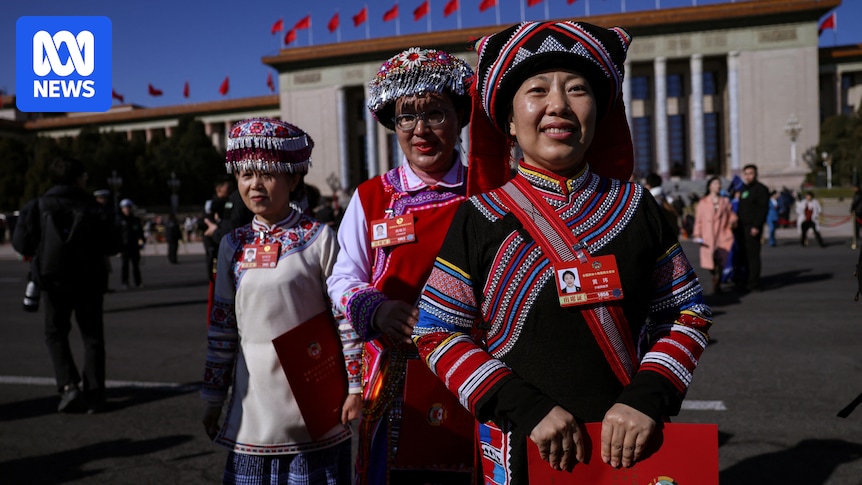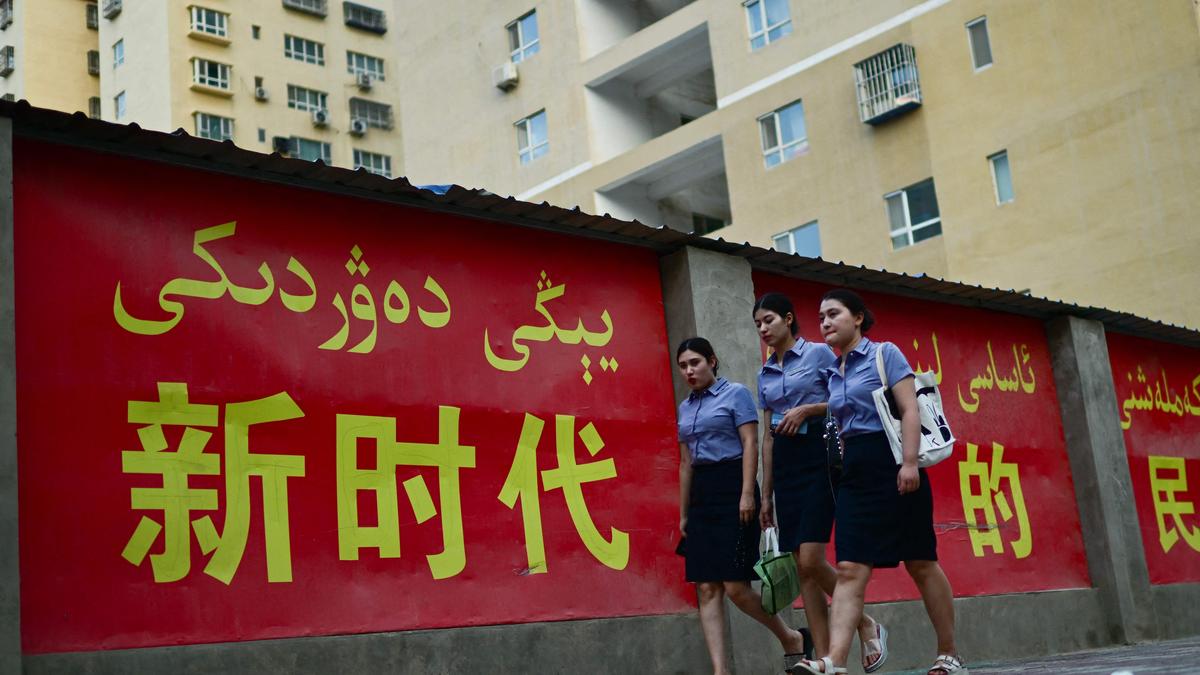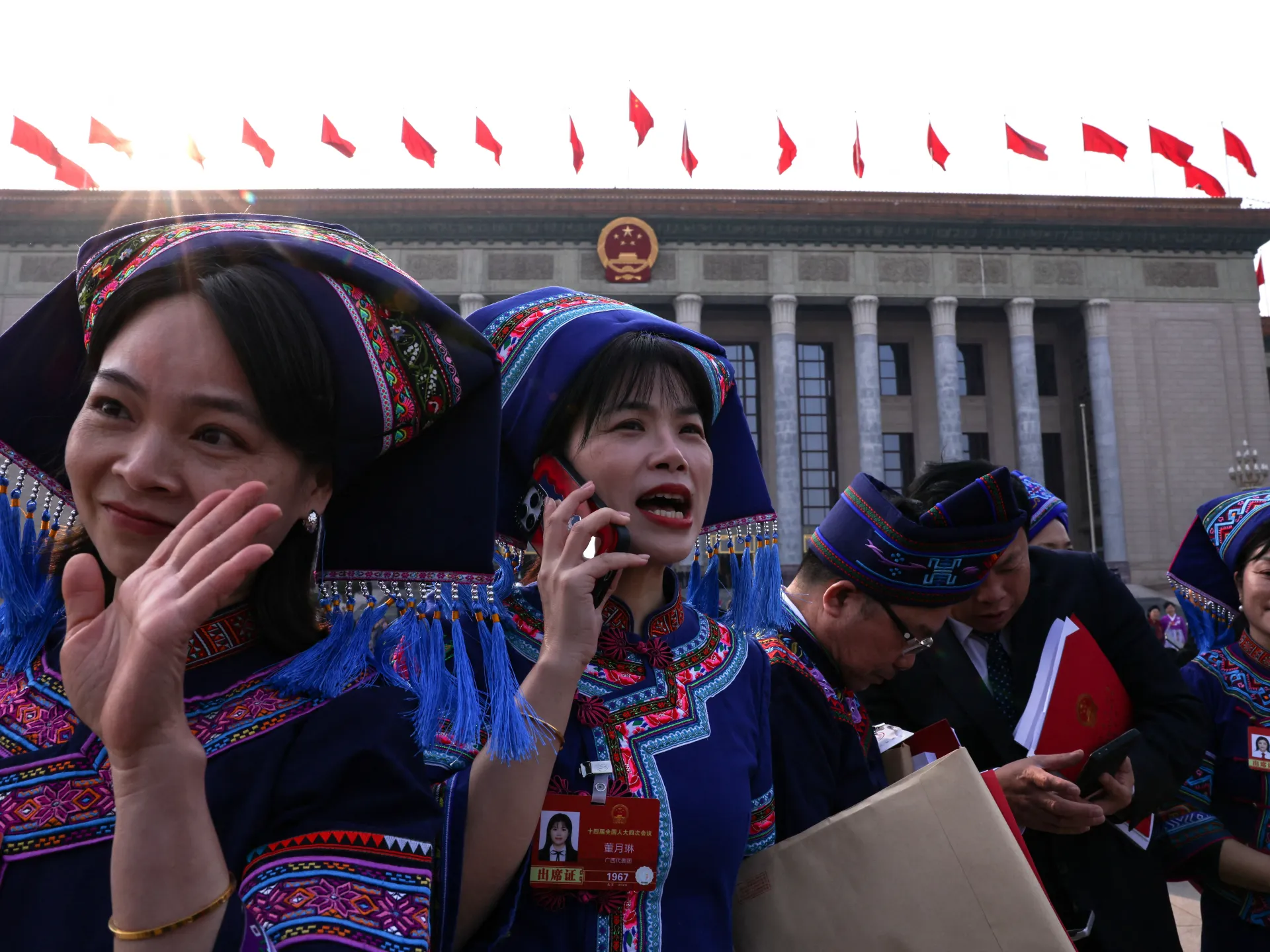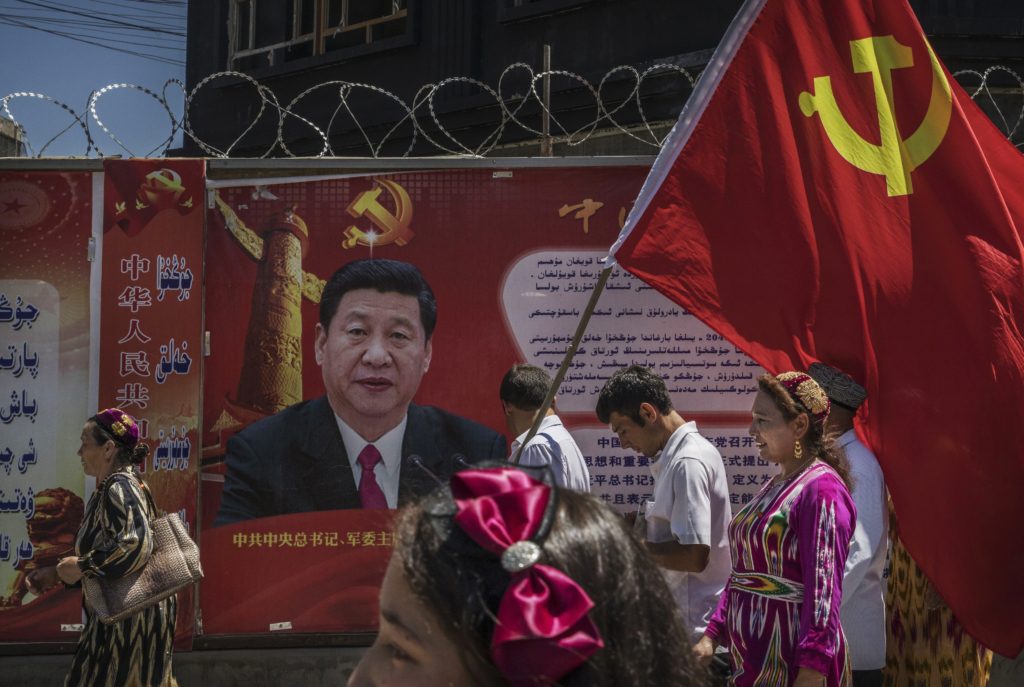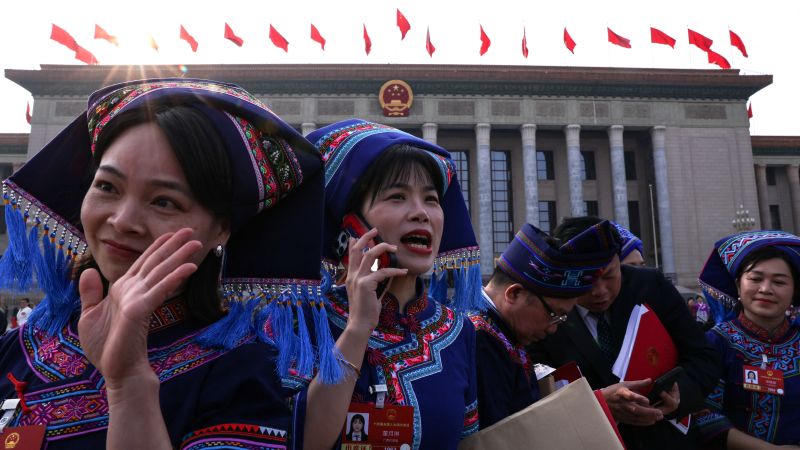
As China’s law on “Promoting Ethnic Unity and Progress” comes into effect from July 1, the Tibetan government-in-exile has denounced what it described as a legal assault on the survival of the Tibetan language, culture, and identity.
The political leader (Sikyong) of Central Tibetan Administration (CTA), Penpa Tsering, has expressed serious concerns about the possible repercussions the new law could have for Tibetans, as well as other ethnic minorities inside China.
Tsering, who attended the conference organised by the CTA’s research and policy wing, the Tibetan Policy Institute, in New Delhi, said, “To the outside world, the law is presented as a framework for strengthening ethnic solidarity. To Tibetans, however, it represents the legal codification of a decades-long campaign aimed at transforming Tibetan identity, weakening Tibetan culture, restricting religious life, and replacing a distinct civilisation with a state-defined conception of national identity. In essence, this tantamount to China committing crime against humanity and legalising genocide in Tibet.”
The law on Promoting Ethnic Unity and Progress, passed on March 12, by China’s 14th National People’s Congress, is set to take effect from July 1. Sikyong said that the legislation serves two principal purposes.