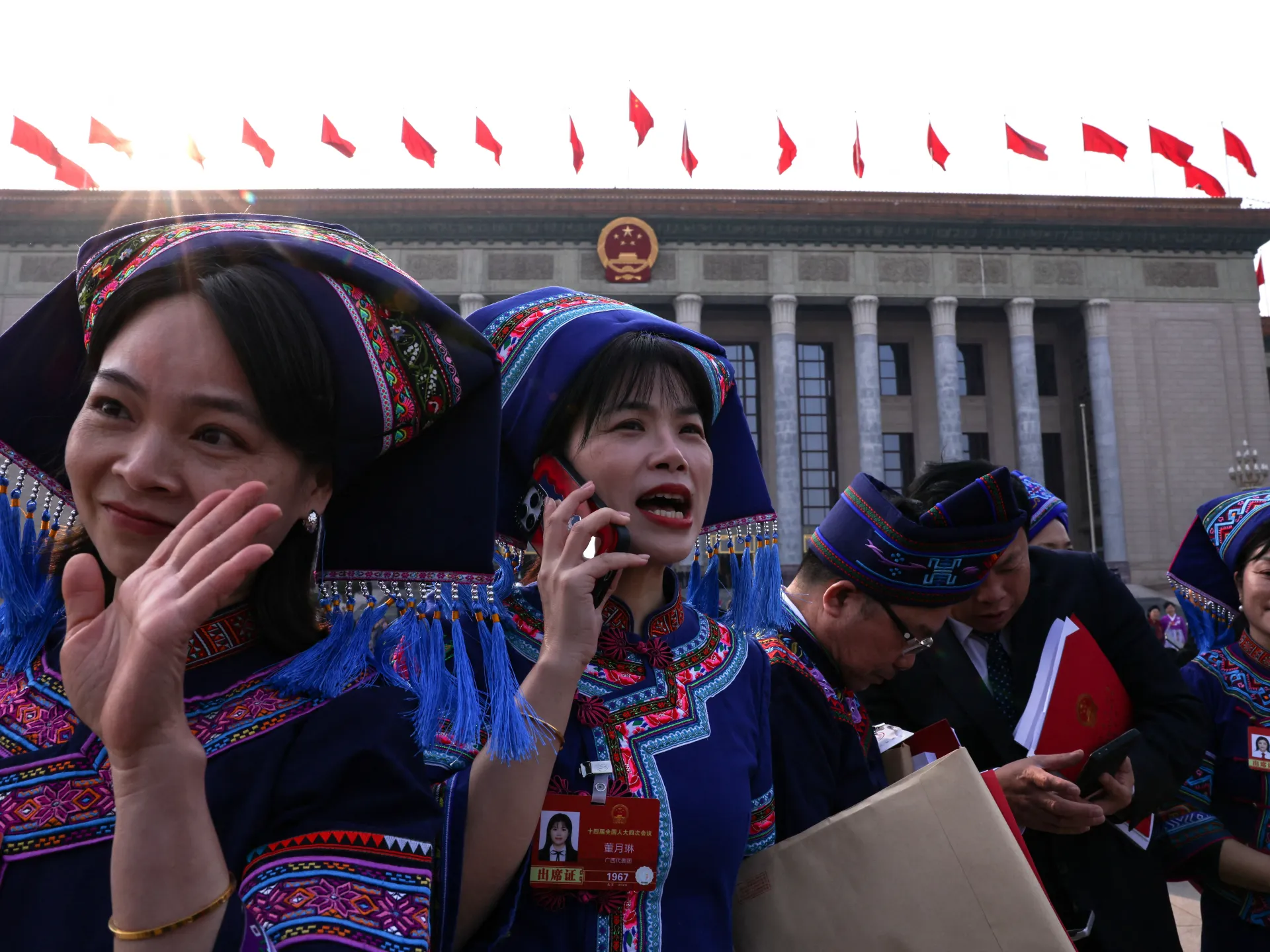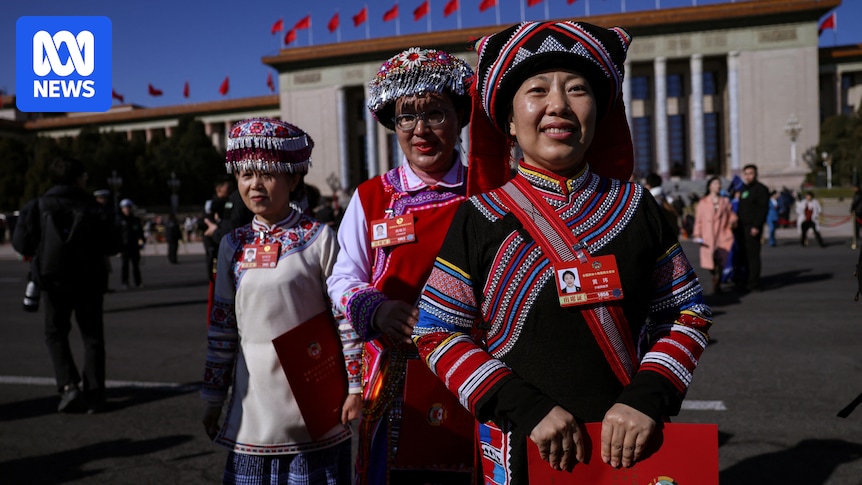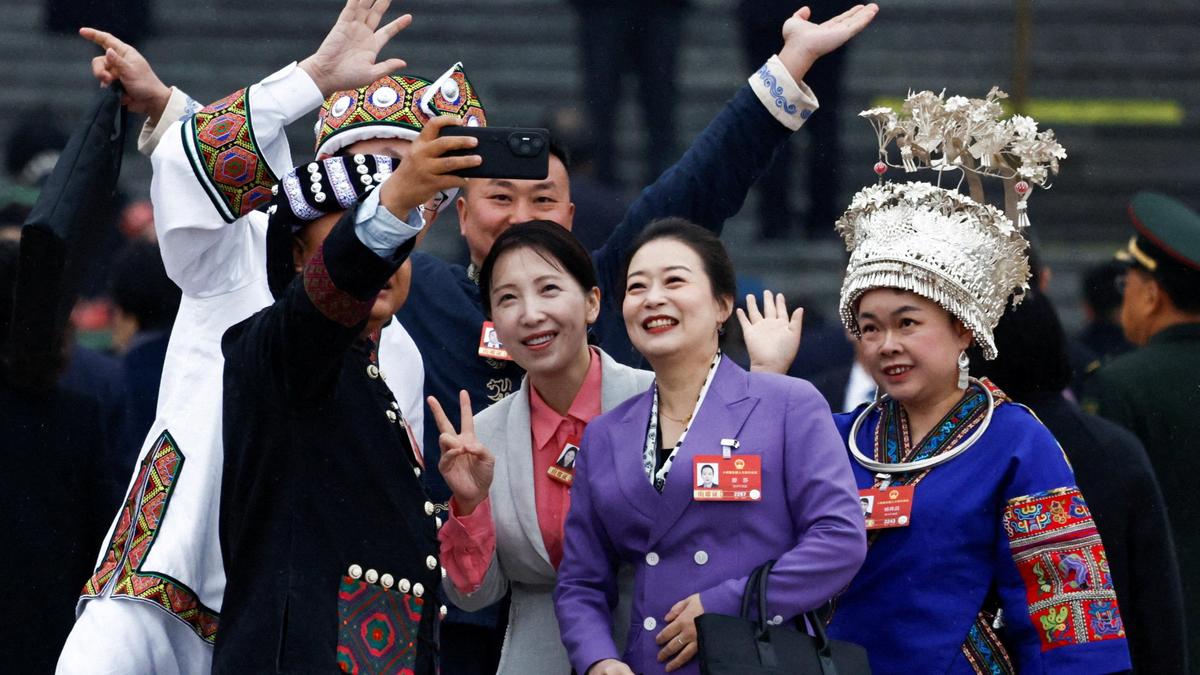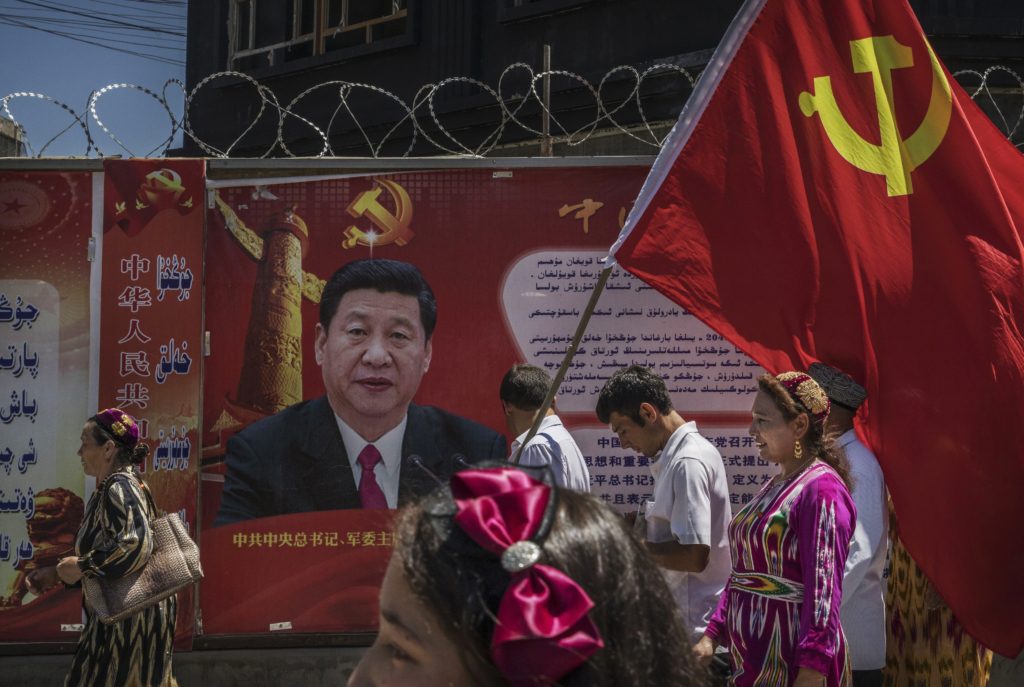
Responding to China’s new Ethnic Unity Law coming into force on 1 July, Amnesty International’s Deputy Regional Director Sarah Brooks said:
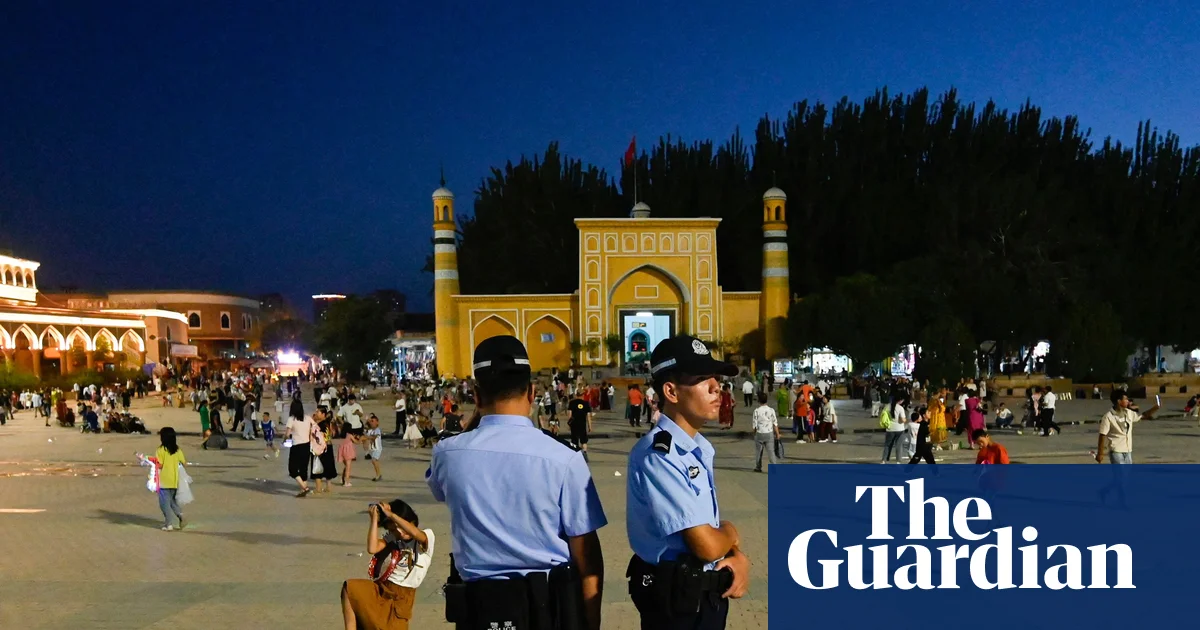
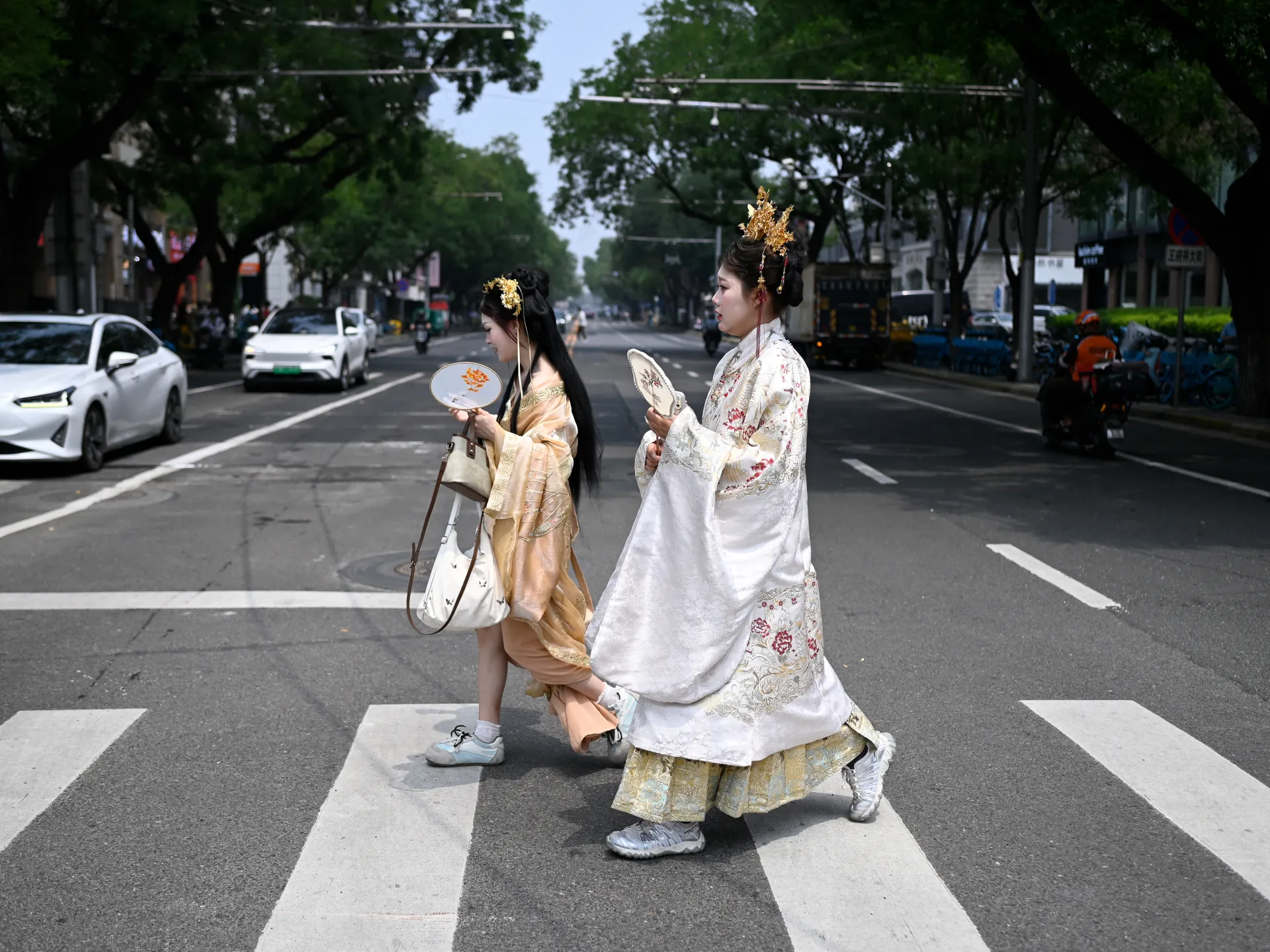
“Chinese authorities have human rights obligations requiring them to protect minority communities and their cultures, but this law does the opposite. Rather than celebrating difference, it is about pushing ethnic groups such as Uyghurs, Tibetans, and Mongolians to adopt a single, state-defined national identity dominated by Han Chinese culture.
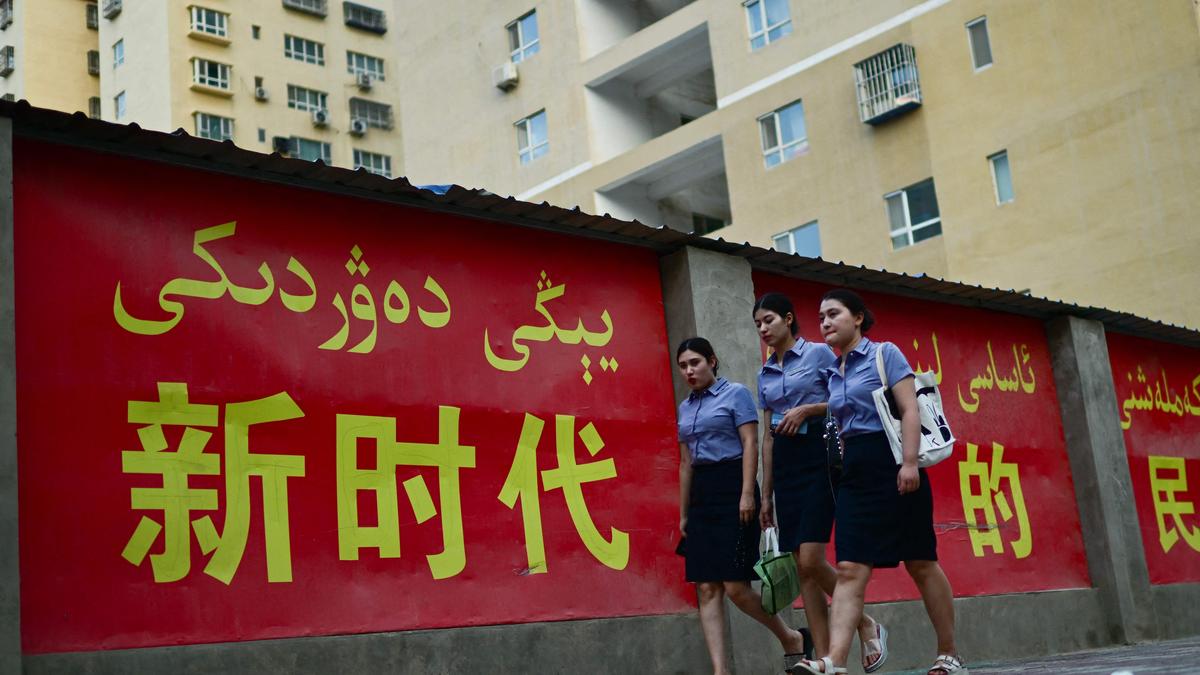
“‘Unity’ in this context is not harmony between different communities — it is political and ideological alignment with the Chinese Communist Party. Rather than protecting diversity and equality, the law requires conformity.
“Chinese authorities’ stated intention to apply elements of this law beyond China’s borders is also deeply concerning. This law risks providing a stronger legal basis for existing practices of transnational repression — peaceful advocacy for minority rights in China by anyone, anywhere could be characterized as undermining ‘ethnic unity’.
“Meanwhile, activities which already carry great risk within China – such as promoting minority languages, documenting human rights abuses, or campaigning for the release of those detained because of their expression of culture, opinion or belief – could be further criminalized.