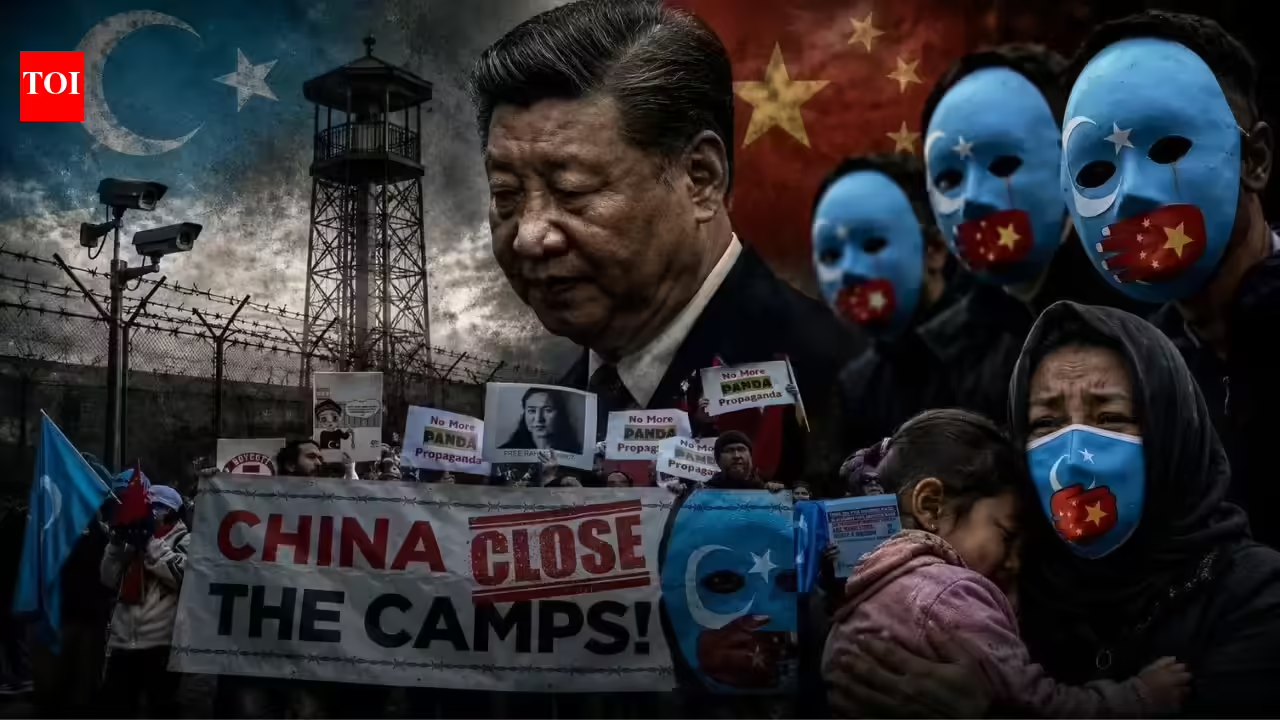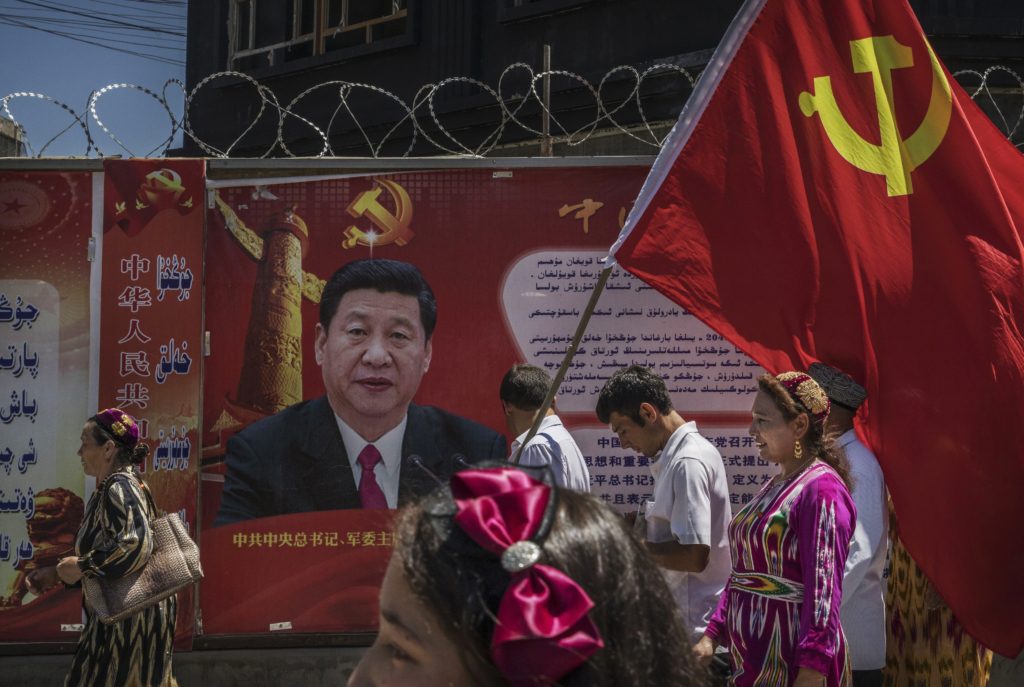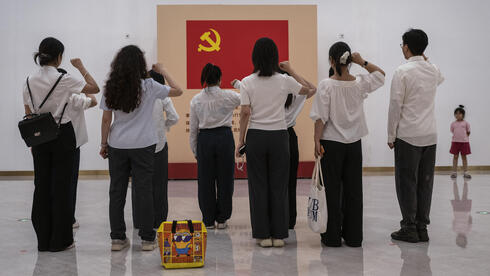
The “Law on Promoting Ethnic Unity and Progress” will come into force on 1 July in China. Presented by Beijing as an instrument of national cohesion, it constitutes in reality a further step in a well-documented assimilation policy targeting Tibetans, Uyghurs, Mongols, and others considered “ethnic minorities” by the Chinese Communist Party.
For the European Union, which defines itself through the principle of “unity in diversity,” this new legislation should serve as a wake-up call.
This law codifies in effect the practices and policies of sinicisation that have already been implemented for several years, particularly under Xi Jinping’s presidency. It promotes a homogeneous social model that reduces space for pluralism and diversity.
Several provisions of the law illustrate this trend. The priority given to Mandarin in all public spheres de facto relegates other languages, such as Tibetan, to a secondary status. Yet, language is the very foundation of cultural identity: its marginalisation directly undermines the transmission of culture from one generation to the next.
The consequences are already visible. More than a million Tibetan children are currently educated in boarding schools where instruction is primarily in Mandarin, in an environment heavily influenced by the ideology of the Chinese Communist Party. This educational policy contributes to a worrying decline in the use of Tibetan among younger generations.