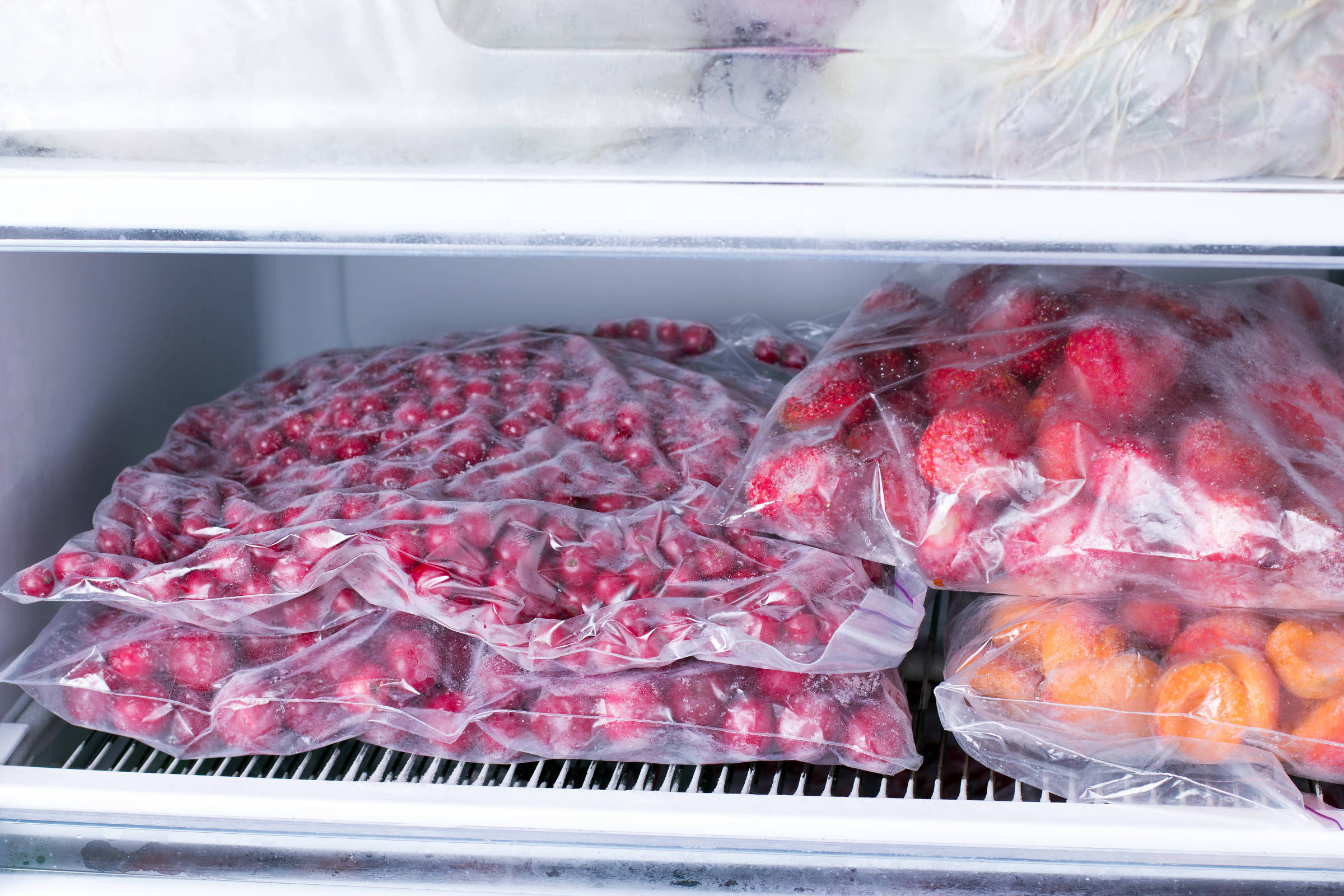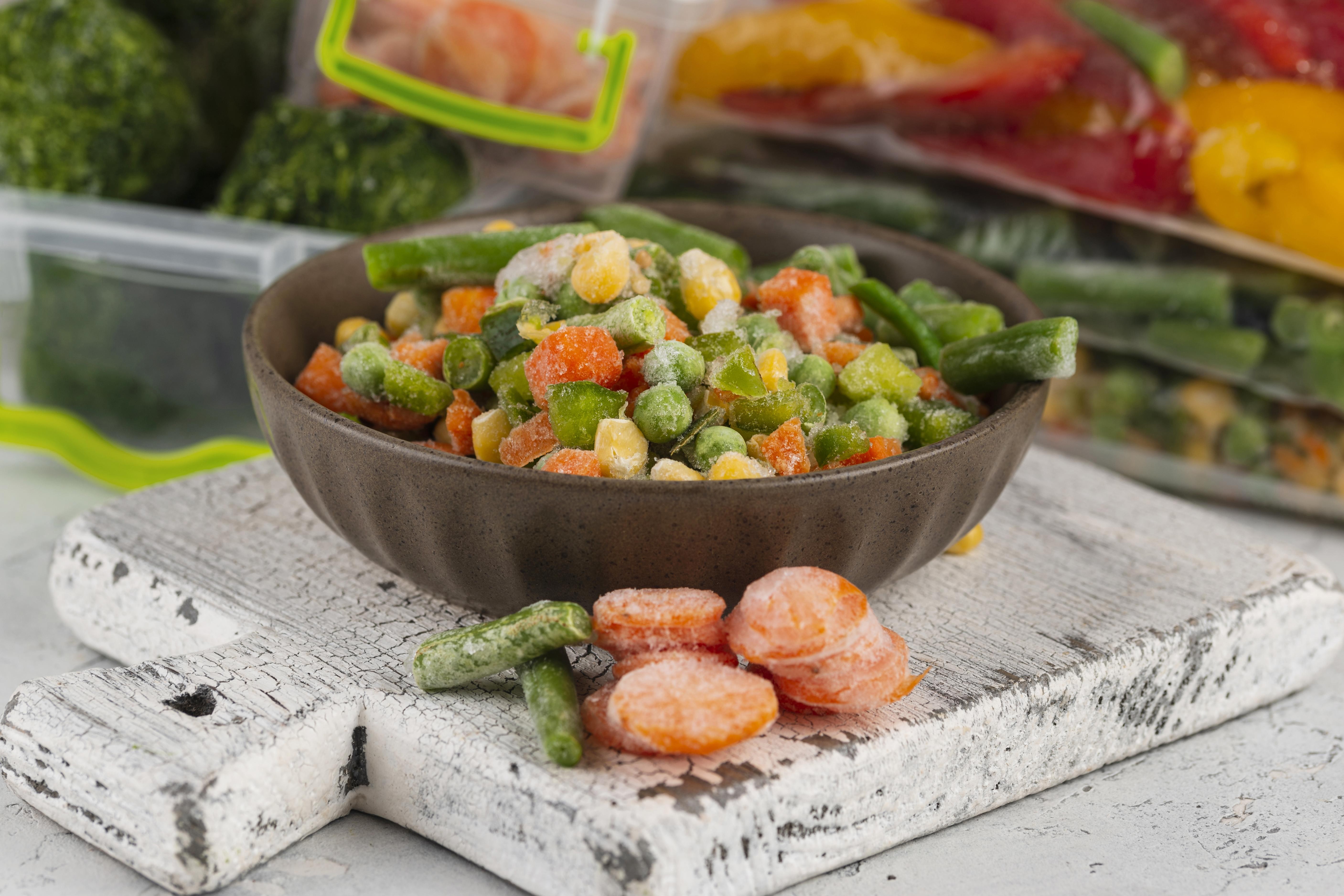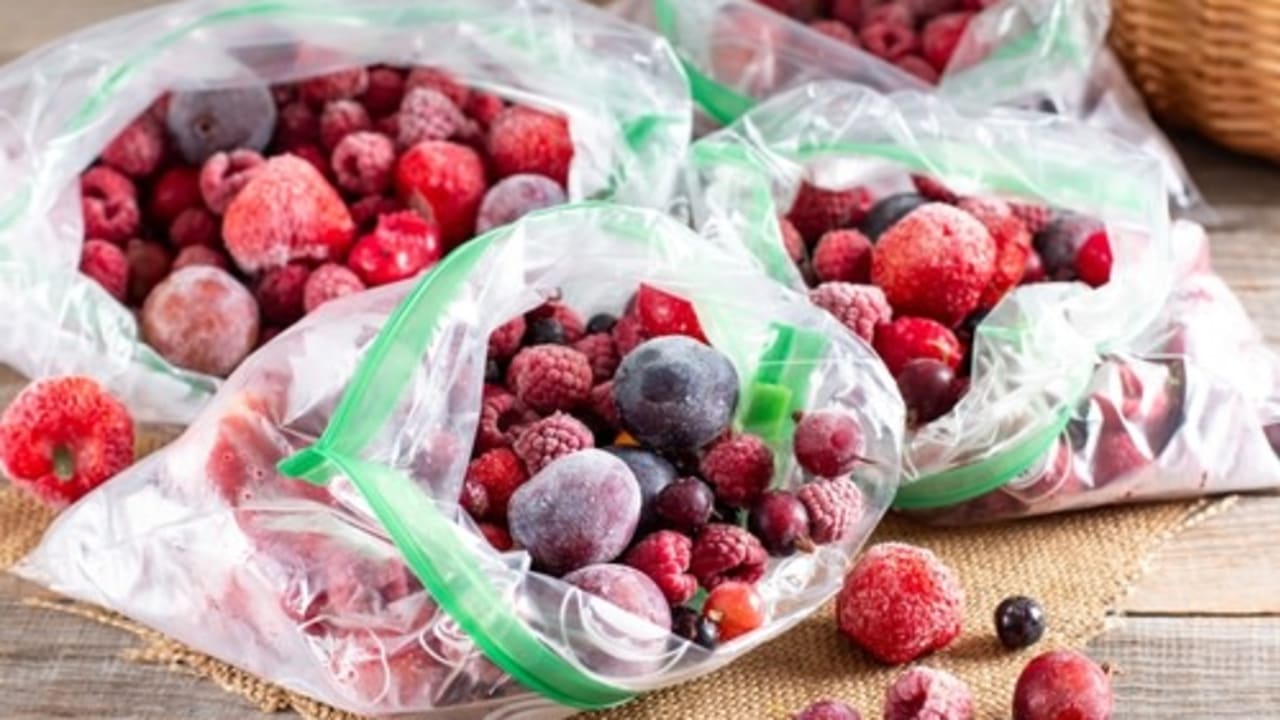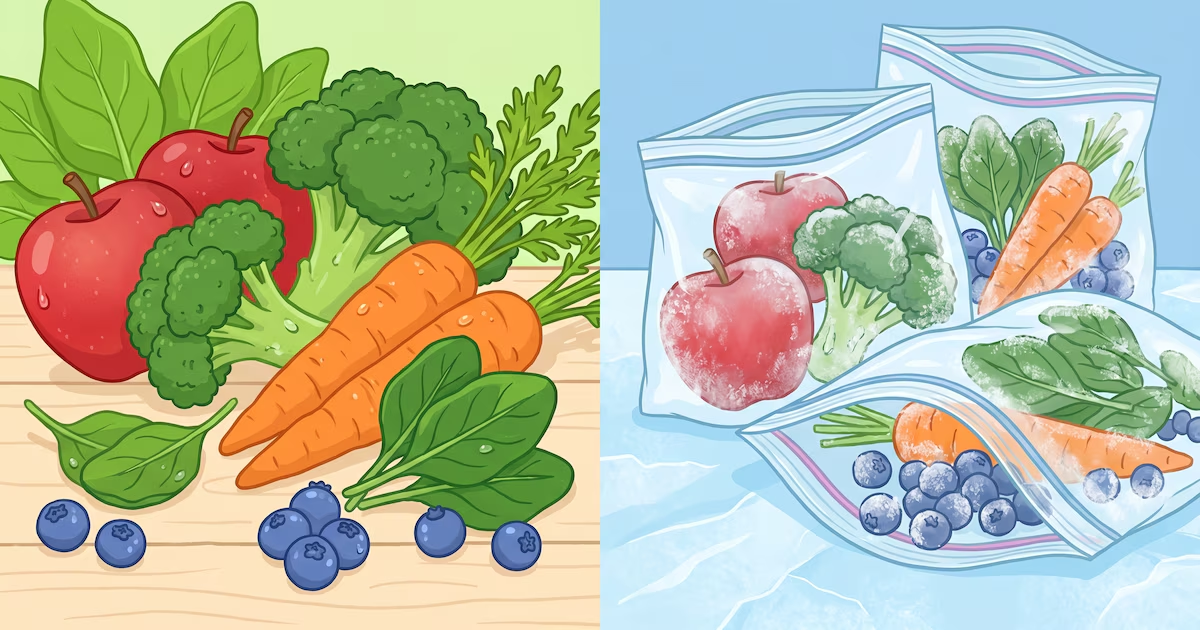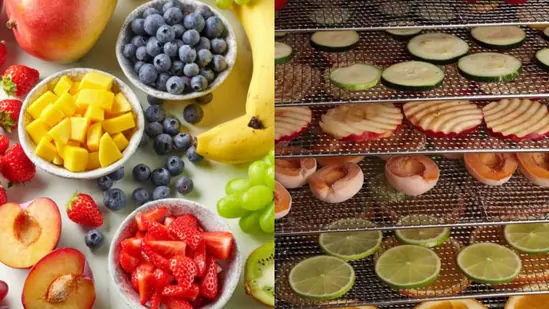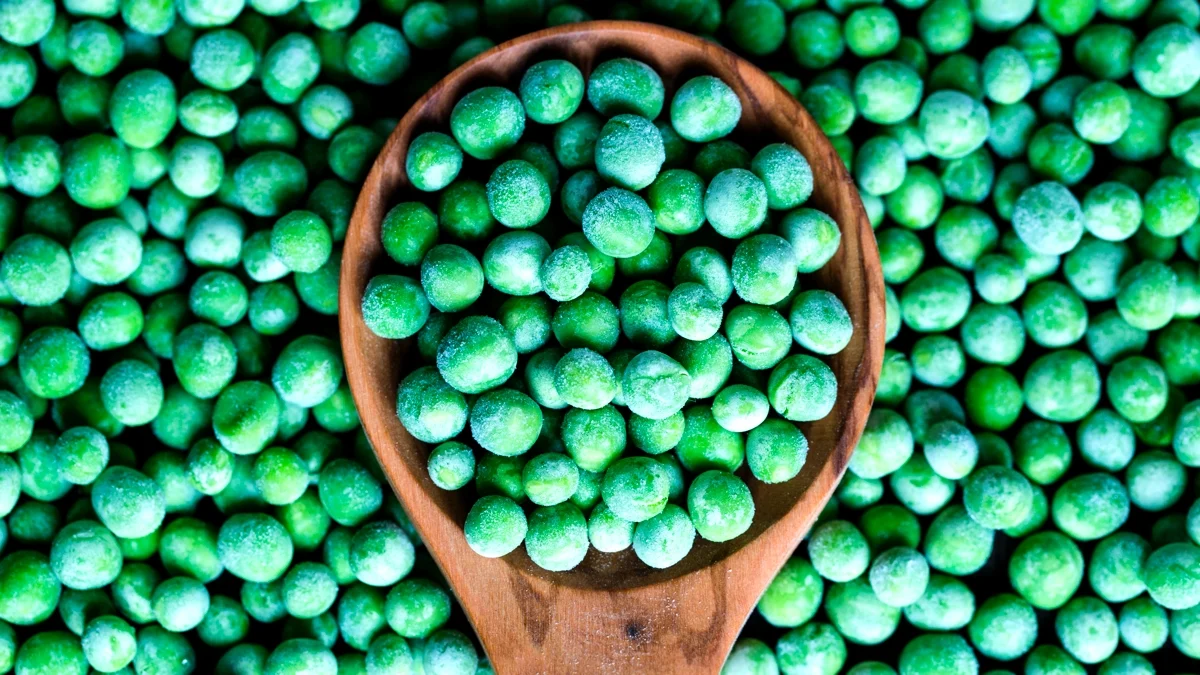
You probably know fruit and vegetables are good for you, and most of us don't eat enough of them.But amid a cost-of-living crisis, buying more fresh food may not seem like a budget-friendly option.Enter: canned or frozen fruit and veg.These are usually cheaper and longer-lasting than fresh produce. But are they as healthy? Let's unpack the research.First, how much should we be aiming for?Fruit and vegetables contain important vitamins, minerals and fibre. These support overall wellbeing and reduce the risk of illnesses, such as heart disease and some cancers.The Australian Guide to Healthy Eating recommends adults eat at least two serves of fruit and five serves of vegetables every day. This includes frozen and canned options.Many people think fresh fruit and vegetables are better, but that's not always the case. (courtneyk/Canva)For example, ½ a cup of frozen broccoli or ½ a cup of canned beans equals one serve of vegetables. One cup of canned peaches or one cup of diced, frozen mango equals one serve of fruit.Cheap, quick… and low waste?Most canned and frozen fruits and vegetables are cheaper than fresh produce.As they generally come pre-chopped and ready to cook, they also cut down on preparation time.Produce that is canned or frozen also has a much longer shelf life than fresh options. This means they are available year-round, and are less likely to spoil and have to be thrown out.What about nutrition?Frozen and canned fruit or veg generally retains its original nutritional value – sometimes better than fresh produce.For example, the nutritional value of most frozen and canned products is equivalent to fresh fruit and vegetables that have been in the fridge for a week.But the process of preserving certain foods may actually increase their nutrient content. Apricots are one example, with frozen apricots having a much higher vitamin C content than fresh apricots. This is because vitamin C is used to help preserve the fruit.
Are Frozen or Canned Fruit & Veg as Healthy as Fresh? An Expert Explains.
You probably know fruit and vegetables are good for you, and most of us don't eat enough of them.
881 words~4 min read