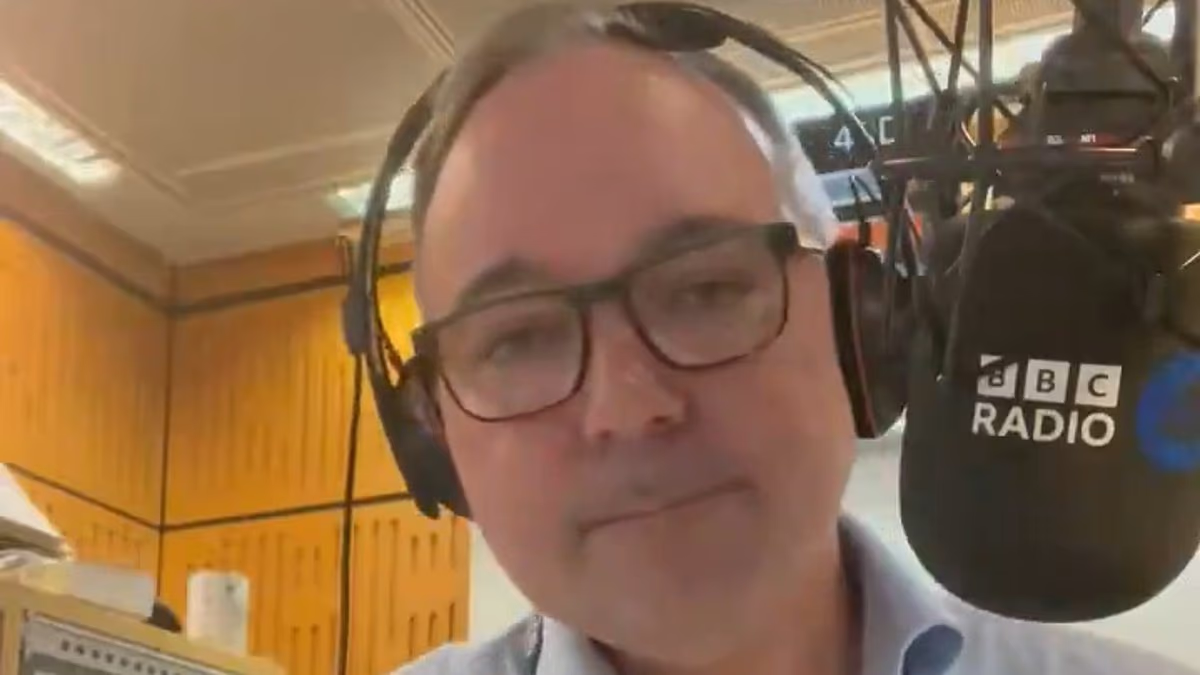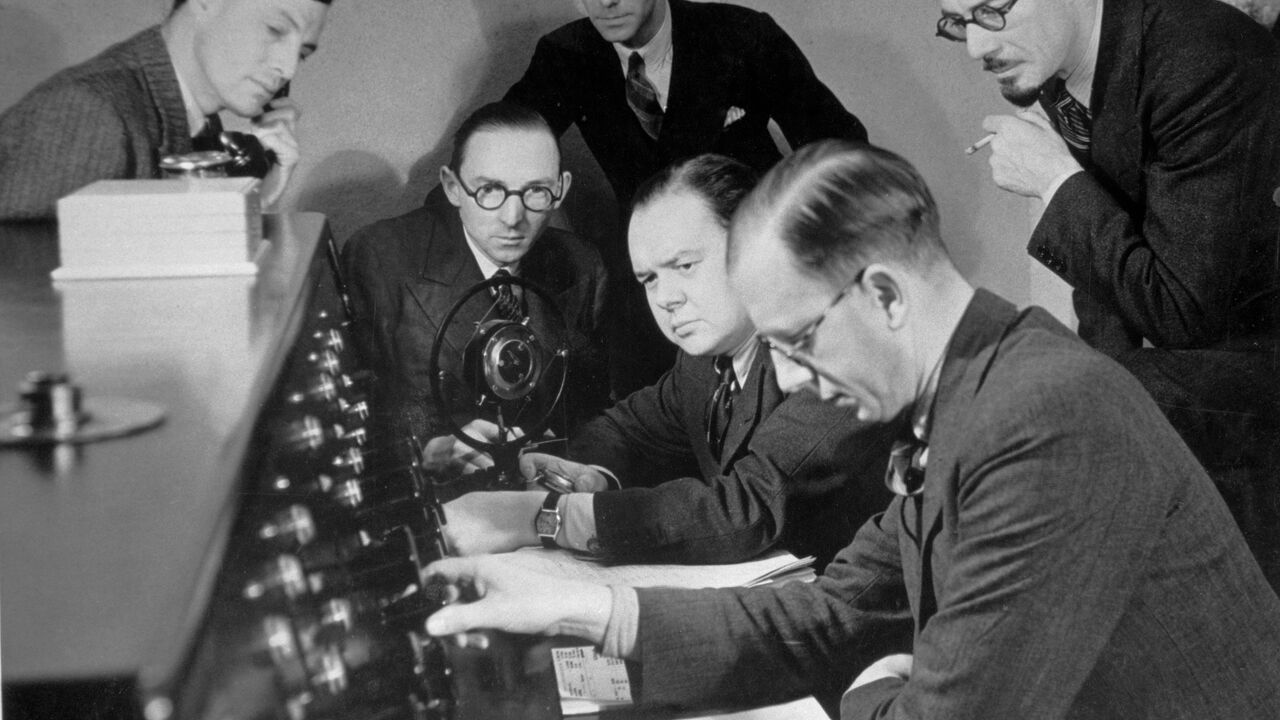
BBC Radio 4 was the last long wave radio station in the UK and the service was permanently switched off at 1am on Saturday, marking the end of an era for the beloved station15:54, 27 Jun 2026Updated 15:54, 27 Jun 2026After decades on the airwaves, the BBC has officially switched off its long wave radio service, bringing nearly a century of broadcasting to a close.The final long wave transmission from BBC Radio 4 was broadcast at 1am on Saturday, ending the UK's last remaining long wave radio service.Long wave broadcasting has formed part of Britain's radio network since 1934 and played a significant role during the Second World War by carrying vital communications. Radio 4 adopted the frequency in 1978 and has continued broadcasting on it for almost five decades.Hosts Ben Thompson and Luxmy Gopal teamed up on Saturday, June 27 to present the day's headlines, sport and features and among them was an item on a piece of broadcasting history, which led to an appeal to viewers.A video report on the Long Wave service featured a clip from the final Shipping Forecast on Radio 4 Long Wave just hours earlier when the presenter told listeners: "I just wanted to take a moment to mark the end of an era."For almost a century, the Long Wave transmitters have carried the BBC across the airwaves. Although the Long Wave signal is fading into history this morning, the memories and connection it created will endure forever."As the video clip ended, Luxmy said: "Yeah, end of an era." As Ben chipped in with an appeal to viewers: "It really is. Send us your thoughts if you remember particularly listening to longwave radio, as we said particularly because it carries such long distances."Plans to retire the ageing technology were first outlined by the BBC in 2022. Two years later, the broadcaster removed Radio 4's dedicated long wave schedule as part of the transition towards permanently ending the service.According to the BBC, maintaining the long wave network is no longer sustainable because the technology has reached the end of its operational lifespan. The corporation said replacing and maintaining the equipment would require substantial investment despite only a relatively small audience still relying on the platform.Instead, the broadcaster says it is prioritising services that better reflect modern listening habits, with audiences increasingly tuning in via FM, DAB and digital platforms.The BBC also stressed that it has been working with organisations supporting vulnerable listeners to help ensure those affected by the closure have sufficient guidance and alternative ways to access programmes.Popular Radio 4 staples, including The Archers and Desert Island Discs , will remain available across FM, DAB, television and online services, with the BBC confirming that no programmes have been axed because of the change.Despite the move, the decision has attracted criticism from campaigners, who argued long wave remains an essential backup communications network, particularly for people living in isolated rural areas and those working at sea, including fishermen and mariners.The long wave transmission system itself is owned and managed by Arqiva. It masts stand 700ft (213m) high in the Worcestershire countryside and have been in use since 1934 for sending the signal across the country, as well as for transmitting important messages during World War Two.The Wychbold Masts can be seen for miles and are often used as a landmark for drivers on the M5 near Droitwich. Local history experts and the Twentieth Century Society have called for them to become listed, due to their "historical importance".Droitwich was picked as a central location for the station and masts so Long Wave could reach everywhere in the UK.Article continues belowLike this story? For more of the latest showbiz news and gossip, follow Mirror Celebs on TikTok , Snapchat , Instagram , Twitter , Facebook , YouTube and Threads .
BBC makes major change to radio broadcasts after almost a century
BBC Radio 4 was the last long wave radio station in the UK and the service was permanently switched off at 1am on Saturday, marking the end of an era for the beloved station
633 words~3 min read