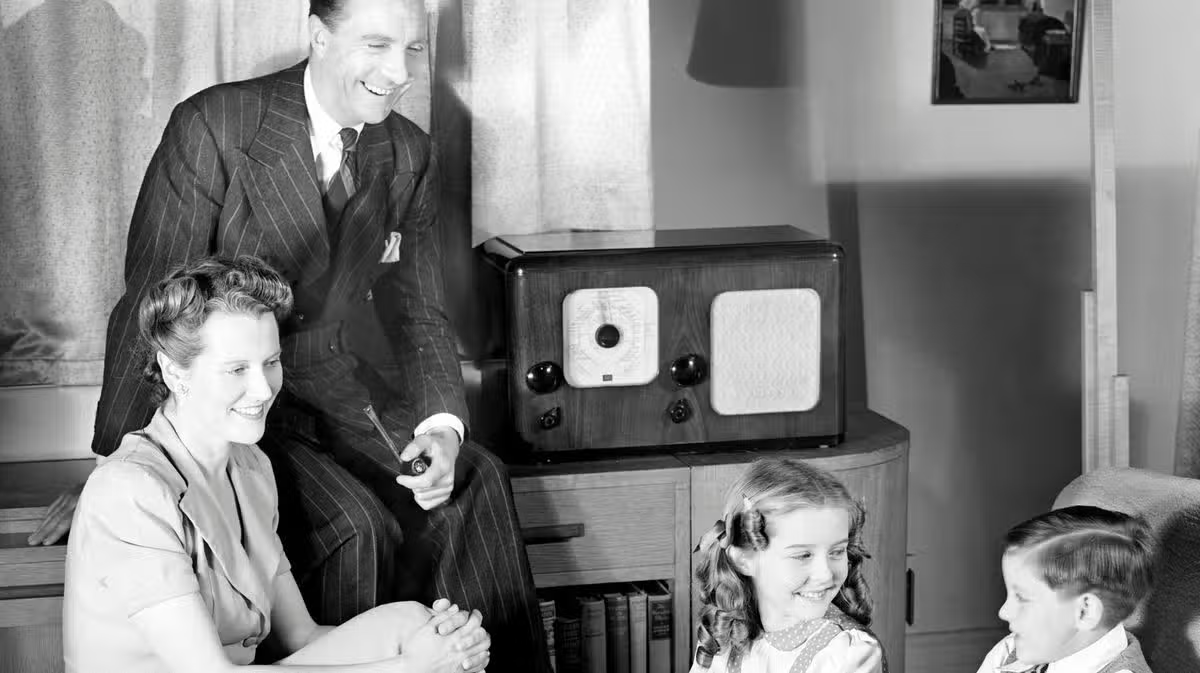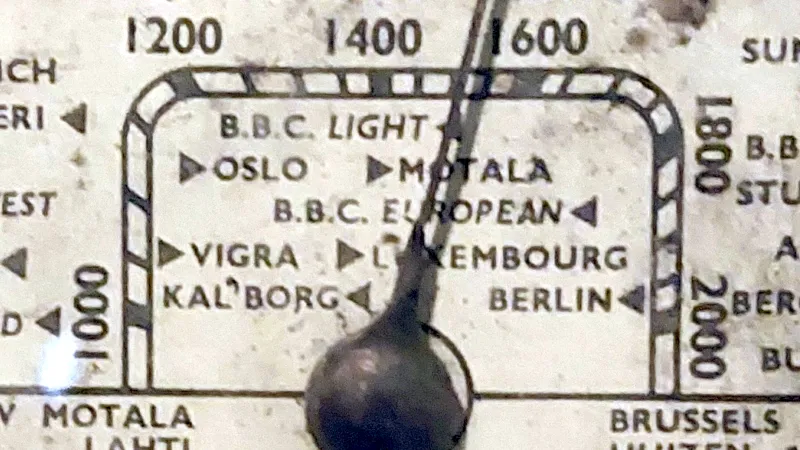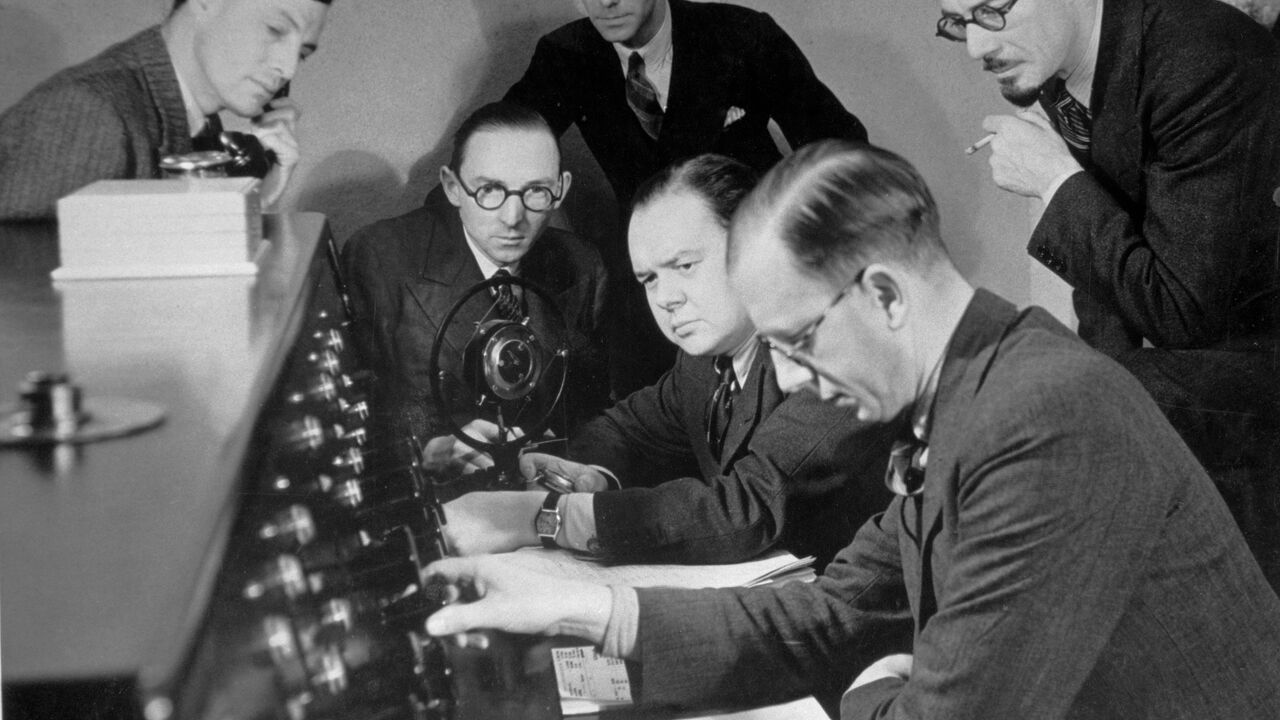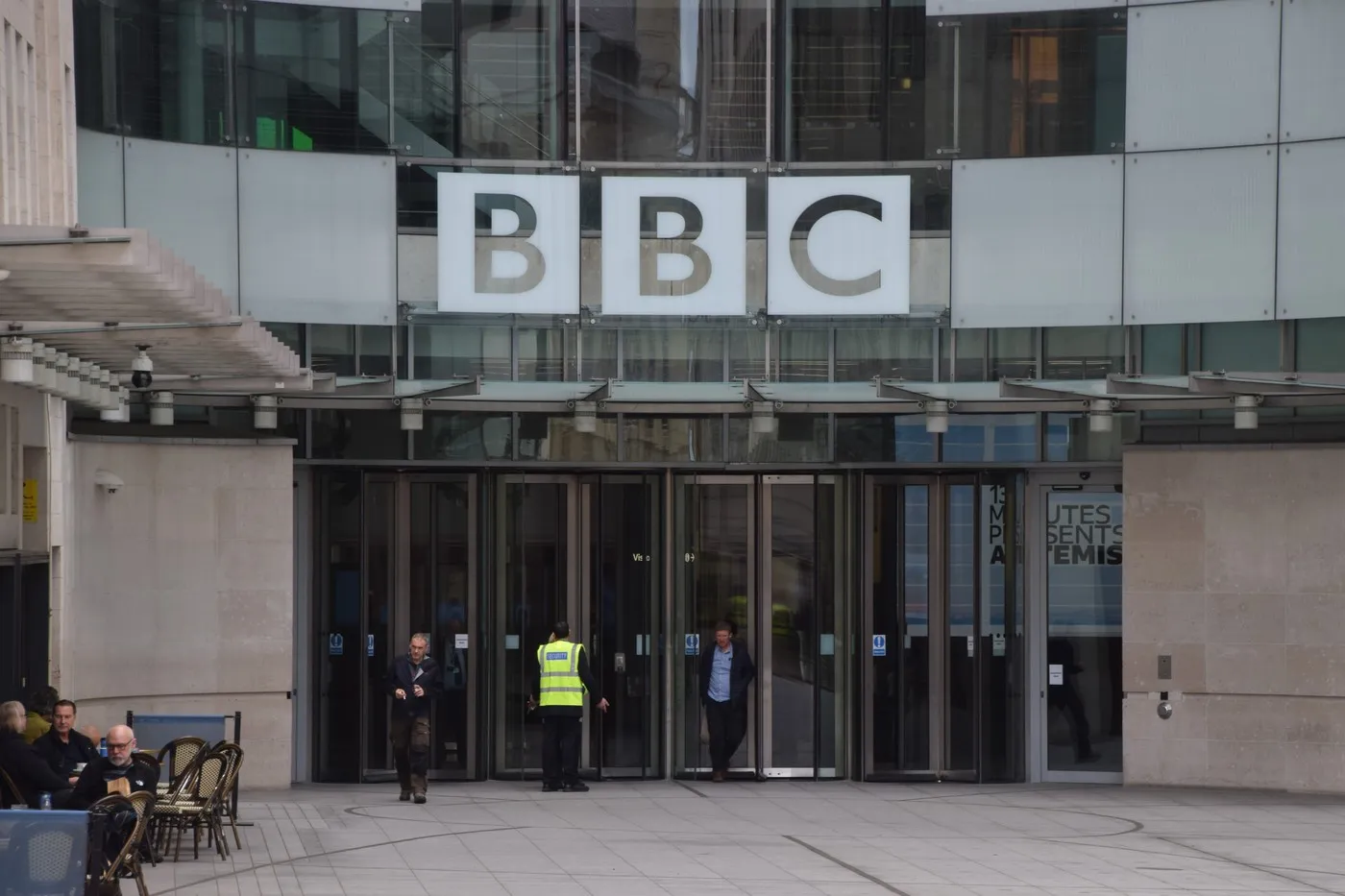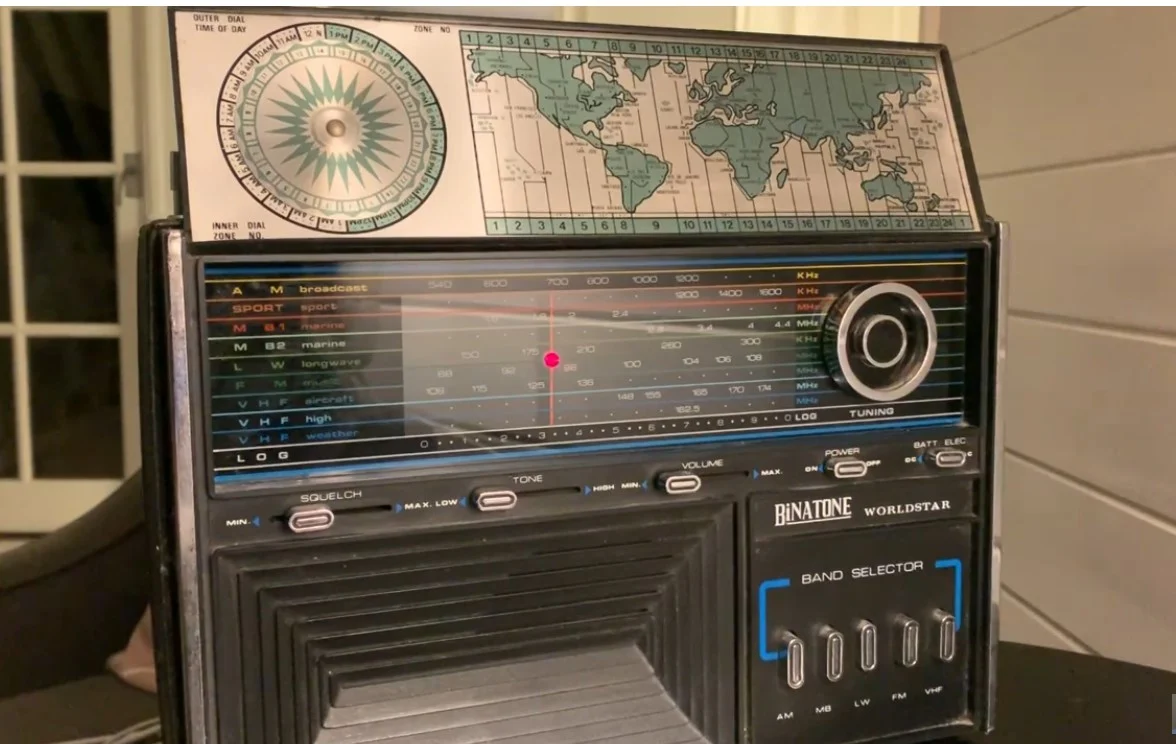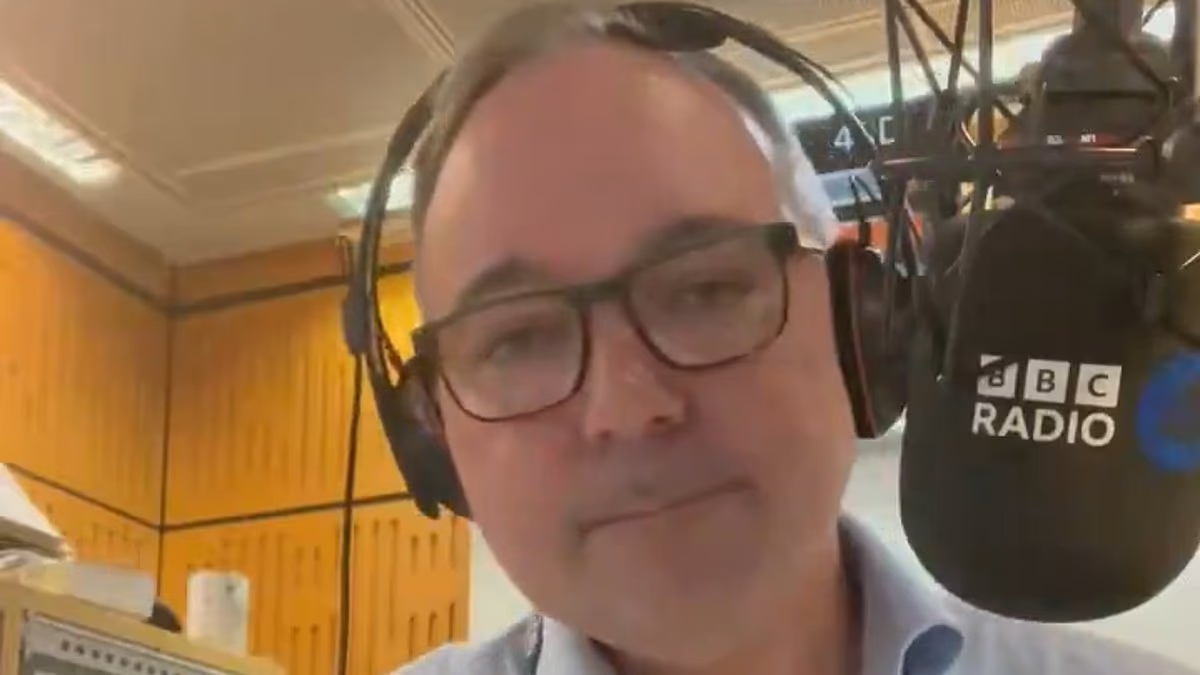
It brought radio to the entire country, played a crucial part in the war and helped the Shipping Forecast to become a national icon but now BBC Radio's Long Wave is no more.The groundbreaking broadcasting service which brought joy to millions for over 90 years not least for its Test Match cricket coverage was finally switched off at 1am this morning despite a campaign to save it.The axe had been hovering over 198 LW since the BBC announced it would be shutting down the service in 2022 and ended separate scheduling in 2024 but it was only weeks ago that it confirmed it would finally end today, several months' earlier than expected.The Long Wave transmitting stations - Droitwich in Worcestershire and its Scottish sister stations Westerglen near Stirling and Burghead overlooking the Moray Firth - will all close today.The first BBC long wave transmissions were made in 1925 from Daventry, three years after the first ever BBC radio broadcasts were made.But it was not until 1934 when a state of the art broadcasting station was set up at Droitwich, picked because of its central location near Birmingham, that radio finally went national on a day which made radio history - 6 September, 1934.The new station, powered by 150 kilowatts, the maximum allowed under international regulations, signalled an end to patchy and inconsistent radio coverage and its strong signal could even reach into Europe. BBC Radio's Long Wave was switched off at 1am this morning despite a campaign to save it Late night presenter Al Ryan read the shipping forecast and bid farewell to the service before playing the National Anthem and flicking a switch to shut it downWhile the BBC said this week that 'long wave was not classified as Critical National Infrastructure' and was only used by 'a very small proportion of listeners', it has played a vital role in the nation's history.During the Second World War, long wave's huge transmitters helped to jam transmissions and radar facilities from the Luftwaffe. And because of the long distance coverage the technology enabled, they also helped to transmit coded messages to the French Resistance and played a key part in coordinating D-Day.After the war, it was refurbished and updated to carry the new BBC radio networks 1, 2, 3 and 4.Blaming the cost of replacing the ageing equipment which was revolutionary in its day, the BBC distanced itself from the shutdown decision by saying the long wave infrastructure was now owned by a third party and was 'coming to the end of its life as a technology'.But the Keep Longwave campaign launched in 2023 which says the service was a 'national treasure' which 'reliably provided the Shipping Forecast, Daily Service and Test Match Special to multiple generations over the decades' disagreed.It has called for the service to be reinstated, calling it an 'essential and historic radio lifeline', and claims the cost of providing the service is 'tiny' and the way the signal 'uniquely travels practically unimpeded across the country' provided 'a vital radio link' for areas with poor signals and internet coverage.But after nearly a century of broadcasting history and despite the campaign to save it, BBC long wave broadcasts ended in seconds with late night presenter Al Ryan reading the shipping forecast and bidding farewell to the service before playing the National Anthem and flicking a switch to shut it down.It was in stark contrast to the long wave's first broadcast when the first thing the country heard was a triumphant musical piece by composer Eric Coates, famed for the Dambusters theme, called The Merry Makers.Mr Ryan told listeners with an air of finality: 'Before I leave you tonight, I just want to take a moment to mark the end of an era.'For almost a century the longwave transmitters have carried the BBC across the airwaves from the iconic Droitwich transmitting station in Worcestershire to Westerglen and Burghead in Scotland and although the longwave signal is fading into history this morning the memories and connection it created will endure forever.'We shall miss your warmth and crackle.'The Radio Society of Great Britain said the service had played 'a massive historic role in British society' leaving an 'indelible mark on British life and culture, acting both as an essential lifeline and enduring cultural touchstone'.Calls have now been made to list the 700ft high Wychbold Mast transmitters in Worcestershire which are owned by broadcast infrastructure company Arqiva.When they were erected at a cost of £200,000 - around £20 million today — the team of riggers including an expert fresh from helping to build Sydney Harbour Bridge - even went on strike briefly demanding danger money because of the scale of the project.Sadly, demolition of the station itself was allowed in 2025 when Historic England decided it did not meet the criteria for listing.The Twentieth Century Society has called for the masts themselves to be specifically considered 'on account of their historic importance and architectural, engineering and technological interest'.Meanwhile the Shipping Forecast will still be broadcast on BBC Radio 4 via FM, DAB, and the BBC Sounds app but for many it will never match the tradition of its long wave heyday.
BBC Radio switches off Long Wave after more than 90 years of forecast
The groundbreaking broadcasting service which brought joy to millions for over 90 years not least for its Test Match cricket coverage was finally switched off at 1am this morning.
858 words~4 min read