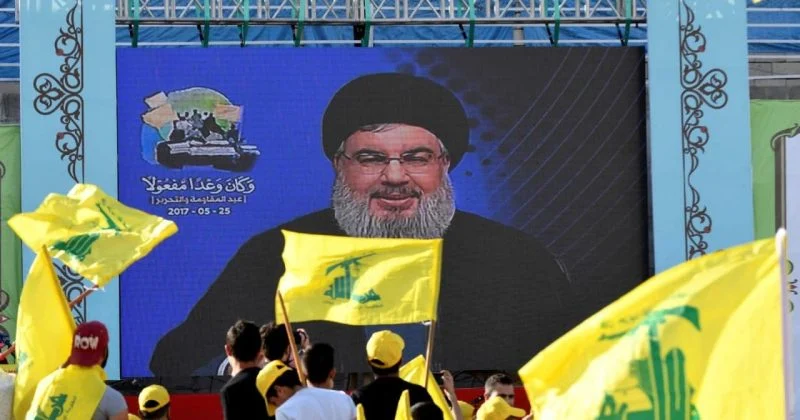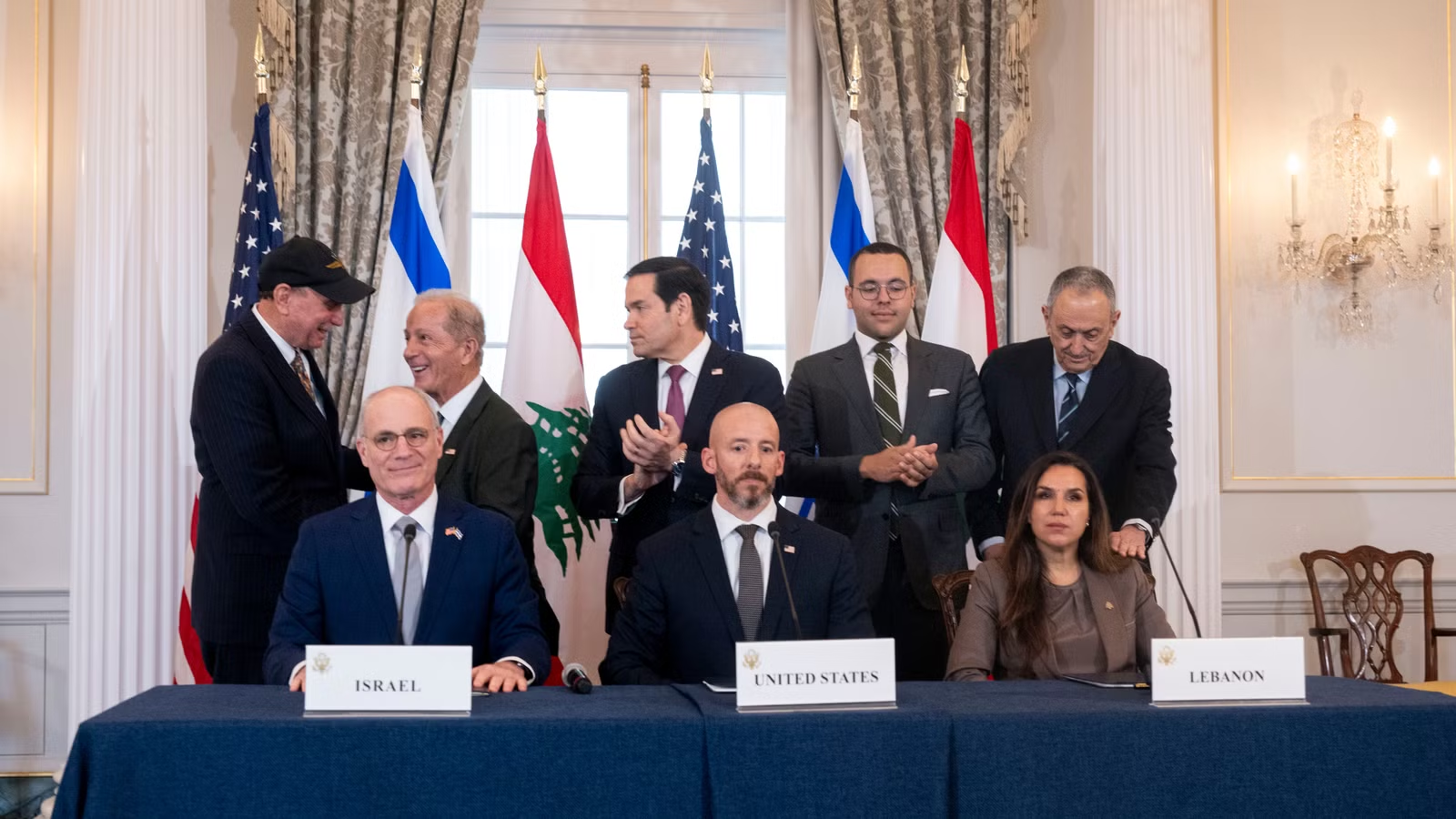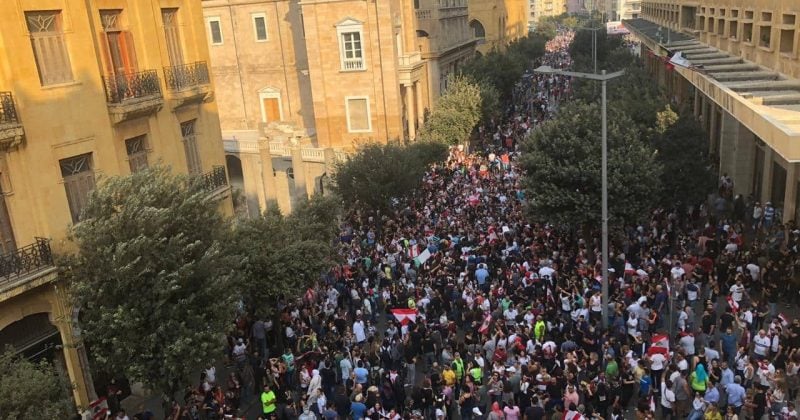
Lebanese protesters have taken to the streets of Beirut in a show of opposition against the recently signed Israel-Lebanon agreement facilitated in Washington. The protests highlight significant domestic discontent with the framework agreement, which aims to establish “pilot zones” where the Lebanese Armed Forces would replace Israeli troops, disarming Hezbollah in the process. The deal, part of ongoing efforts to address the 2026 Israel-Lebanon conflict, has been met with resistance owing to Hezbollah’s exclusion from negotiations, igniting tensions within Lebanon. The fragile ceasefire, in place since April, remains vulnerable as both sides have previously violated its terms.
Key Takeaways
The protests in Beirut suggest substantial domestic opposition to the Israel-Lebanon framework agreement, which may complicate the path to a permanent peace deal with Hezbollah.
Market pricing indicates that the likelihood of an imminent Israel-Hezbollah permanent peace deal by June 30, 2026, has decreased, with odds slipping from 4% to 1.8% in recent days.
The Israel-Lebanon diplomatic meeting market also reflects decreased confidence, with YES odds dropping from 40% to 5.8% for a meeting by July 17, 2026, suggesting potential diplomatic setbacks.