Published Jul 1, 2026, 5:01 AM EDT
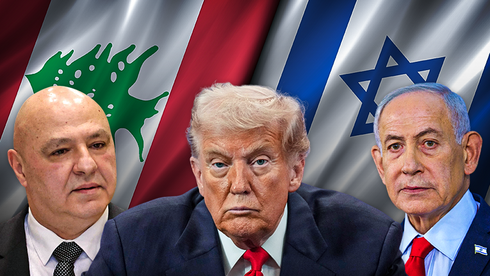
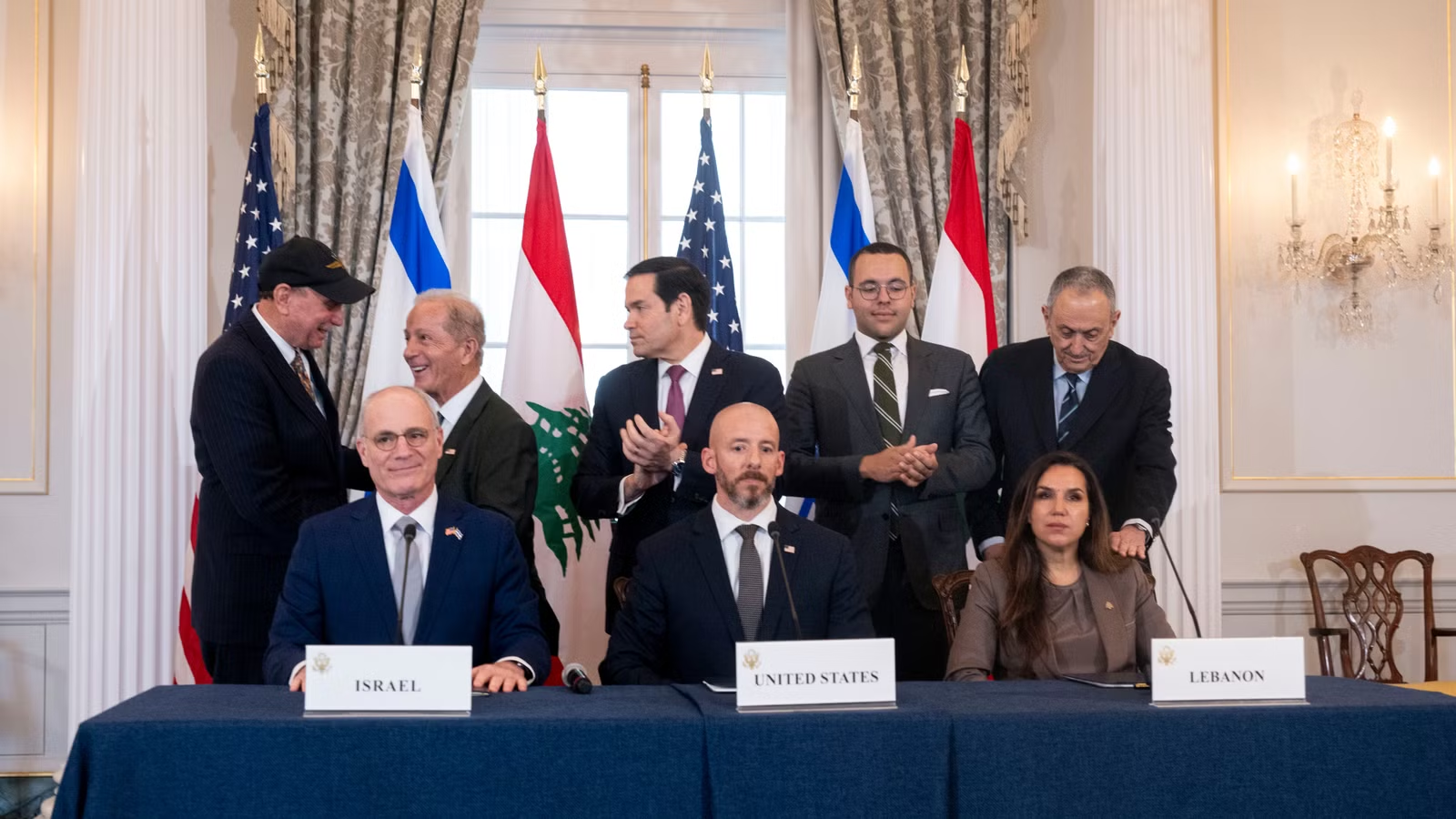
A US-brokered Israel-Lebanon deal seeks peace but leaves key questions over occupation, displacement, Hezbollah, and the laws of war unresolved.
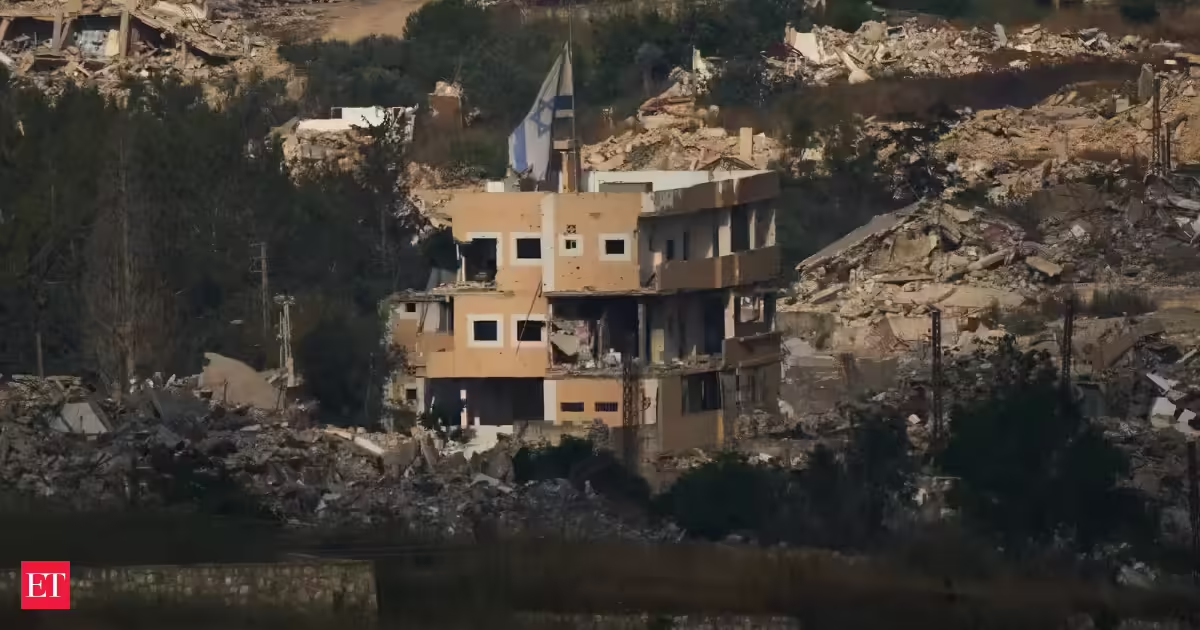
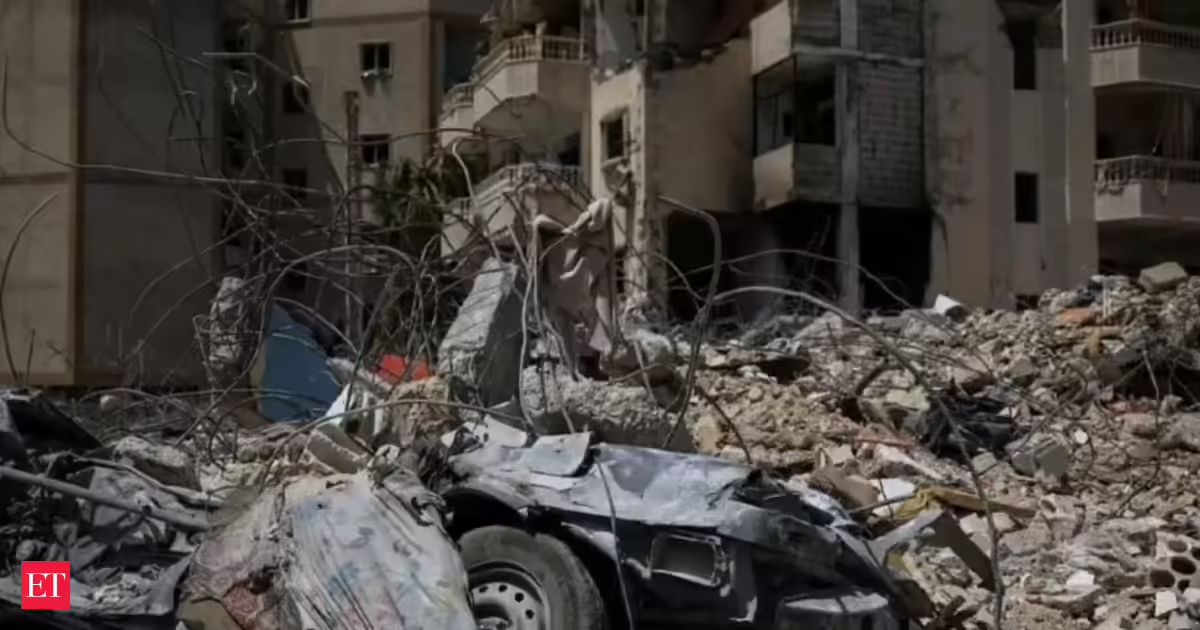
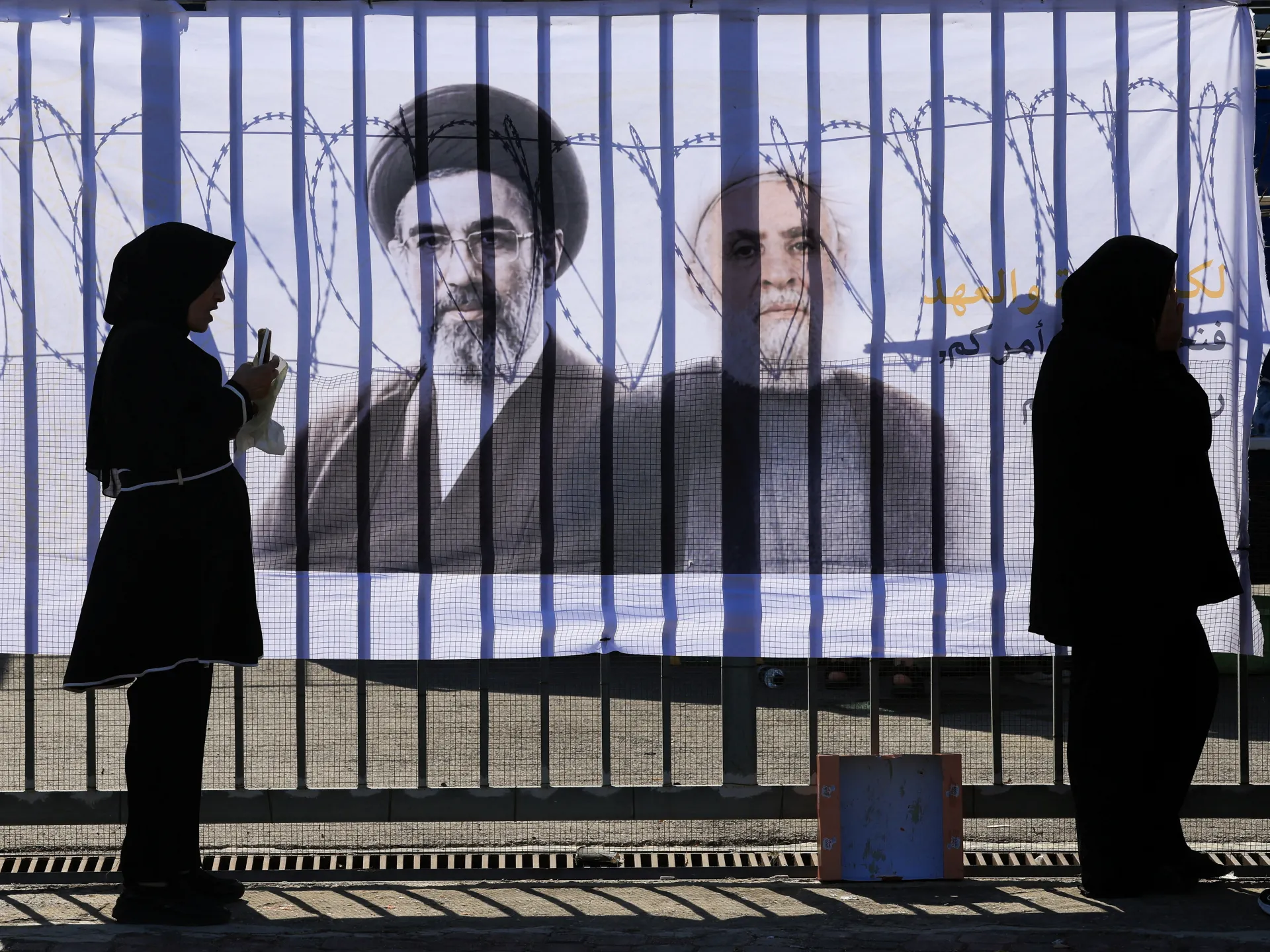
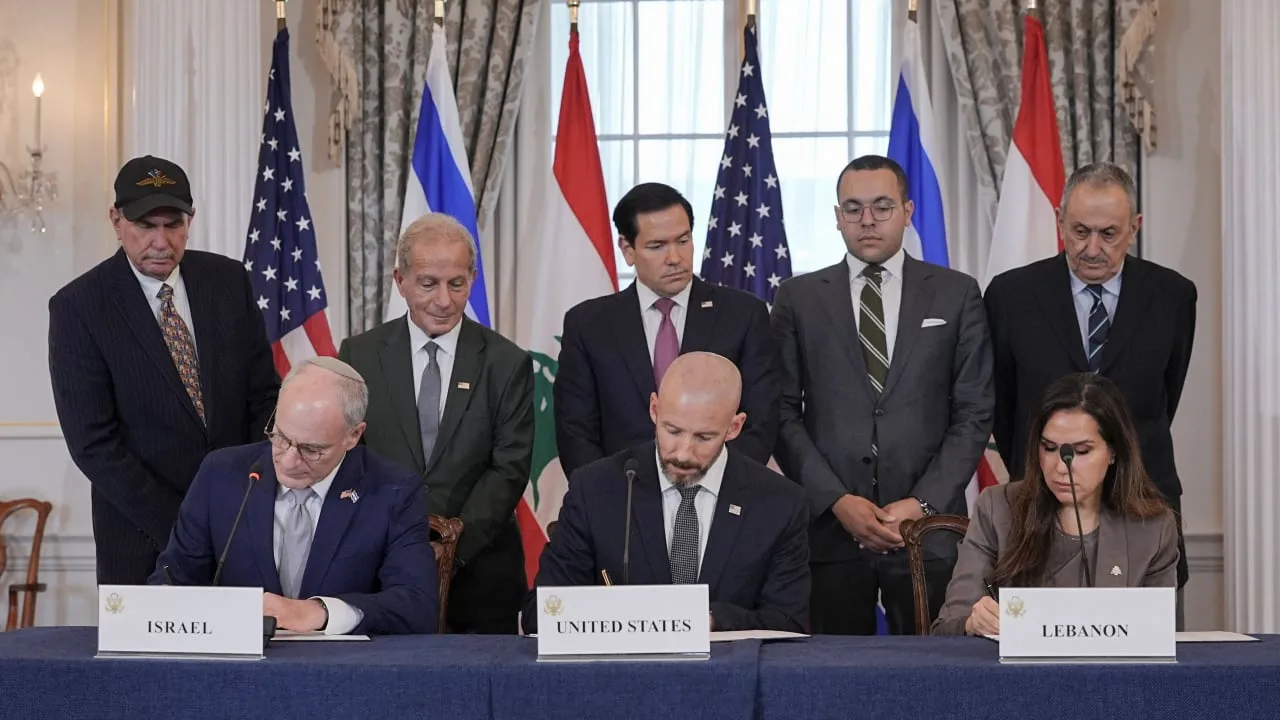
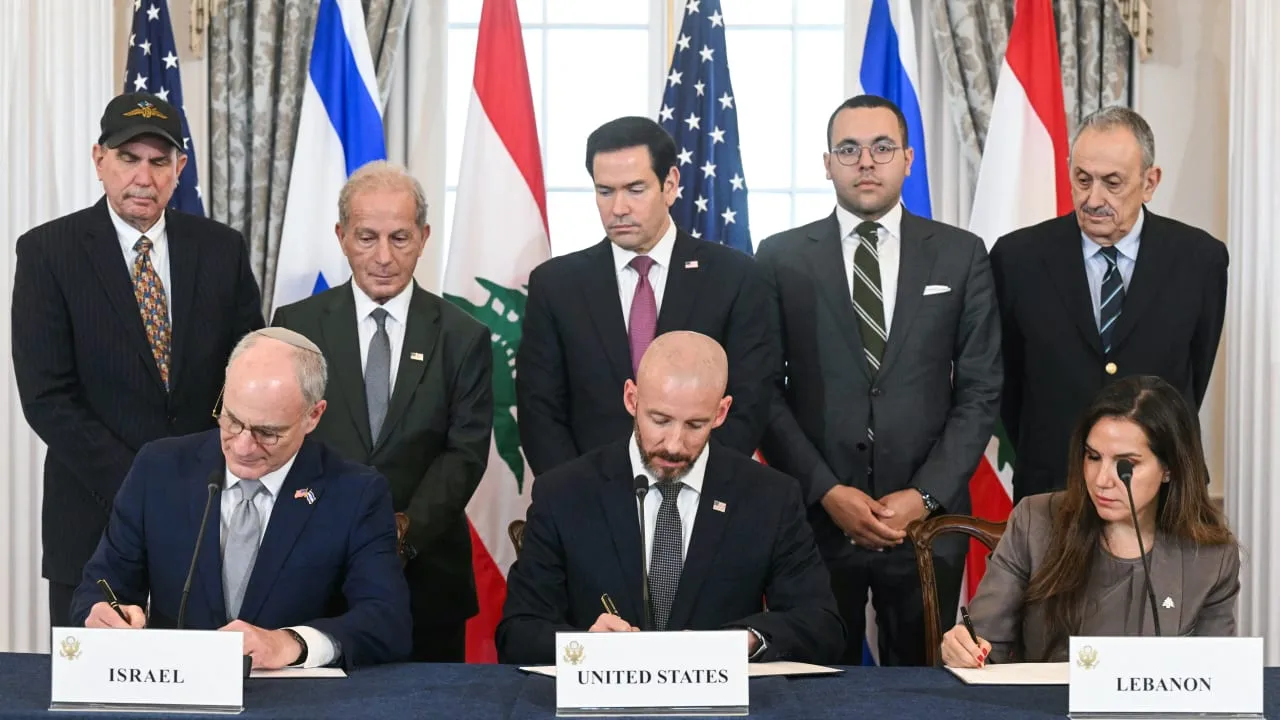
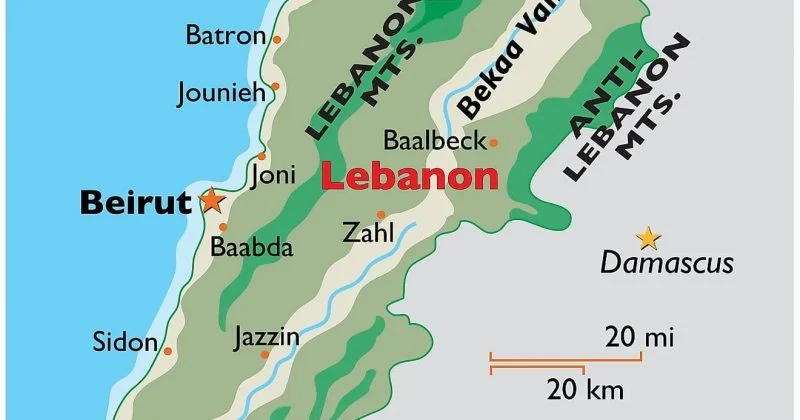
A U.S.-brokered agreement between Israel and Lebanon is being presented as a step toward ending months of war. It may also leave the hardest facts unresolved: Israeli forces remain on Lebanese territory, many in Lebanon have been killed or displaced, and Lebanon is being asked to disarm Hezbollah before Israel fully withdraws. The current conflict began on March 2, when Hezbollah launched rockets and drones into northern Israel after U.S. and Israeli strikes in Iran killed Iranian Supreme Leader Ayatollah Ali Khamenei. Hezbollah said the attack was retaliation for the strikes on Iran and for Israel’s continuing military operations inside Lebanon following the 2024 ceasefire. Israel responded with widespread airstrikes across Lebanon before launching a ground offensive that expanded into southern Lebanon. In recent months, Israeli forces have pushed deeper into southern Lebanon, establishing what Israeli officials describe as a security buffer zone while striking Hezbollah positions throughout the country. By June, Israel had made its deepest incursion into Lebanon in more than 25 years. Israeli forces controlled roughly 2,000 square kilometers—nearly one-fifth of Lebanon— prompting accusations from Lebanese officials that Israel intended to maintain a long-term military presence on Lebanese territory. The fighting has taken a heavy toll on civilians. Humanitarian organizations estimate that more than 1 million people have been displaced since the conflict escalated, with more than 4,000 people killed in Lebanon. Many residents of southern Lebanon remain unable to return home because Israeli forces continue to control portions of the region, setting the stage for the framework agreement announced in Washington.