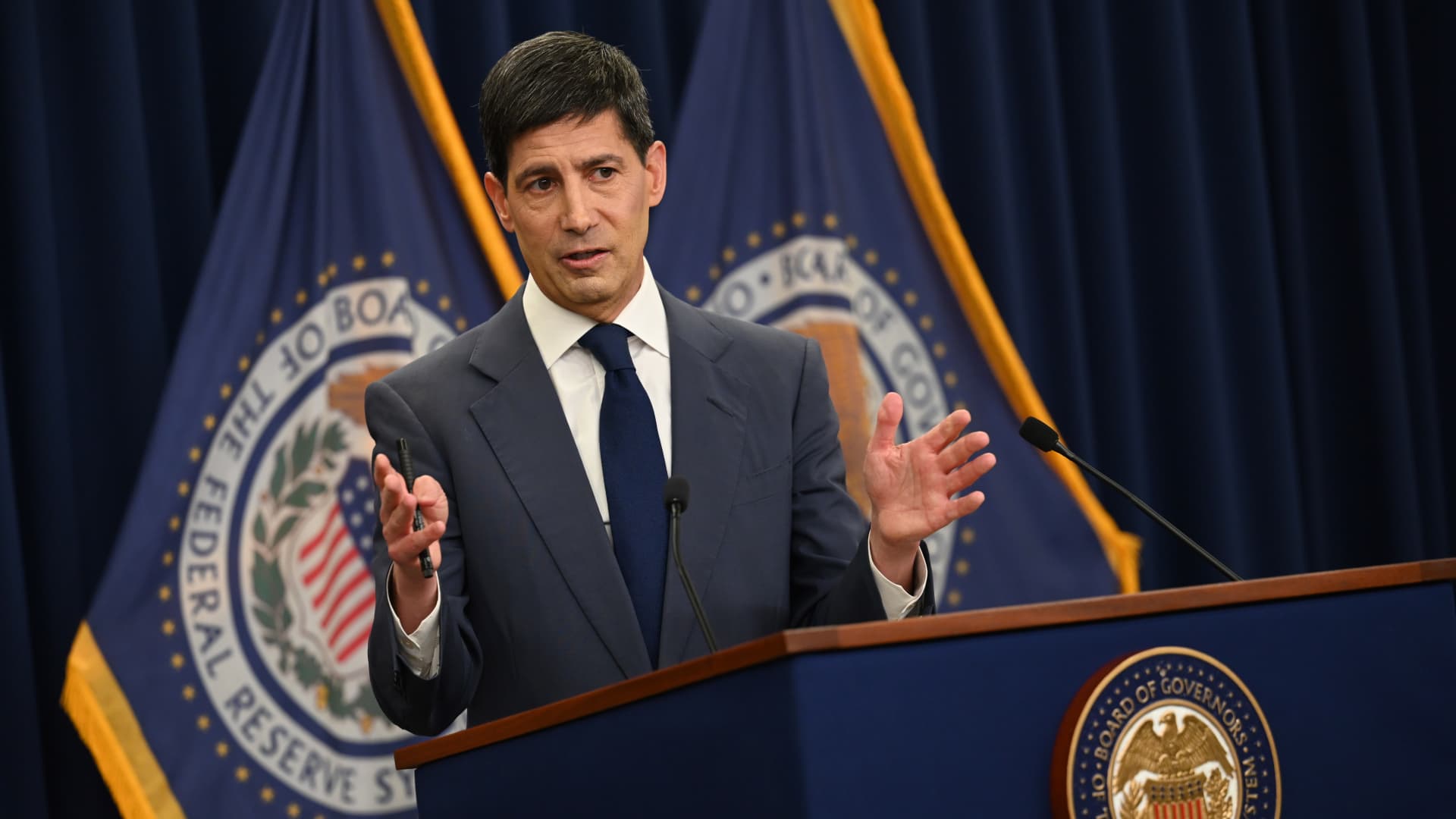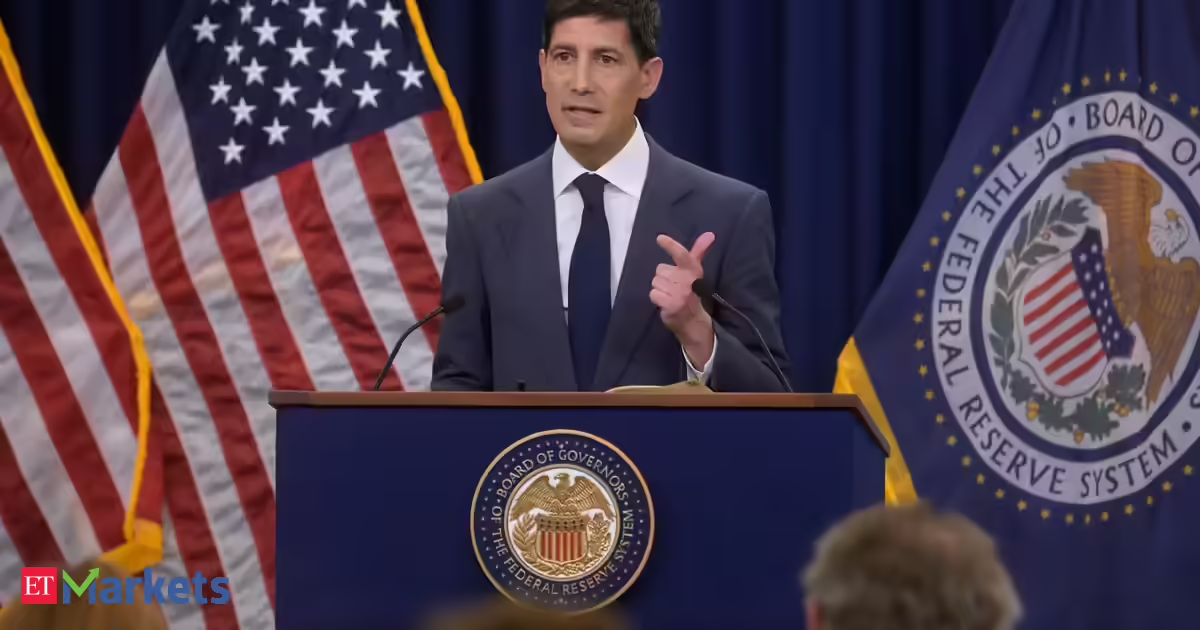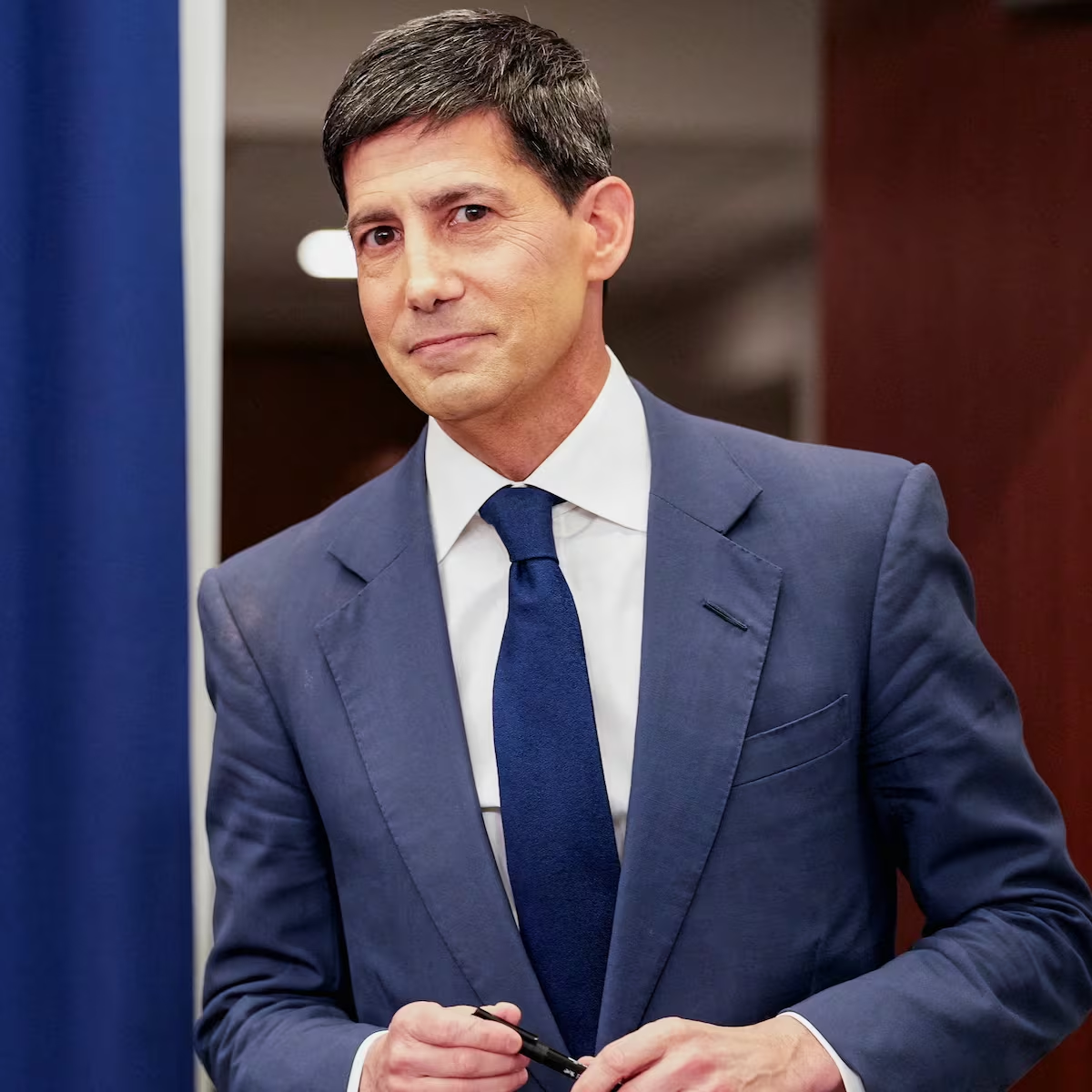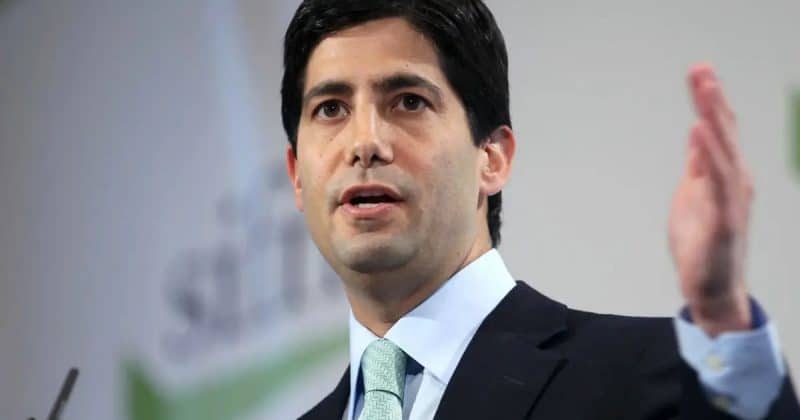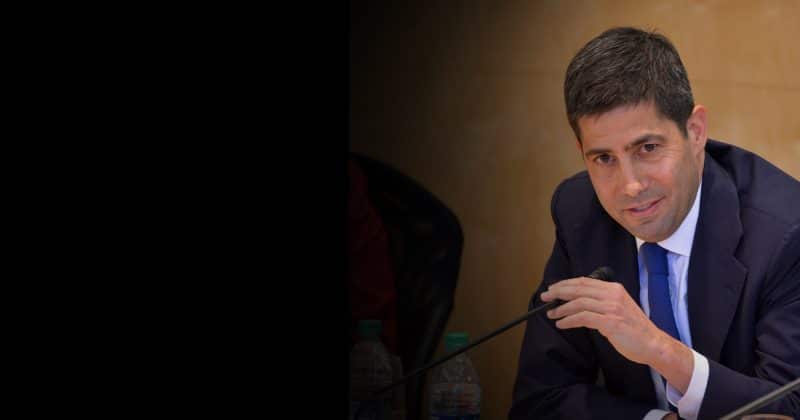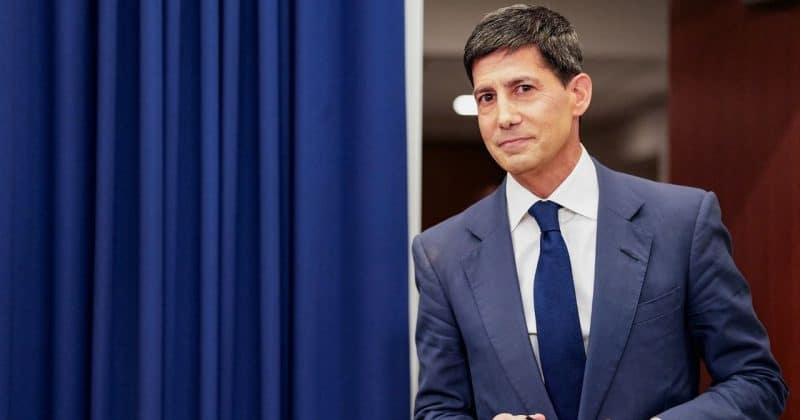
Kevin Warsh is barely two weeks into the most consequential job in global finance, and the to-do list is already absurd.
The new Federal Reserve Chair, who took the helm on June 17, 2026, is heading to the ECB Forum on Central Banking in Sintra, Portugal, from June 29 to July 1. He’ll share the stage with ECB President Christine Lagarde and other central banking heavyweights while juggling inflation that’s hit a three-year high back home, a deeply divided FOMC, and a Supreme Court case that could fundamentally alter how much power the president has over the Fed.
A rate hold and a hard road ahead
At his very first press conference as Chair, Warsh opted to hold the federal funds rate steady at 3.50% to 3.75%. Inflation has surged to levels not seen in three years, driven by energy price shocks and geopolitical tensions. For a Fed chair who previously served as a governor from 2006 to 2011, navigating crisis-era economics isn’t exactly unfamiliar territory. But inheriting someone else’s policy framework while the building is on fire presents a unique kind of challenge.
Warsh succeeded Jerome Powell, whose tenure was defined by pandemic-era rate cuts, the most aggressive tightening cycle in decades, and an eventual easing path that now looks like it may have been premature. The rate corridor Warsh inherited reflects Powell’s final policy posture.