The S&P 500 Equal Weight Index beat its traditional cap-weighted counterpart this week by the widest gap in six years. It’s a signal that the market’s center of gravity is shifting away from the handful of trillion-dollar tech giants that have dominated returns for the better part of a half-decade.
What equal weight actually means and why the gap matters
Here’s the thing about the regular S&P 500: it’s a popularity contest weighted by market cap. Apple, Microsoft, Nvidia, and their mega-cap peers can account for a massive chunk of the index’s moves. When those names rally, the index rallies, even if hundreds of other stocks are flat or down.
The equal-weighted version treats every company the same. Each of the 500 constituents gets assigned roughly 0.2% of the index during quarterly rebalancing. When the equal-weight index outperforms, it means the “average” S&P 500 stock is doing better than the mega-caps. That’s exactly what happened this week, by the largest margin since 2020.
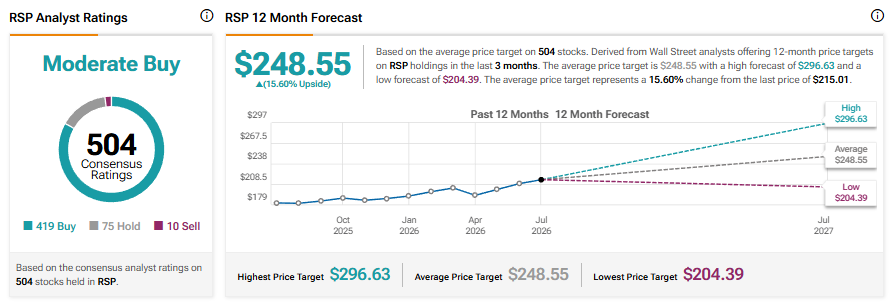
The year-to-date numbers reinforce the trend. The Invesco S&P 500 Equal Weight ETF (RSP) has gained approximately 9.7% in 2026, compared to about 8.4% for the SPDR S&P 500 ETF (SPY). That 1.3 percentage point gap might sound modest, but it represents RSP’s strongest relative start to a year since 1992.