In vitro fertilization has grown in popularity in recent years. There are myriad reasons for this. Heterosexual couples who delay parenthood for career, financial, or lifestyle reasons may use IVF to start a family later in life. Additionally, unpartnered single women or LGBT couples who desire children might use IVF to create a family unit. Regardless of the root causes, the GOP must address this cultural and reproductive surge. When one looks deeper into the issue of IVF, the ethical concerns cannot be ignored. On the surface, IVF appears to be just an alternative path to having children. The party that bills itself as pro-family and generally anti-abortion should be behind that, right? The problem is the human cost required to achieve a successful pregnancy. A regular “side effect” of the IVF process is the freezing, discarding, or loss of multiple embryos. These unique, individual human lives become the currency needed to reach a live birth. The cost is simply too great. IVF is decidedly not an anti-abortion pursuit. Politicians and voters alike who label themselves anti-abortion can only stand on one side of this issue.
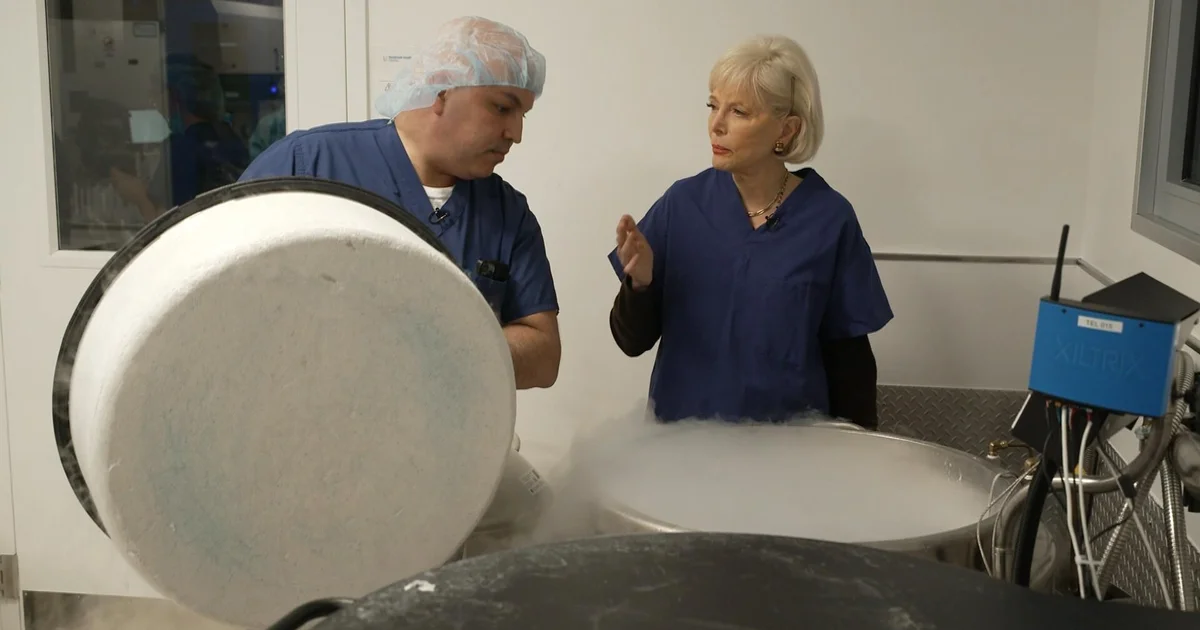
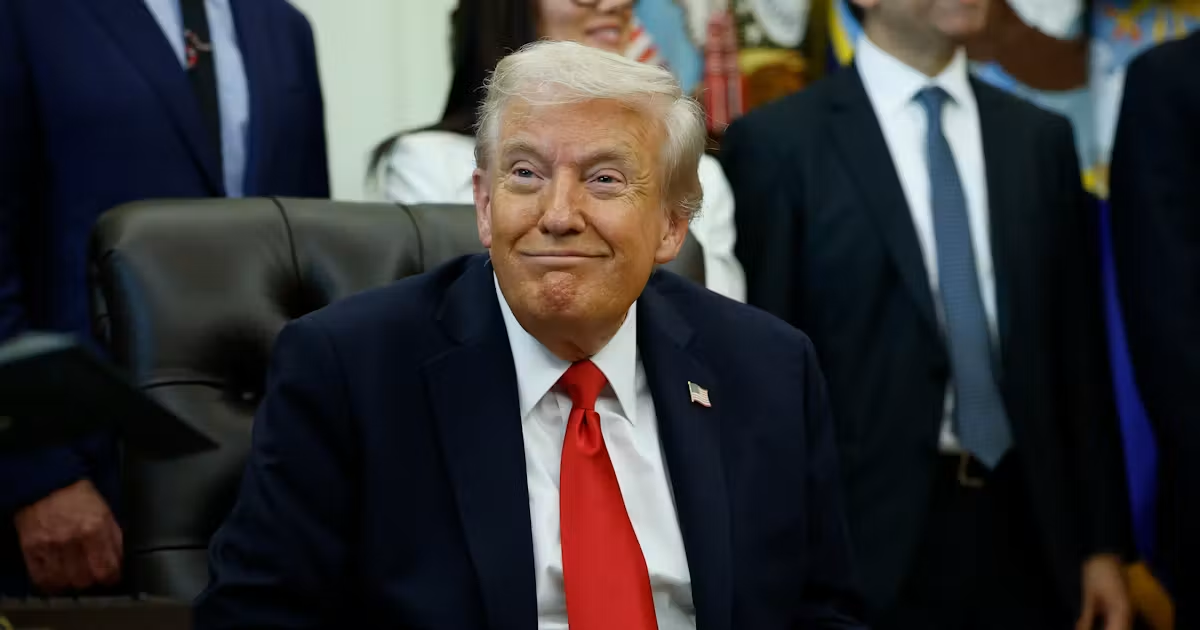
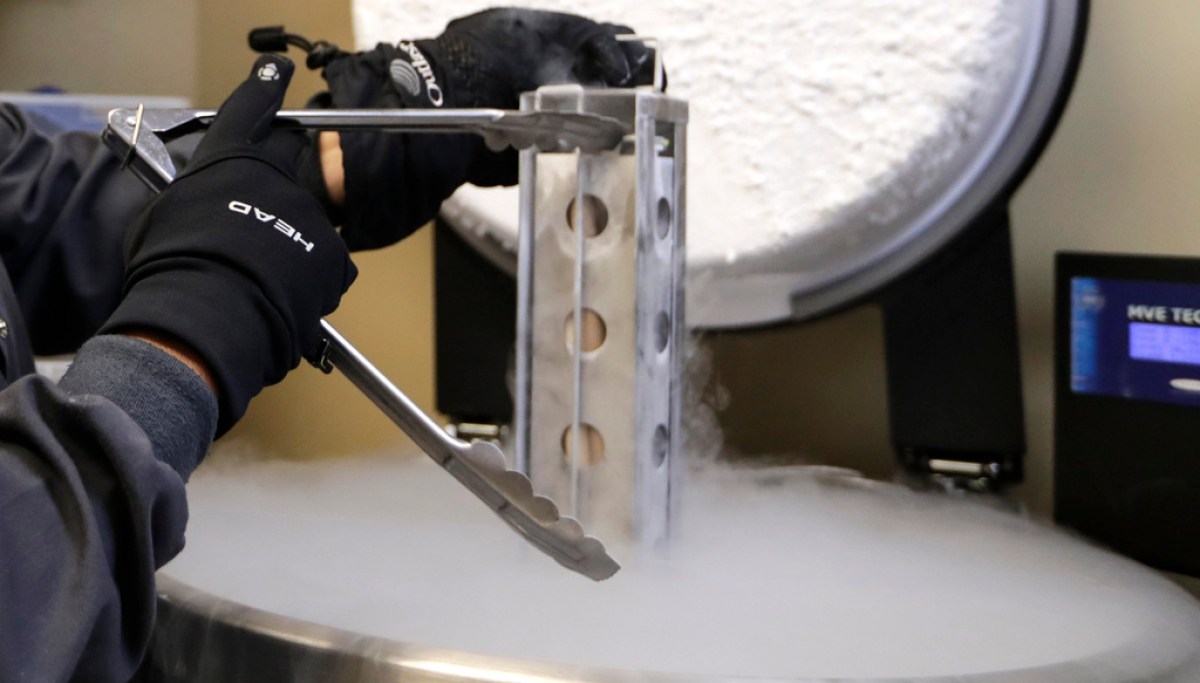
During his 2024 campaign, President Donald Trump spoke about his support for IVF. He indicated he would address the issue during a second term in the White House. Less than a month before the election, Trump called himself “the father of IVF” at a town hall. In late May this year, Trump said he is the “father of fertility” while announcing protections for and ease of access to IVF. Trump’s turn as a self-described champion of reproductive issues is an odd one for a president credited with helping to secure an anti-abortion victory with the overturning of Roe v. Wade. What’s worse is the confusion it has created in a post-Dobbs world for an ostensibly anti-abortion Republican Party.A container with frozen embryos and sperm stored in liquid nitrogen is removed at a fertility clinic in Fort Myers, Fla., Oct. 2, 2018. (AP Photo/Lynne Sladky, File)