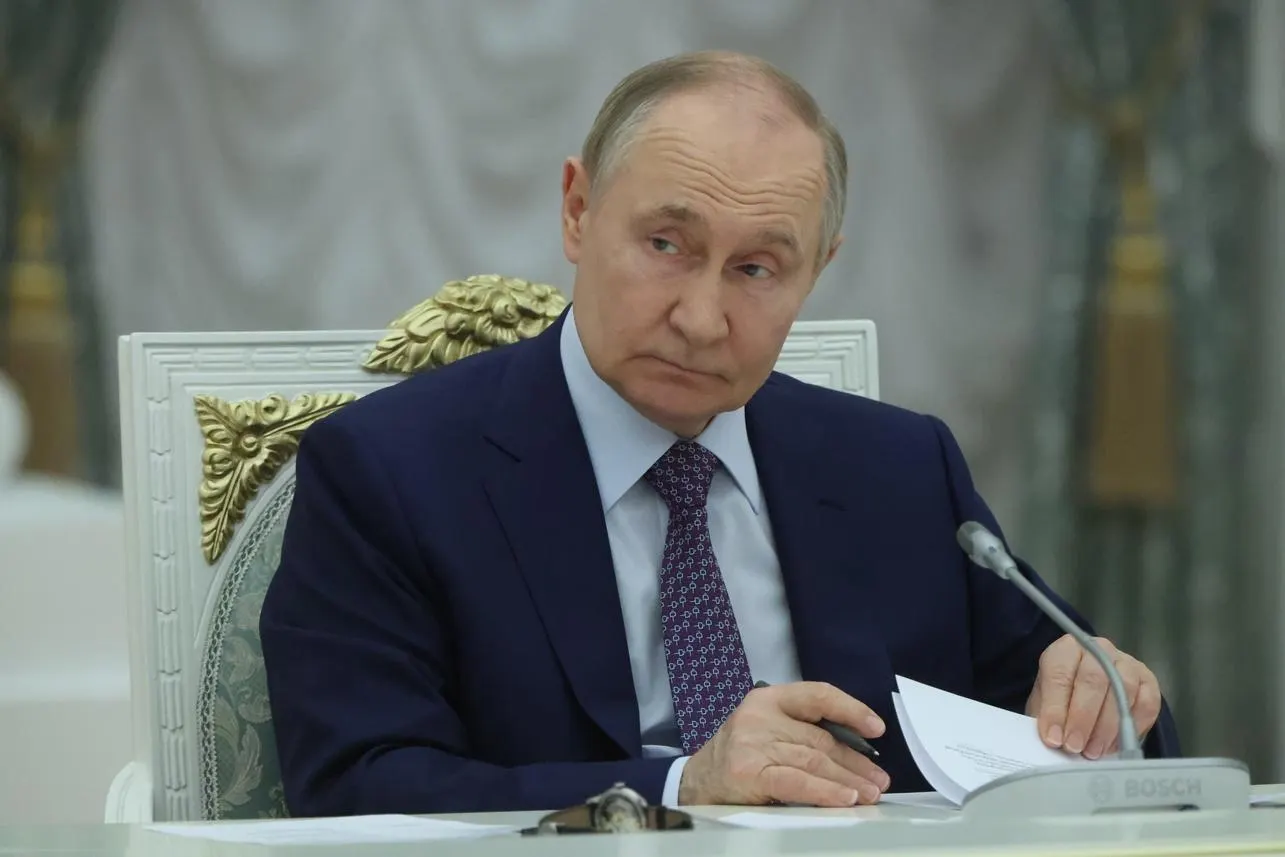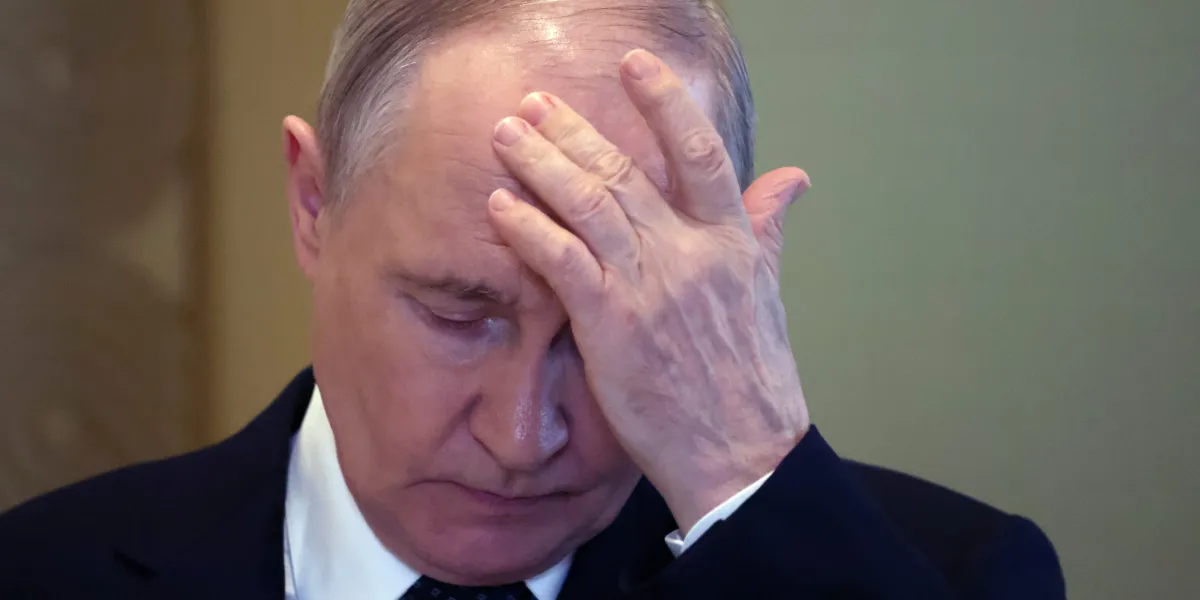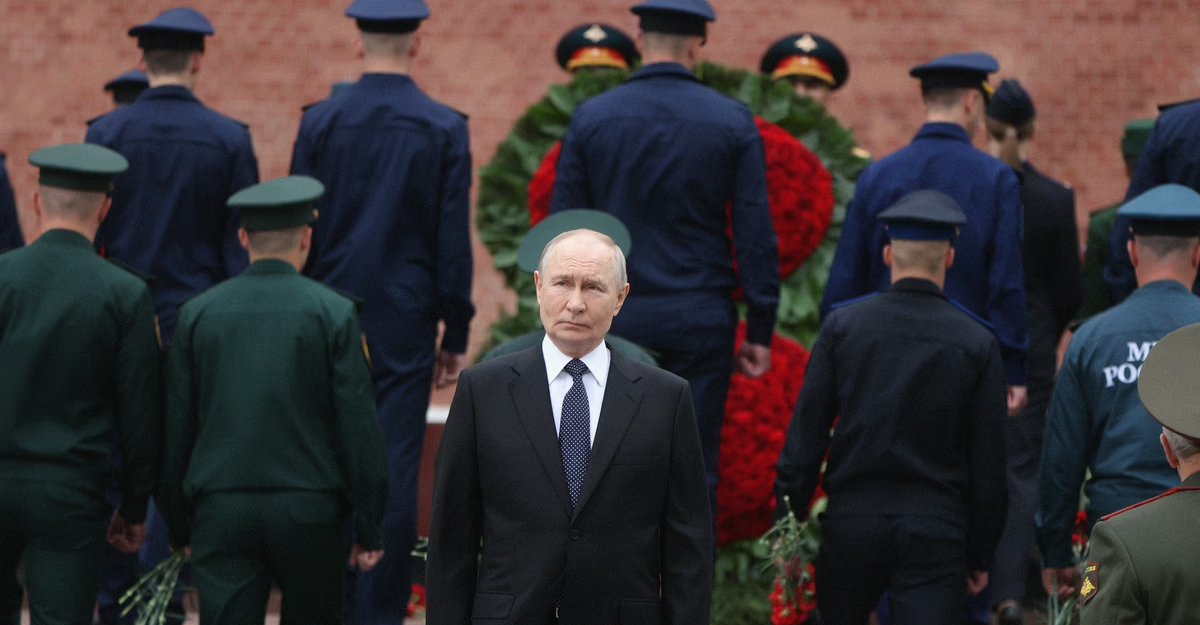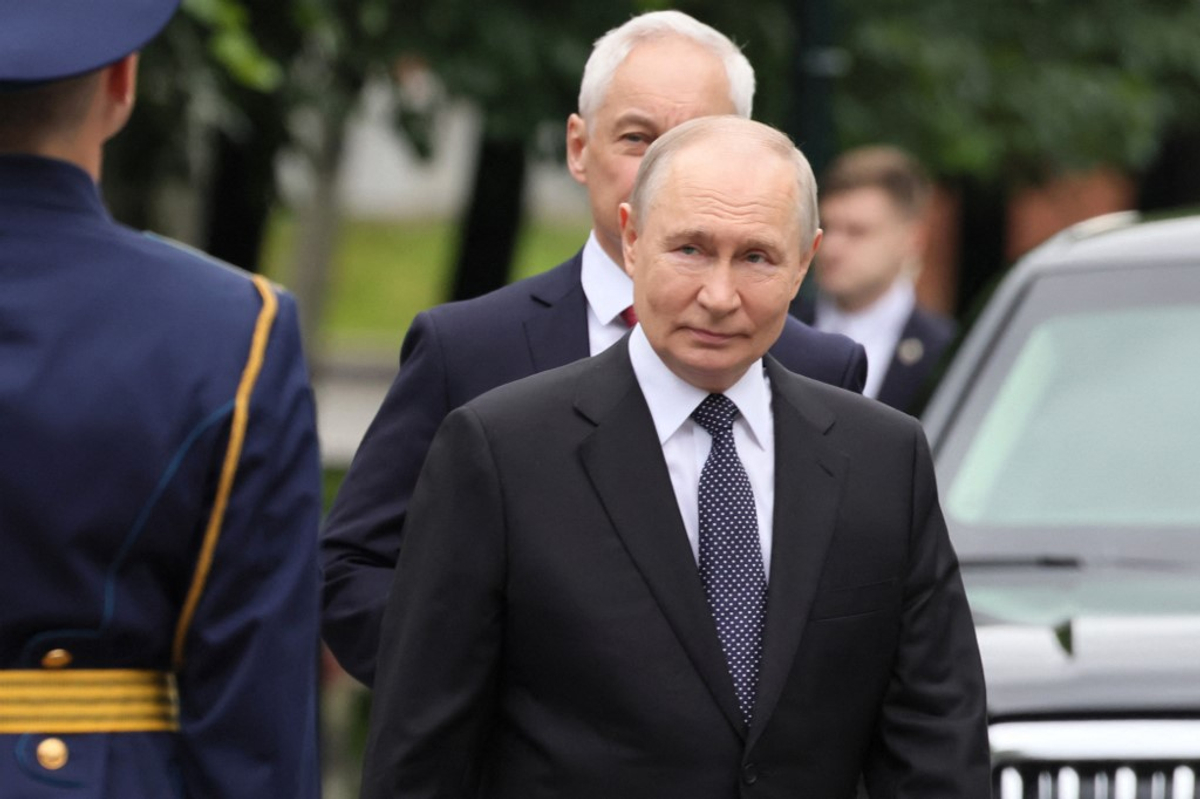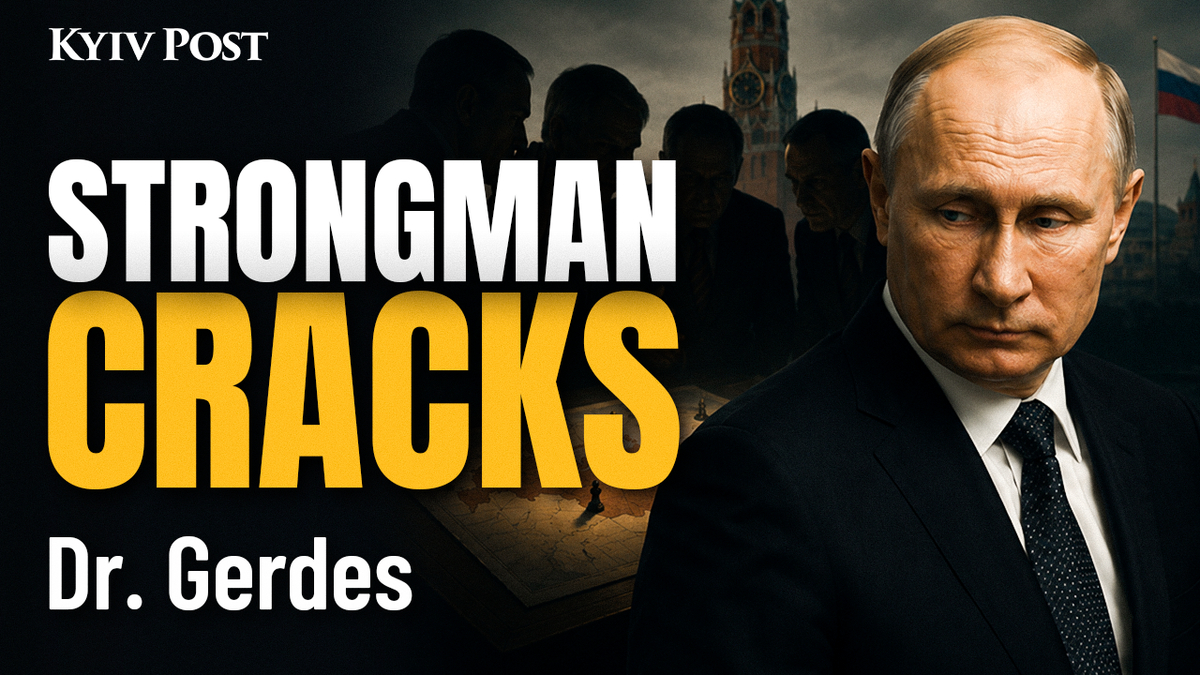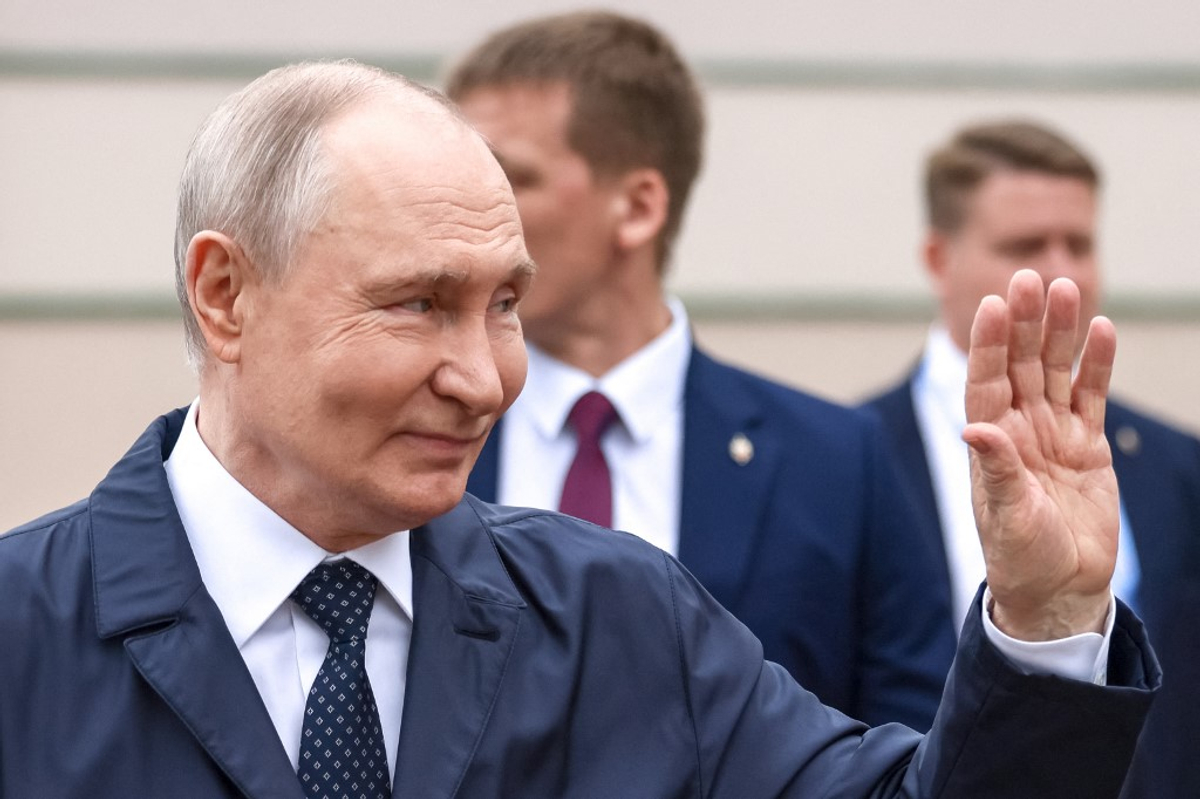
Military defeat is a deadly trial for any dictatorship. Mussolini was voted out by his own Grand Council and arrested on July 25, 1943. In Germany, the same reckoning was postponed by almost two years. Everyone paid for that delay in blood. The pattern is that the system saves itself and sacrifices the leader when he becomes too expensive. This logic is now closing in on Vladimir Putin.JOIN US ON TELEGRAMFollow our coverage of the war on the @Kyivpost_official. He did not design the Chekist regime that rules Russia today. He was its most successful product and its most convenient instrument. A minor KGB officer who never rose above lieutenant colonel, he was standard working material. He grew up in a Leningrad courtyard, in a world of petty criminals, fists, and humiliation. That background gave him what the refined security elites of the 1990s lacked: a natural feel for the darkest layers of the Soviet psyche, for resentment, grievance, and imperial nostalgia in the Russian street. His curators used this gift. They could not foresee the other one. For more than 20 years, he played Western leaders as familiar characters from his childhood: rich, self-satisfied boys from good families, sure they were smarter than the street kid. He spun them patiently and outlasted them all. That skill made him valuable. His failed war has made him expendable. The Chekist corporation has one instinct that overrides all others: survival. For a long time, Putin’s survival and the system’s survival coincided. That is no longer true. The war is stuck. The costs grow. The prestige of the leader shrinks. Inside any such system, a simple consideration starts to dominate: With him we die, without him we may at least have a story about a betrayed victory.
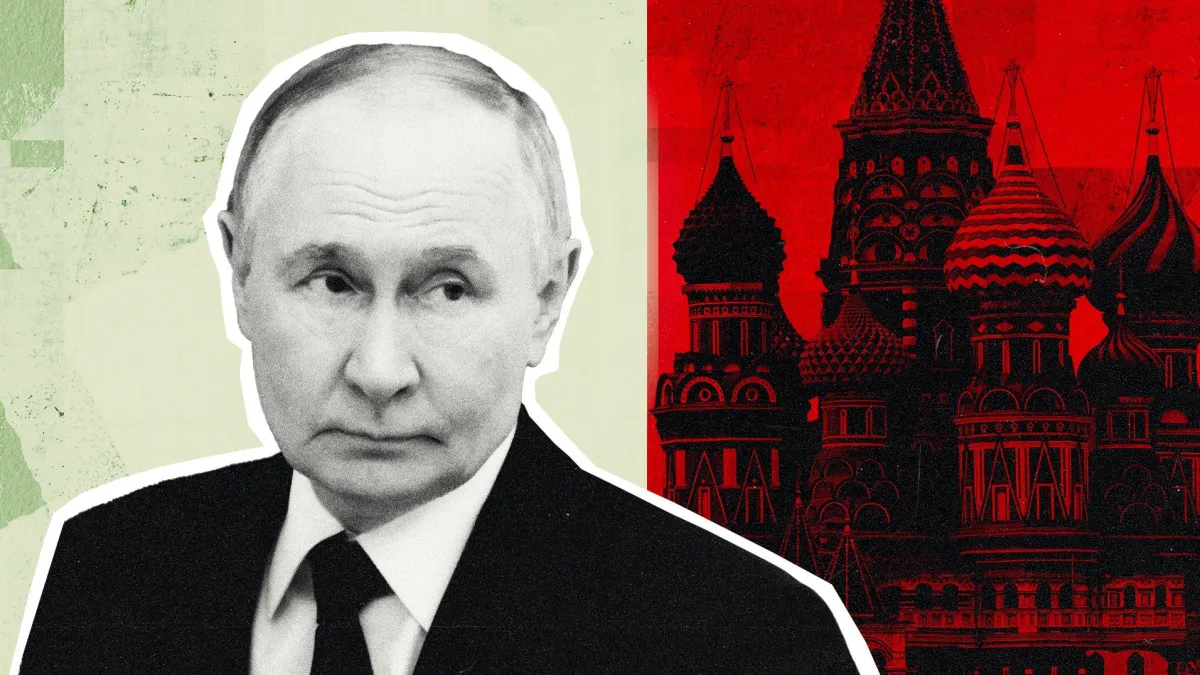
How Putin Will Fall: Chronicle of a Coming Succession
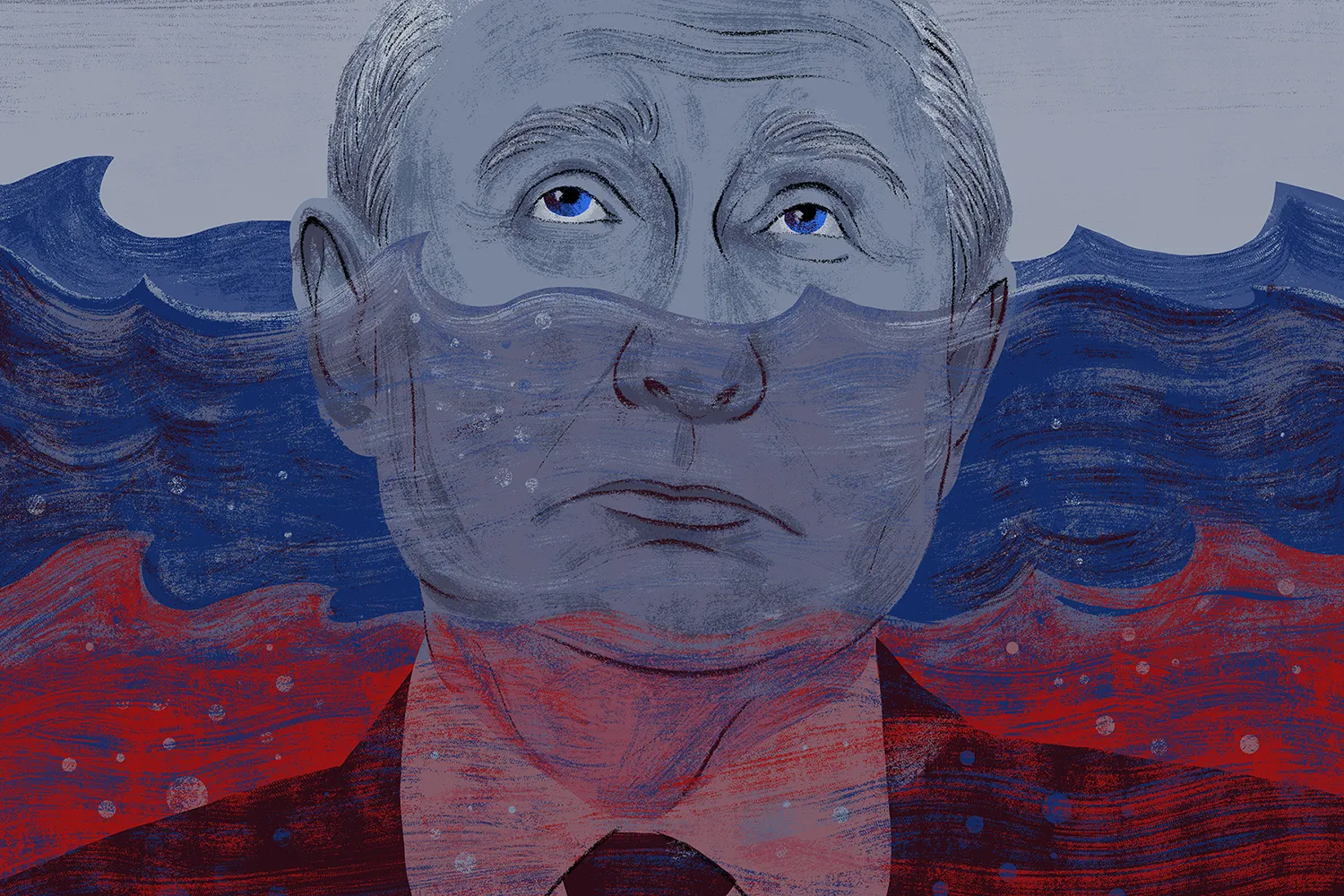
Putin is the creation of a system of power. But what happens when the creation falls afoul of the creator?
1,083 words~5 min read